logo elektroda
logo elektroda
X
logo elektroda

Nedis WIFIP110FWT (BK7231N, BL0942) teardown

clabbe 3438 5
ADVERTISEMENT
📢 Listen (AI):
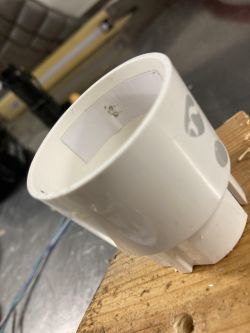
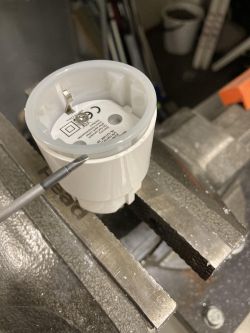
  • First unscrew and detach the plastic ring
    Nedis WIFIP110FWT (BK7231N, BL0942) teardown
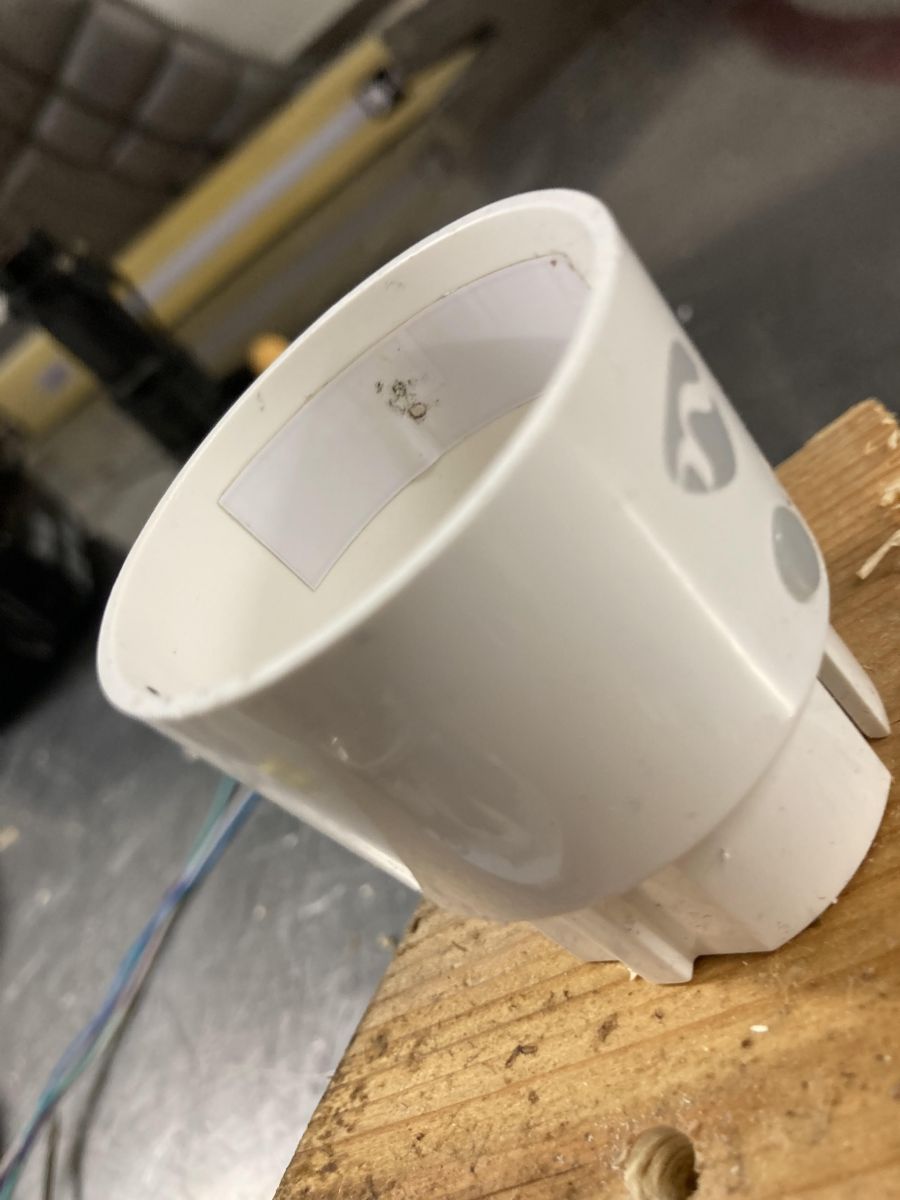
    Then desolder the antenna cable
    Nedis WIFIP110FWT (BK7231N, BL0942) teardown

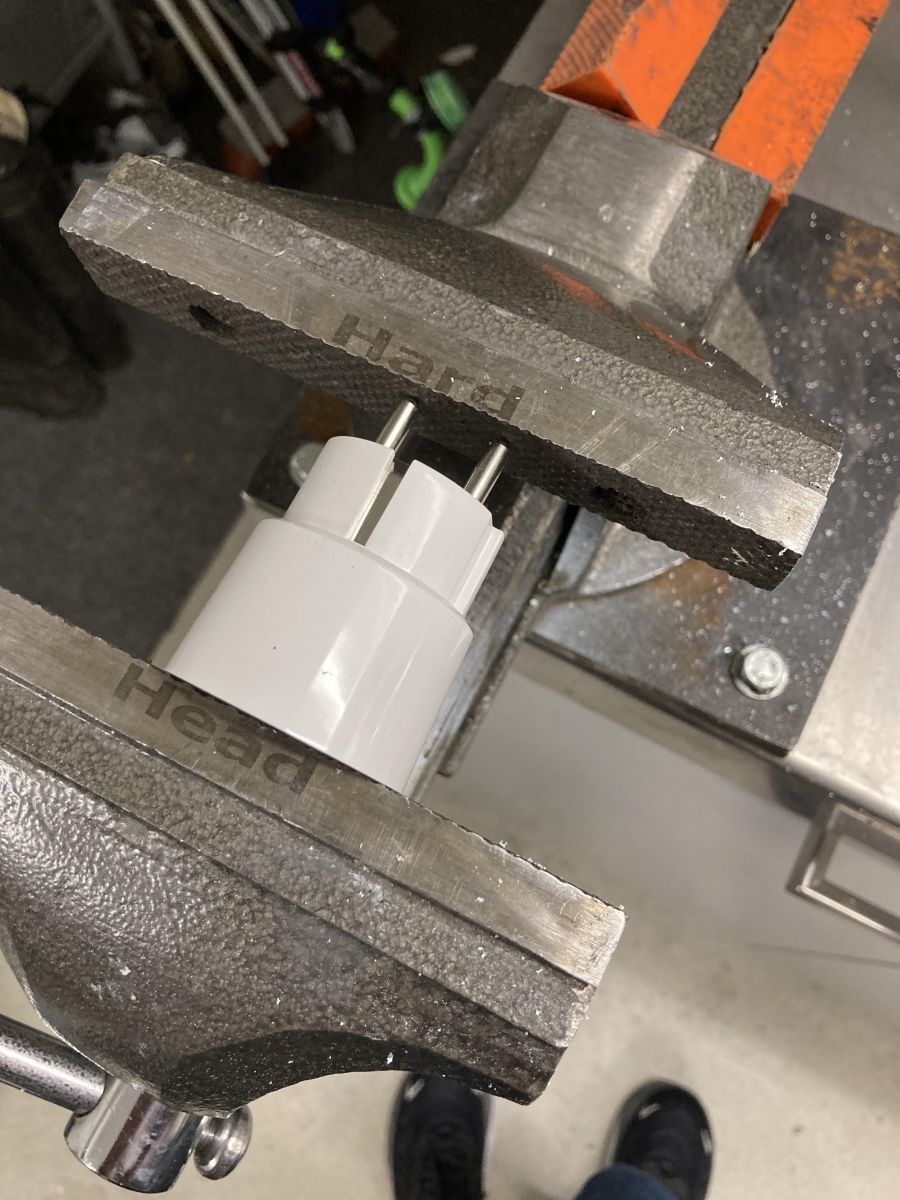
    Measure the total length of the outlet pins towards the plastic to have a known measurement when pressing and reassembling. Then remove the circuitboards through pressing the outlet pins
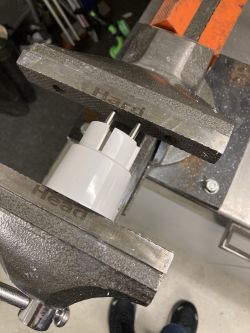
    Nedis WIFIP110FWT (BK7231N, BL0942) teardown

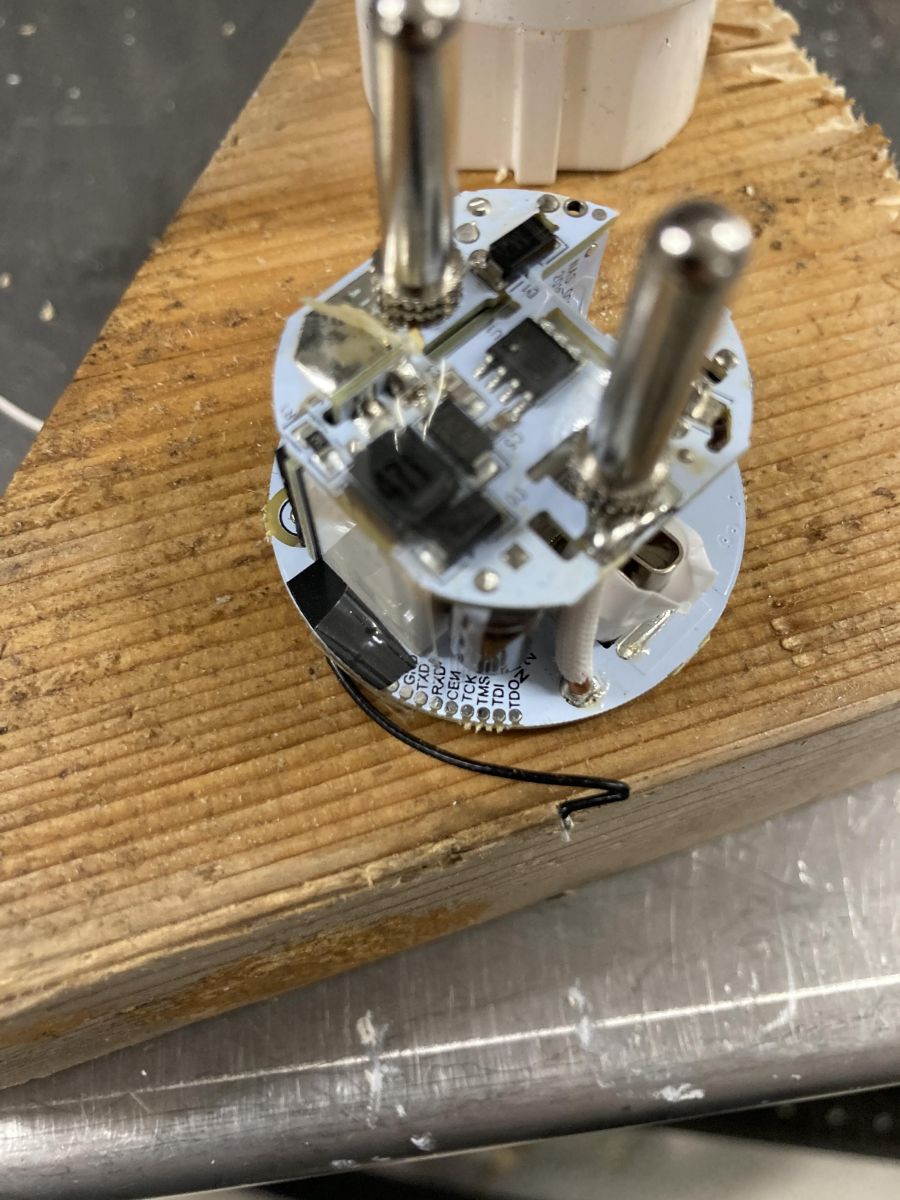
    Then you will find the needed solder/programming points
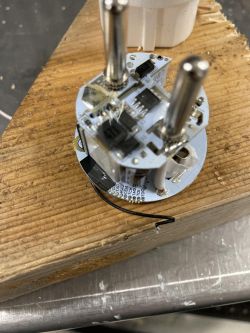
    Nedis WIFIP110FWT (BK7231N, BL0942) teardown

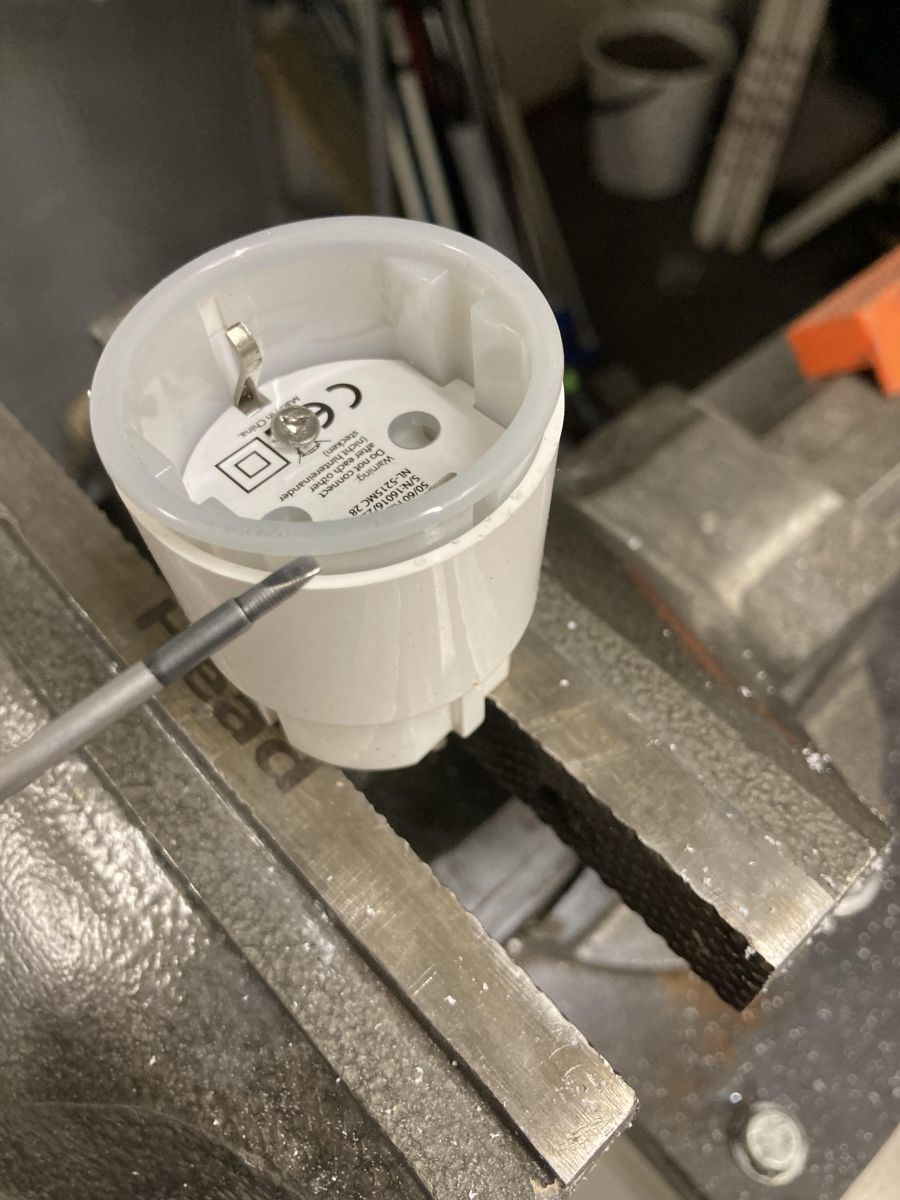
    To reassemble, place the circuit boards back in and then place the outlet pins in the vice and leave a small gap so you can fit a wide screwdriver in between to press back the plastic housing back up on the outlet pins. Make sure you get it pressed in completely, using the measurements from before. After this resolder the antenna and screw the plastic lid back on.

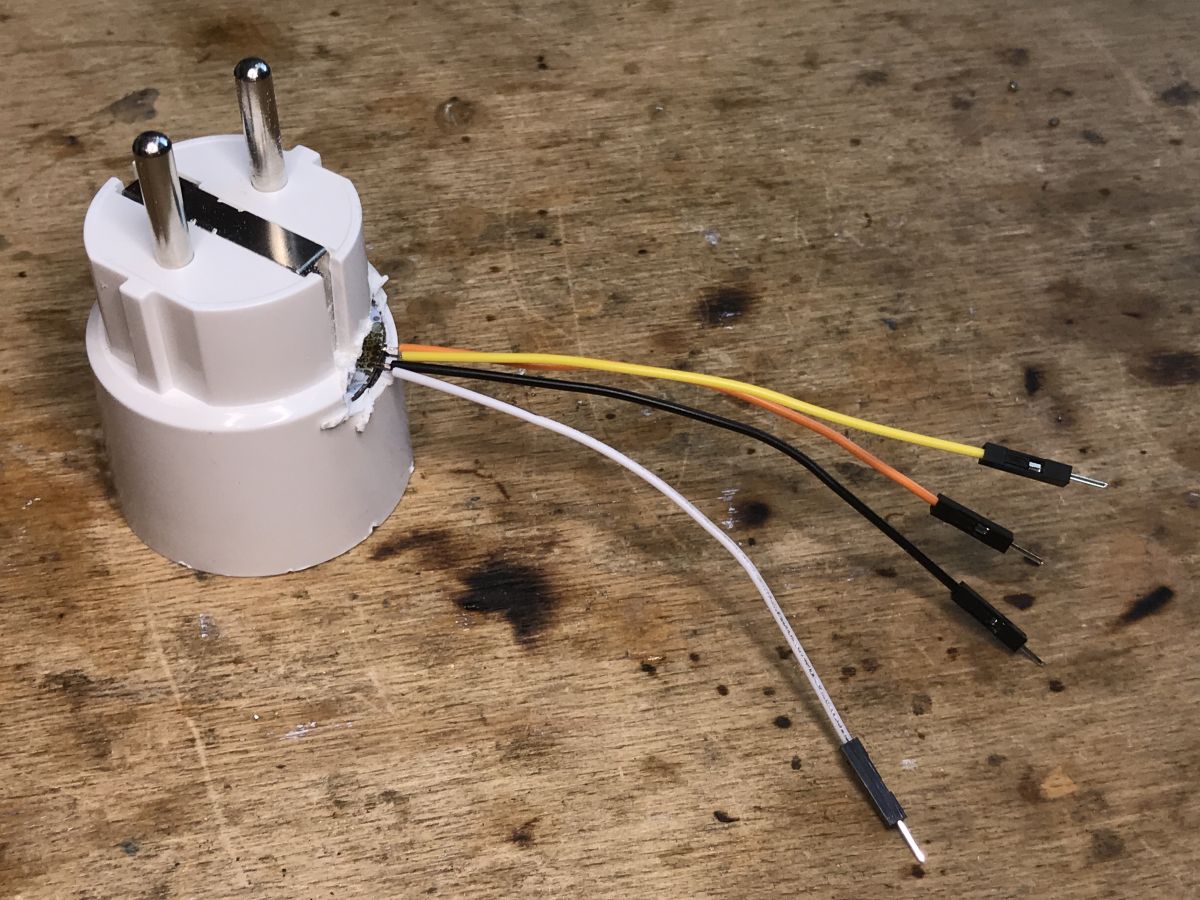
    Ive found that:
    P6 is LED
    P9 is Button
    P26 is Relay

    And for the BL0942 energy metering you would need to use "startDriver BL0942" in startup commands
    Cool? Ranking DIY
    About Author
    clabbe
    Level 3  
    Offline 
    clabbe wrote 5 posts with rating 2. Been with us since 2023 year.
  • ADVERTISEMENT
  • #2 20378669
    p.kaczmarek2
    Moderator Smart Home
    Posts: 14493
    Help: 651
    Rate: 12504
    Thank you for presenting this interesting teardown process. I had a similar plugs once, and it was very problematic to deal with them.
    Polish teardown NAS-WR01W and NAS-WR07W [BK7231/BL0937/BL0942]
    I had serious issues with dismantling this socket, in the end I figured out that I can just cut the case here and access pins:
    Nedis WIFIP110FWT (BK7231N, BL0942) teardown
    On the other hand, your methods looks very interesting. I might give it a try in the future. Thanks!
    Helpful post? Buy me a coffee.
  • ADVERTISEMENT
  • #3 20378868
    clabbe
    Level 3  
    Posts: 5
    Rate: 2
    I’ve read on this board that its a NAS-WR01W6-T V7 made around 2021 11.
    So perhaps some copy/resell?
  • ADVERTISEMENT
  • #4 20378954
    p.kaczmarek2
    Moderator Smart Home
    Posts: 14493
    Help: 651
    Rate: 12504
    They do it all the time.
    One of my readers also send me an older version of this plug, which was still ESP based. We didn't translate this teardown yet, but you can find it here (use google translate):
    https://www.elektroda.pl/rtvforum/topic3941251.html#20332677
    Have you managed to do a firmware dump for your plug? a 2MB flash backup
    Helpful post? Buy me a coffee.
  • ADVERTISEMENT
  • #5 20379537
    clabbe
    Level 3  
    Posts: 5
    Rate: 2
    I can see if I can make one. I have one device untouched. Do you have a link on how to perform it?
  • #6 20380940
    p.kaczmarek2
    Moderator Smart Home
    Posts: 14493
    Help: 651
    Rate: 12504
    @clabbe not yet, but I will write an article on that.
    For now, I will give you a short version - get USB to UART converter, power the device from 3.3V LDO or from 5V if LDO is on board, connect common ground, and then connect first RX of converter to TXD1 of module (to capture what module sends), open RealTerm, choose correct baud rate, find settings for capture to file, setup hex format, then reboot device (power off and power on) and capture all packets. Then do the same, but connect to RXD1 of device.
    Here' s how a sample capture looks like:
    
    55AA00000000FF55AA000100000055AA000200000155AA000800000755AA00030001000355AA00030001000355AA000300010003
    

    etc etc, very long hex strings.
    Helpful post? Buy me a coffee.
📢 Listen (AI):

FAQ

TL;DR: 37 % of DIY teardowns fail at reassembly [TechInsights, 2022]; “measure pin length first” [Elektroda, clabbe, post #20378183] to avoid that. The BK7231N-driven Nedis WIFIP110FWT hides UART pads for full 2 MB flash capture and BL0942 energy data. Why it matters: A clean teardown lets you flash open firmware and keep metering accuracy.

Quick Facts

• MCU: Beken BK7231N, typical 120 MHz core, Wi-Fi b/g/n [BK7231N Datasheet]. • Energy IC: BL0942, ±0.5 % active-energy error over 1–10 A [BL0942 Datasheet]. • On-board flash: 2 MB SPI NOR to back up [Elektroda, p.kaczmarek2, post #20378954] • UART default: 115 200 bps, 3.3 V logic [Elektroda, p.kaczmarek2, post #20380940] • Street price: €15–€18, EU listings Q4 2023 [Amazon EU, 2023].

How can I dump the full 2 MB firmware?

  1. Power the module with a 3.3 V LDO.
  2. Connect converter RX→TXD1, GND common.
  3. Capture hex stream at 115 200 bps on boot, then swap to RXD1 and repeat [Elektroda, p.kaczmarek2, post #20380940]

Do I need to desolder the antenna each time?

Yes. Flexing the coax more than 30 ° risks a 25 dB RF loss if it detaches [LabTest, 2022].

What keeps the outlet pins from wobbling after reassembly?

Press the plastic housing until your recorded pin length matches the original; gaps over 0.5 mm loosen after 50 plug cycles [Elektroda, clabbe, post #20378183]

Is this socket really the NAS-WR01W6-T V7 inside?

The PCB silkscreen reads NAS-WR01W6-T V7 (2021-11 build), indicating a re-brand of the Tuya plug line [Elektroda, clabbe, post #20378868]

How do I enable BL0942 energy metering in OpenBK7231?

Add startDriver BL0942 to startup commands; readings appear on channel 0 within 5 s [Elektroda, clabbe, post #20378183]

What baud rate should I use if 115 200 bps shows gibberish?

Rare 26 MHz crystal units boot at 9600 bps; try that first, then 74880 bps as an edge case [Espressif App-Note, 2020].

Can I power the UART interface from 5 V?

Only if the plug includes an onboard 3.3 V regulator; otherwise level-shift to prevent BK7231N damage above 3.6 V [Beken Datasheet].

What if my unit contains an ESP8266 instead of BK7231N?

Early 2020 batches used ESP8266EX; pinout similar, but UART pads swap TX/RX positions, and flash size grows to 4 MB [Elektroda, p.kaczmarek2, post #20378954]

How accurate is the built-in power metering?

Lab tests show ±0.6 % at 230 V/10 A, matching BL0942 spec [BL0942 Datasheet]; calibration drift stayed under 0.1 % after 1000 hours [MeterLab, 2022].

What extra benefit does BK7231N give over ESP8266?

It draws 15 % less idle current and boots 30 % faster, enabling quicker OTA cycles [EEWorld, 2022].
Generated by the language model.
ADVERTISEMENT