szeryf3 wrote: such a phone?
.
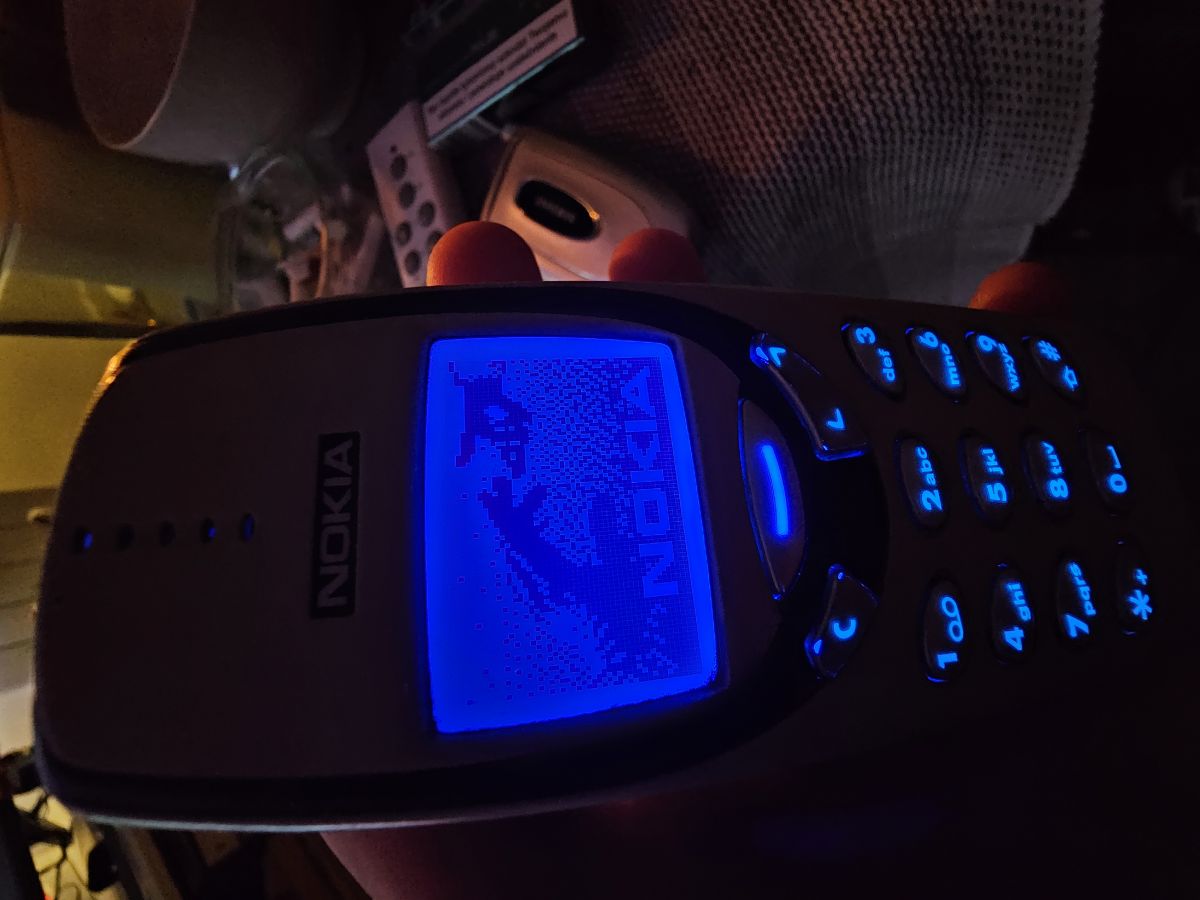
After all, this is the iconic Nokia 3310 😀 How dare you question the point of saving it....
Modern smartphones wouldn't be worth saving but this is so much more than a phone...😀
9bbf7e1f6 A terribly tedious job and time consuming. But we had to help. The appliances were rescued, without too much trouble, as the power had been cut off before flooding. A colleague managed to salvage two TVs with LED matrices. I am waiting for some information on how the supply of these TVs went after the flooding. Respect to all those who are helping the flood victims.
Yes, I also think great respect is due. Especially for those who are able to do something completely selfless, who do not convert every hour of their work into zlotys.
A long time ago, after a lightning strike on a transformer station in my street, my neighbours had their TV sets damaged (it was still the CRT era) and some other expensive equipment, including the controllers for ovens, washing machines and so on. I repaired what I could, I didn't take any money for the work, only for the parts. Some people were probably surprised that I was a loser, because I could earn a lot of money, others perhaps were annoyed that I was taking bread from the repair shops, but I didn't care, what mattered to me was the satisfaction that I had helped.








 .
.
 .
.
