logo elektroda
logo elektroda
X
logo elektroda

GR2P-W/S/L Atorch CB2S firmware modification options and compatibility

prosiak_wej 987 4
ADVERTISEMENT
This content has been translated flag-pl » flag-en View the original version here
  • Separated mains voltage control and monitoring from F&F

    #1 21327766
    prosiak_wej
    Level 39  
    Posts: 5273
    Help: 501
    Rate: 1459
    I hid Zamel somewhere, very effectively :lol: .

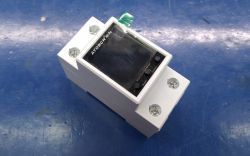
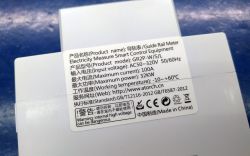
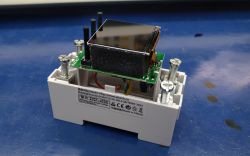
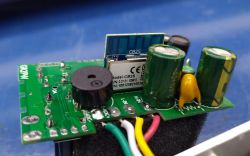
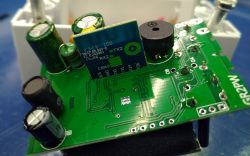
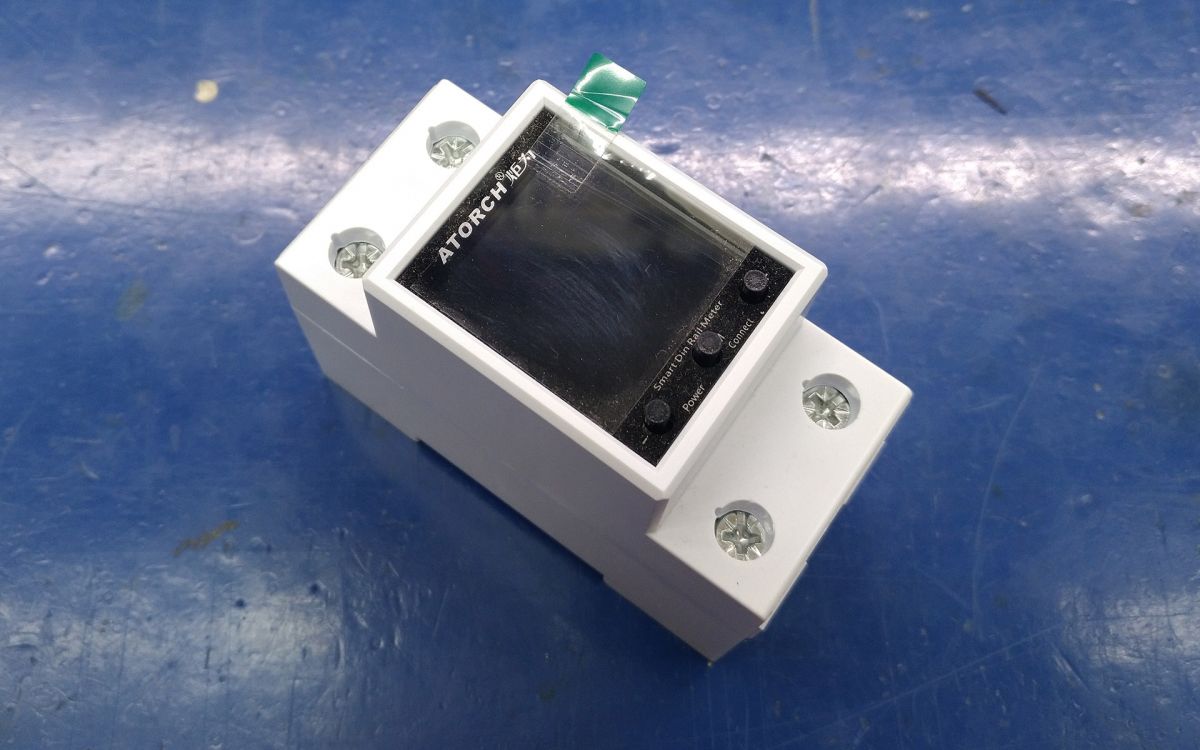
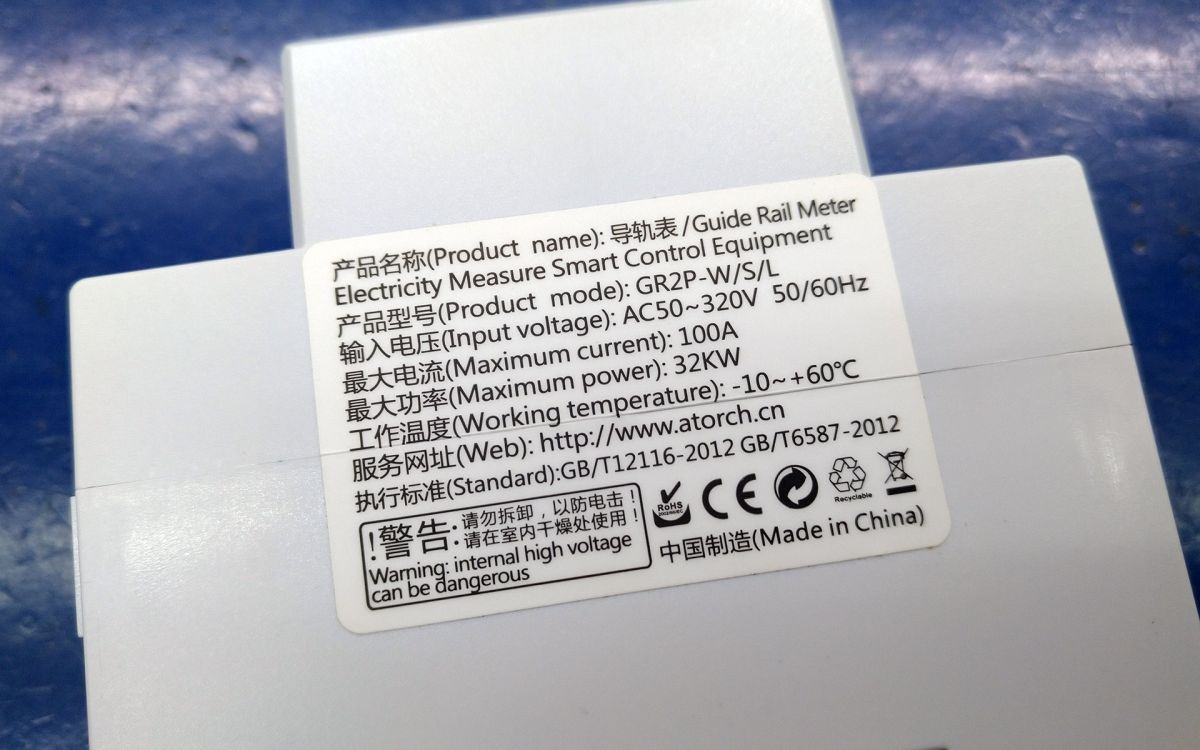
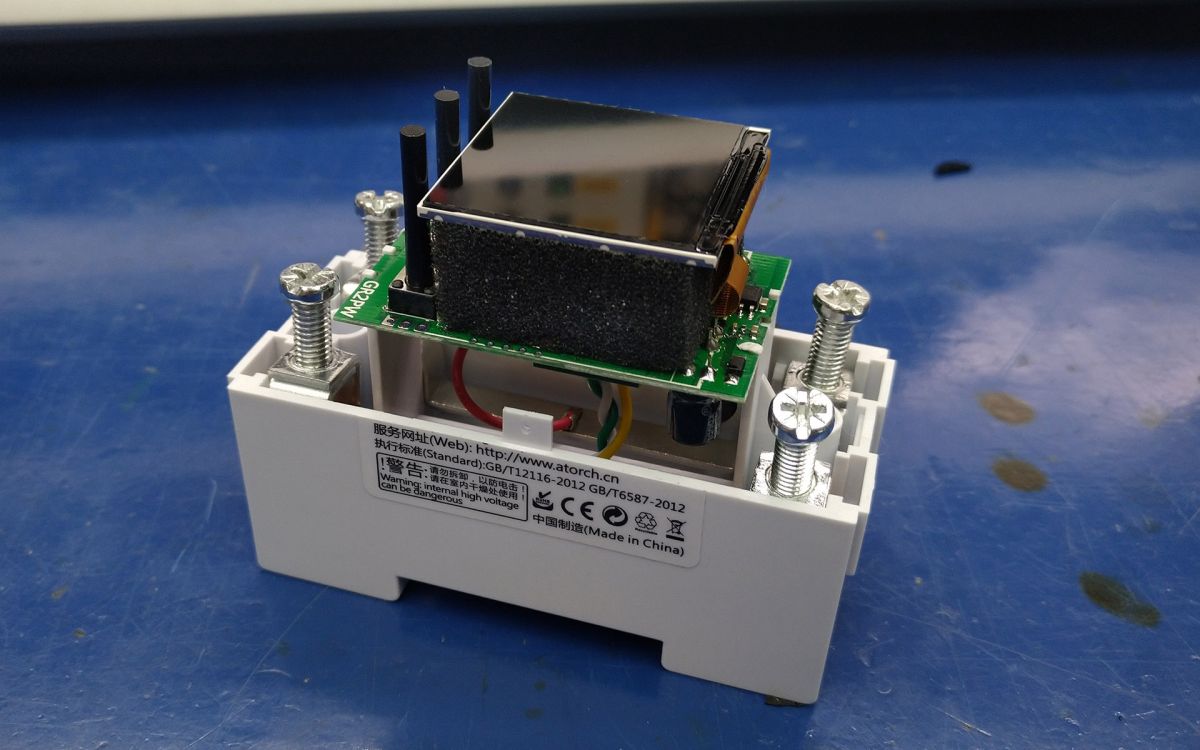
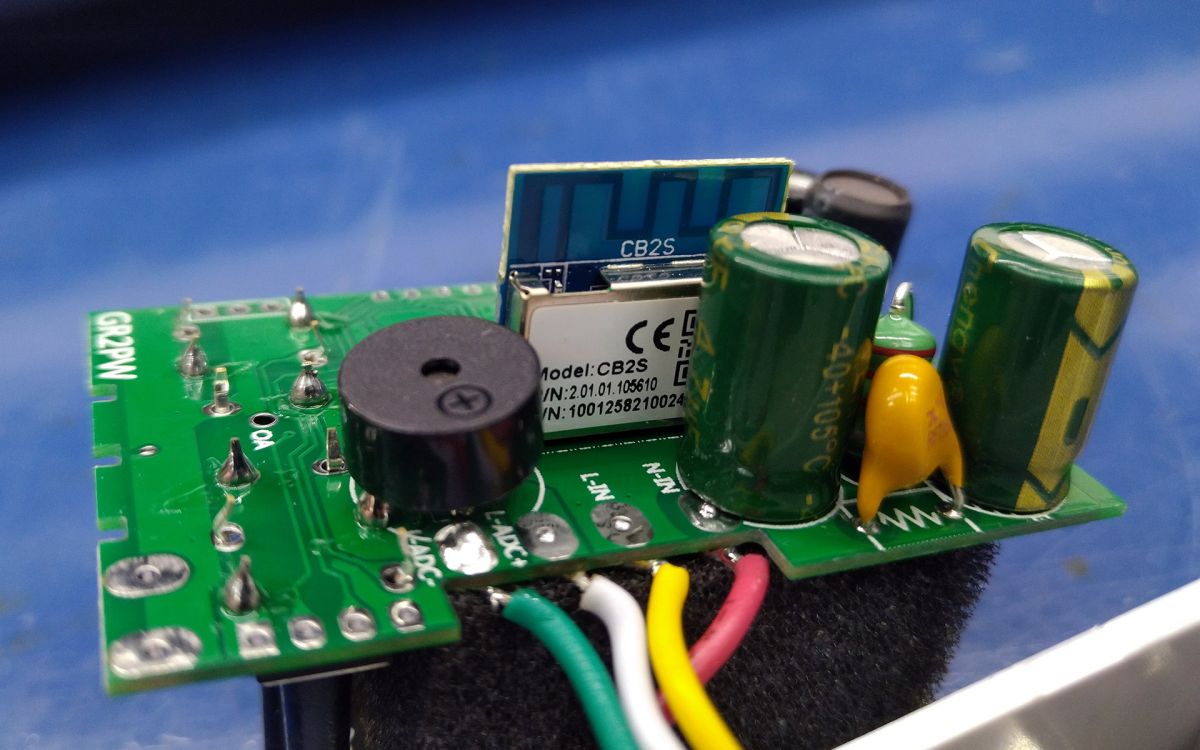
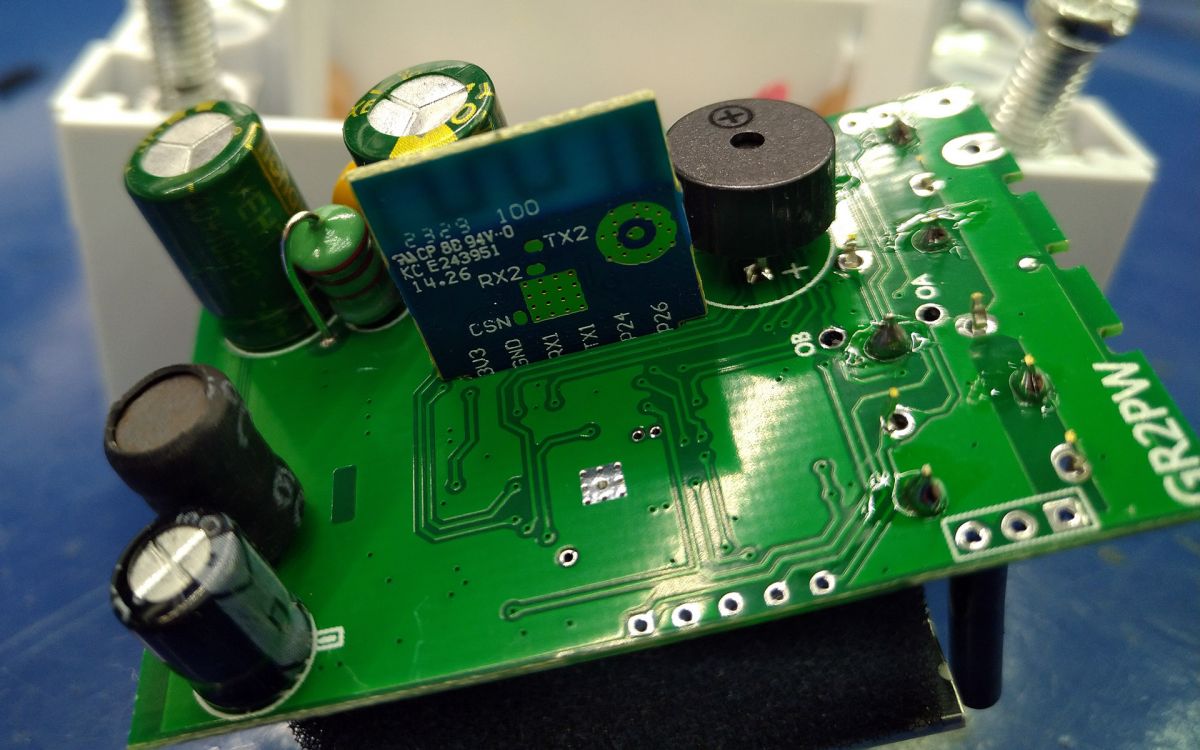
    The Chinese, on the other hand, looks like this:

    GR2P-W/S/L Atorch CB2S firmware modification options and compatibility GR2P-W/S/L Atorch CB2S firmware modification options and compatibility GR2P-W/S/L Atorch CB2S firmware modification options and compatibility GR2P-W/S/L Atorch CB2S firmware modification options and compatibility GR2P-W/S/L Atorch CB2S firmware modification options and compatibility .

    Moderated By p.kaczmarek2:

    .
    I have separated from
    Control and monitoring of mains voltage with F&F

    .
  • ADVERTISEMENT
  • Check RX1/TX1 for TuyaMCU and extract dpIDs

    #2 21327779
    p.kaczmarek2
    Moderator Smart Home
    Posts: 14717
    Help: 659
    Rate: 12794
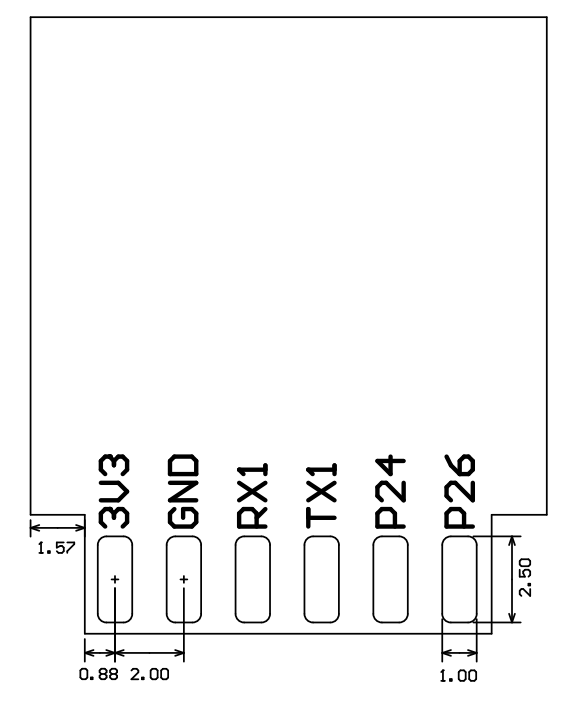
    It is most likely to be TuyaMCU , but it is still worth checking that there are paths going from RX1 and TX1 of the CB2S to the microcontroller:
    GR2P-W/S/L Atorch CB2S firmware modification options and compatibility .
    If so, according to the tutorial:
    TuyaMCU flashing, installation and configuration guide - configure dpID for Home Assistant .
    I would also try performing this (before flashing):
    Extract DpIDs for TUYA MCU devices .
    Then changing the firmware as here (2MB backup first):


    .
    Then let us know, but analogously as in the tutorial or as here:
    Advanced energy meter/thermostat with LCD Atorch S1TW-FR - cloudless operation .

    If you undertake it, it's unlikely there should be any problems. So far every Tuya device I have encountered , as long as it has a display, is based on the TuyaMCU.
    Helpful post? Buy me a coffee.
  • ADVERTISEMENT
  • #3 21327831
    prosiak_wej
    Level 39  
    Posts: 5273
    Help: 501
    Rate: 1459
    It's going to be hard to get started because iot.tuya.com won't let me log in. Despite giving a new password via the "forgot password" function, it doesn't accept it, so I can't log in either.

    If I change the firmware to Tasmota, will I have to run some kind of home server to support it?
  • ADVERTISEMENT
  • Local LAN access needs no server

    #4 21327851
    p.kaczmarek2
    Moderator Smart Home
    Posts: 14717
    Help: 659
    Rate: 12794
    prosiak_wej wrote:
    It's going to be hard to move forward with the theme because iot.tuya.com won't let me log in. Despite giving a new password via the "forgot password" function, it doesn't accept it, so I can't log in either.
    .
    I gave a new password and logged in after the mentioned dpID last on 24.11.2024 and it worked, but maybe try a new account?


    prosiak_wej wrote:
    .
    Is changing the firmware to Tasmota?
    .
    Tasmota only runs on ESP, here you can upload my "Tasmota style" firmware and compatible with its JSON format, running on many different platforms - link .


    prosiak_wej wrote:
    will I need to run some kind of home server to host it?
    .
    As with Tasmota, the device will be accessible via IP address locally, inside your LAN. It will also be able to be paired with Home Assistant or other services. If you want to have it accessible from all over the world, you'll need to either have a public IP and expose it to the world, e.g. HA, or get some sort of MQTT service or something from outside.

    If it's enough that the device is accessible locally then you don't need any server, either on the LAN or on the internet.
    Helpful post? Buy me a coffee.
  • Question about FTP logging and email alerts

    #5 21327914
    prosiak_wej
    Level 39  
    Posts: 5273
    Help: 501
    Rate: 1459
    Is it capable of FTPing data and sending email notifications on its own? Because that's all I need - that in addition to showing the current voltage and power consumed on the display, it sends to FTP the values measured at a set interval (let's say a reading every minute, and a summary report at a given hour once a day) and, in the event of exceeding the set values, sends an e-mail with the voltage and/or power value read at that moment.
ADVERTISEMENT