Regarding the Wi-Fi device in topic OpenBeken on CB3S/BK7231N: drive unknown 3-wire RGB hex lights via pin 9, I ordered one so I could try to capture the original firmware, boot log, and any clues about how the stock Tuya firmware is driving the addressable LED data line from BK7231N GPIO P9.
That is interesting because, on BK7231N, the usual hardware SPI MOSI pin is P16. This is the the normal route used by Tuya BK7231N addressable LED firmware, and it is also why OpenBeken addressable LED support on BK7231N is tied to P16. However, P16 is not exposed on the standard CB3S module pads, so a CB3S-based device driving the LED data line from GPIO P9 is worth investigating.
Tecknet TK-WL001
https://www.amazon.co.uk/dp/B0DB29L9KR
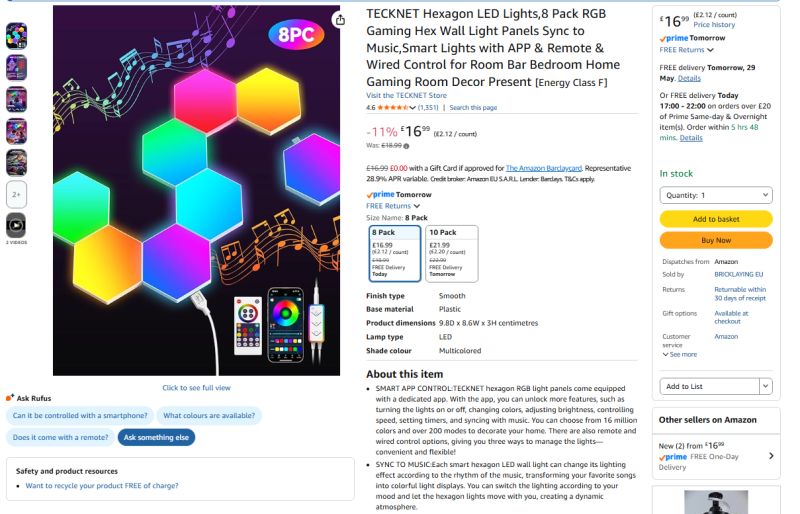
but the price of not paying enough attention to the description, looking for obvious signs it's not a Tuya wifi device, means getting a bluetooth variation - not what I had wanted.
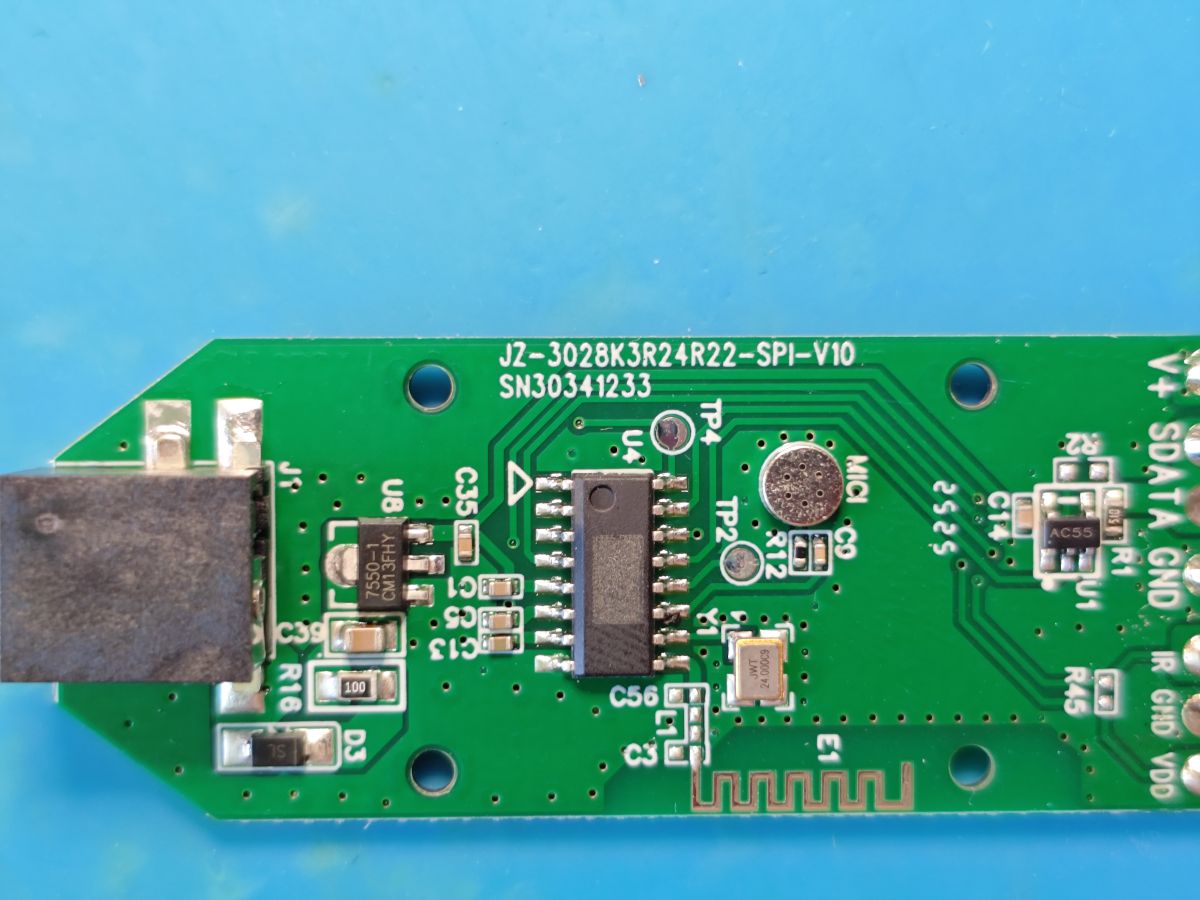
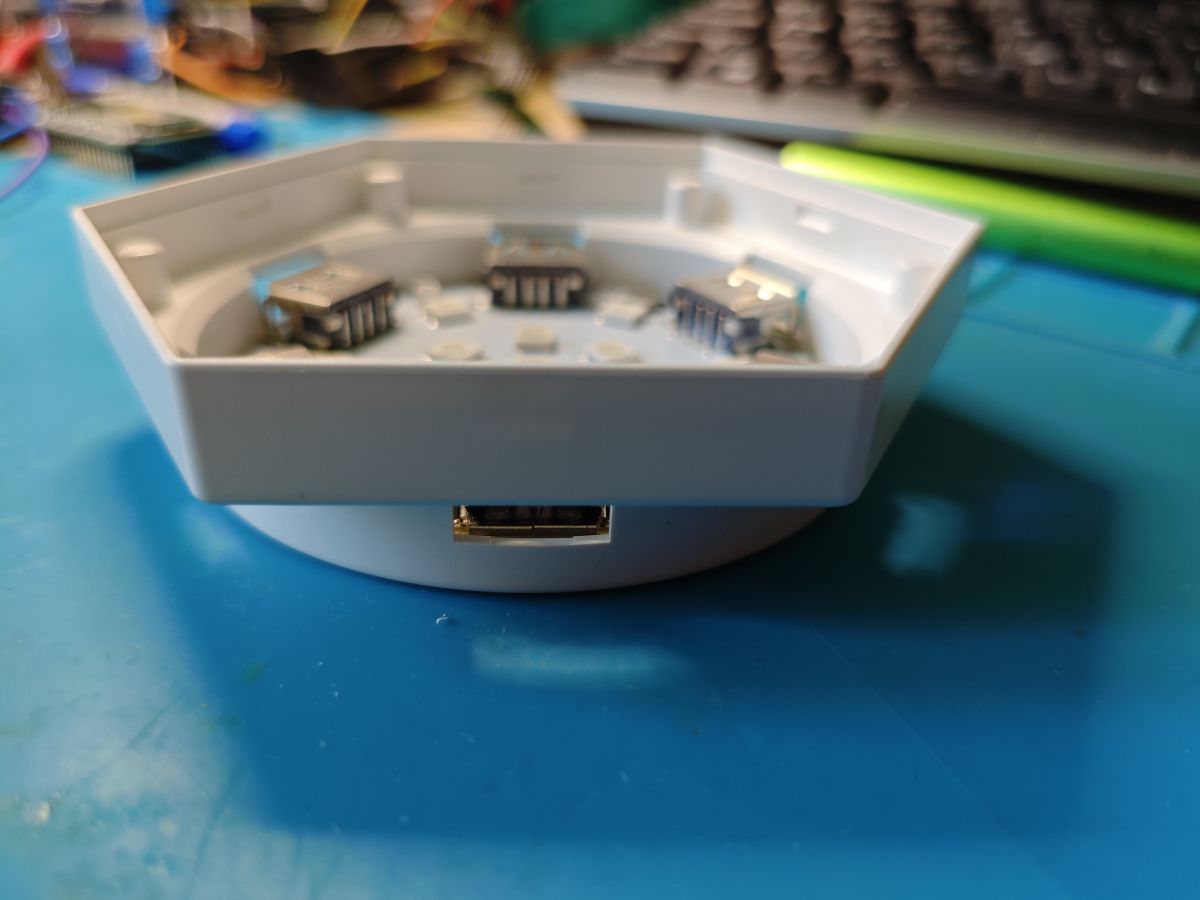
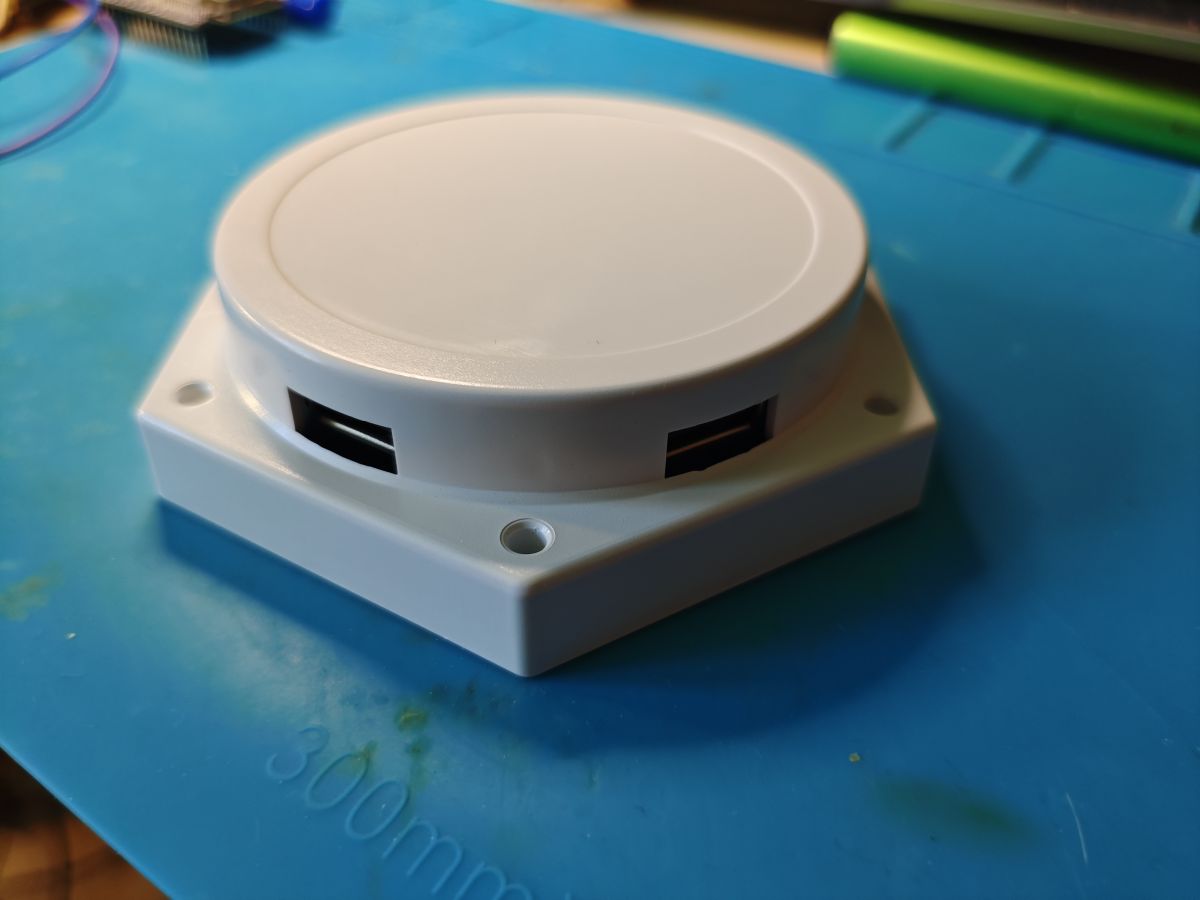
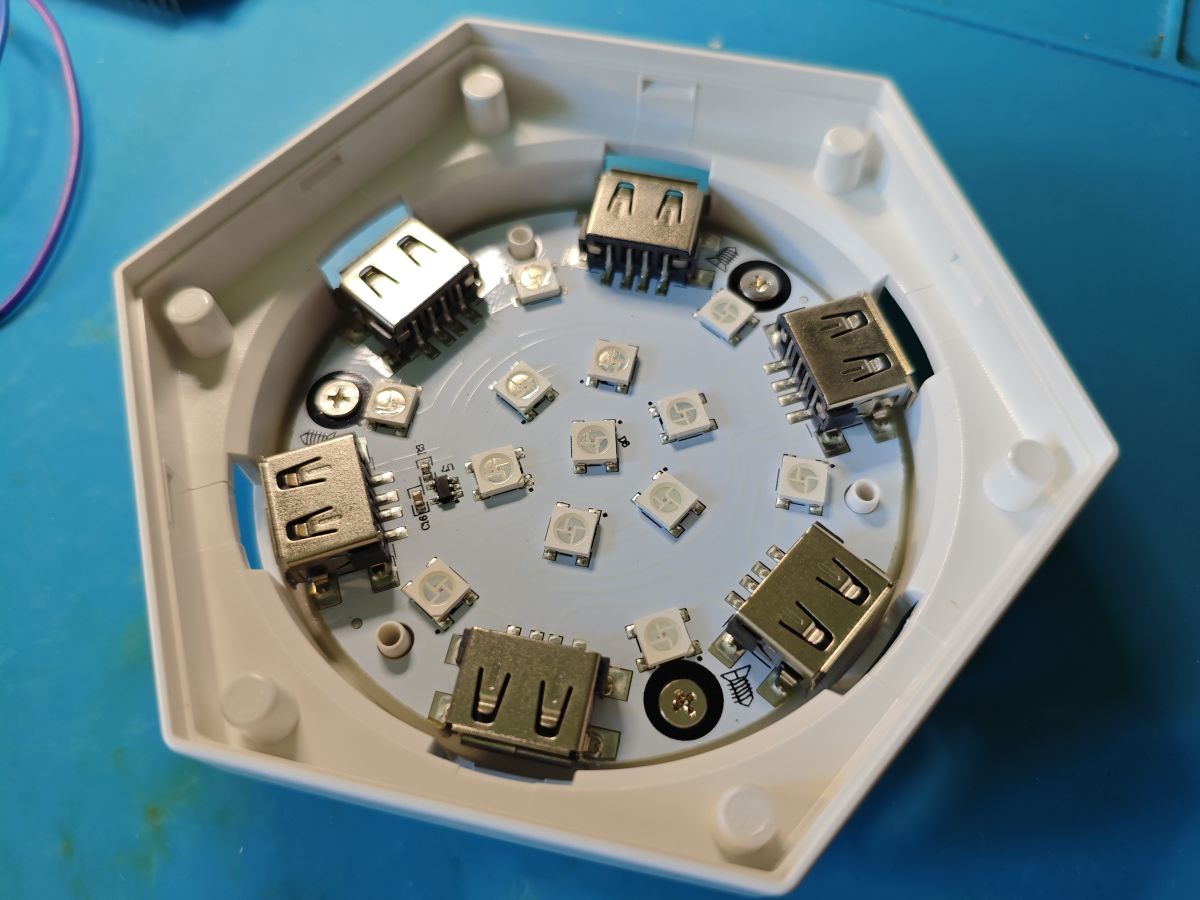
No matter, it can be documented a little before being returned. Here are some photos that may be of interest.
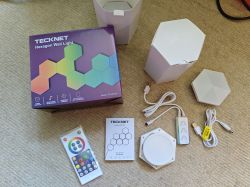
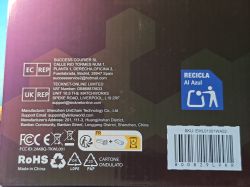
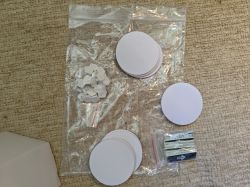
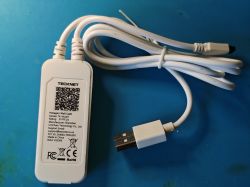
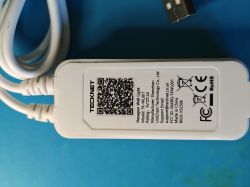
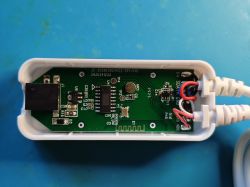
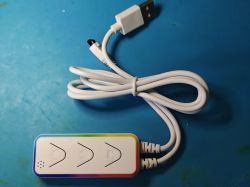
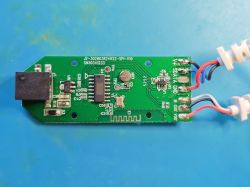
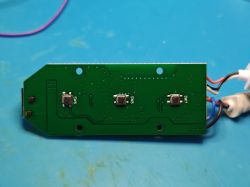
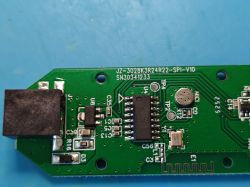
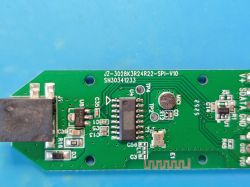
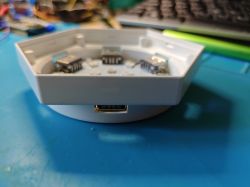
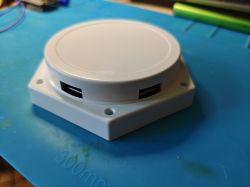
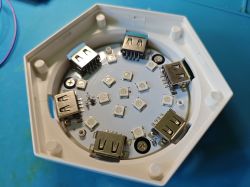
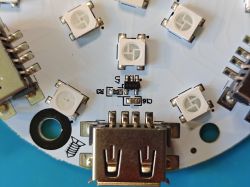
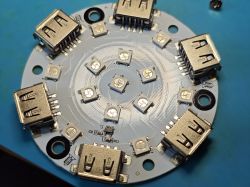
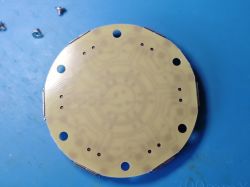
Interesting the bluetooth chip's identity has been lasered off - I wonder why.
PCB marking
JZ-3028K3R24R22-SPI-V10
SN30341233
Maybe it's a Yichip SOP16 MCU and the IO31/ICE pin has a boot log out like the YC1166 here. No, no debug log from any pin.
nRF Connect shows this is broadcast:
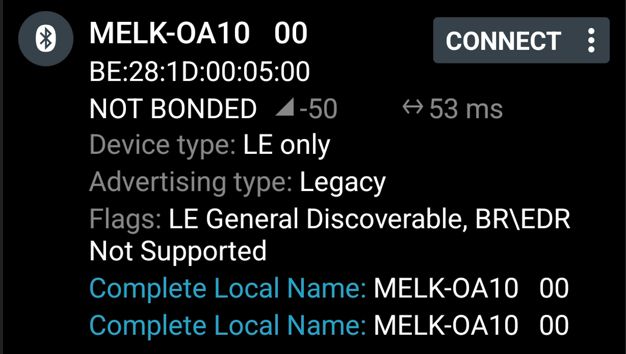
Googling for
https://www.reddit.com/r/LedLightStrips/comme...dnt_like_the_suggested_app_for_my_led_strips/
ELK-BLEDOM Integration for Home Assistant
ELK/MELK protocol BLE LED devices are detected as supported by the LED BLE integration, but setup fails
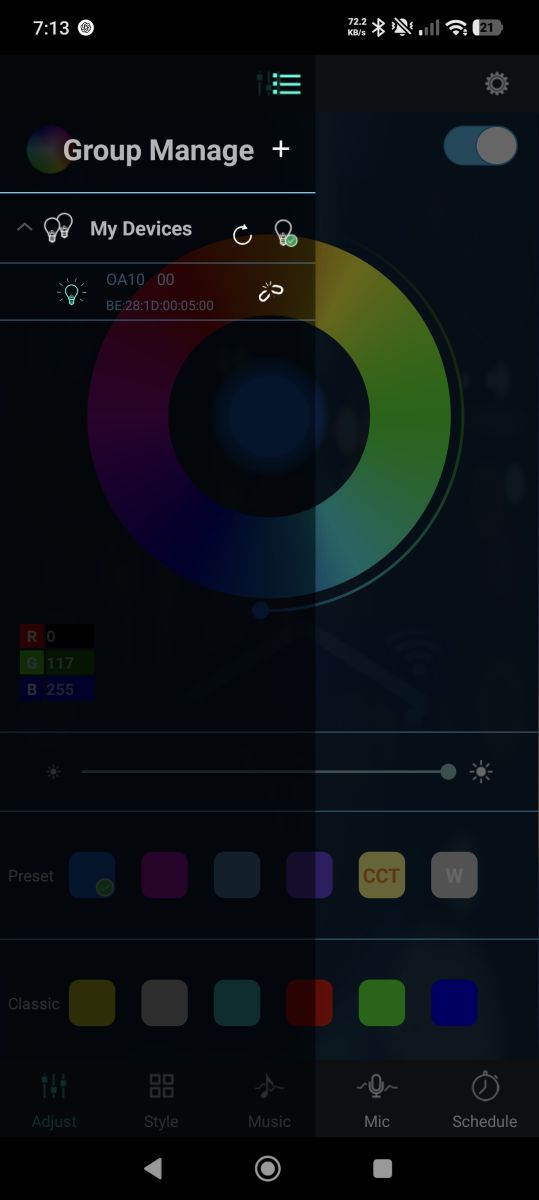
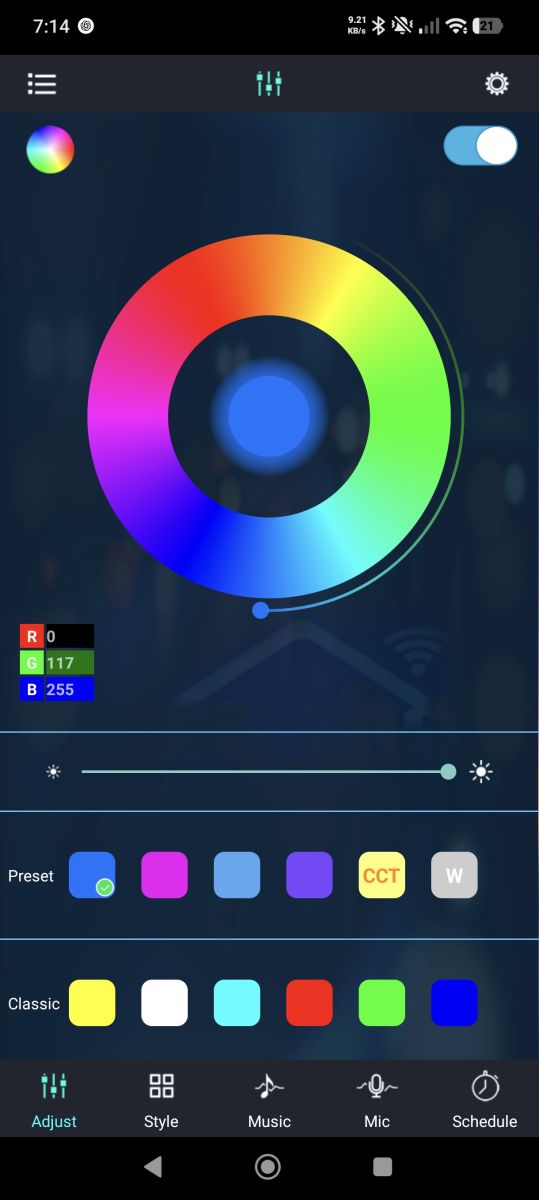
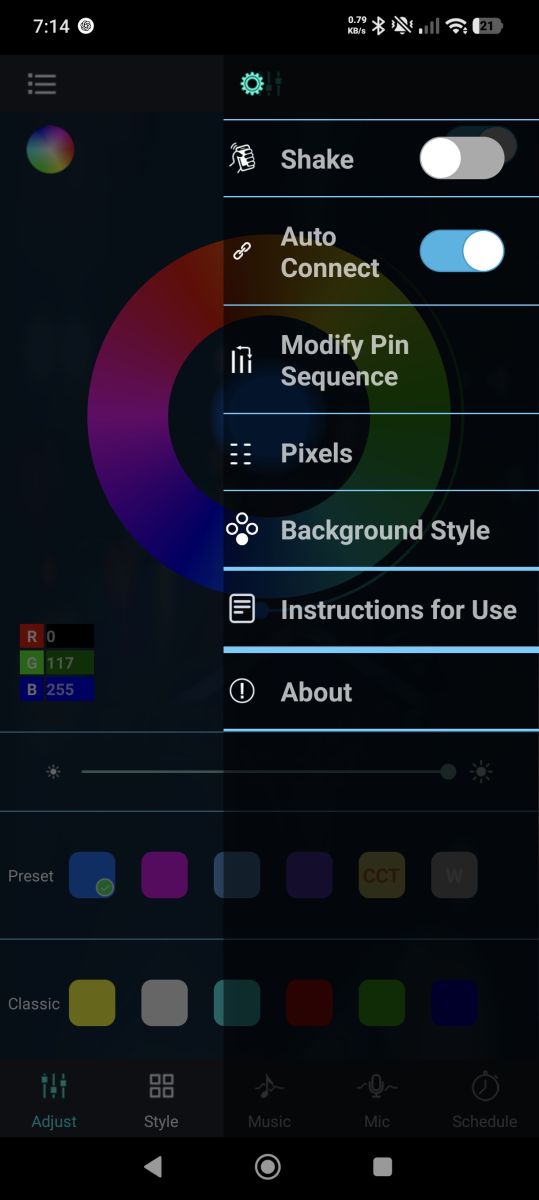
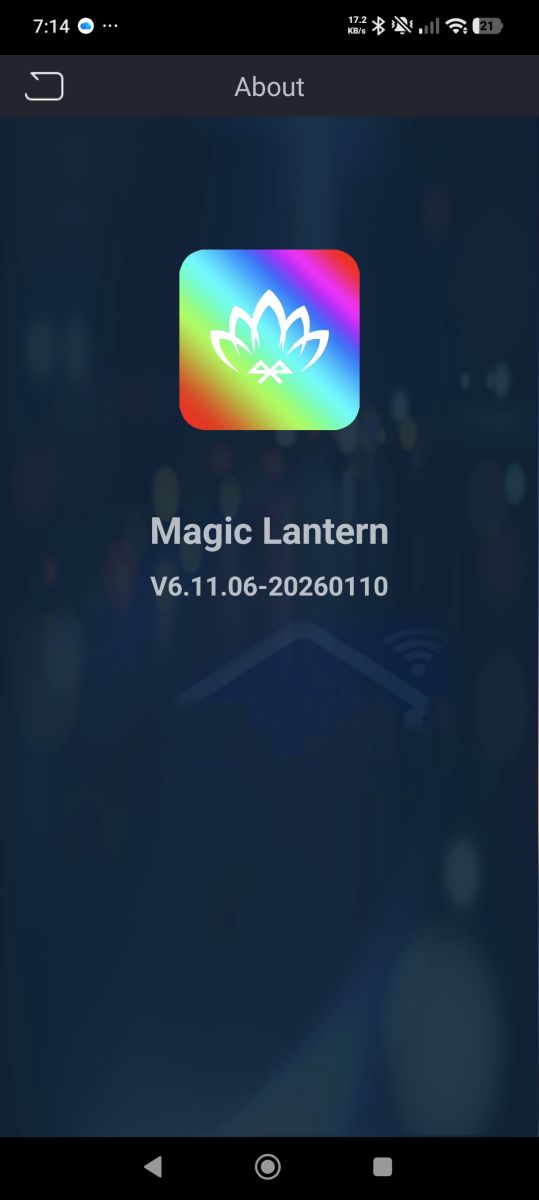
The QR code on the controller sticker takes you to http://www.easytrack.net.cn/download_Mgc/165JINGZEKONGGU which redirects to https://elkapk.adgo.top/AppDownload/download_ad.html?platform=magic_lantern for links to the Magic Lantern app
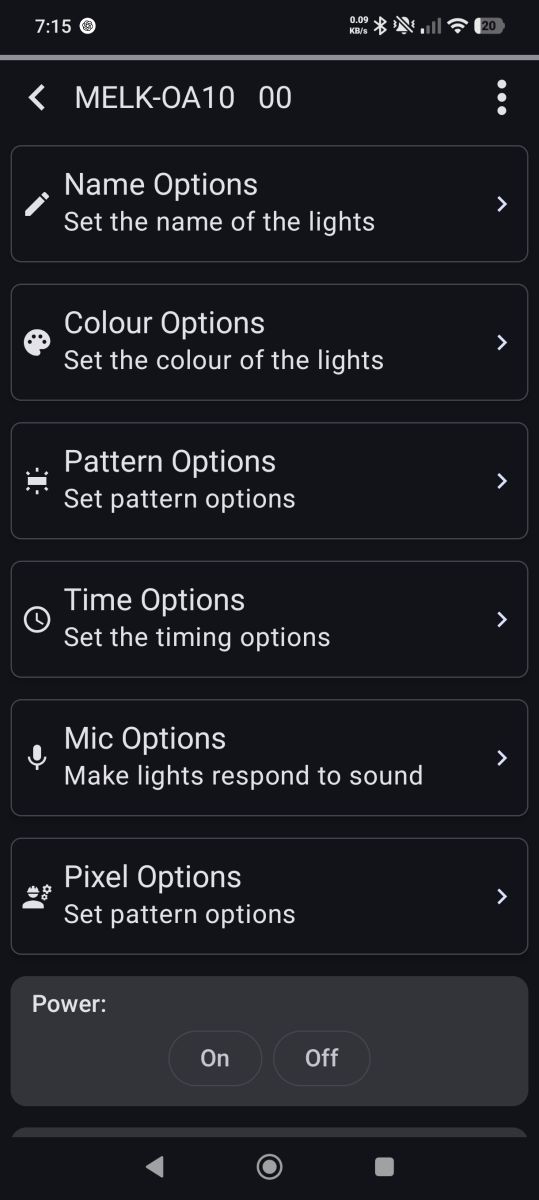
No area to show firmware version
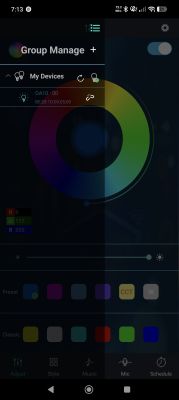
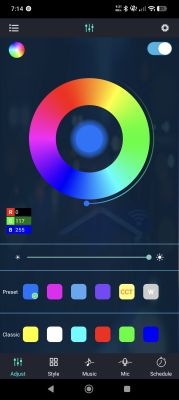
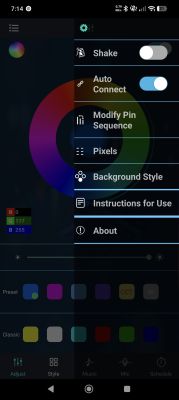
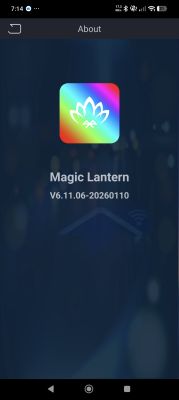
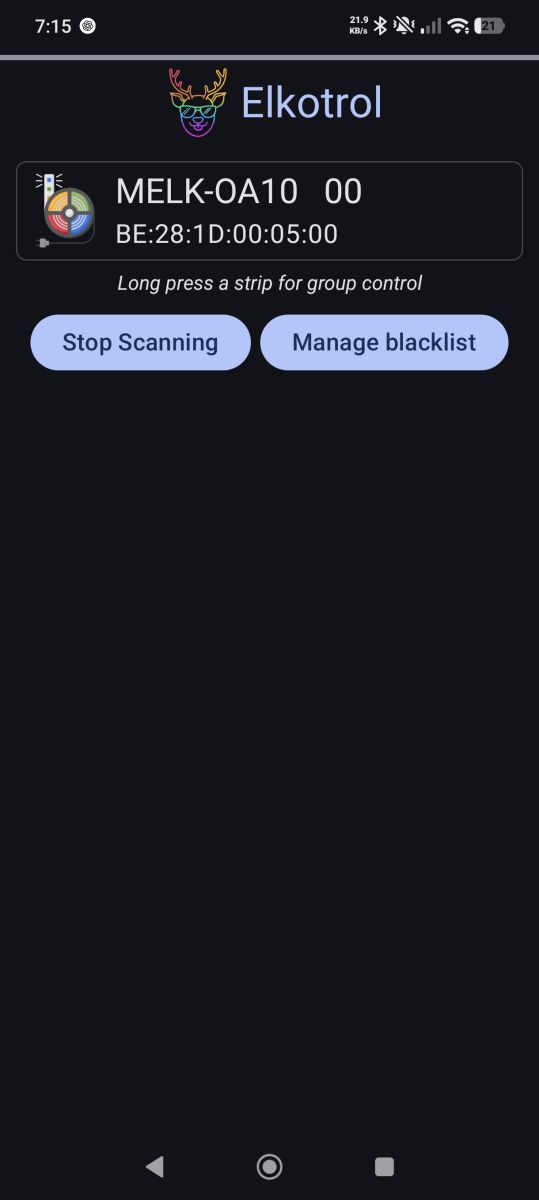
Elkotrol app also picks it up, but no firmware info either
https://play.google.com/store/apps/details?id=com.leet.elkotrol
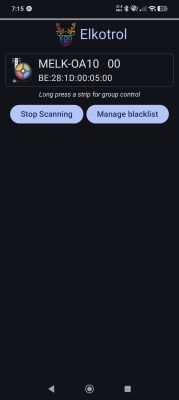
That is interesting because, on BK7231N, the usual hardware SPI MOSI pin is P16. This is the the normal route used by Tuya BK7231N addressable LED firmware, and it is also why OpenBeken addressable LED support on BK7231N is tied to P16. However, P16 is not exposed on the standard CB3S module pads, so a CB3S-based device driving the LED data line from GPIO P9 is worth investigating.
Tecknet TK-WL001
https://www.amazon.co.uk/dp/B0DB29L9KR
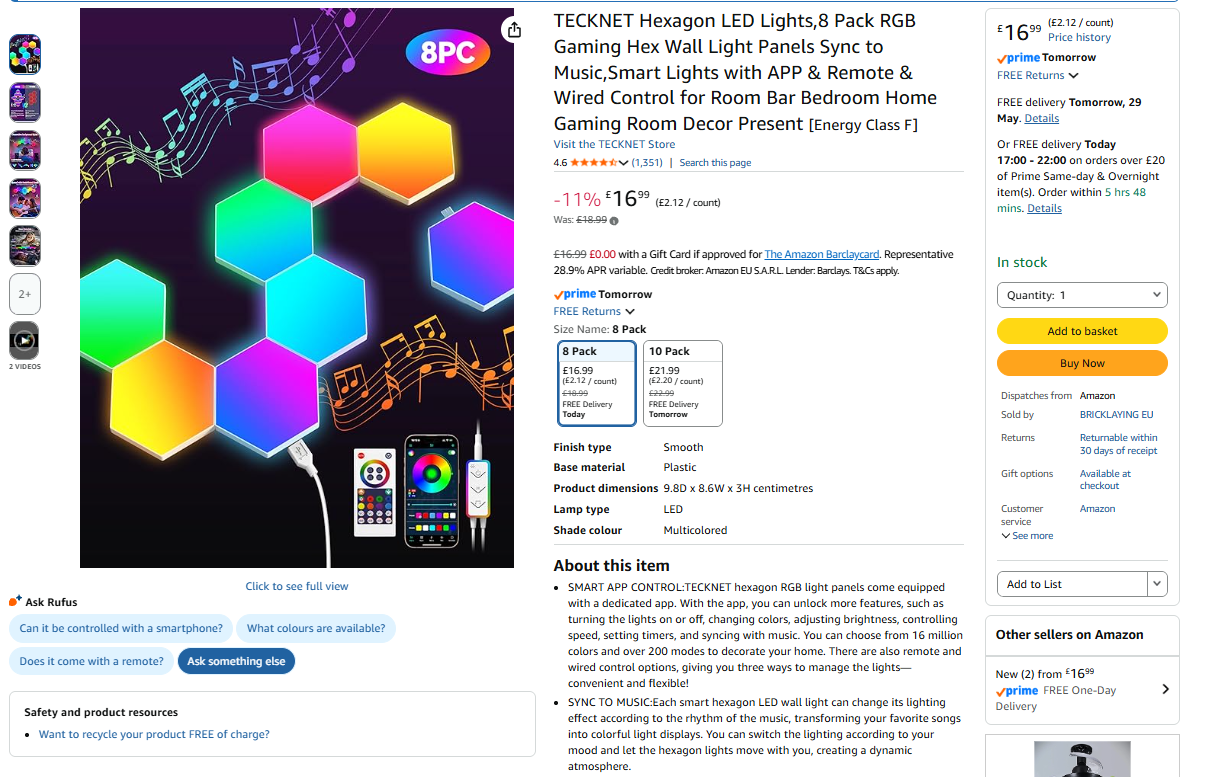
but the price of not paying enough attention to the description, looking for obvious signs it's not a Tuya wifi device, means getting a bluetooth variation - not what I had wanted.
No matter, it can be documented a little before being returned. Here are some photos that may be of interest.
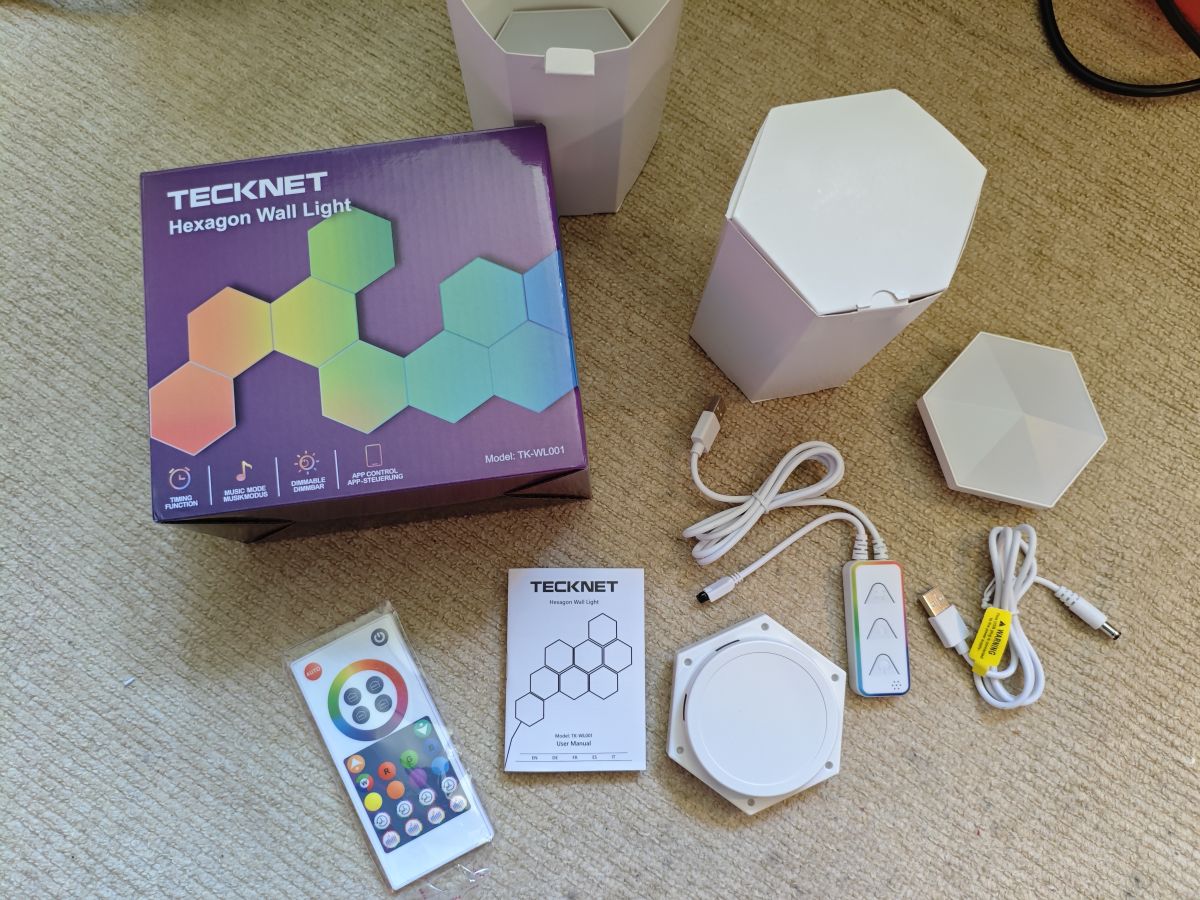
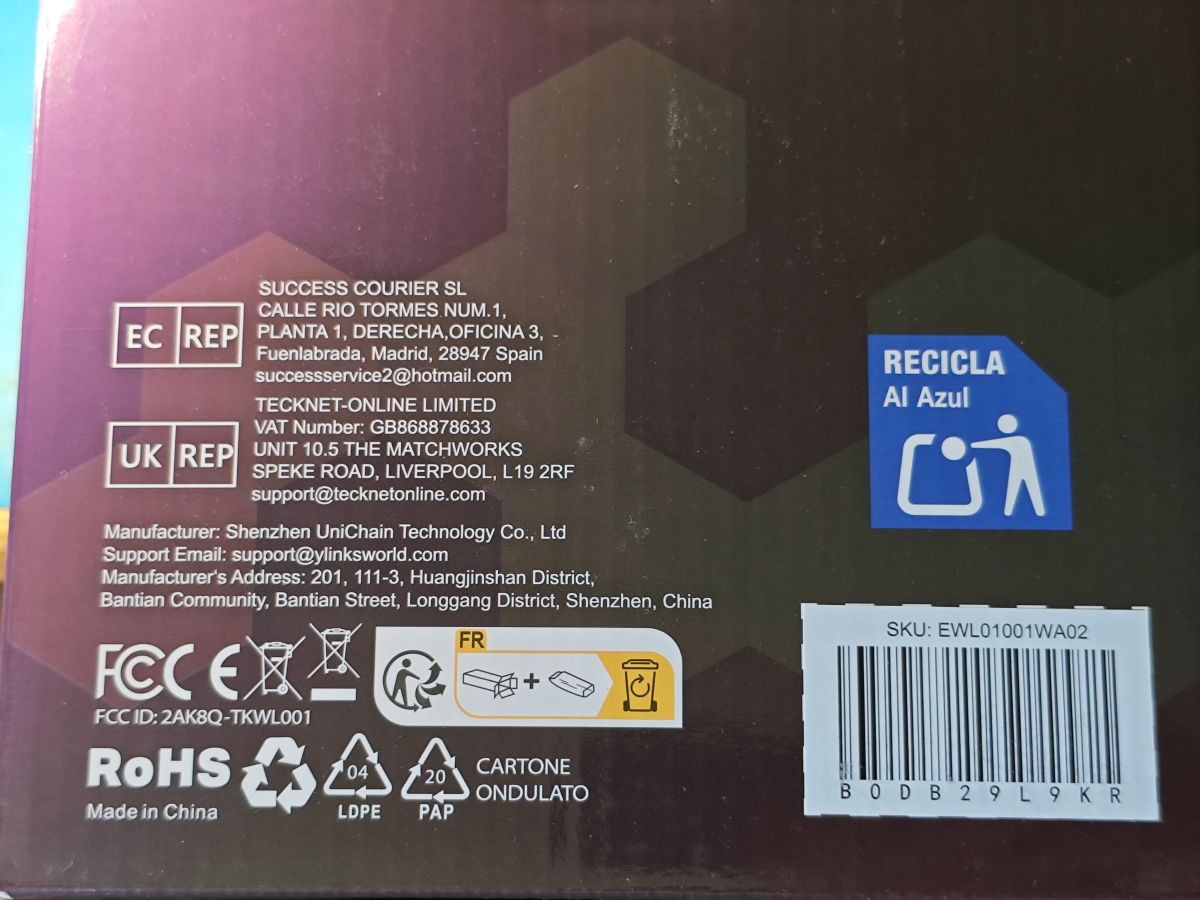
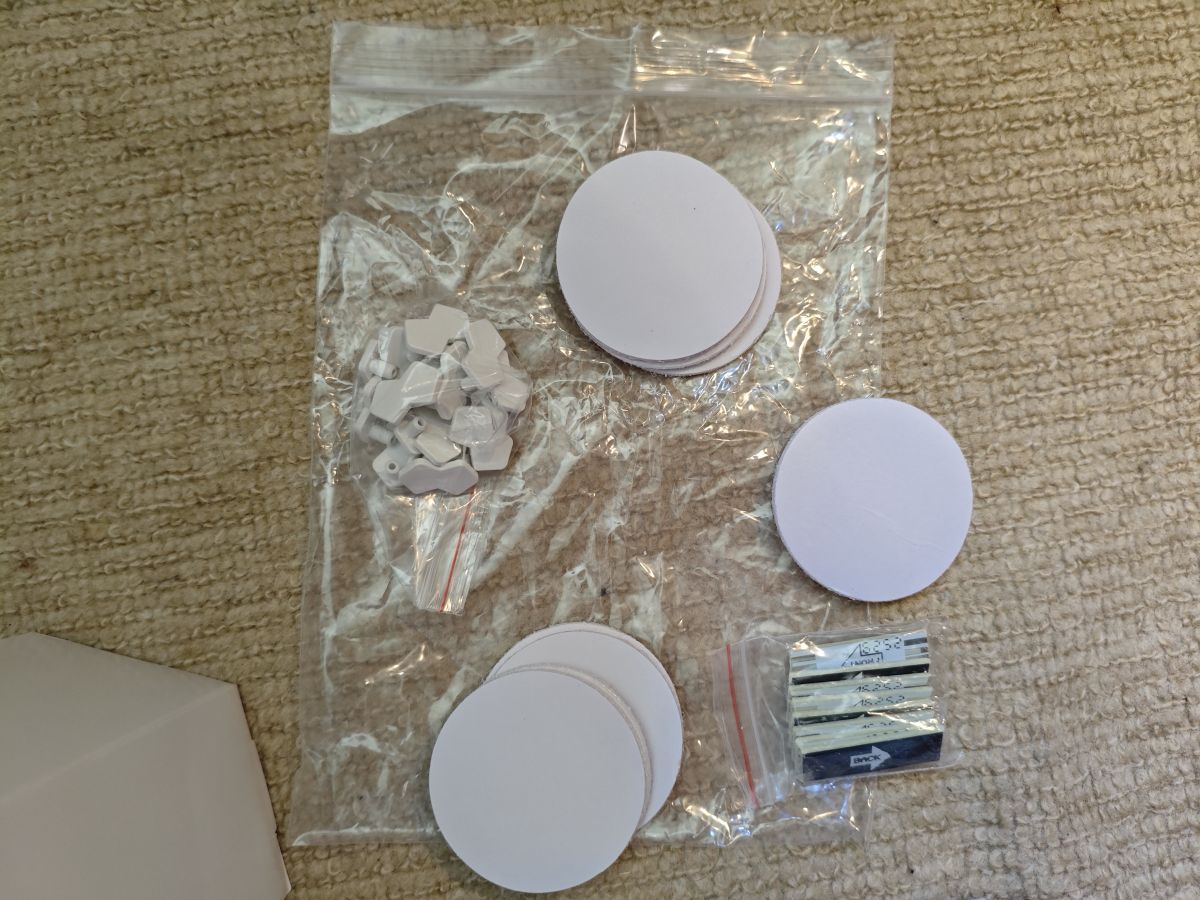
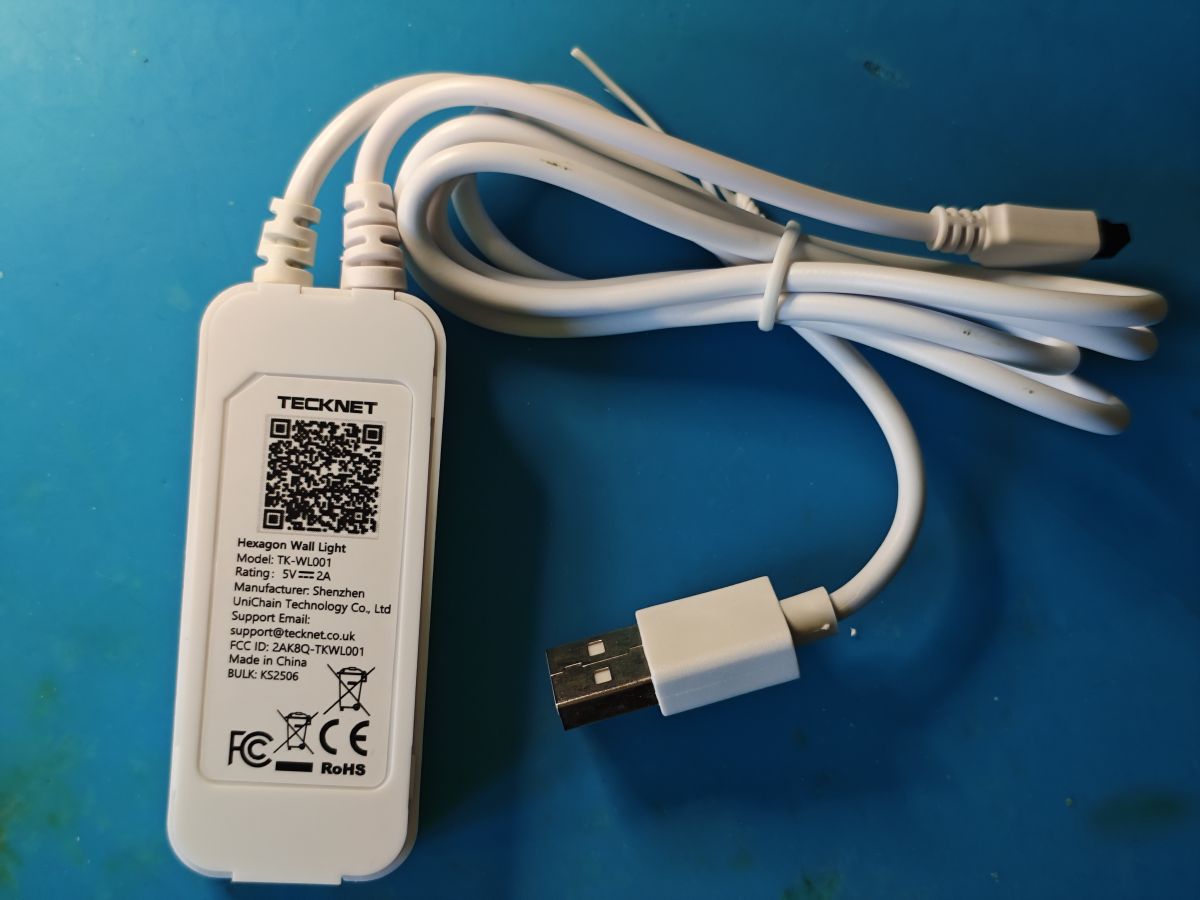
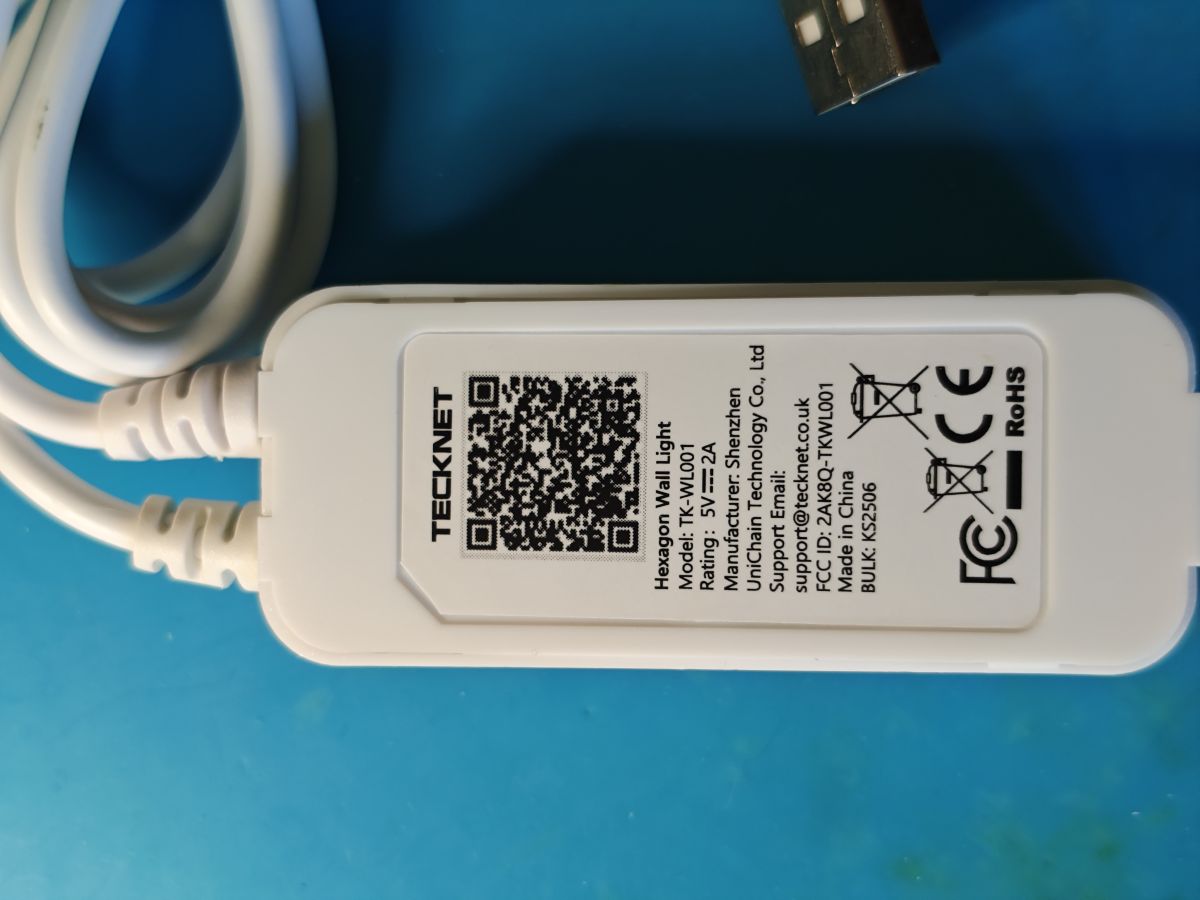
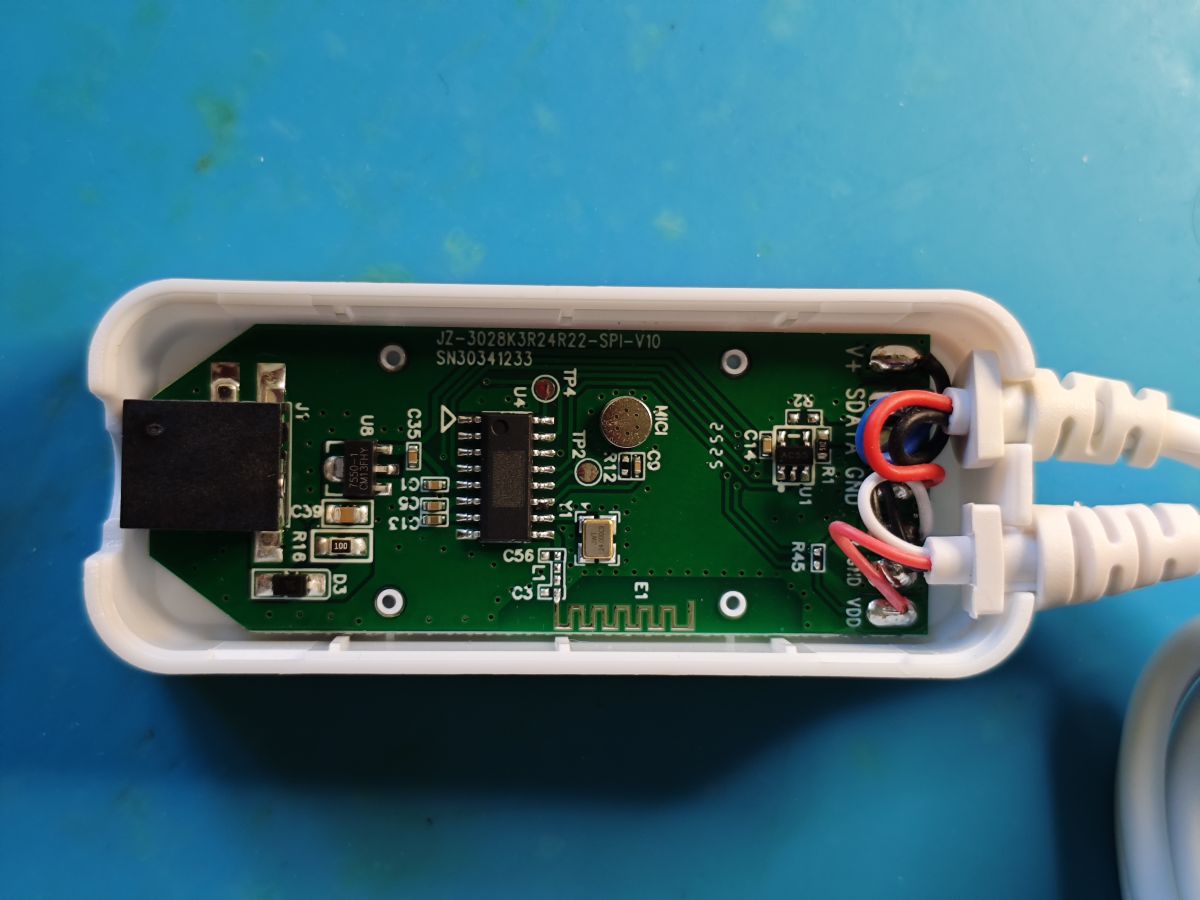
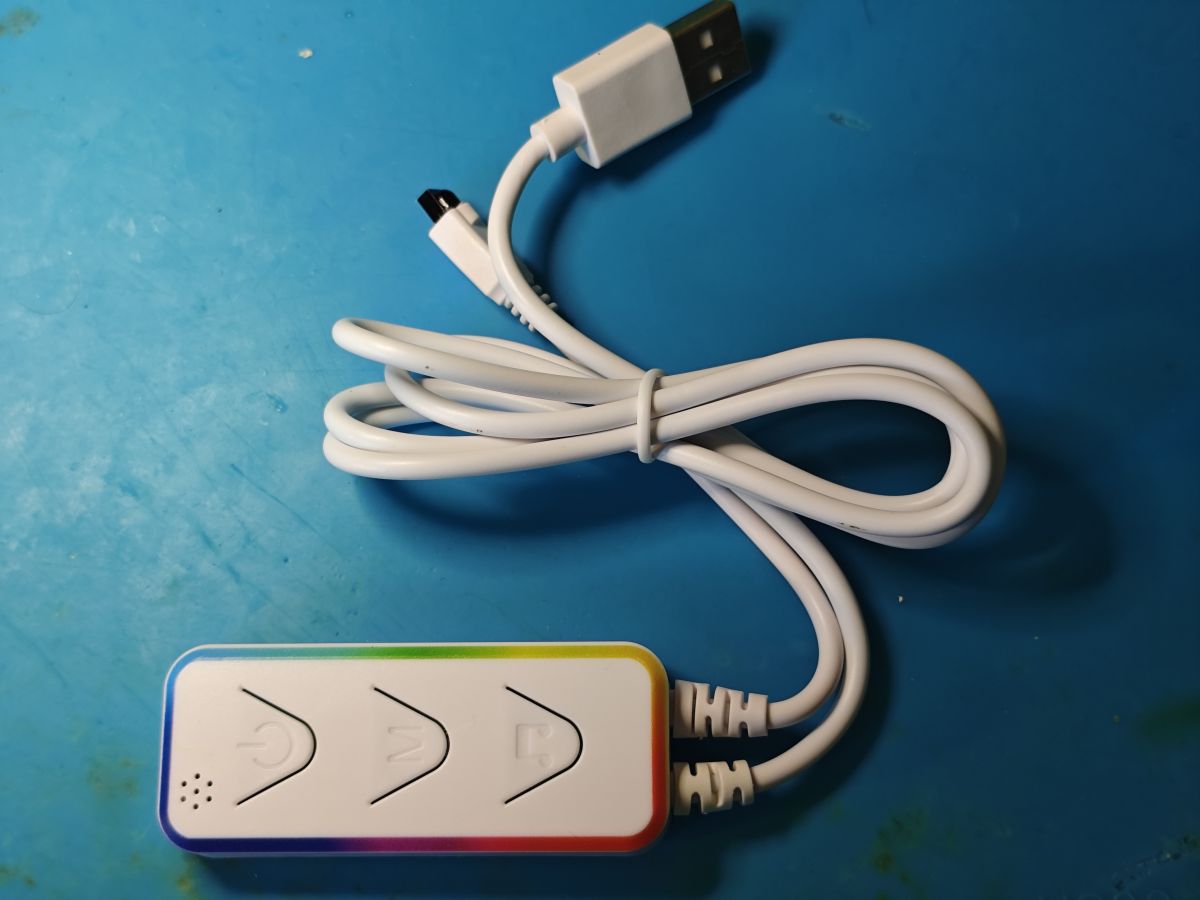
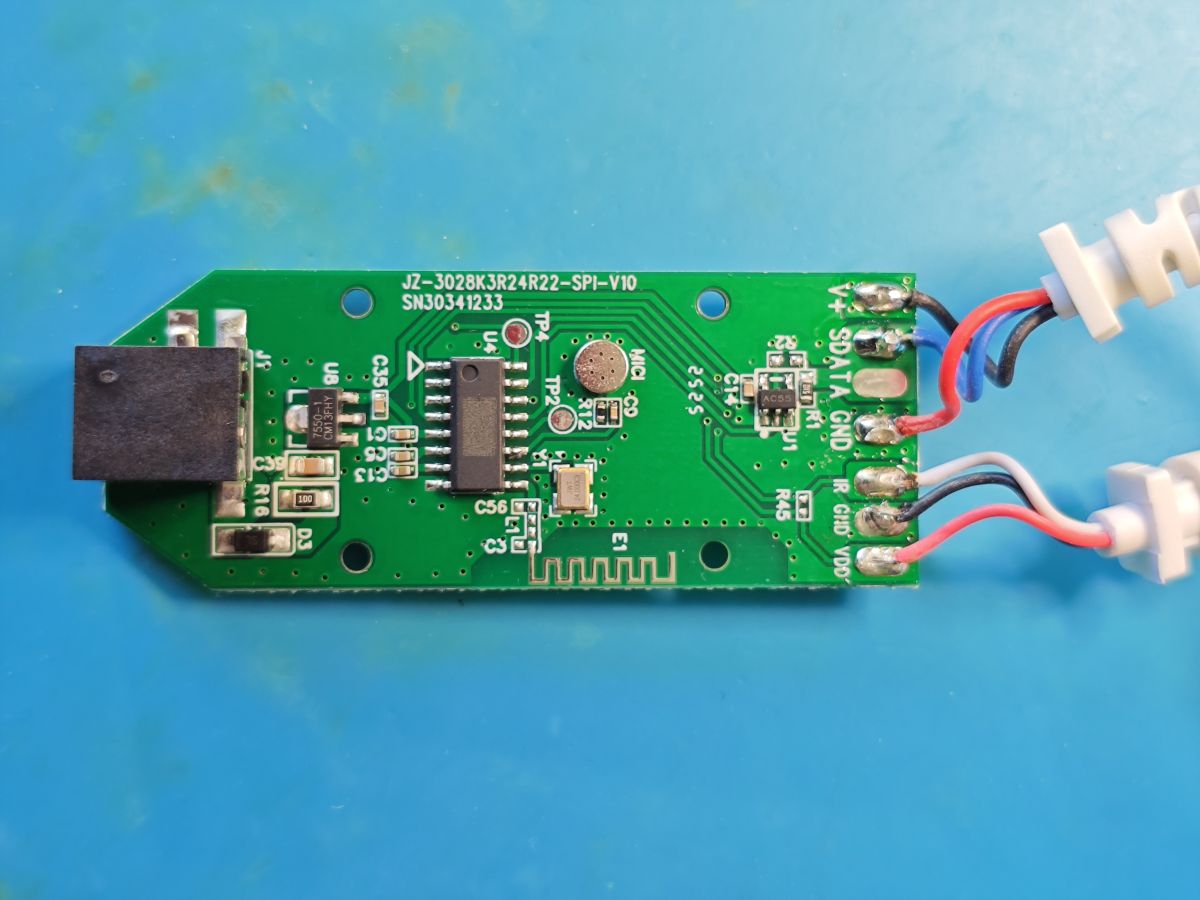
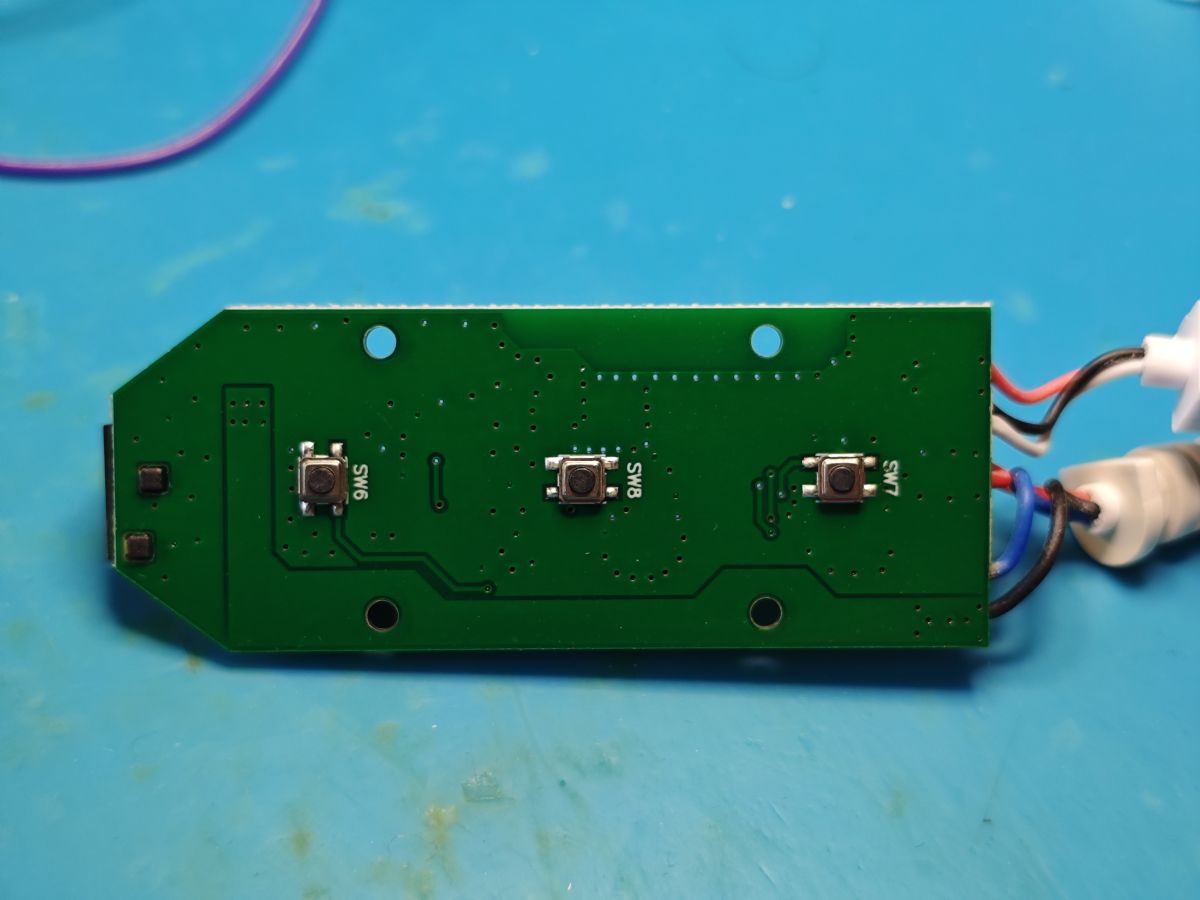
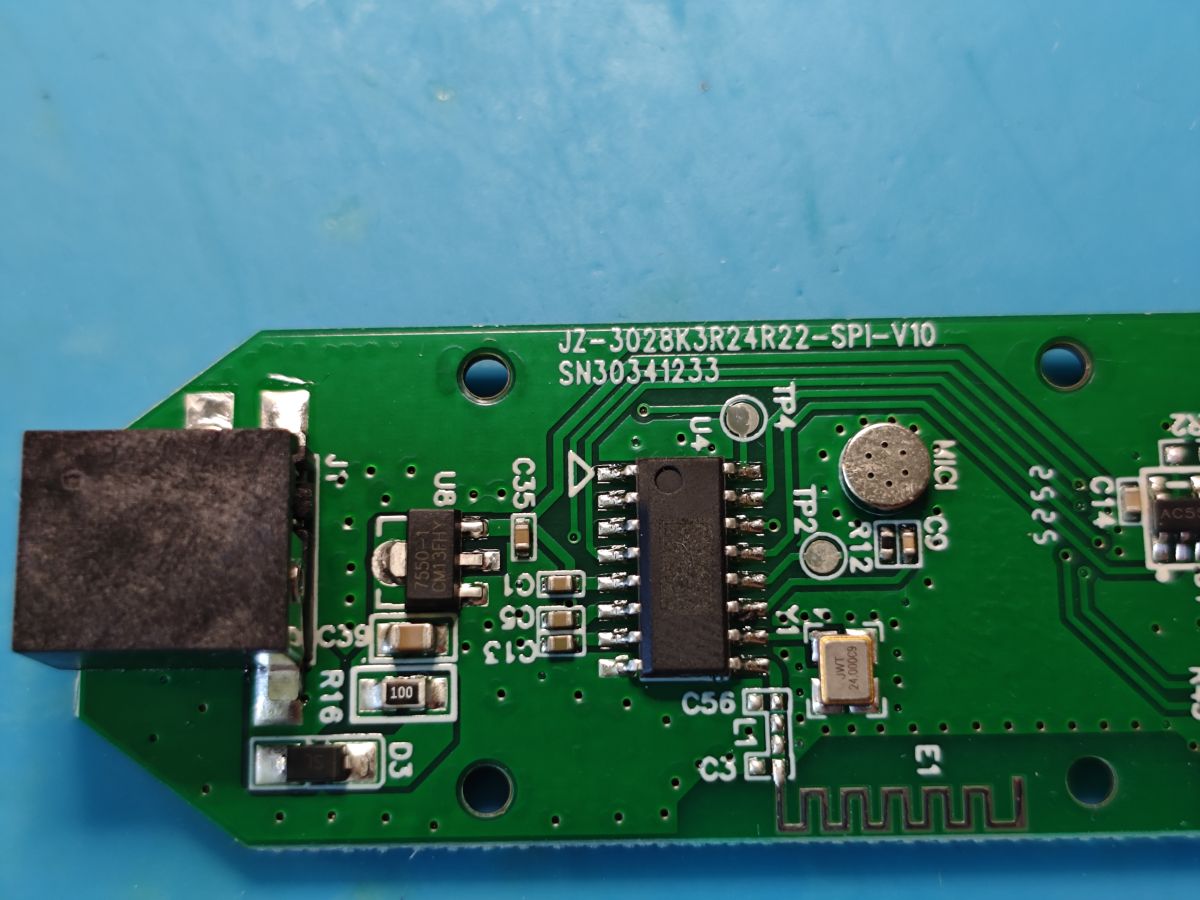
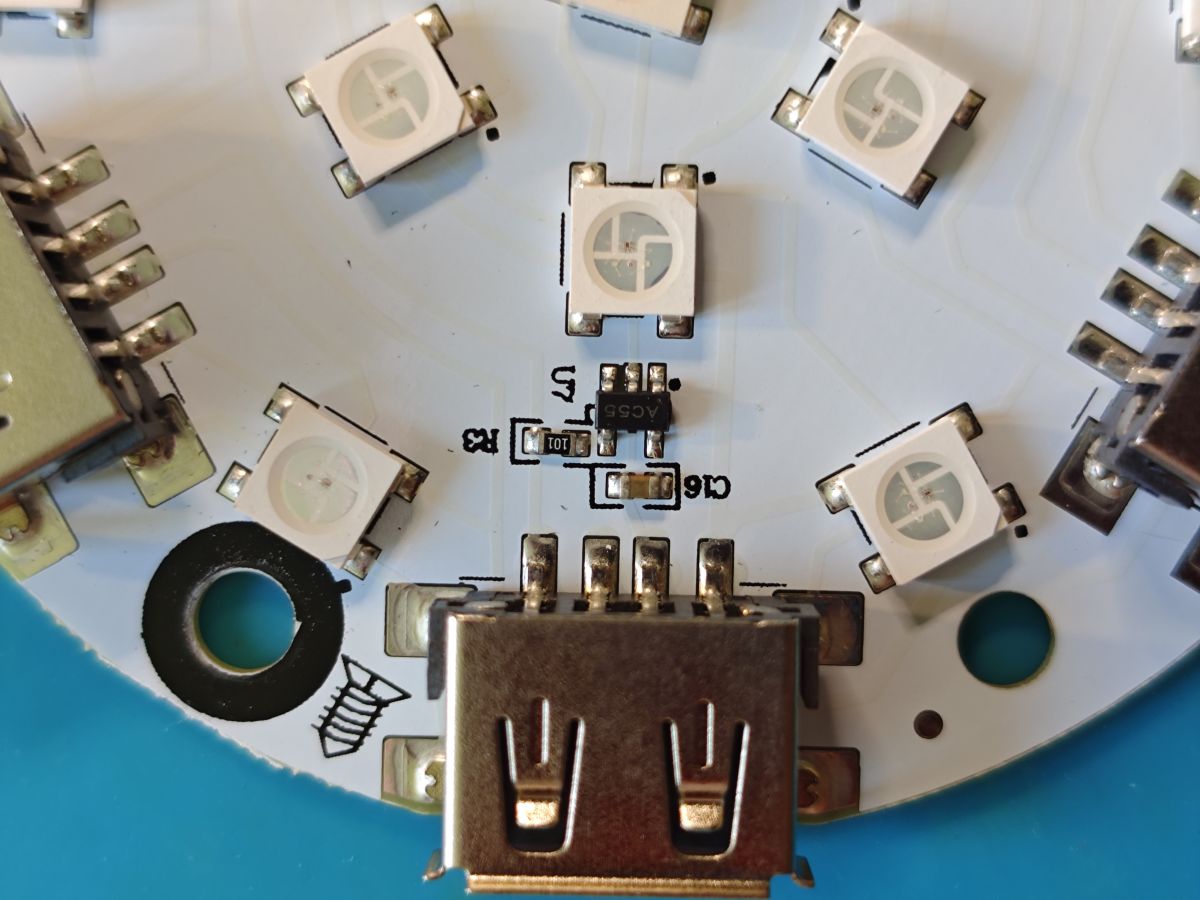
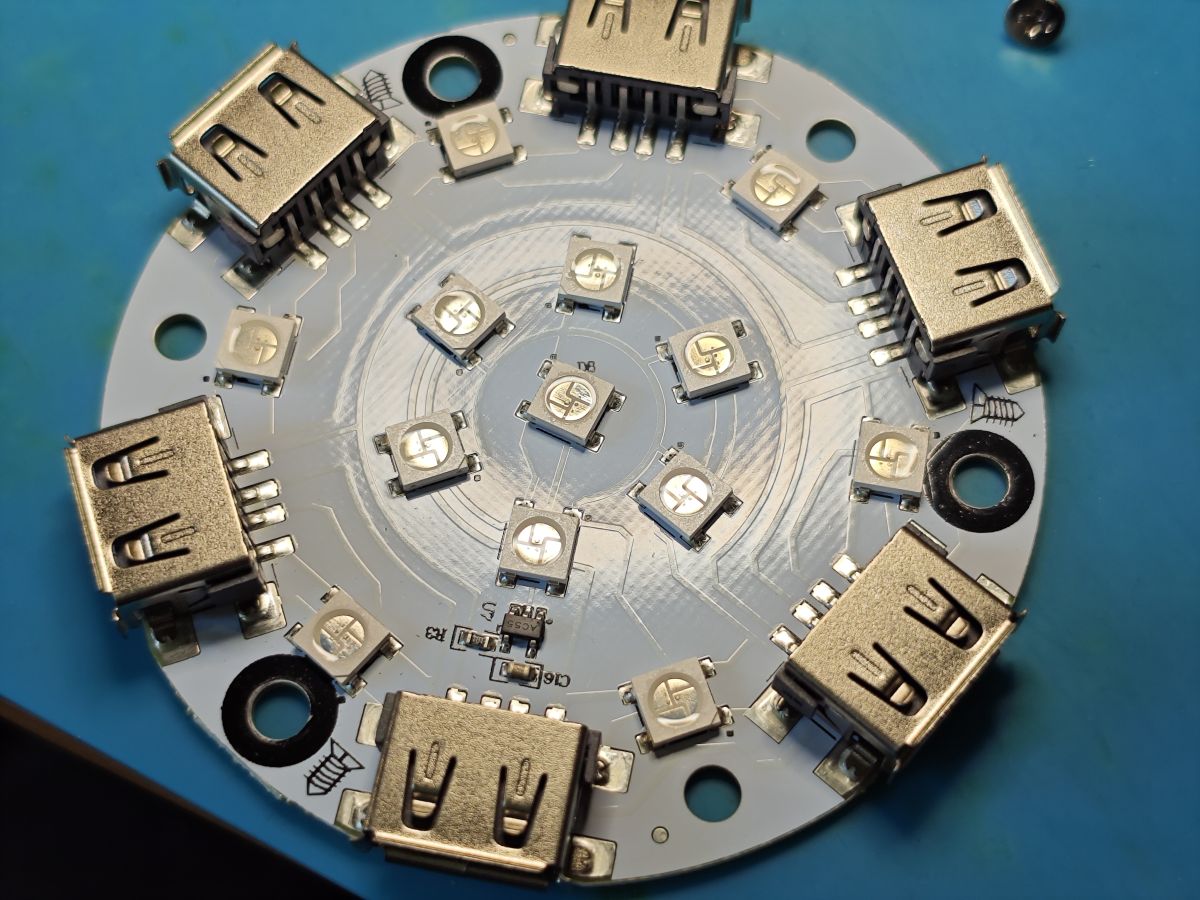
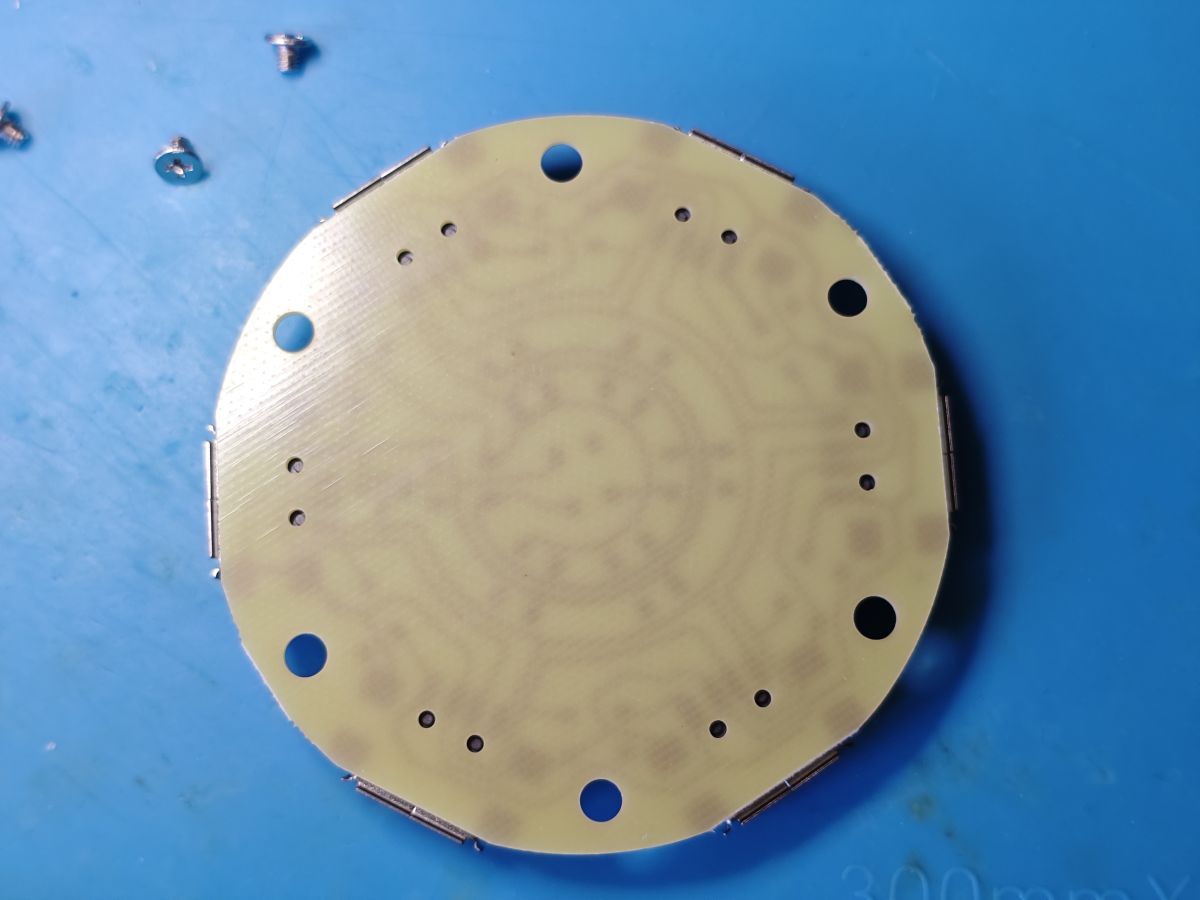
Interesting the bluetooth chip's identity has been lasered off - I wonder why.
PCB marking
JZ-3028K3R24R22-SPI-V10
SN30341233
Maybe it's a Yichip SOP16 MCU and the IO31/ICE pin has a boot log out like the YC1166 here. No, no debug log from any pin.
nRF Connect shows this is broadcast:
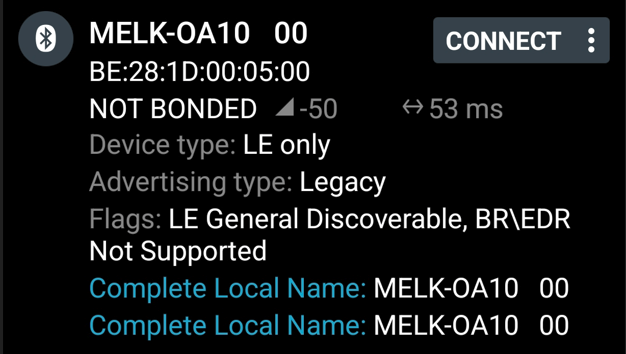
Googling for
MELK-0A10brings up these interesting results:
https://www.reddit.com/r/LedLightStrips/comme...dnt_like_the_suggested_app_for_my_led_strips/
ELK-BLEDOM Integration for Home Assistant
ELK/MELK protocol BLE LED devices are detected as supported by the LED BLE integration, but setup fails
The QR code on the controller sticker takes you to http://www.easytrack.net.cn/download_Mgc/165JINGZEKONGGU which redirects to https://elkapk.adgo.top/AppDownload/download_ad.html?platform=magic_lantern for links to the Magic Lantern app
No area to show firmware version
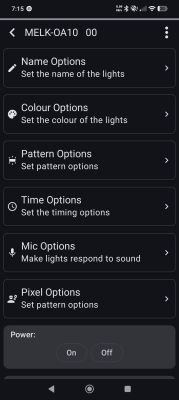
Elkotrol app also picks it up, but no firmware info either
https://play.google.com/store/apps/details?id=com.leet.elkotrol