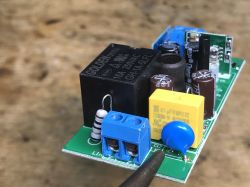
Today I will present another Moes Smart Switch single relay module, this time distinguished by the fact that it additionally offers energy measurement. I will analyze its interior (main PCB and modules: WiFi and energy measurement) and show how to change its firmware so that it can be released from the manufacturer's cloud. Finally, I will provide a full product template, this time fully automatically exported from the Tuya configuration in JSON format.
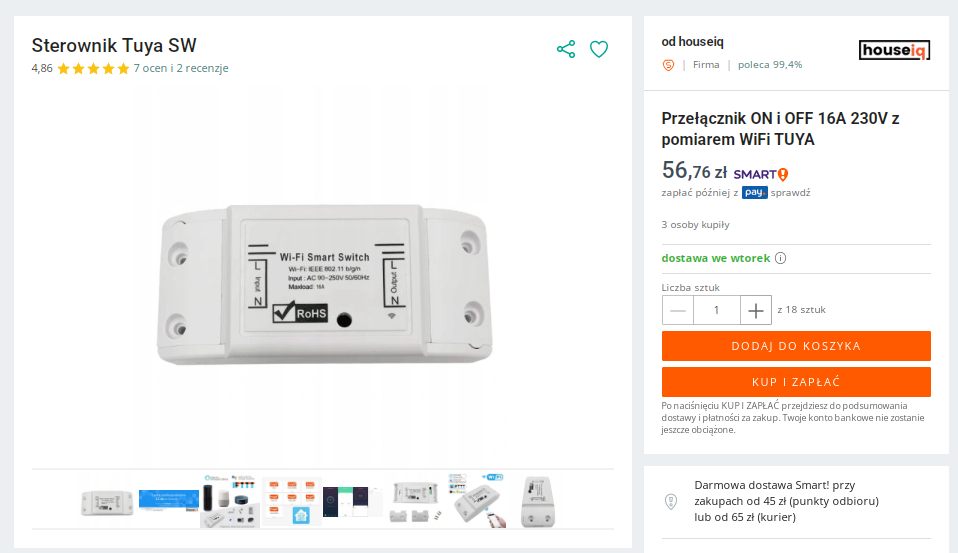
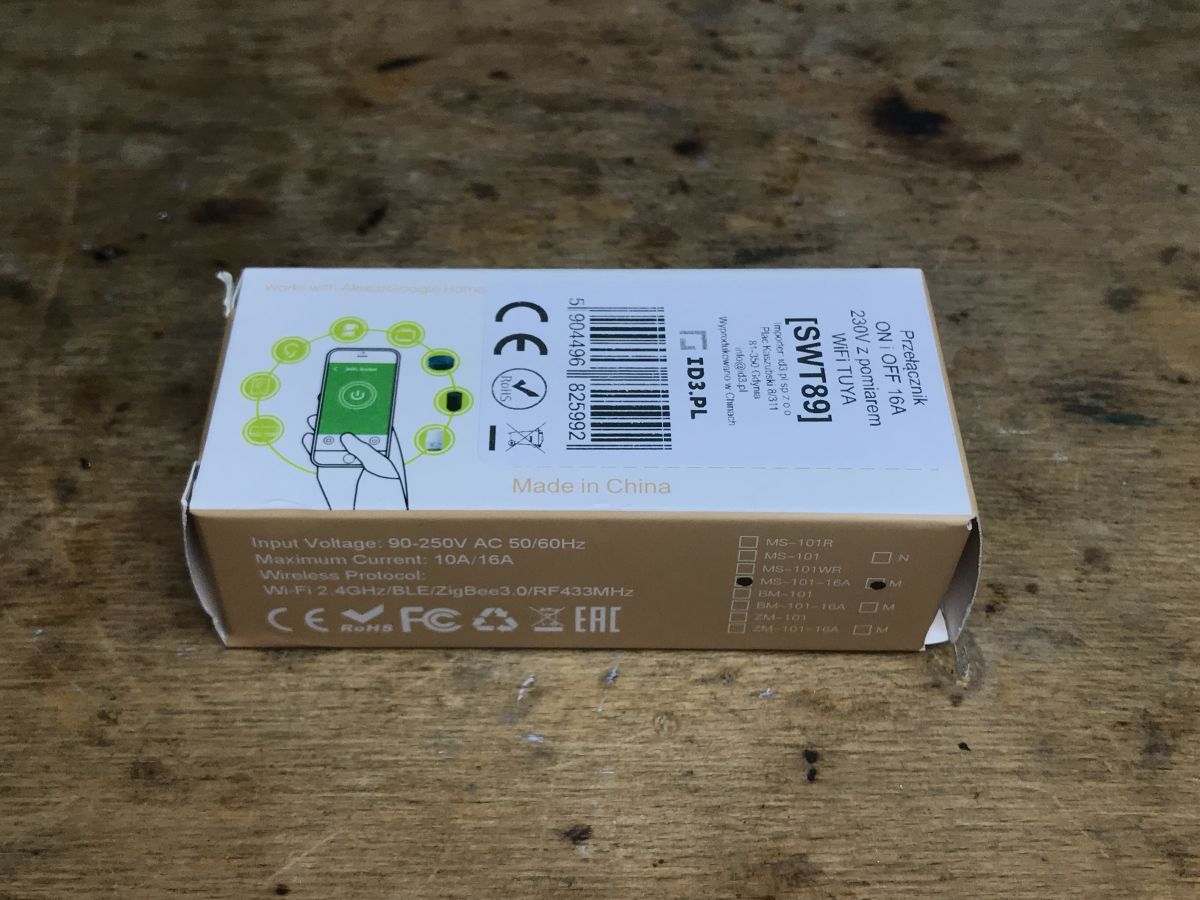
Purchase, packaging, kit content MS-101 was purchased from the Polish shipping service:
Initially, the name was SW SWT89, now it's just SW.
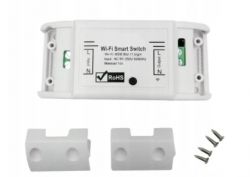
parameters:
Quote:
Power supply: 90-250V AC (50/60Hz)
Maximum current: 16A
Maximum load: 3520W
Dimensions: 88x38x22mm
White color
Operating humidity: 5-95%
WiFi frequency: 2.4 GHz (does not work with 5 GHz)
Working temperature: -20 -75 degrees
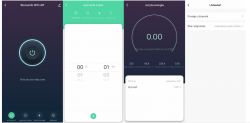
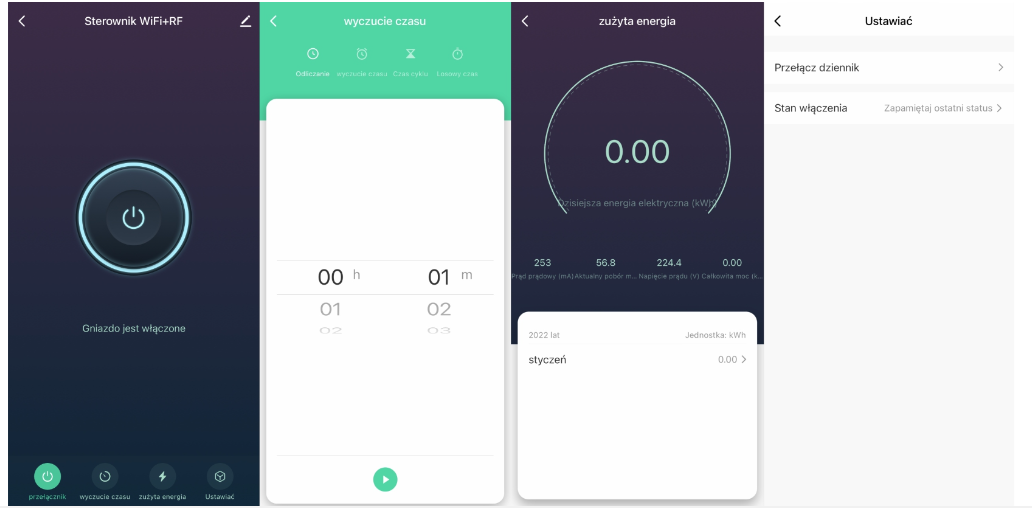
This is how it looks in the manufacturer's application, which I have not tested:
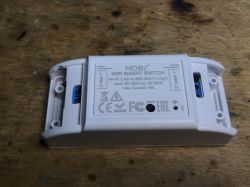
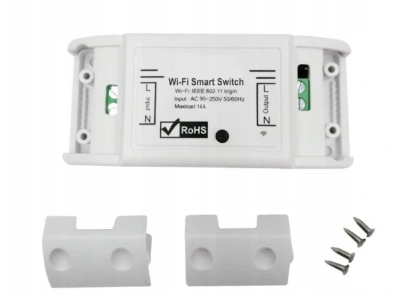
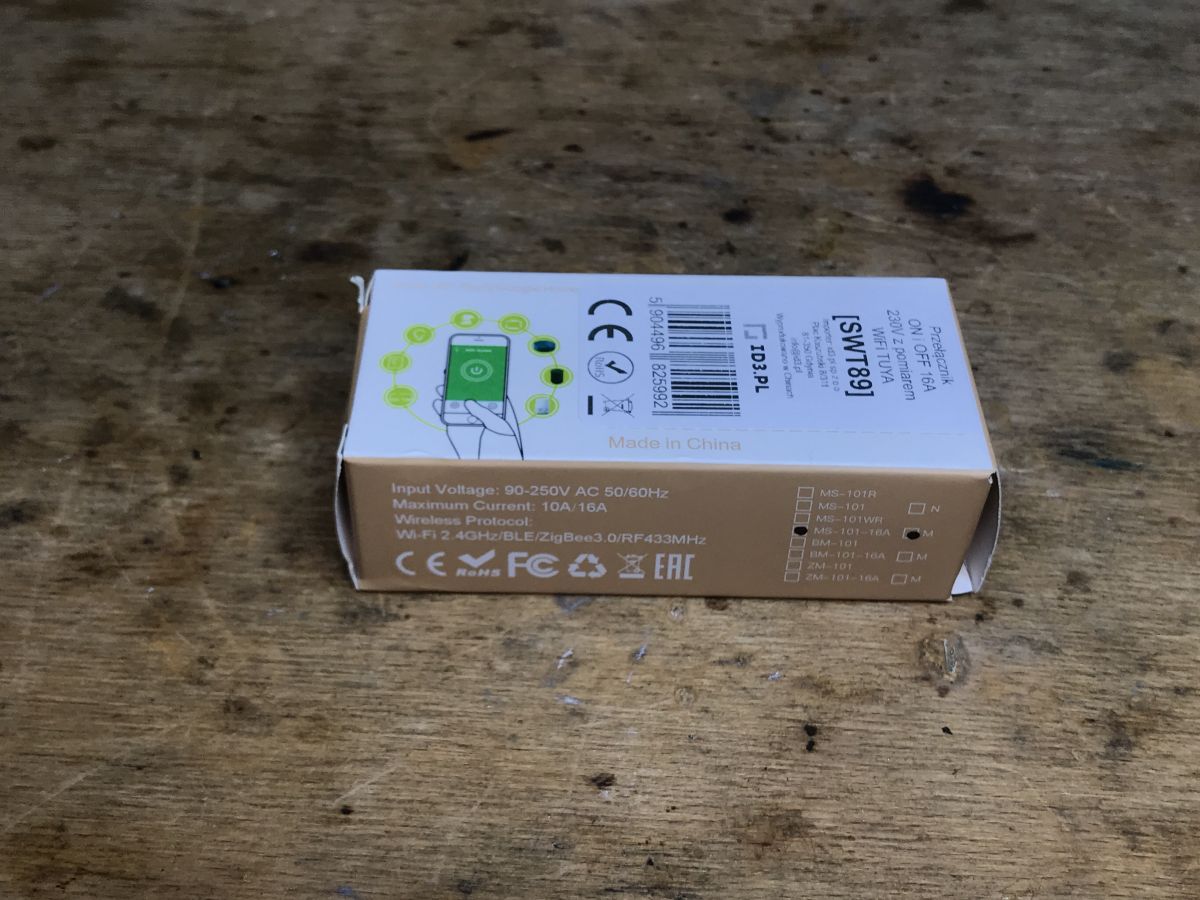
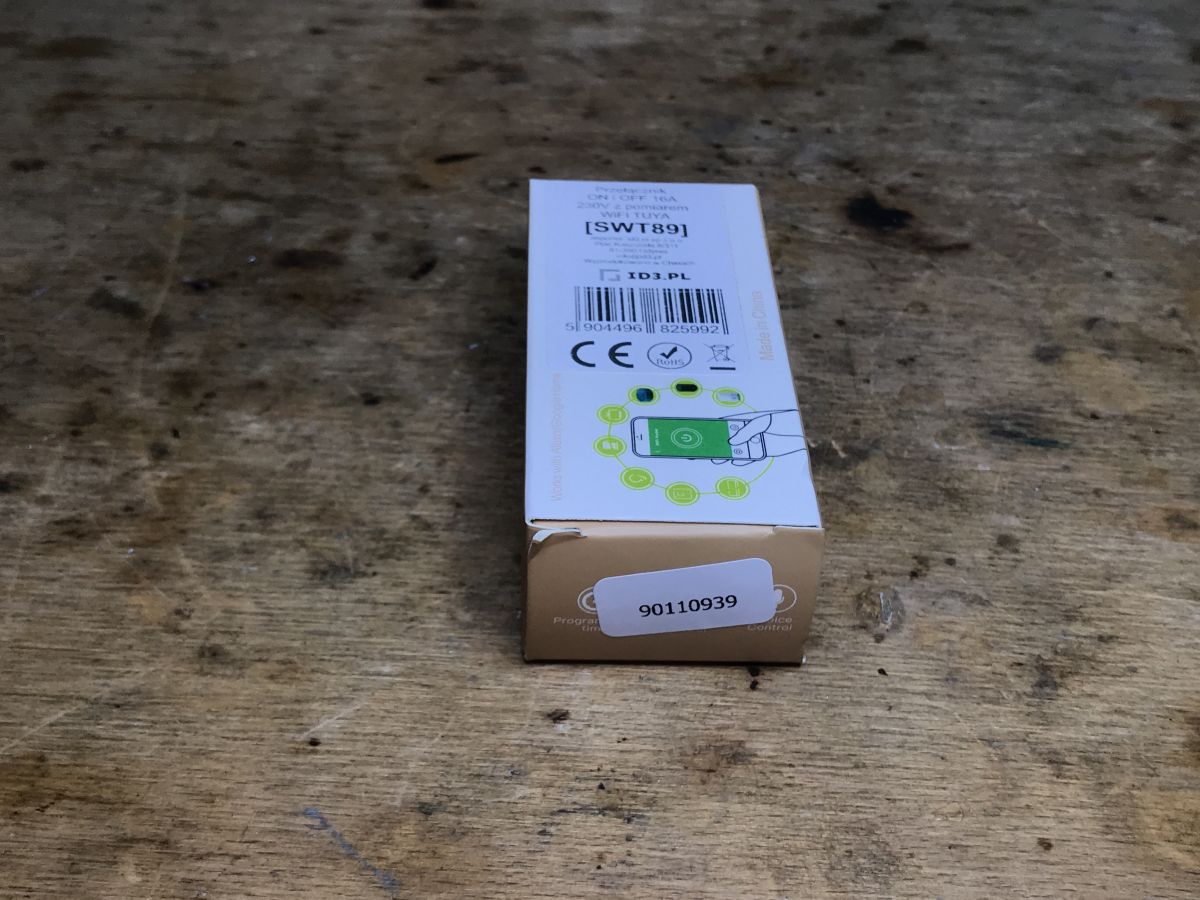
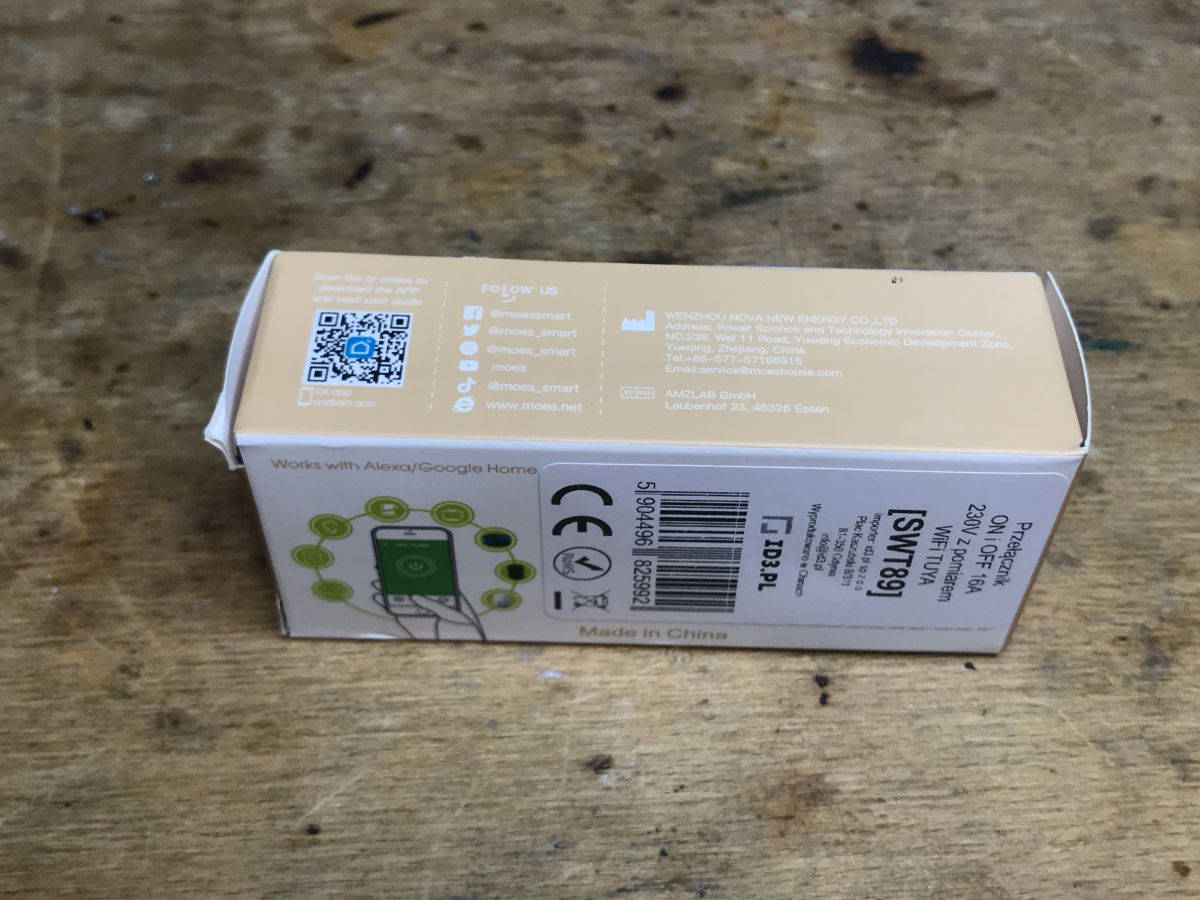
Actual Packing:
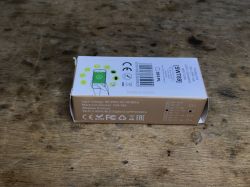
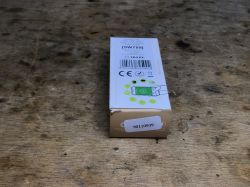
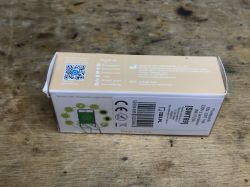
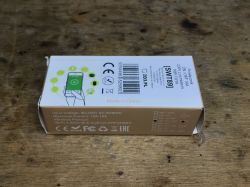
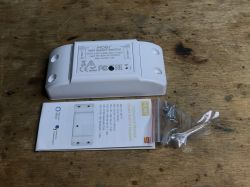
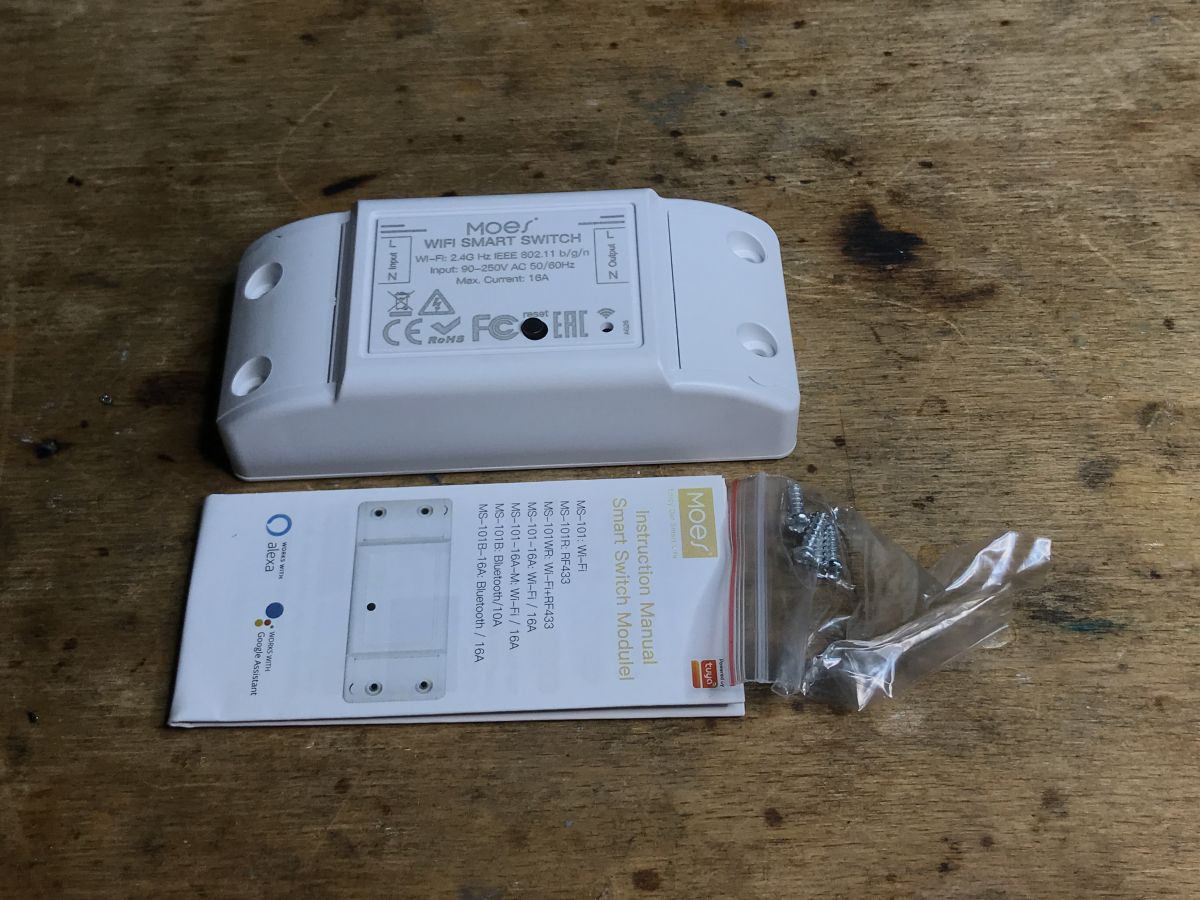
Kit Contents:
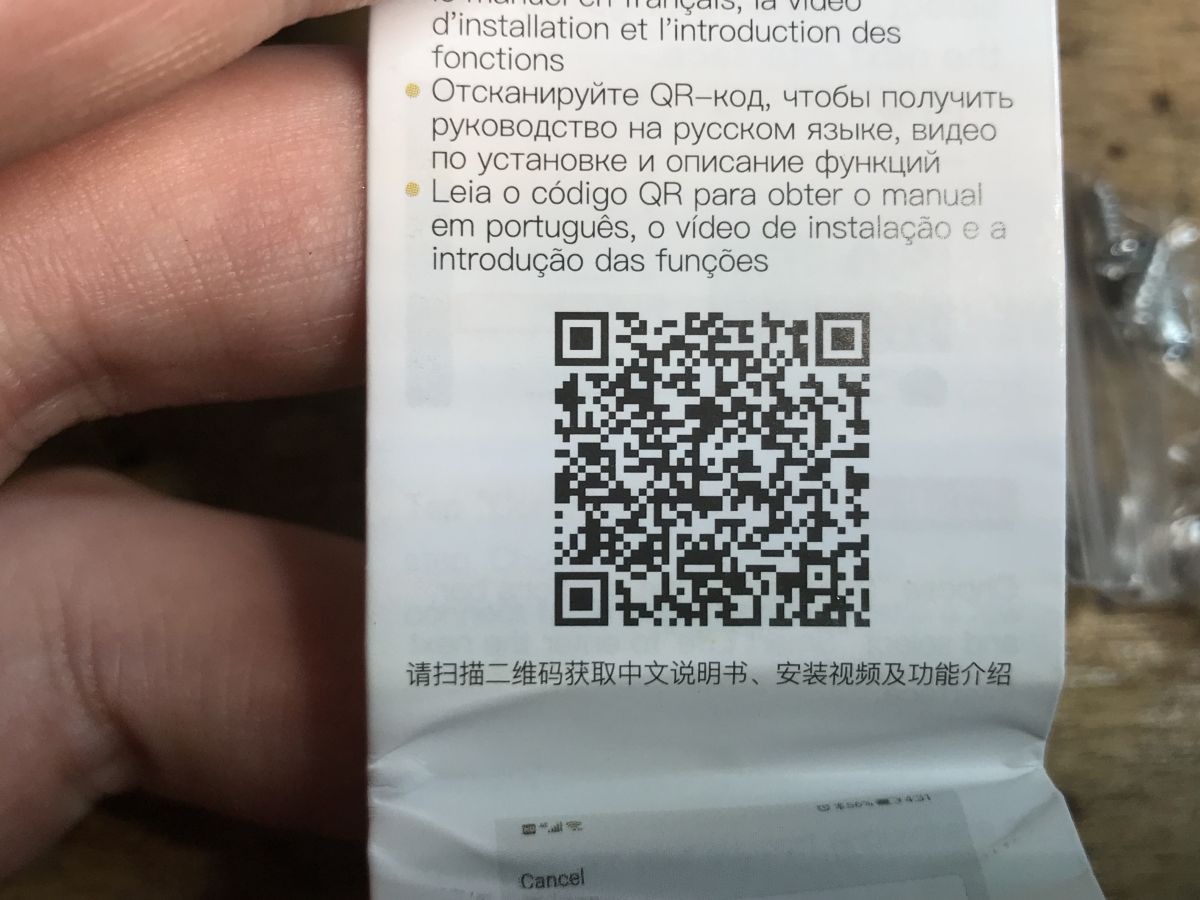
QR code for the manual:
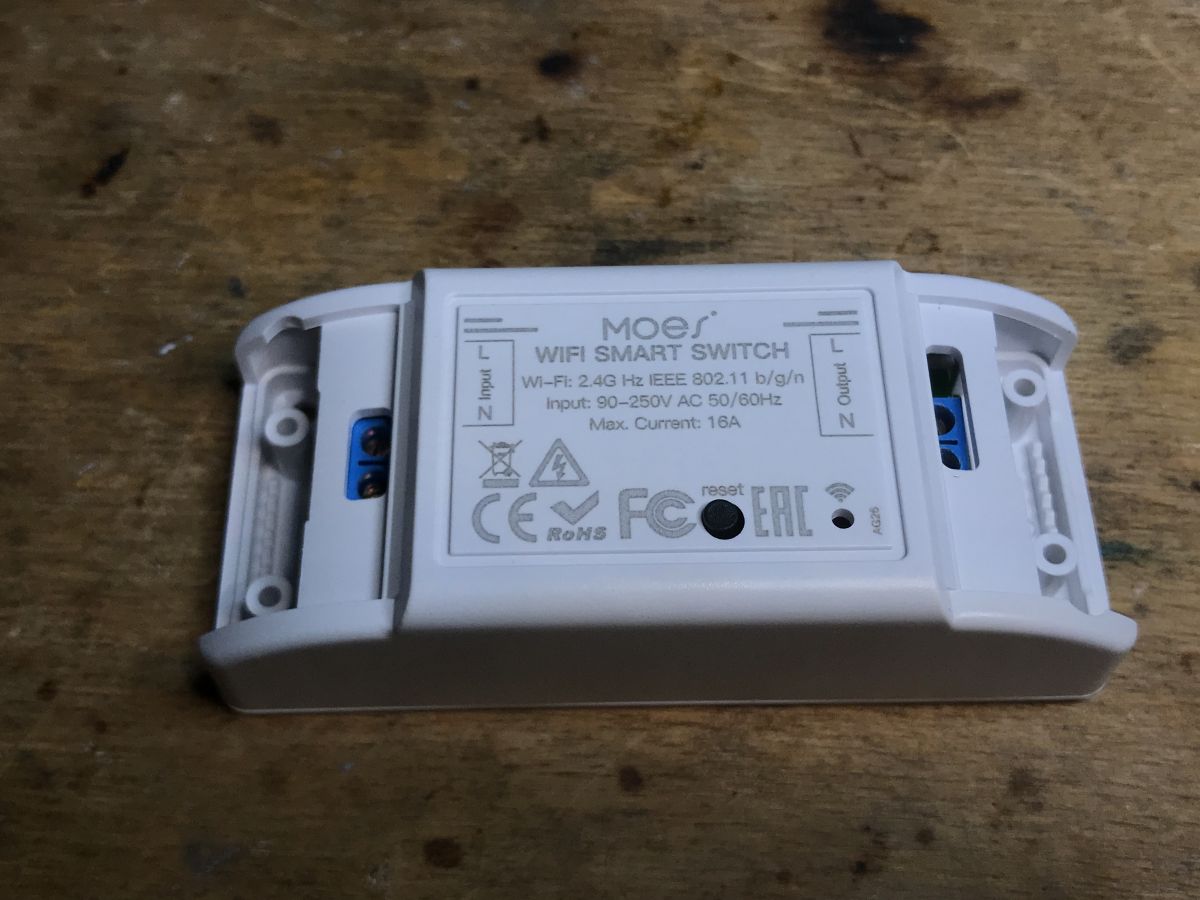
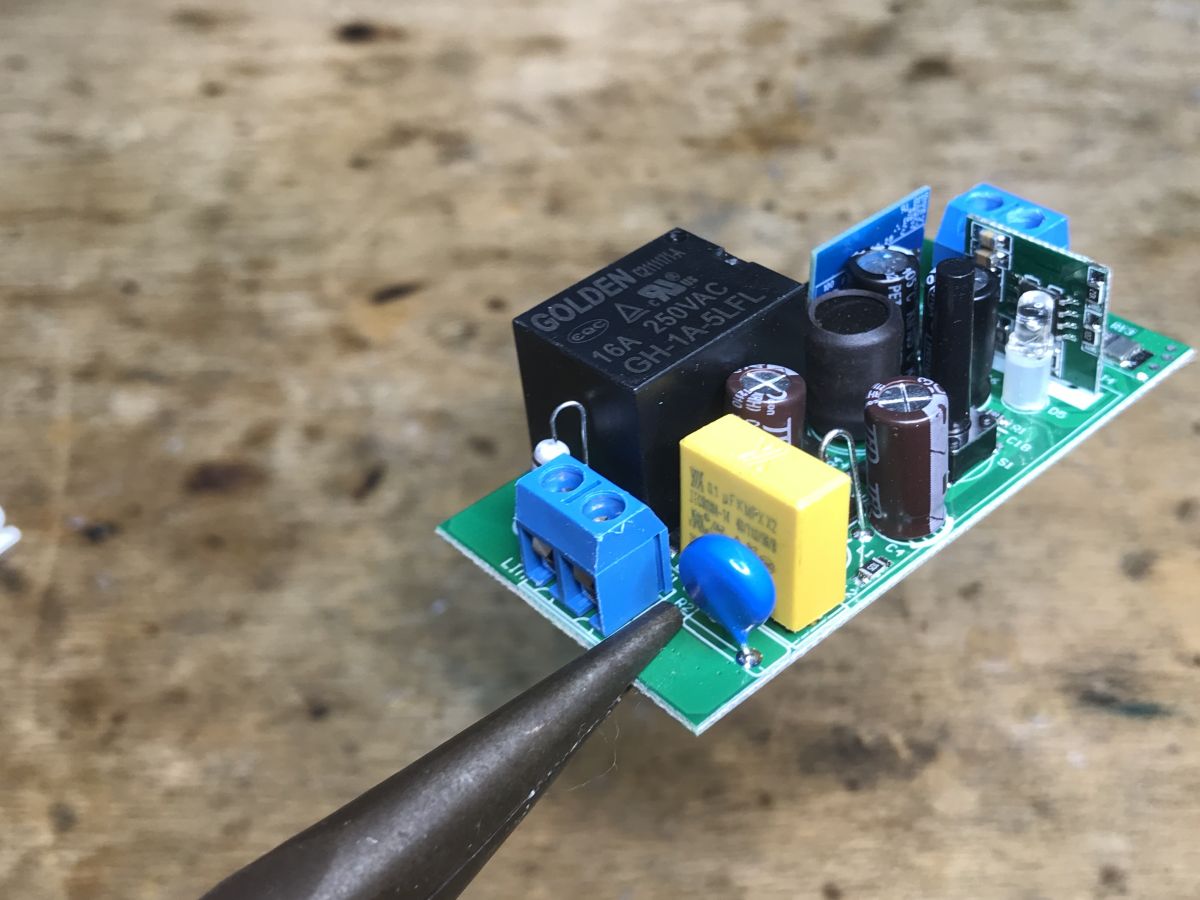
 Interior of the MS-101
 As with other products of this type in this case, all you have to do is pry:
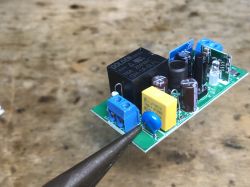
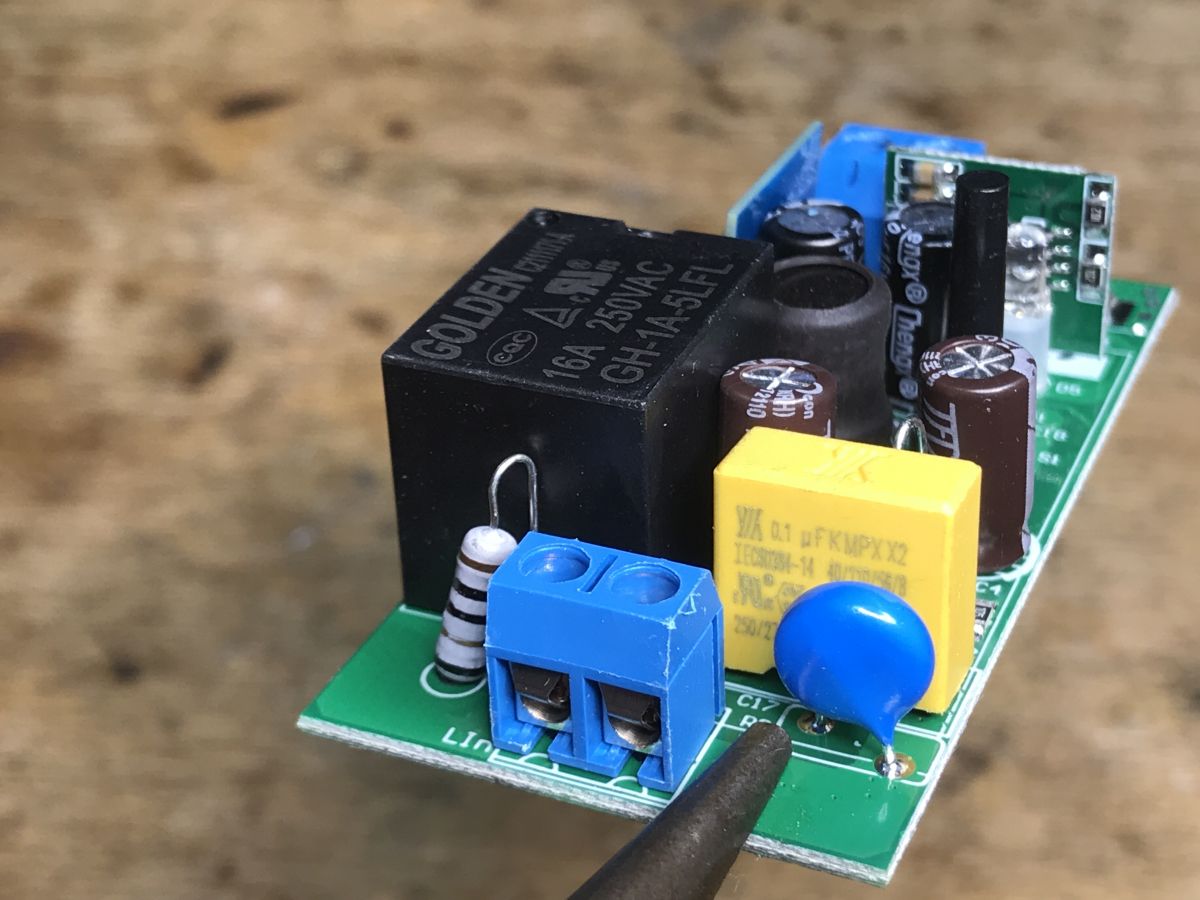
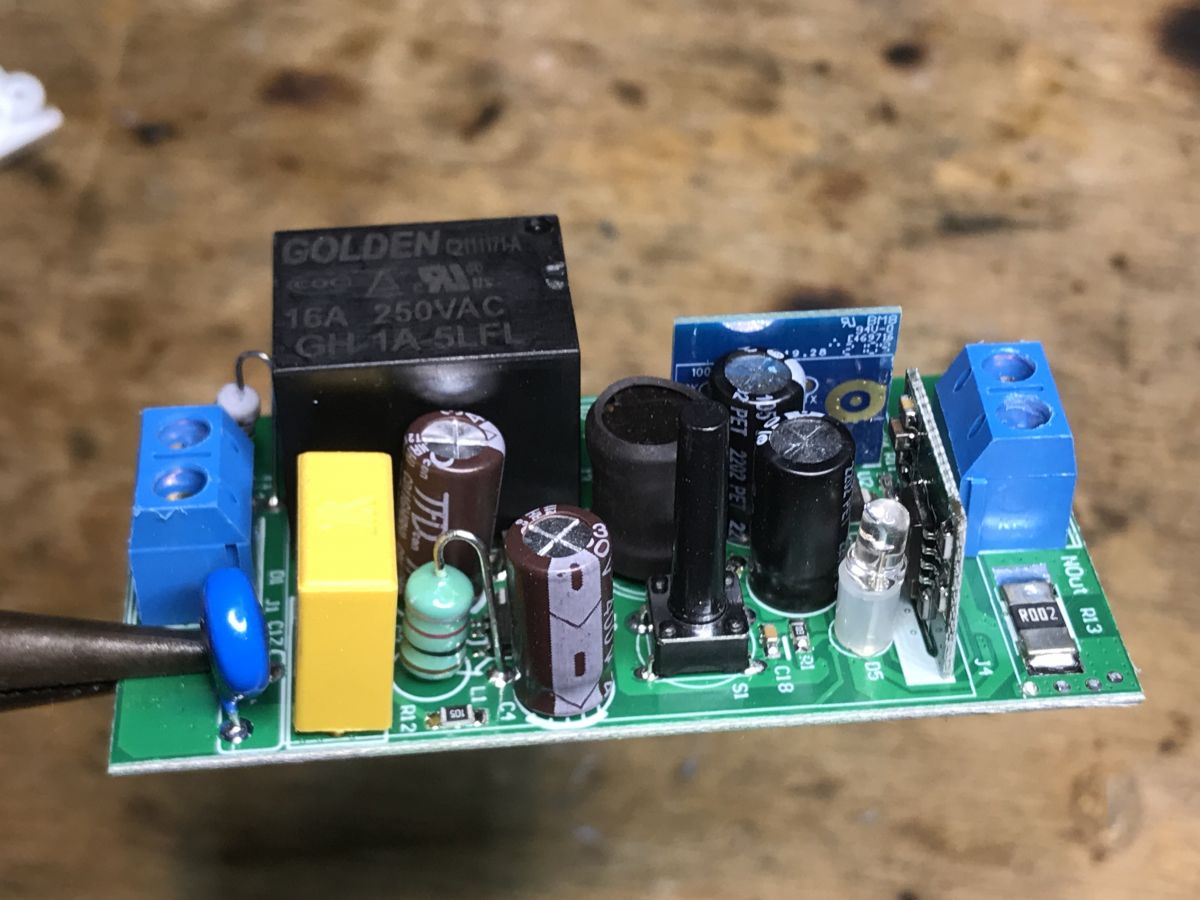
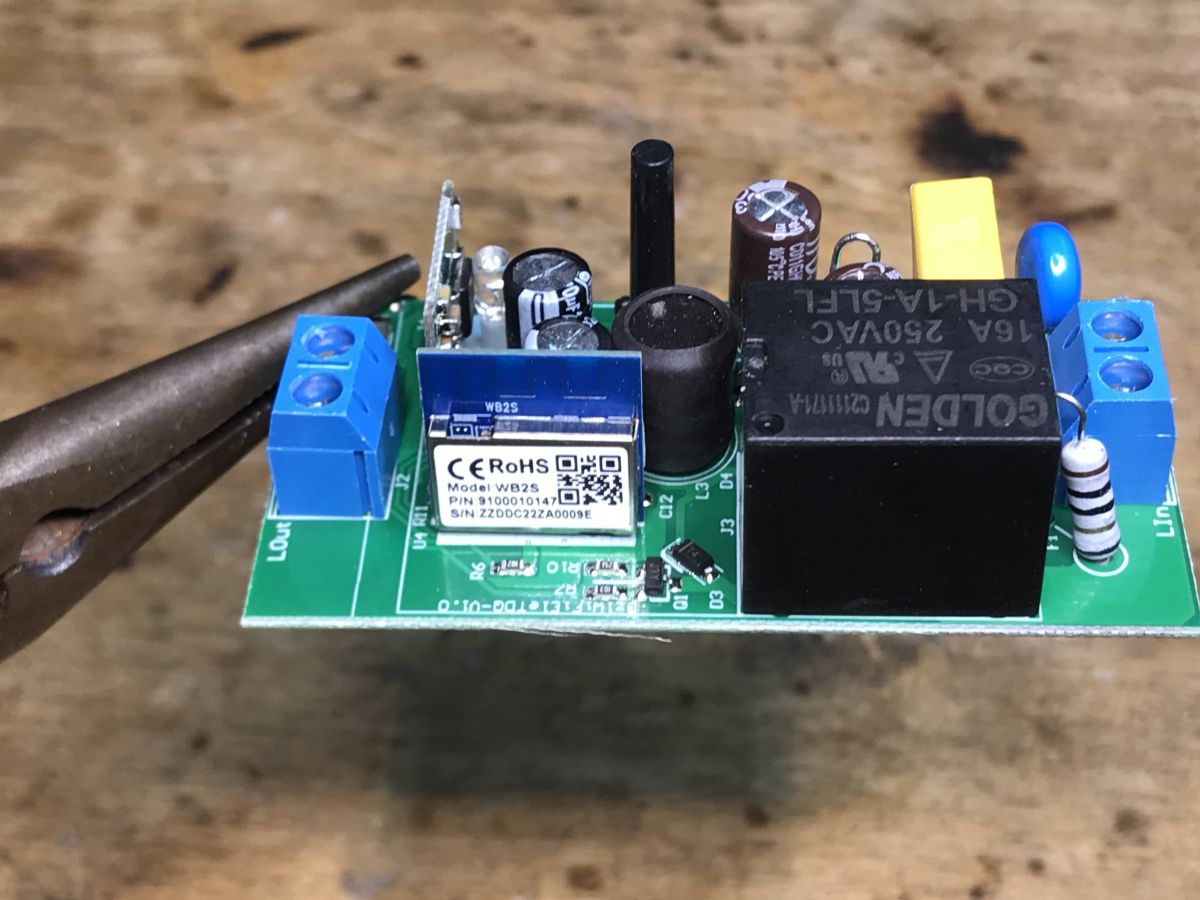
Immediately inside a positive surprise. Varistor? Or even the X2 capacitor? Many manufacturers do not care a bit about such things, I met such relays only with a fuse resistor ... it is better than usual.
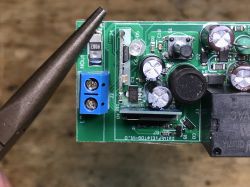
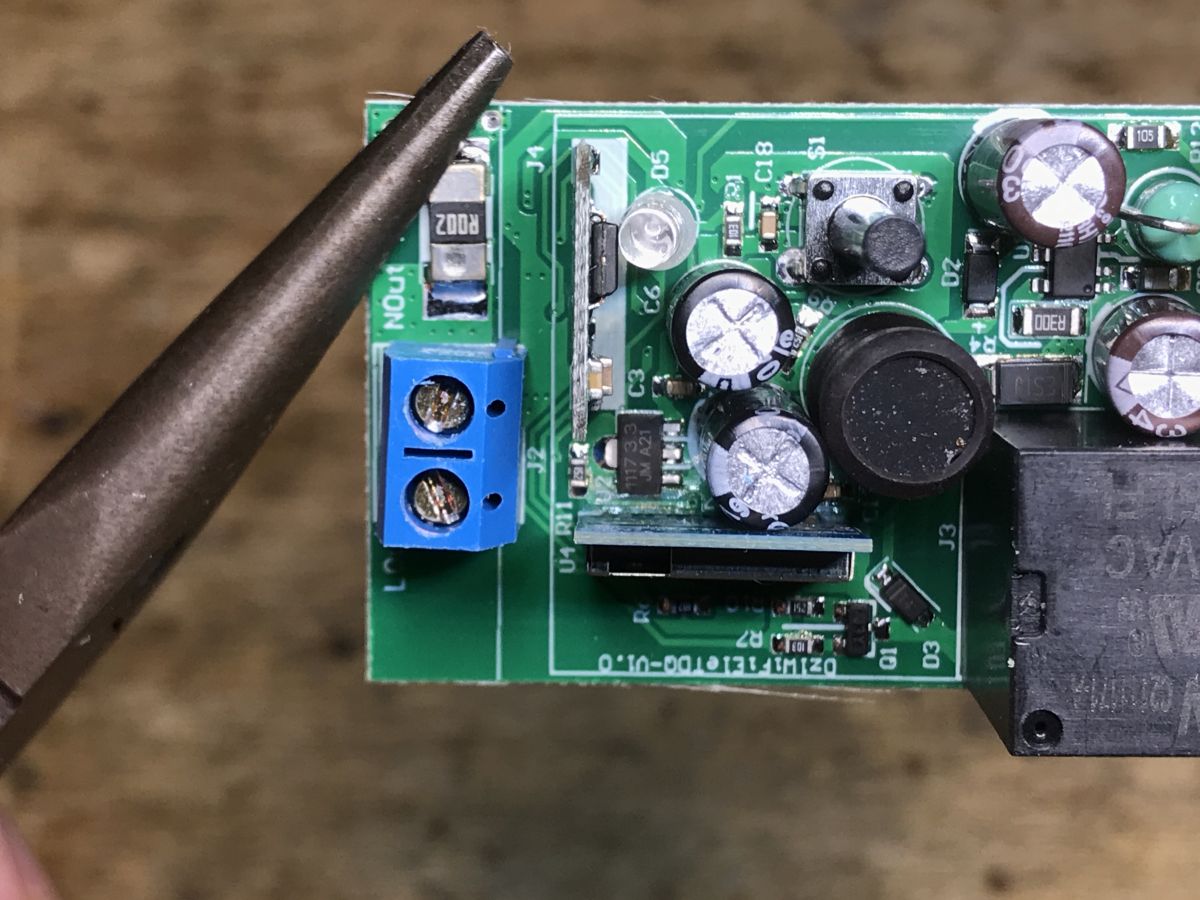
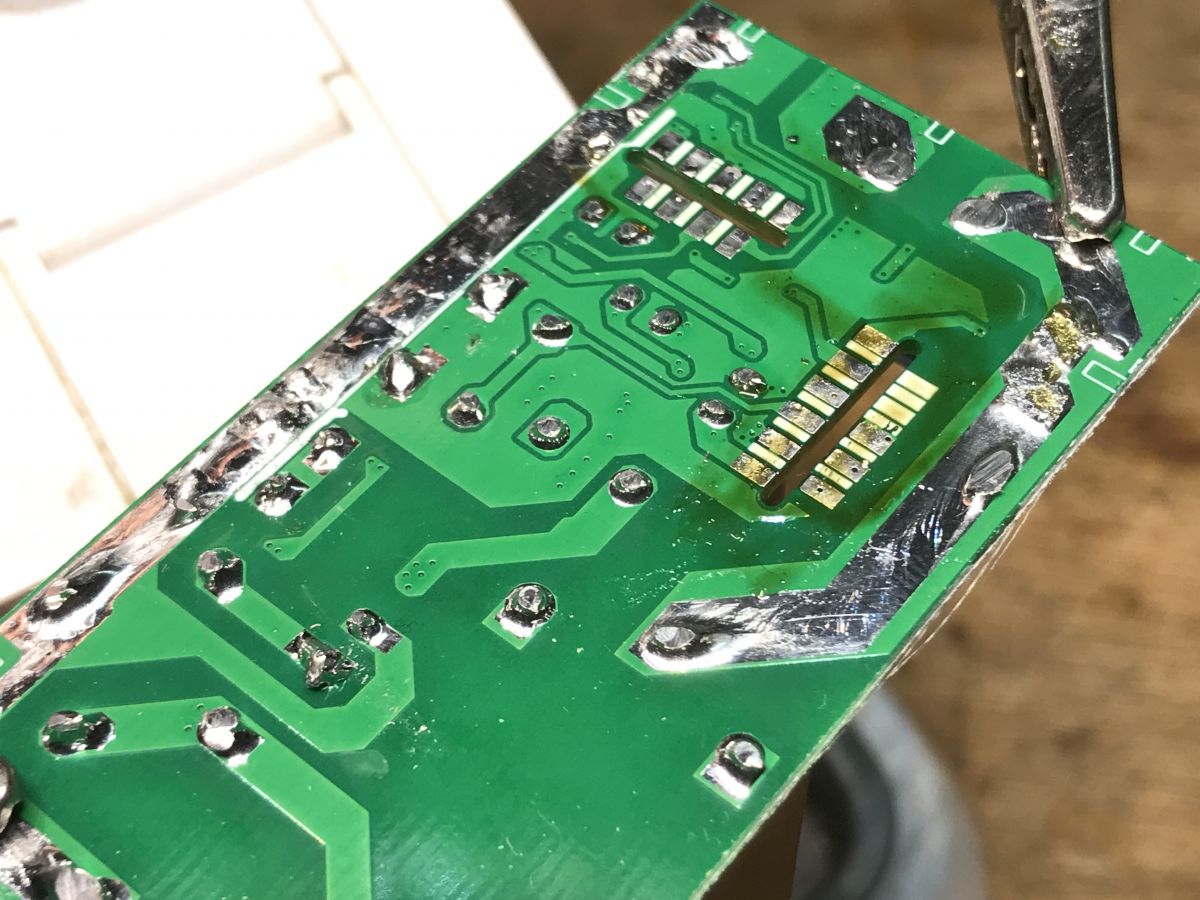
Then as standard, behind the bridge there are two electrolytic capacitors and a choke between them, then there is probably a converter without galvanic separation, on the PCB you can also see a separate WiFi module and an energy measurement module:
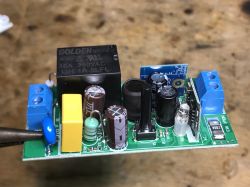
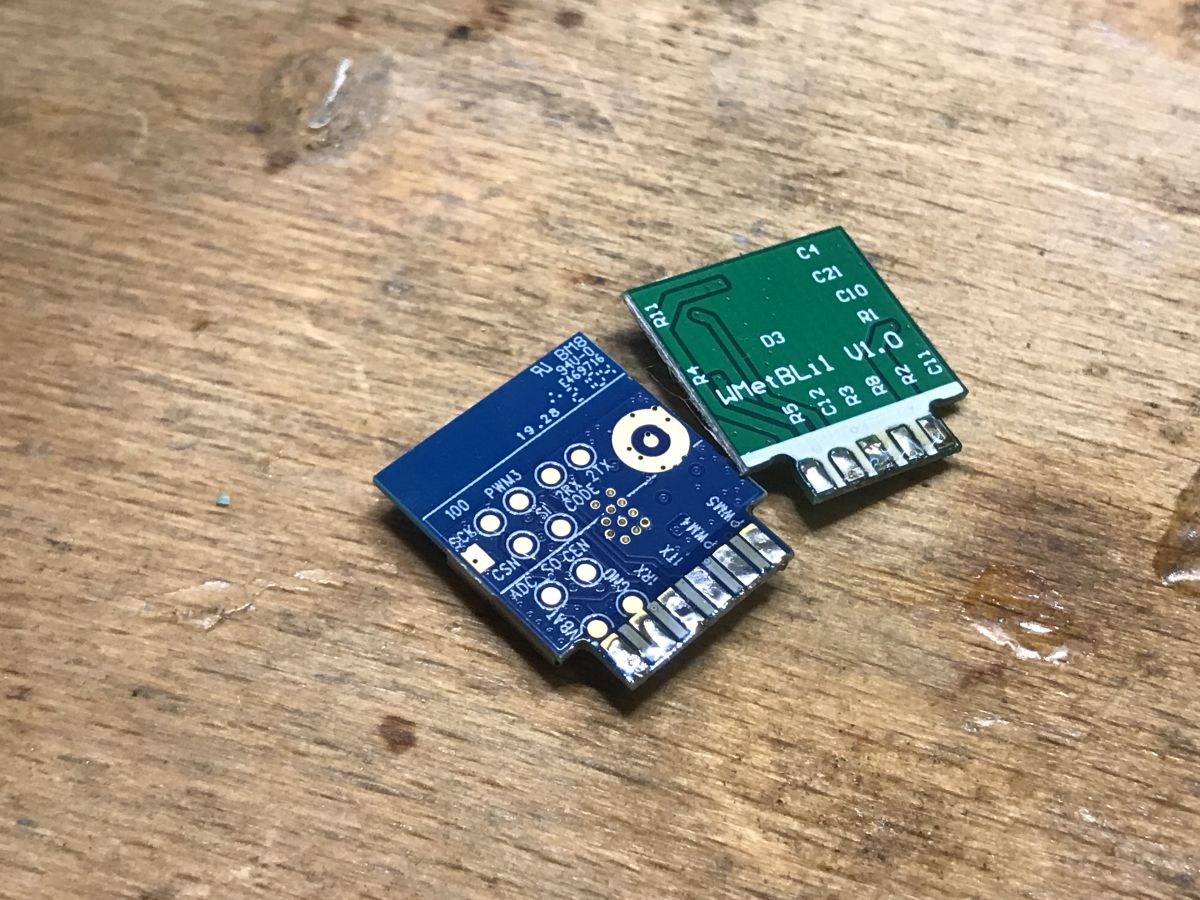
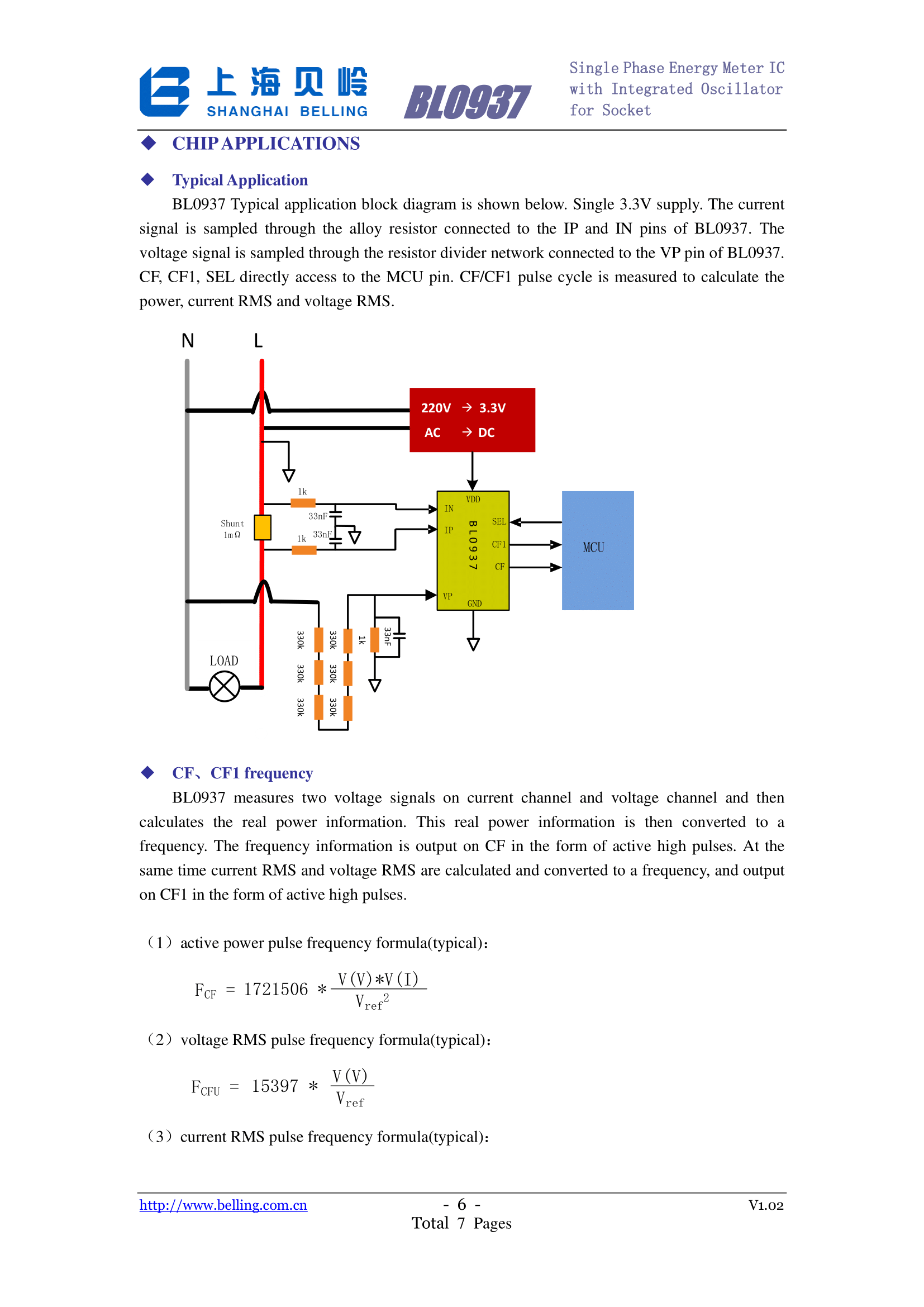
This energy measurement module is marked WMetBLi1 V1.0. You can also see the current/voltage shunt resistor, R13, coded R002, which is probably 0.02 ohms.
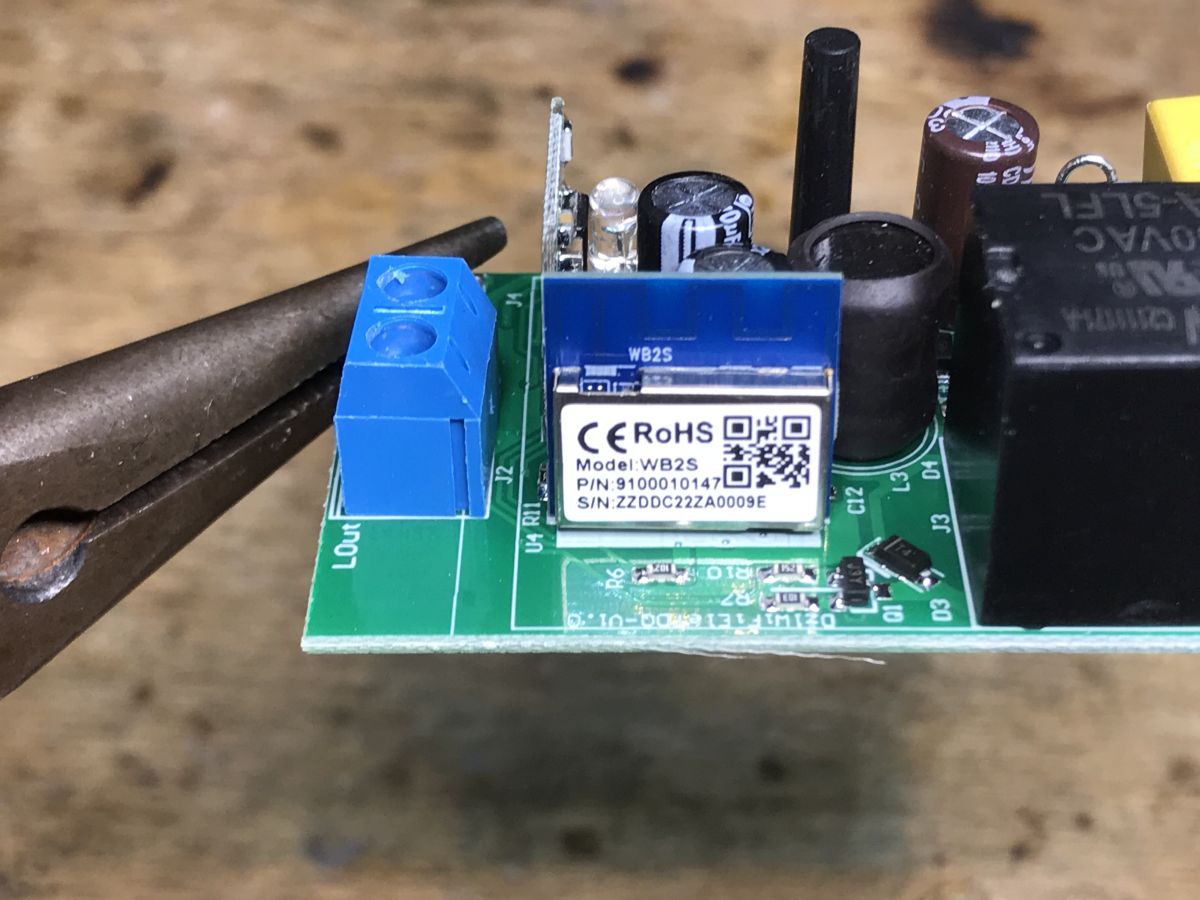
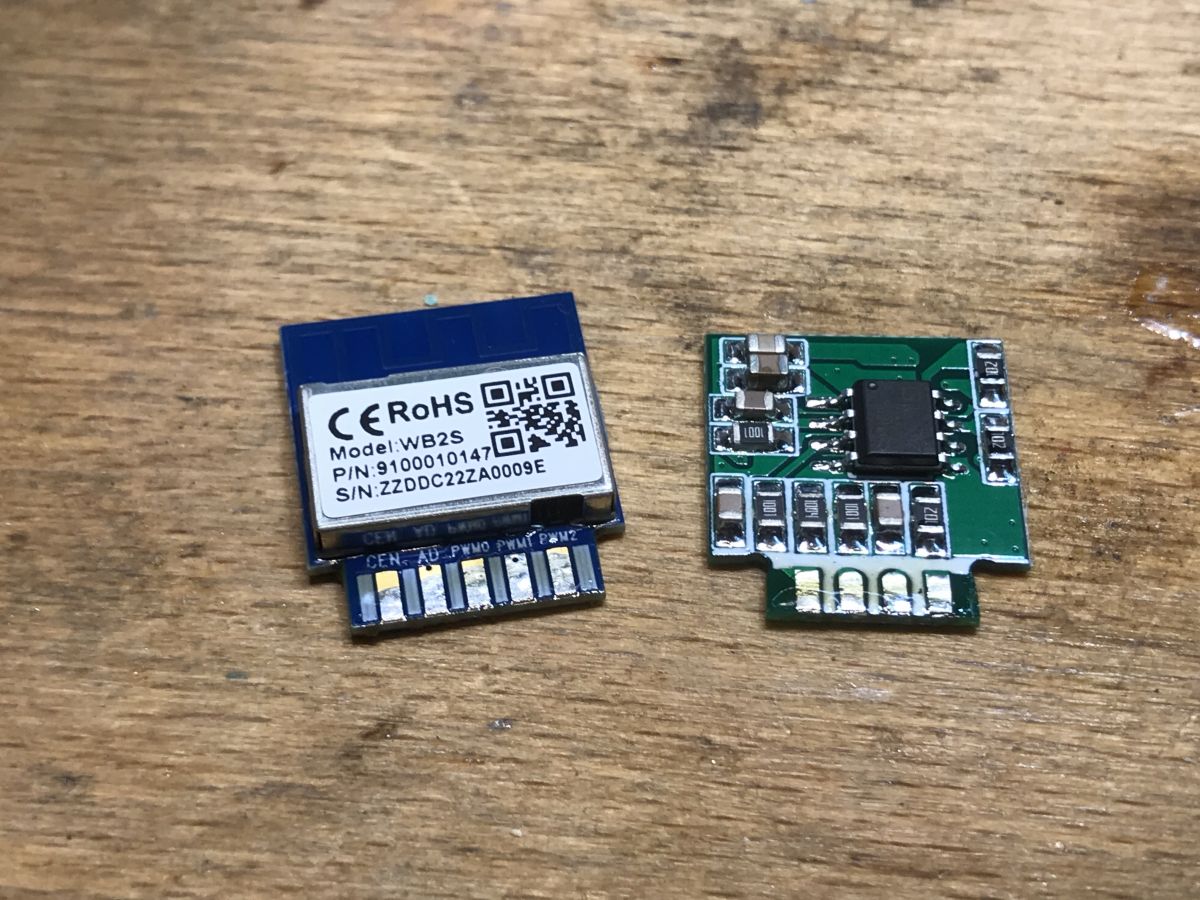
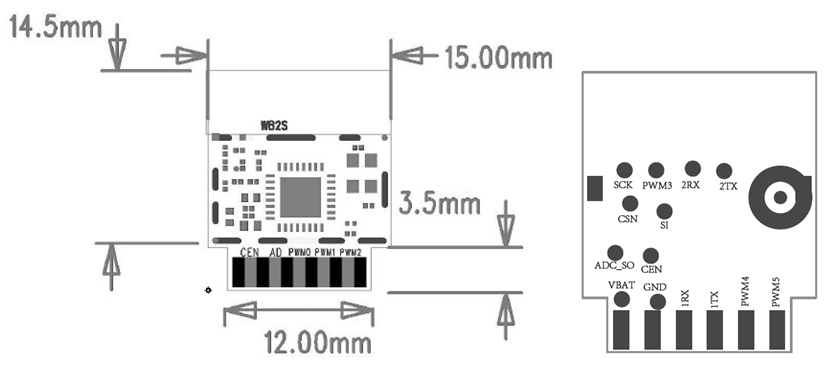
The WiFi module is WB2S, BK7231T, it is known:
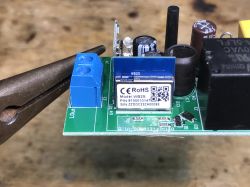
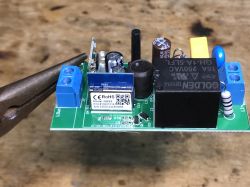
View from above:
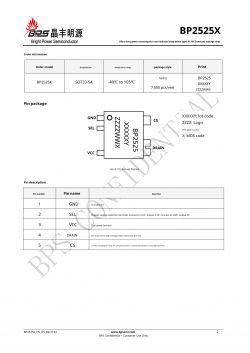
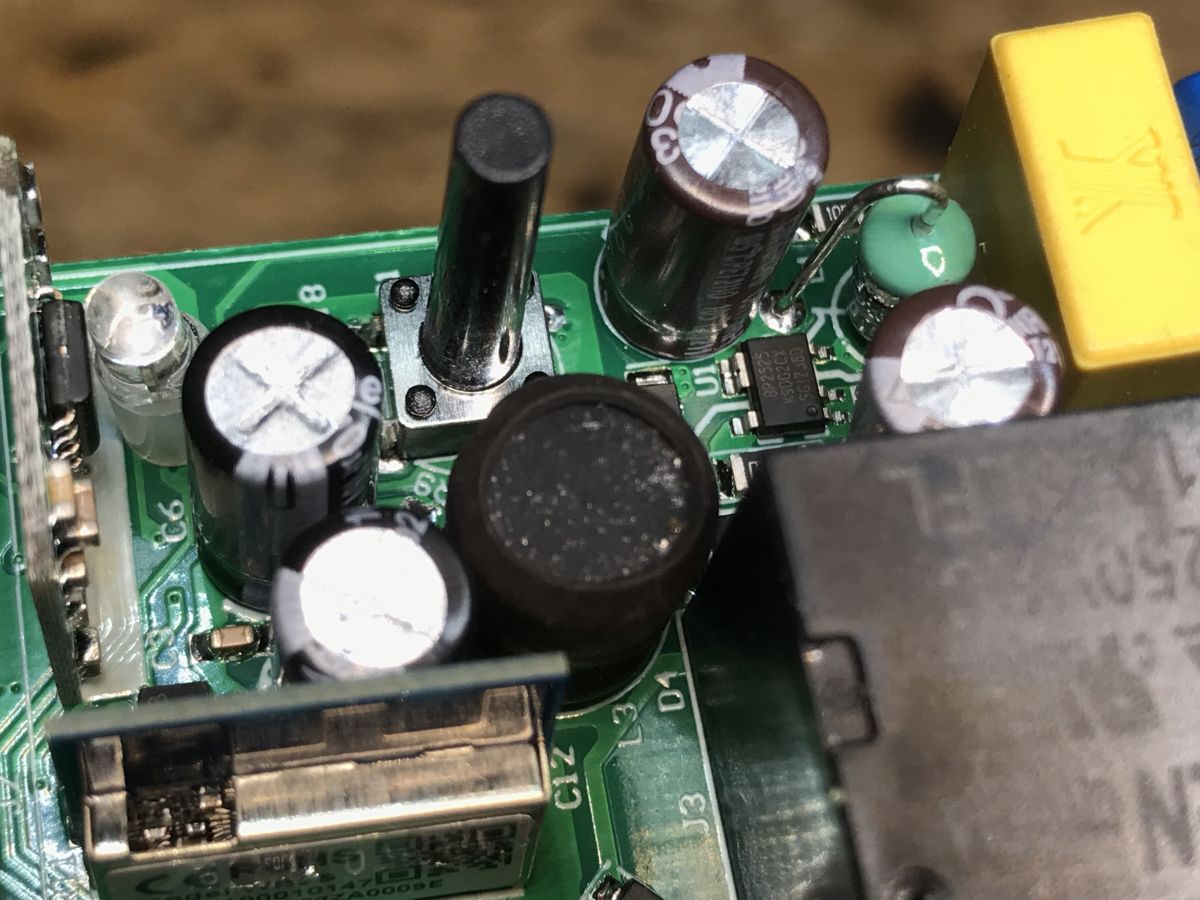
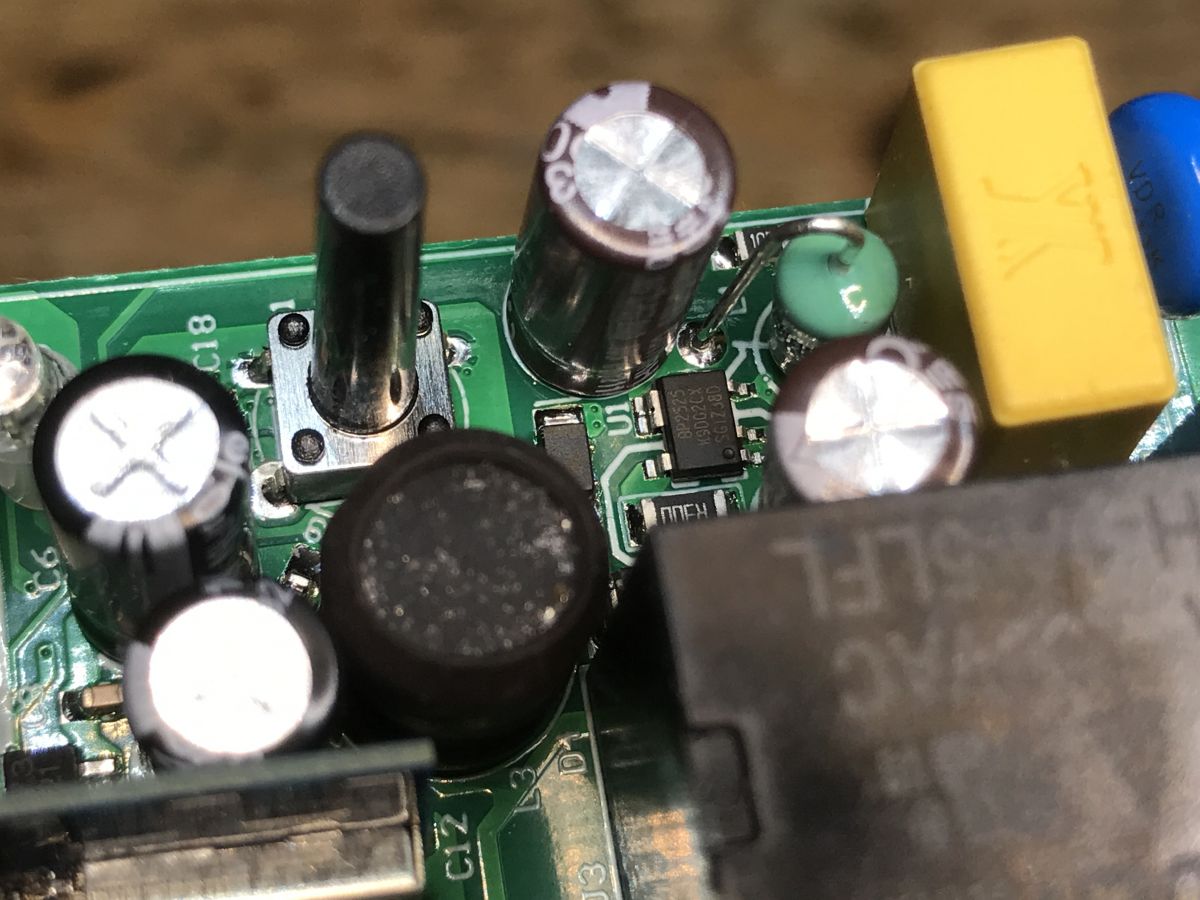
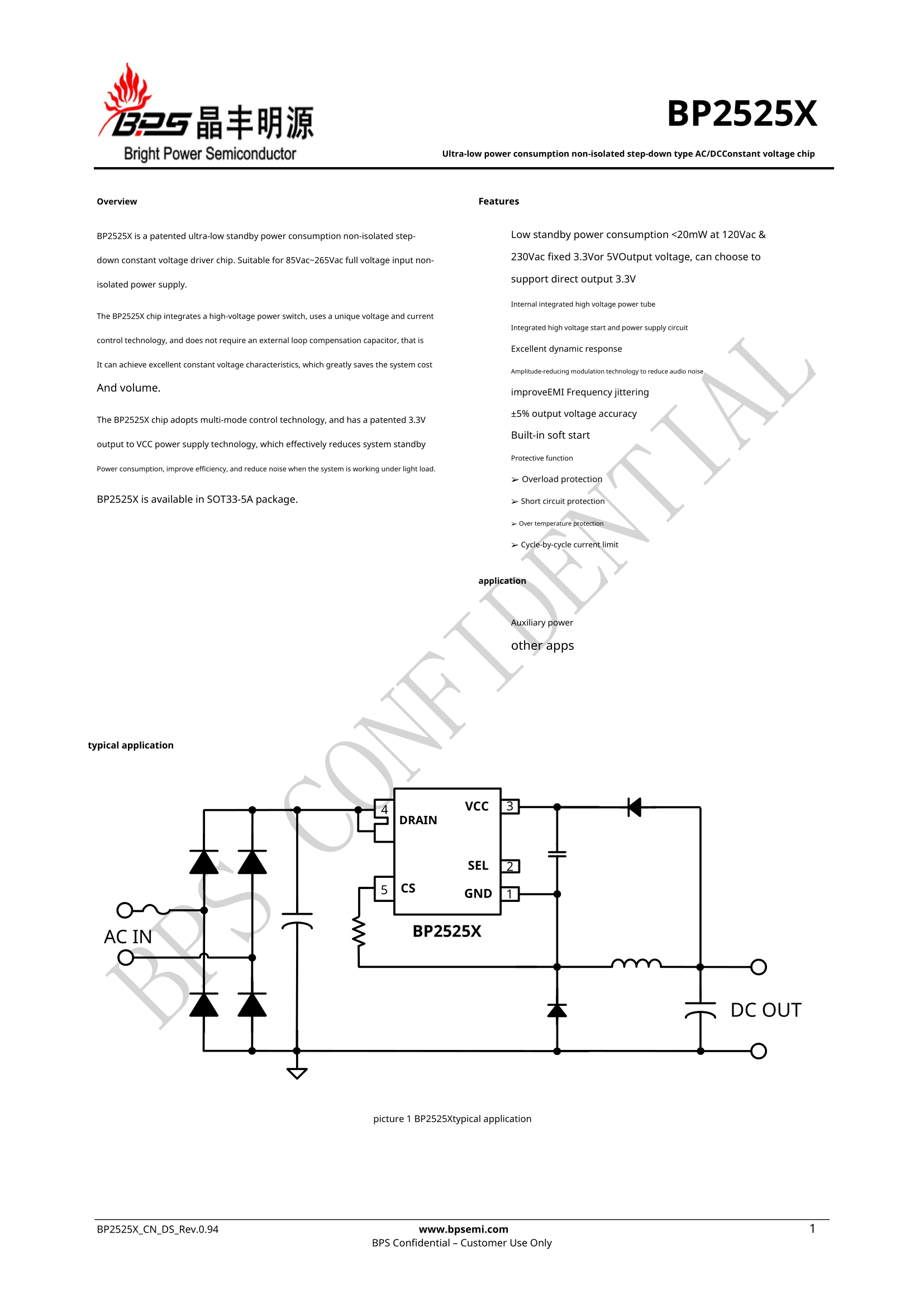
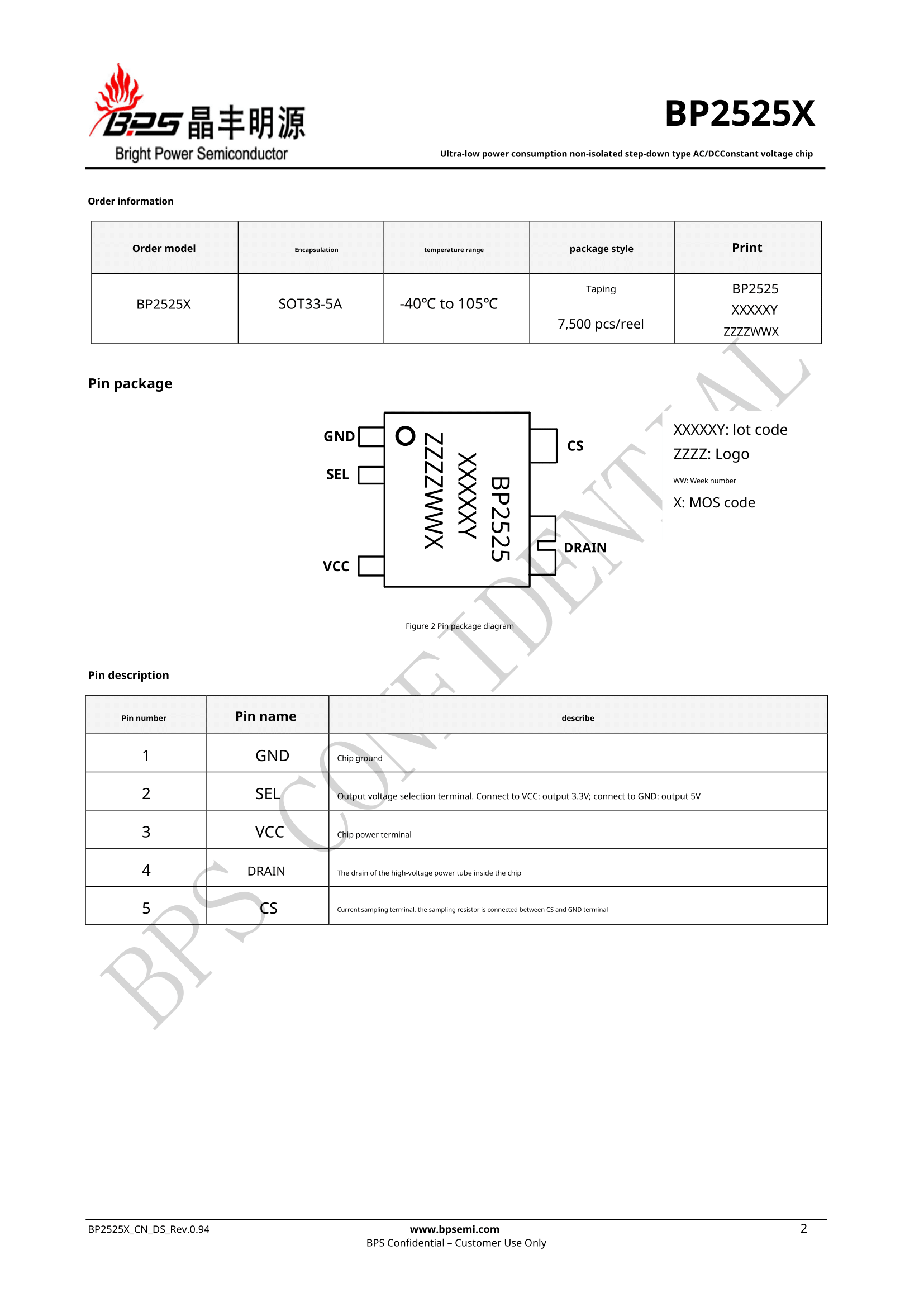
What does this 5V (and then 3.3V for AMS1117-3.3V) provide for this chip?
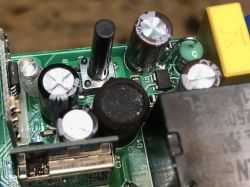
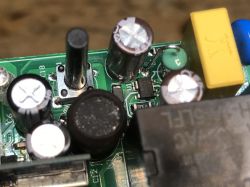
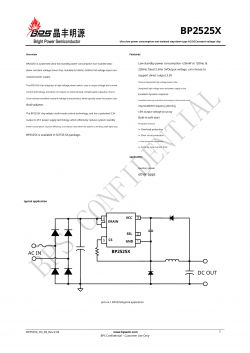
There is BP2525.
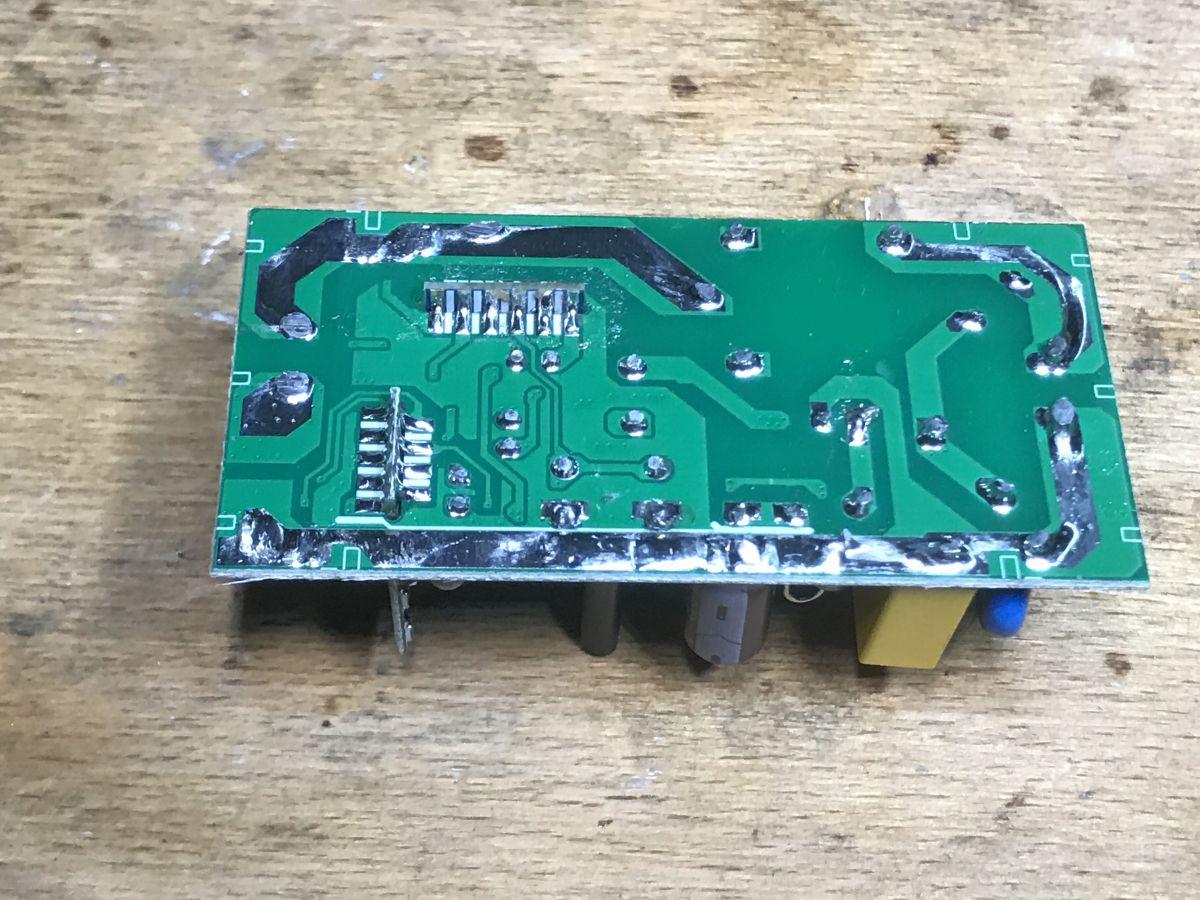
Another bottom of the PCB:
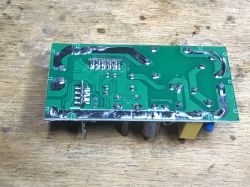
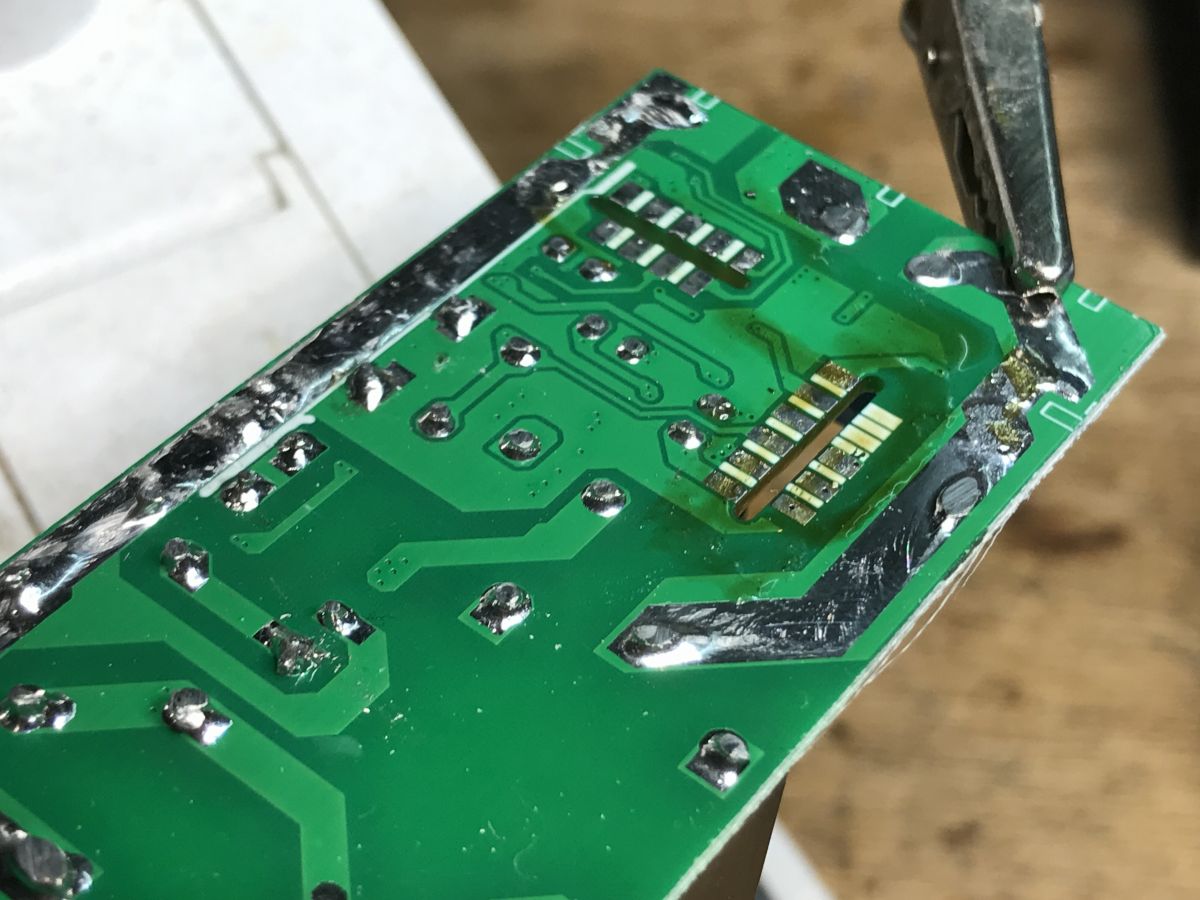
I desoldered it to take better pictures
both modules (to change the firmware, you only need to desolder the WiFi module, and sometimes you can do without it). First we apply the flux, then we collect the tin with a braid:
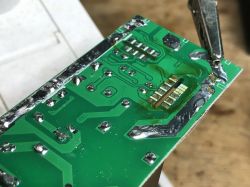
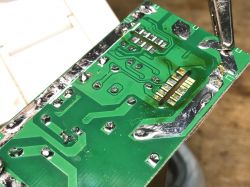
Released modules:
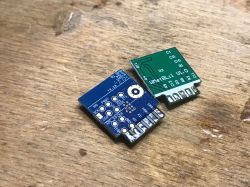
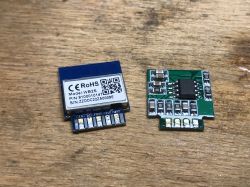
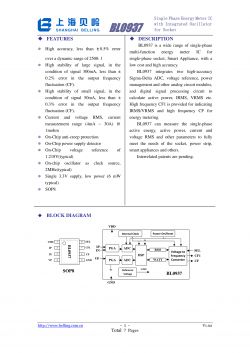
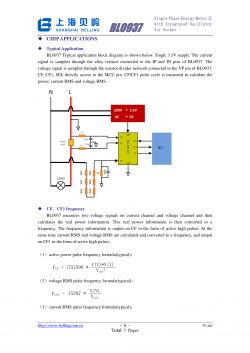
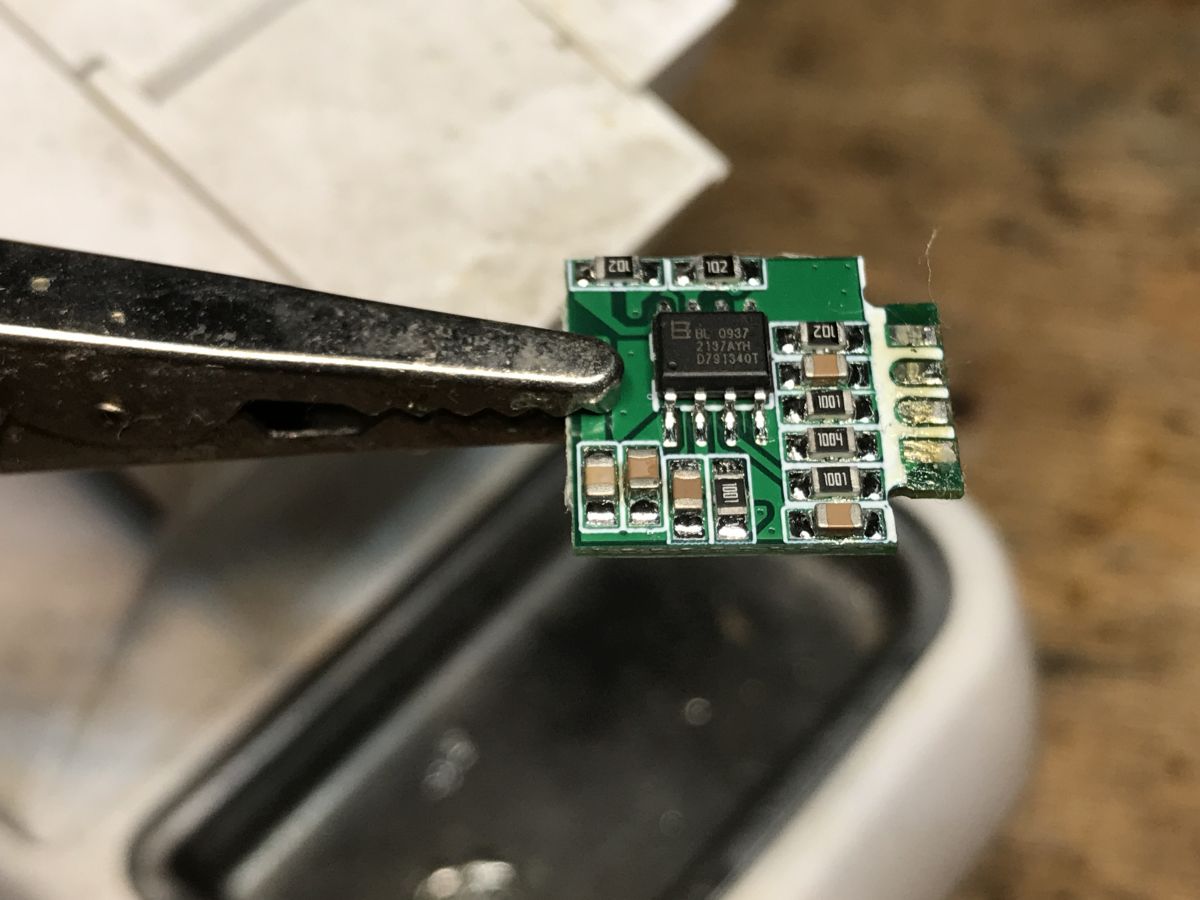
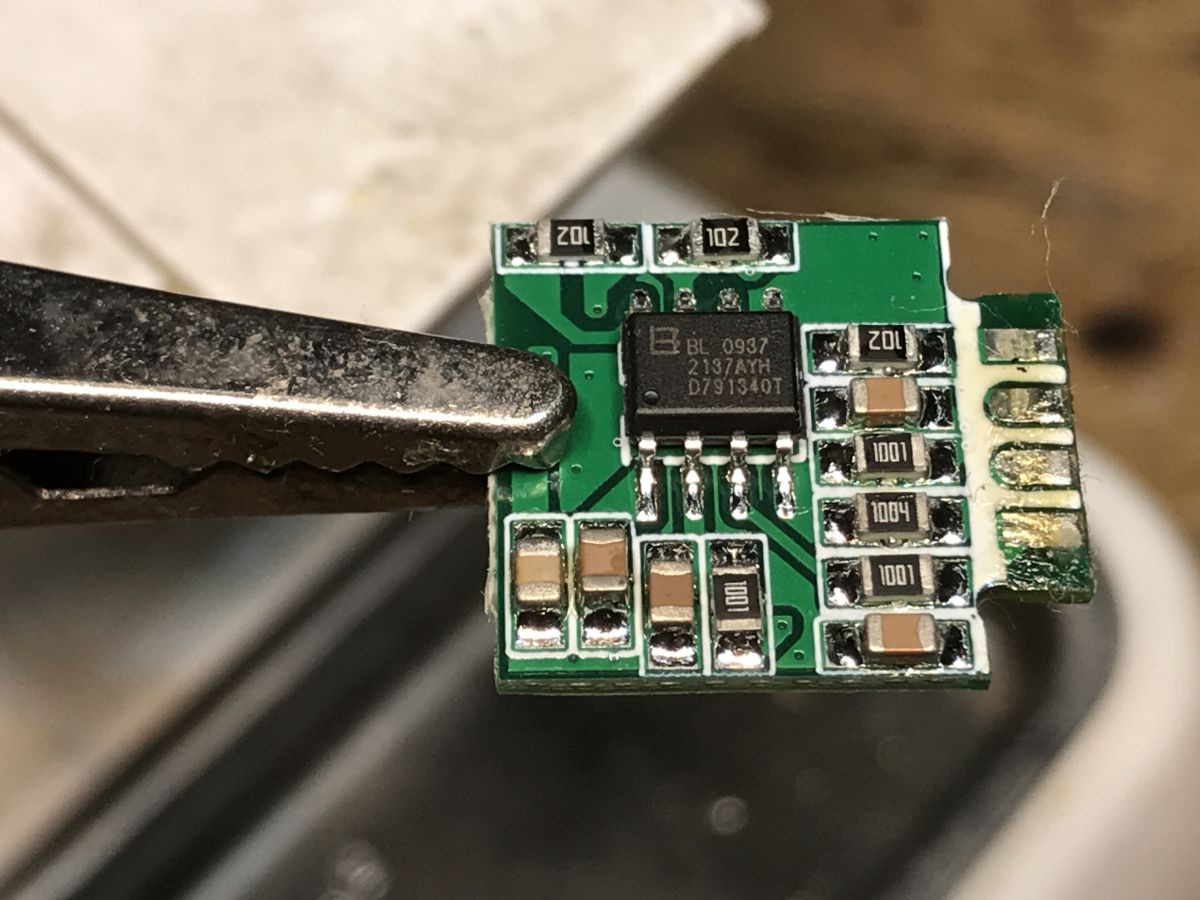
So WMetBL11 V1.0 is a module for measuring energy ...
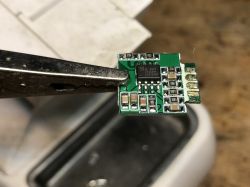
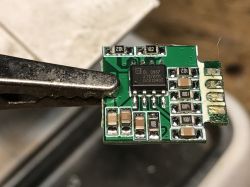
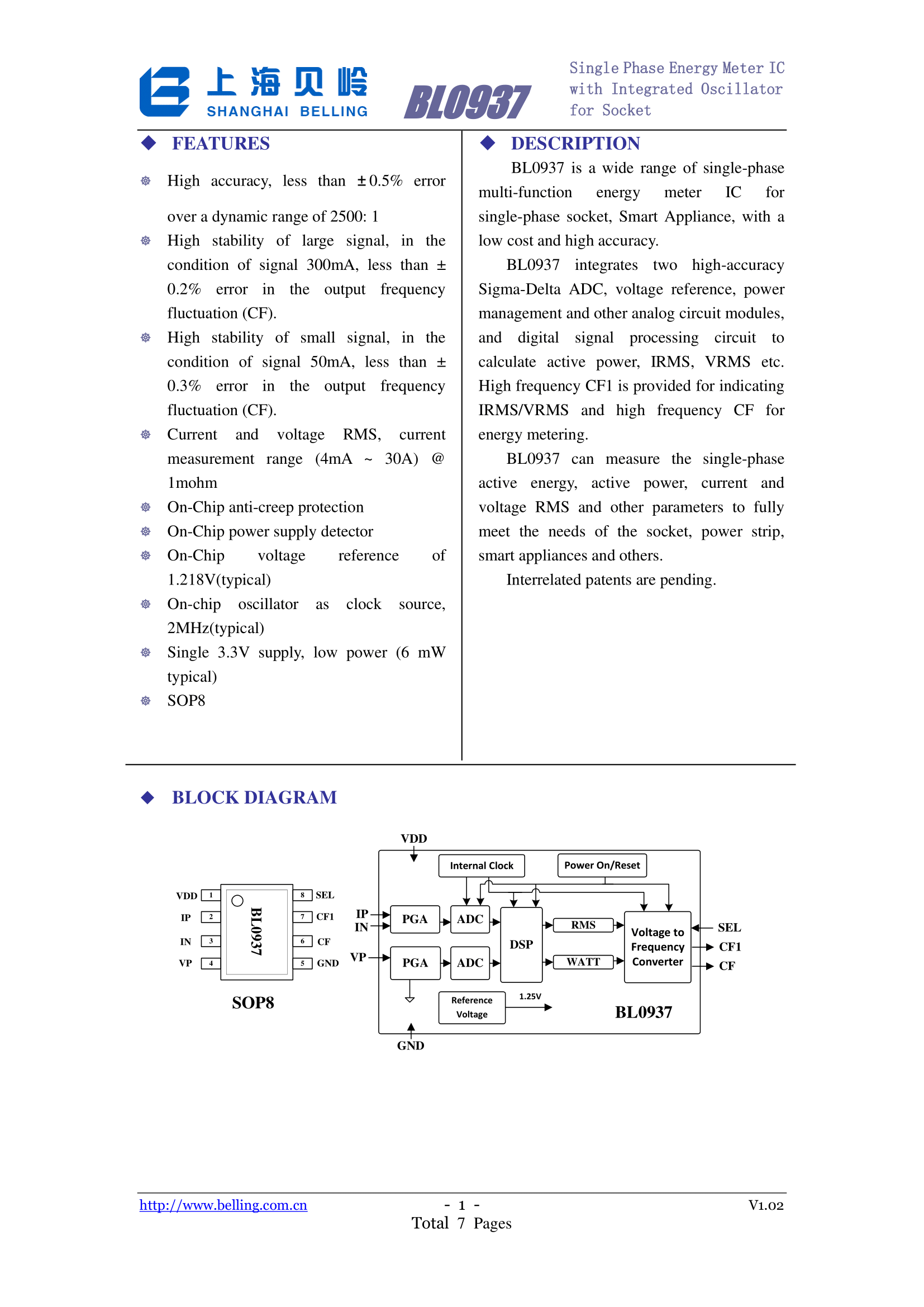
This is the module from BL0937, along with the basic "hardware", but not complete, the current measuring resistor (shunt) is on the main PCB:
 Firmware change...
 By default, we use BK7231 Easy GUI Flasher:
https://github.com/openshwprojects/BK7231GUIFlashTool You can rely on our videos:
https://www.youtube.com/playlist?list=PLzbXEc2ebpH0CZDbczAXT94BuSGrd_GoM The module is WB2S (BK7231T):
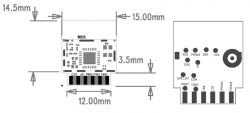
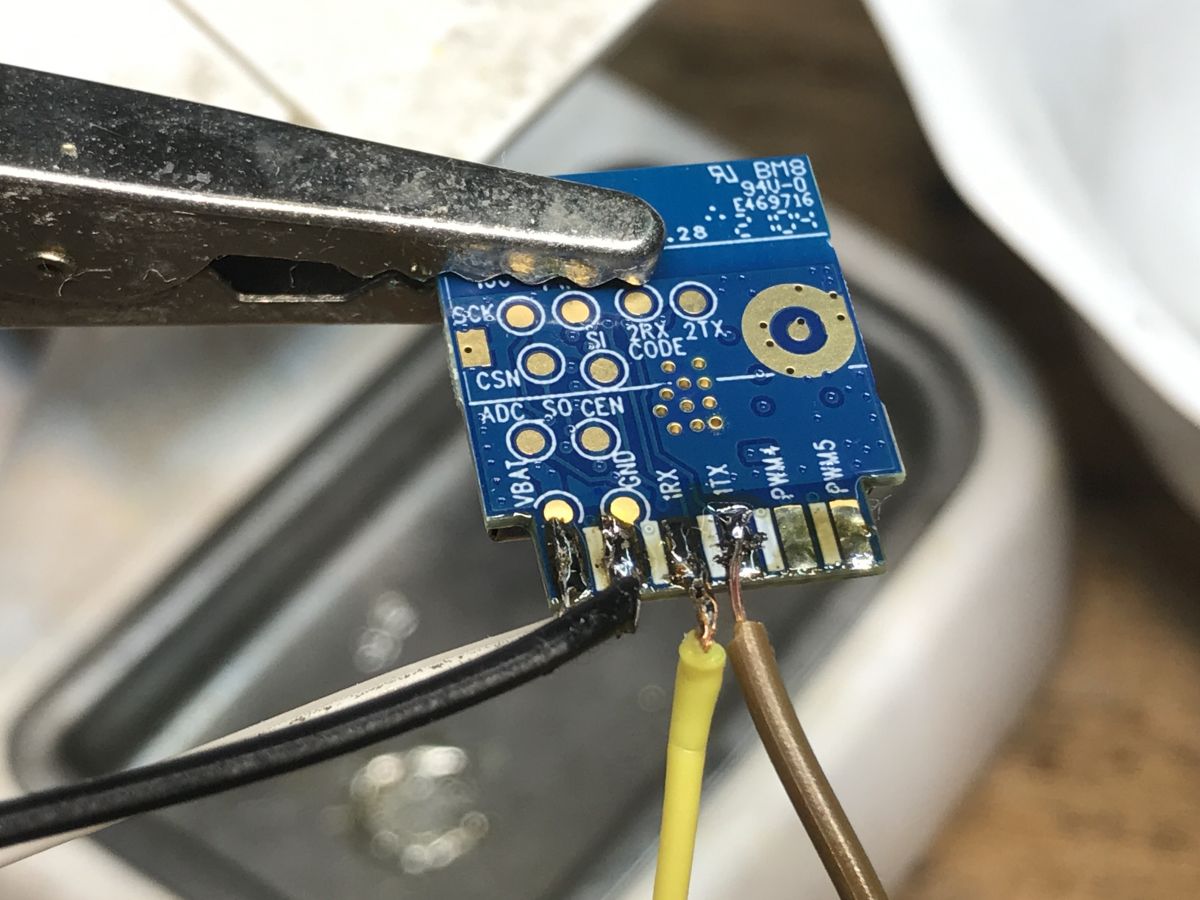
Solder the power supply, RX, TX:
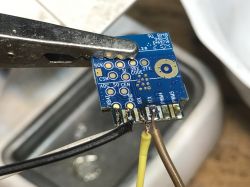
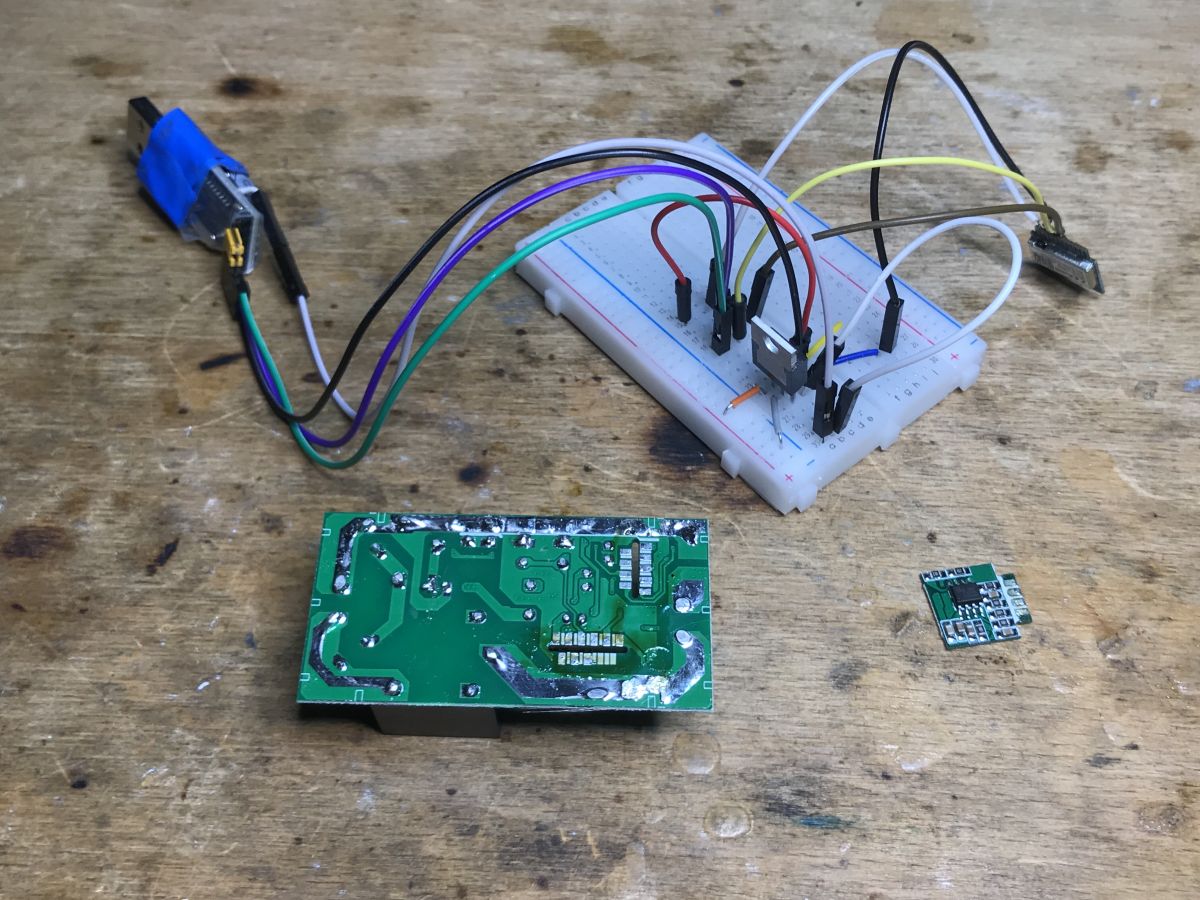
Whole layout:
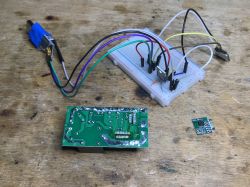
Verbal description of the pins:
Device seems to be using WB2S module, which is BK7231T chip.
- Relay (channel 1) on P26
- WiFi LED on P6
- Button (channel 1) on P10
- BL0937 ELE on P7
- BL0937 VI on P8
- BL0937 SEL on P24
OBK template:
Summary I have already seen this type of "smart" modules in the version without energy measurement and I was wondering what the second, free slot in the PCB could be for ... I thought it was for another WiFi module, but nothing more wrong - it was always for the module energy measurement, such as presented here in the topic. Anyway, you would rather not have two slots for the WiFI module in the PCB of the relay, because from what I've seen, all these "standing" modules have a very similar, compatible footprint. There is a whole family of them: CB2S, FL_M99_V1, TYWE2S, TYZS6, TW-02, WR2, WB2, WBR2, WR2E, WB2S, WA2, XT-BL02 - all compatible with ESP-02S. Only that here you do not need to change WB2S, just upload:
https://github.com/openshwprojects/OpenBK7231T_App As for the rest - the construction of this gadget is good, the manufacturer did not even omit the varistor, this is something. The price, in turn, is slightly higher than some sonoffs, but here we have the energy measurement ...







Comments
Well, the "energy meter" - does it work correctly? [Read more]
Energy measurement is carried out on the standard BL0937 chip, very popular in this type of products, right next to its brother BL0942. I did not perform precise measurements precision tests, but it is... [Read more]
I was asking more in the context of "does it work at all"... because, for example, in this thread https://www.elektroda.pl/rtvforum/topic3945009.html also on BL0937 it doesn't work.... [Read more]
@nomek unfortunately you are quite confusing two separate issues here, but no problem, I can clarify. OpenBeken is my alternative batch for IoT devices using WiFi modules other than ESP8266. It now includes... [Read more]
See, I messed up... There is still the issue of the same MAC after flashing.. Maybe you'd like a single socket for a "breakdown" then? [Read more]