Amator 2B stereo radio (DSS201) is presented as a communist-era Polish receiver, and it differs from the Amator 2 by lacking a tuning indicator.
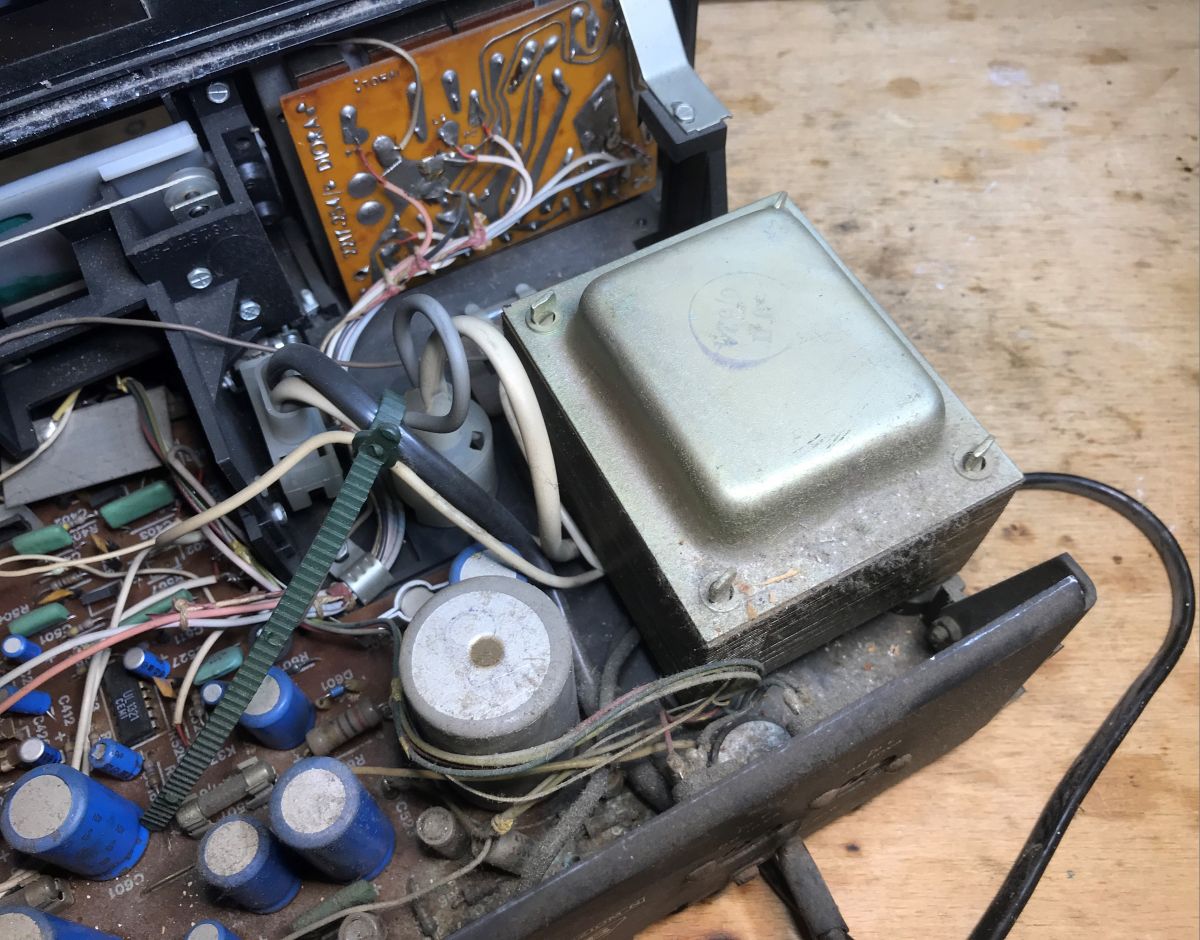
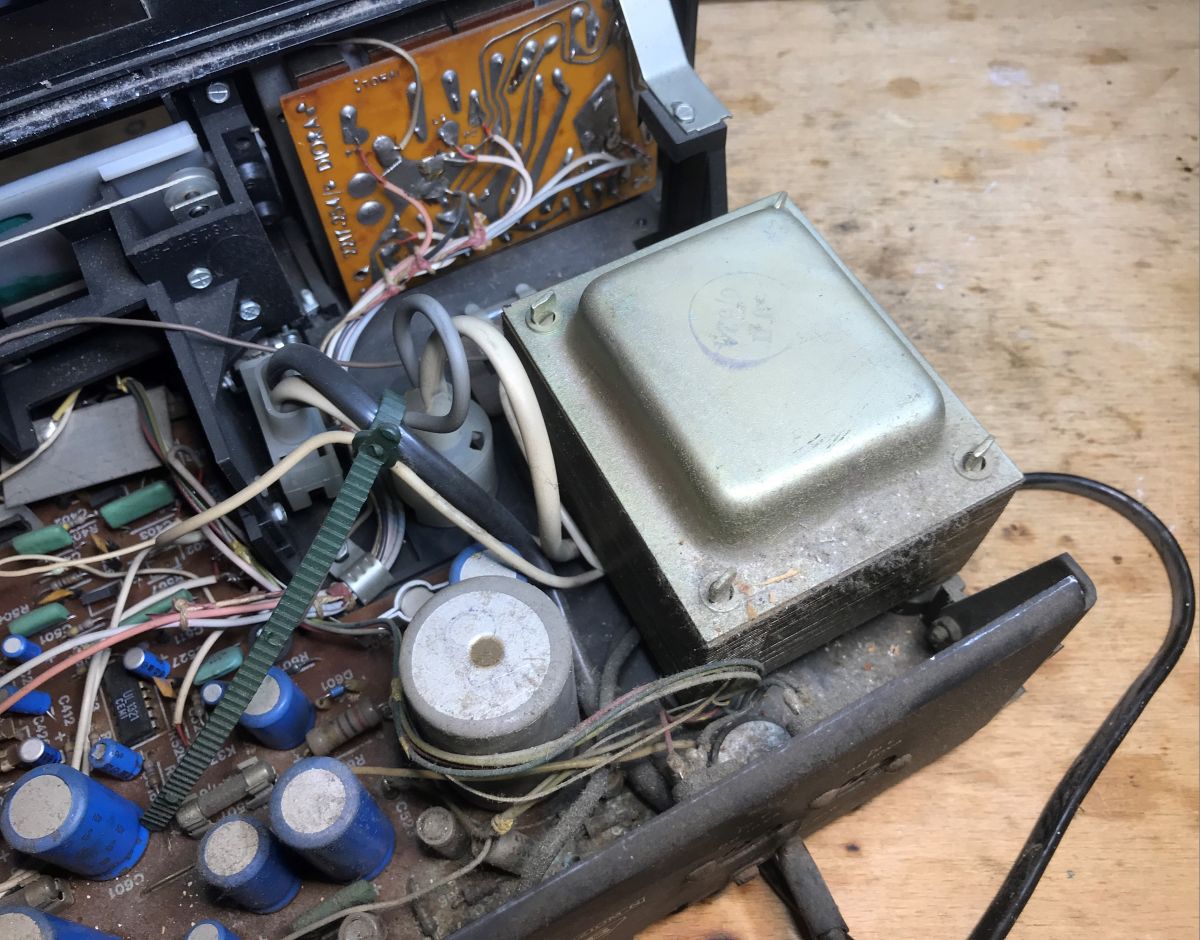
Inside, it uses a 50Hz mains transformer, ferrite antenna, slide-pot PCB, isostat buttons, and CEMI UL1321, UL1601, and UL1211 ICs.
It receives long wave, medium wave, short wave, and FM; the AM intermediate frequency is 465kHz and FM is 10.7MHz.
The power amplifier uses two GML-026 modules, but the only detailed photo shown is a slightly different GML-026/2 variant.
AI summary based on the discussion. May contain errors.
.
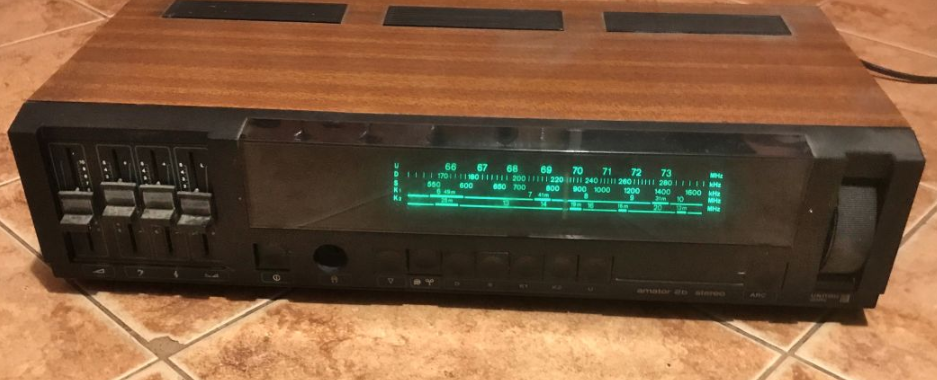
Here I will present another popular piece of equipment from the communist era - the Amator radio, or more precisely the 2B version (DSS201). The Amator 2B differs from the Amator 2 in that it has no tuning indicator.
Amator 2 allowed the reception of long wave, medium wave, short wave and FM frequency ranges. The AM intermediate frequency was 465kHz and FM 10.7MHz. Details later in the diagram, and now pictures.
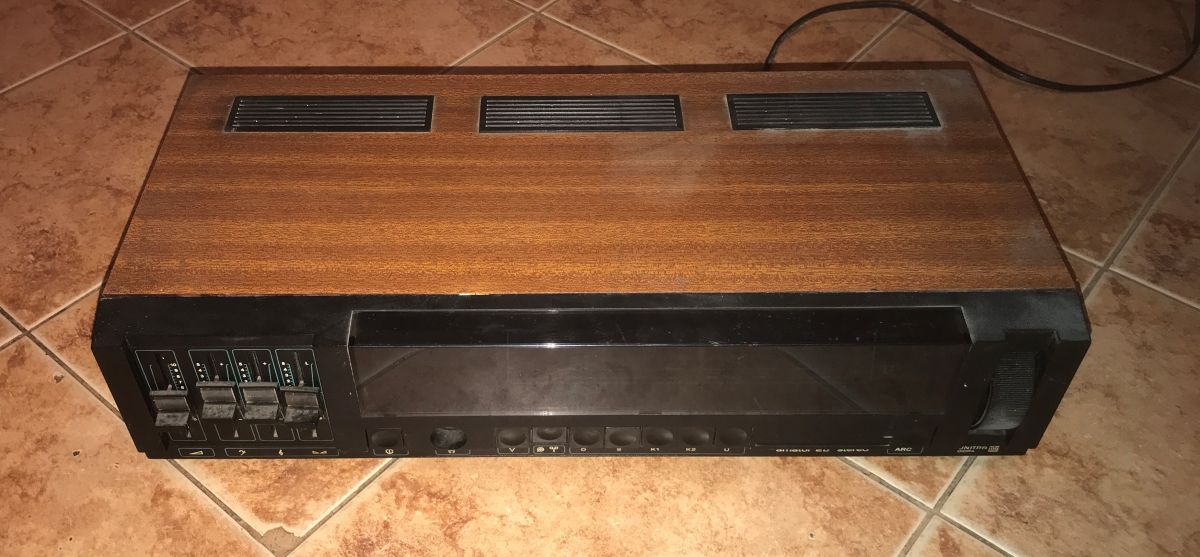
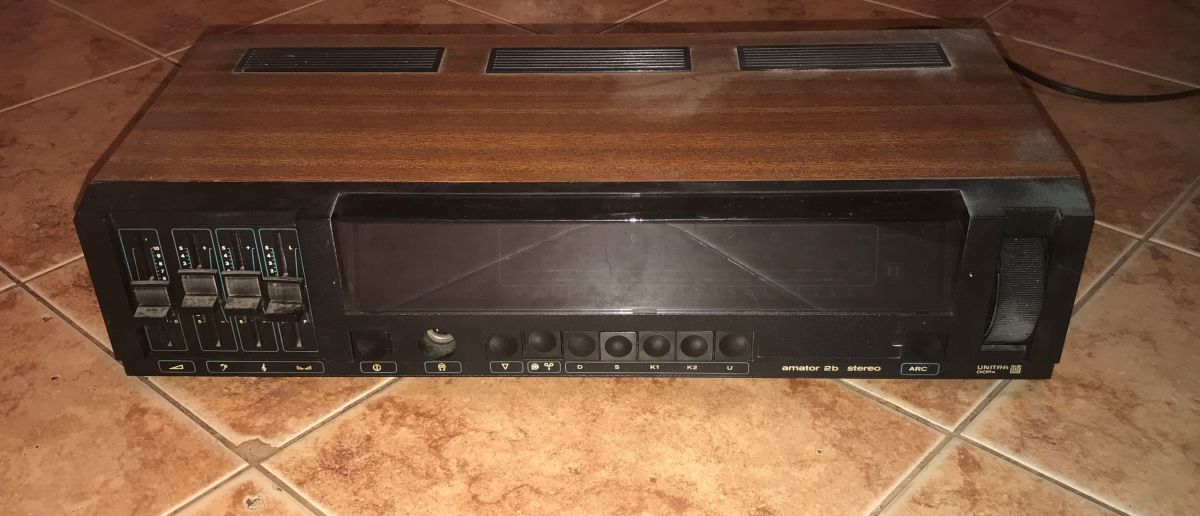
Front and top with the characteristic three vent inserts:
.
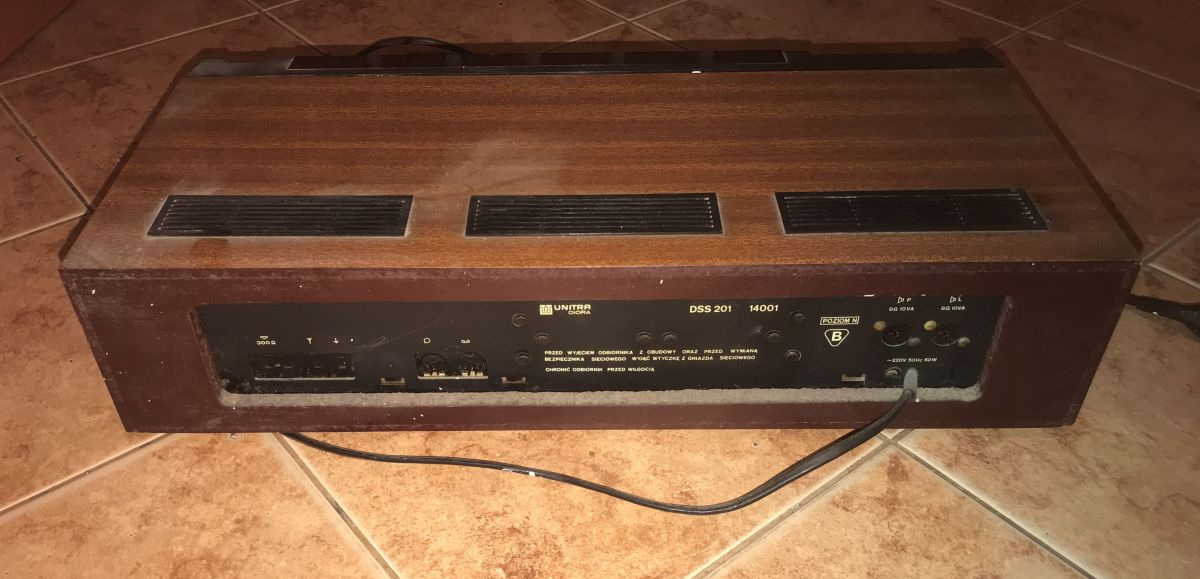
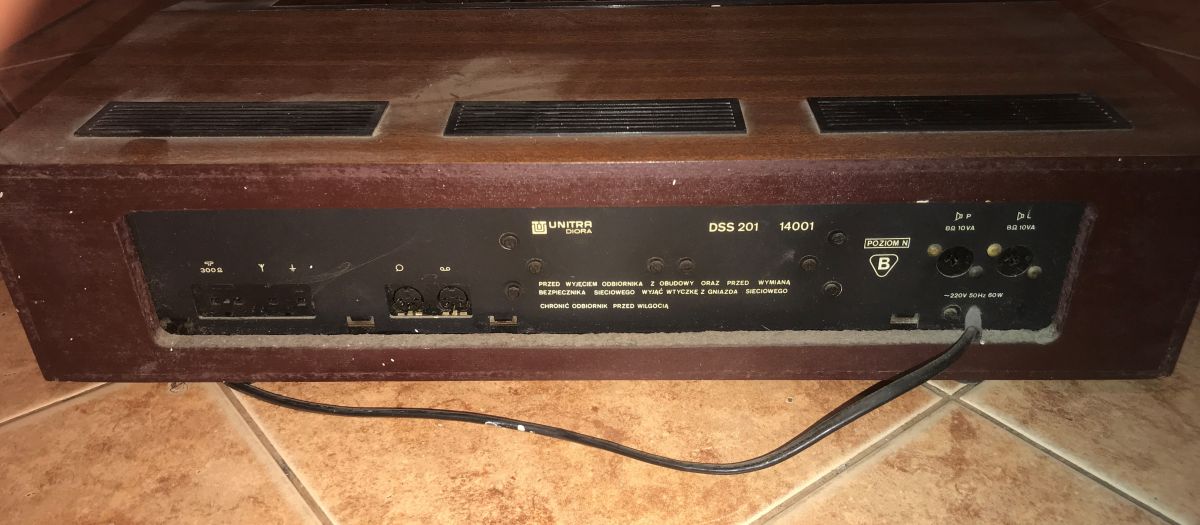
Rear:
.
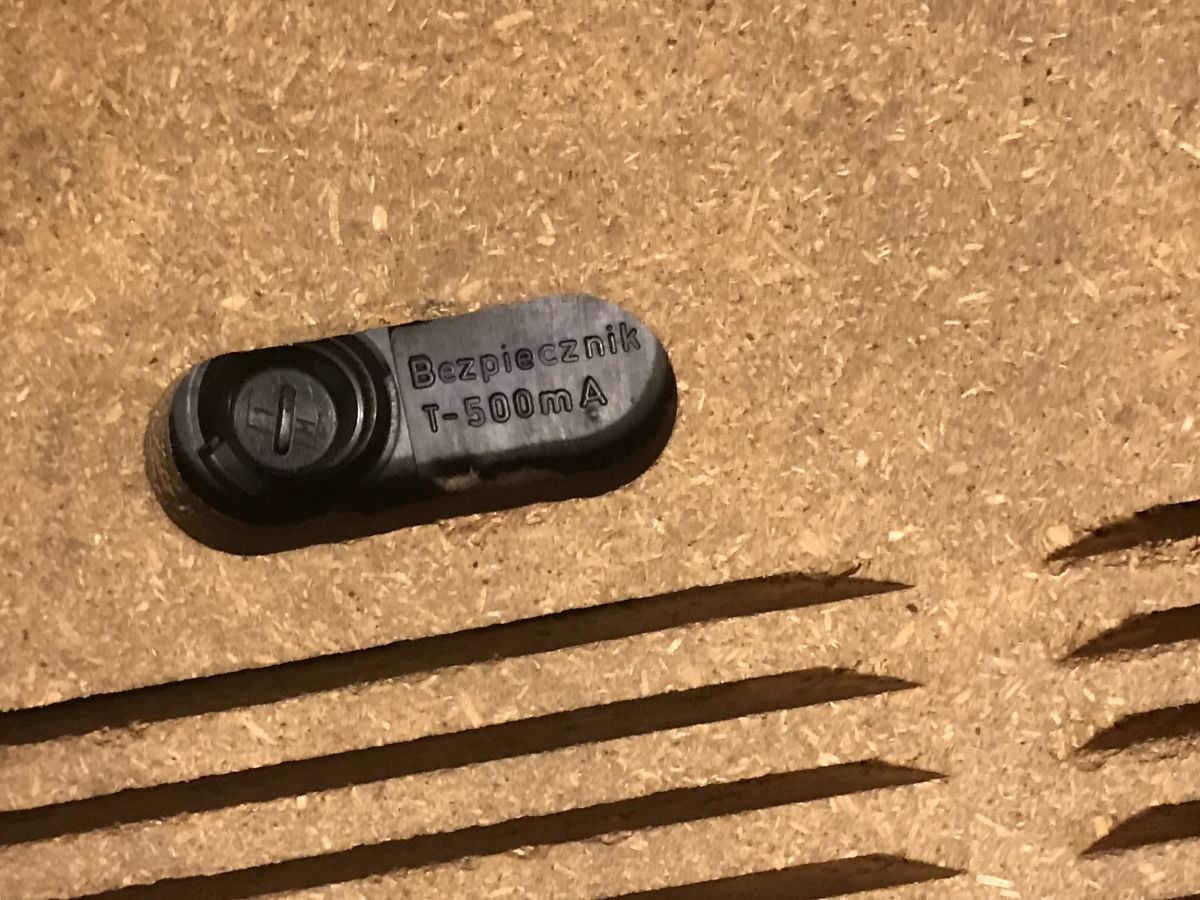
It is also worth adding that there is a fuse hiding at the bottom of the case to be removed:
.
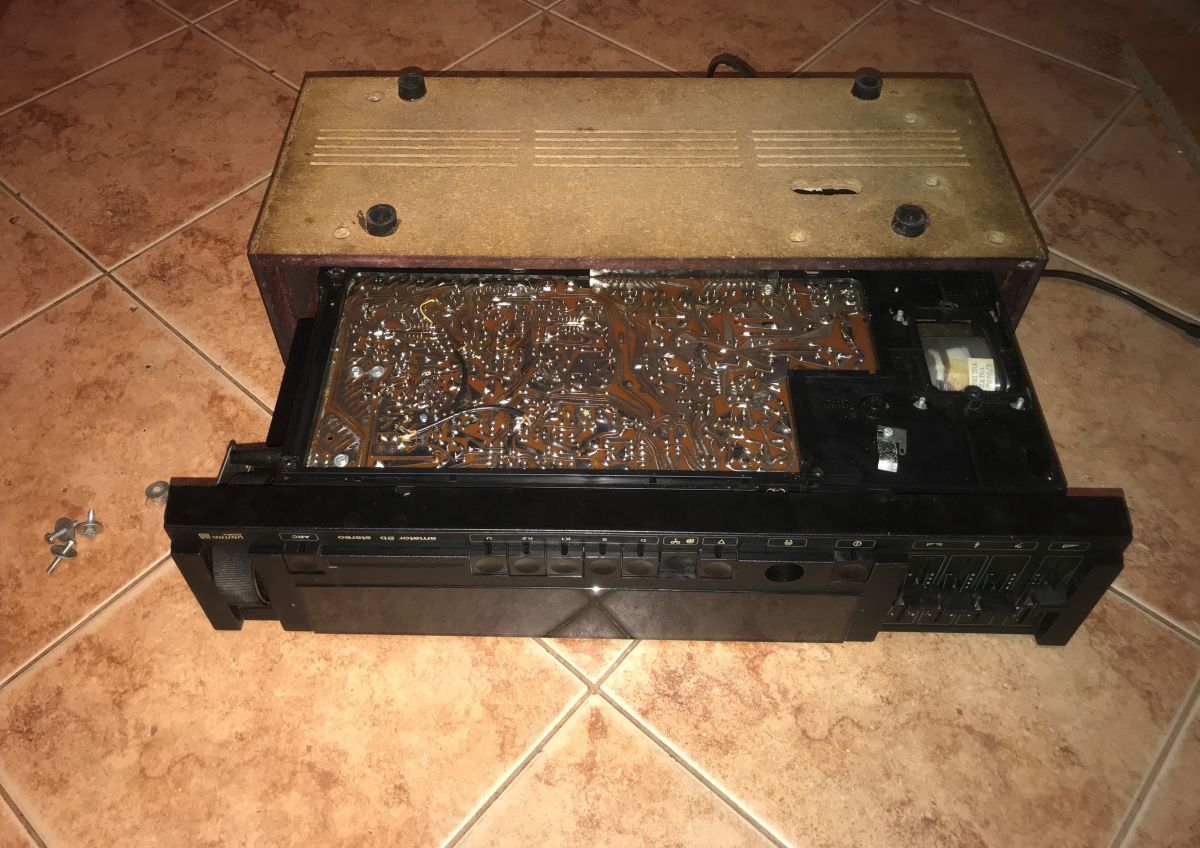
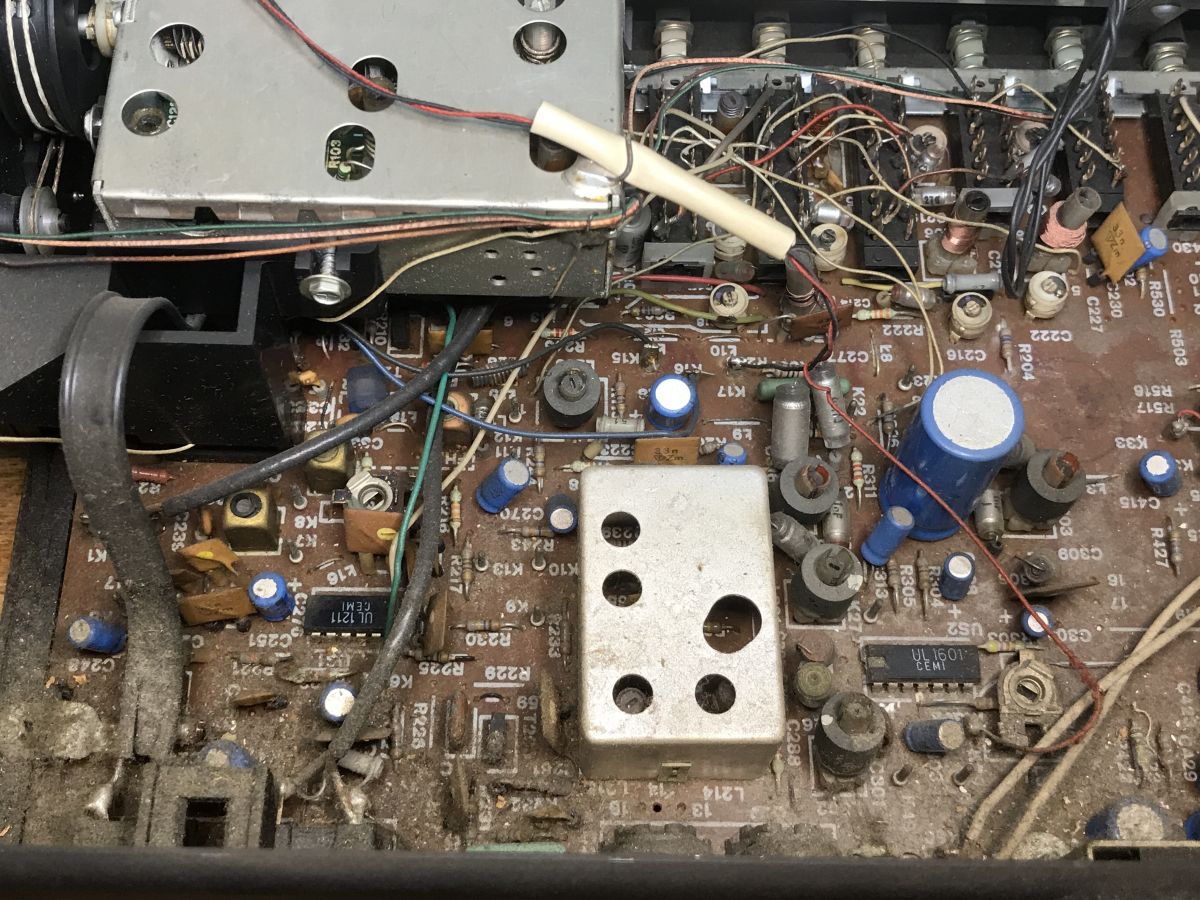
Looking inside:
.
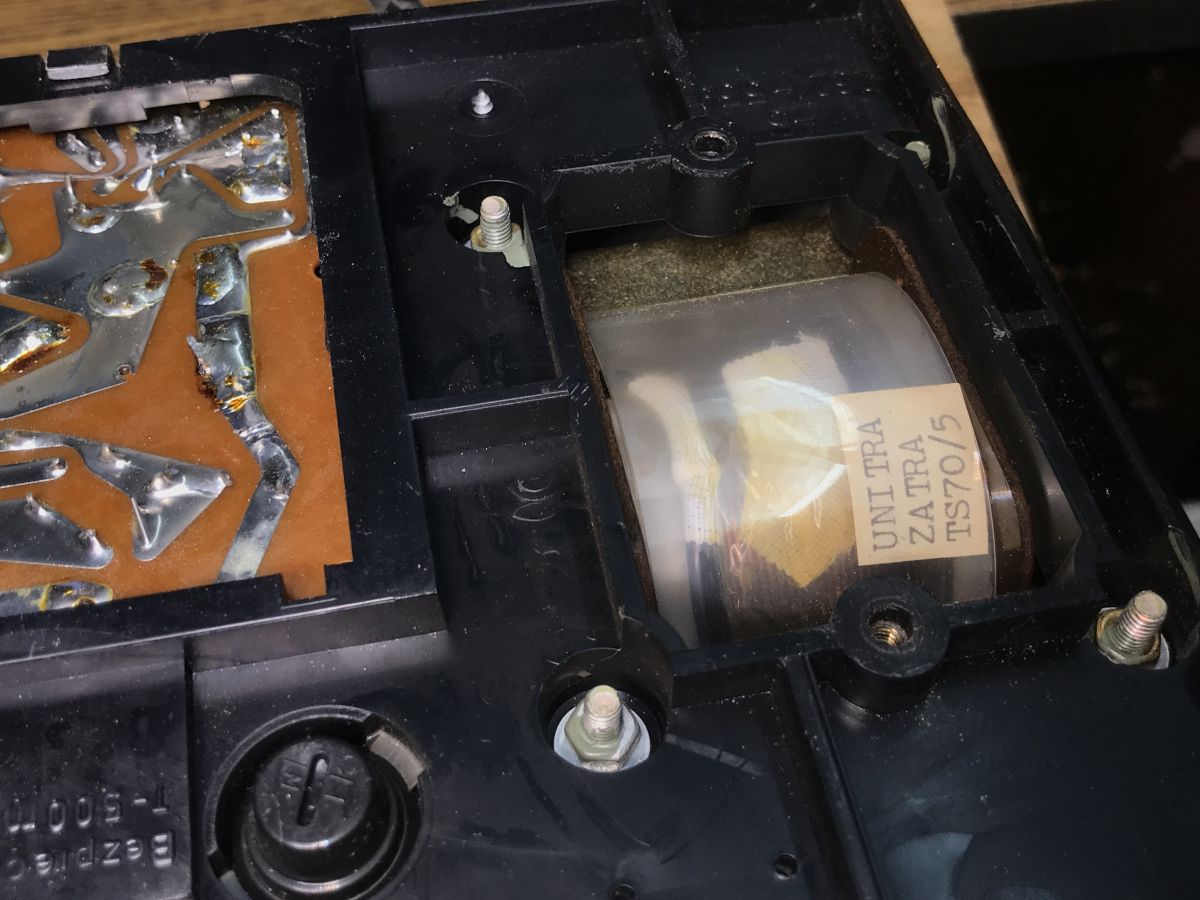
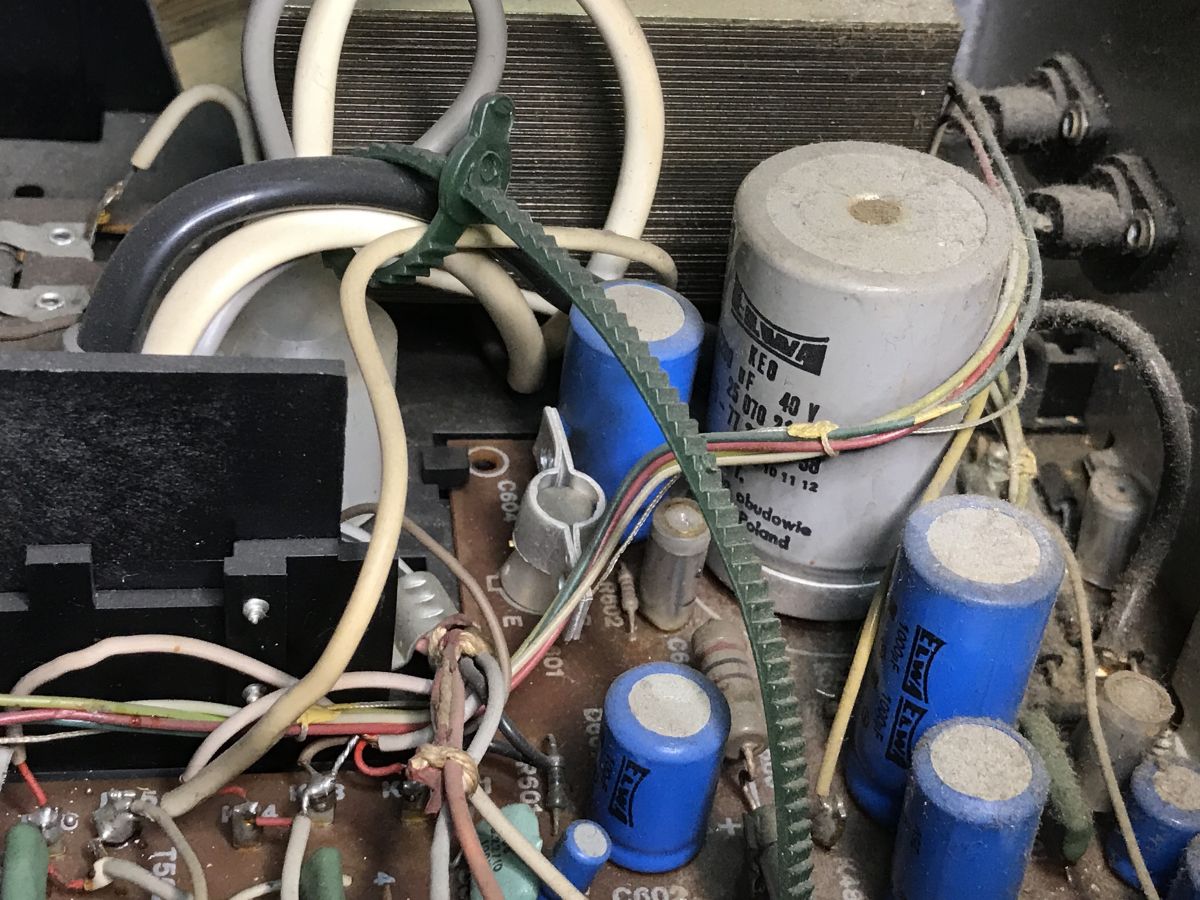
Let's start perhaps with the power supply, of course there is a 50Hz mains transformer:
.
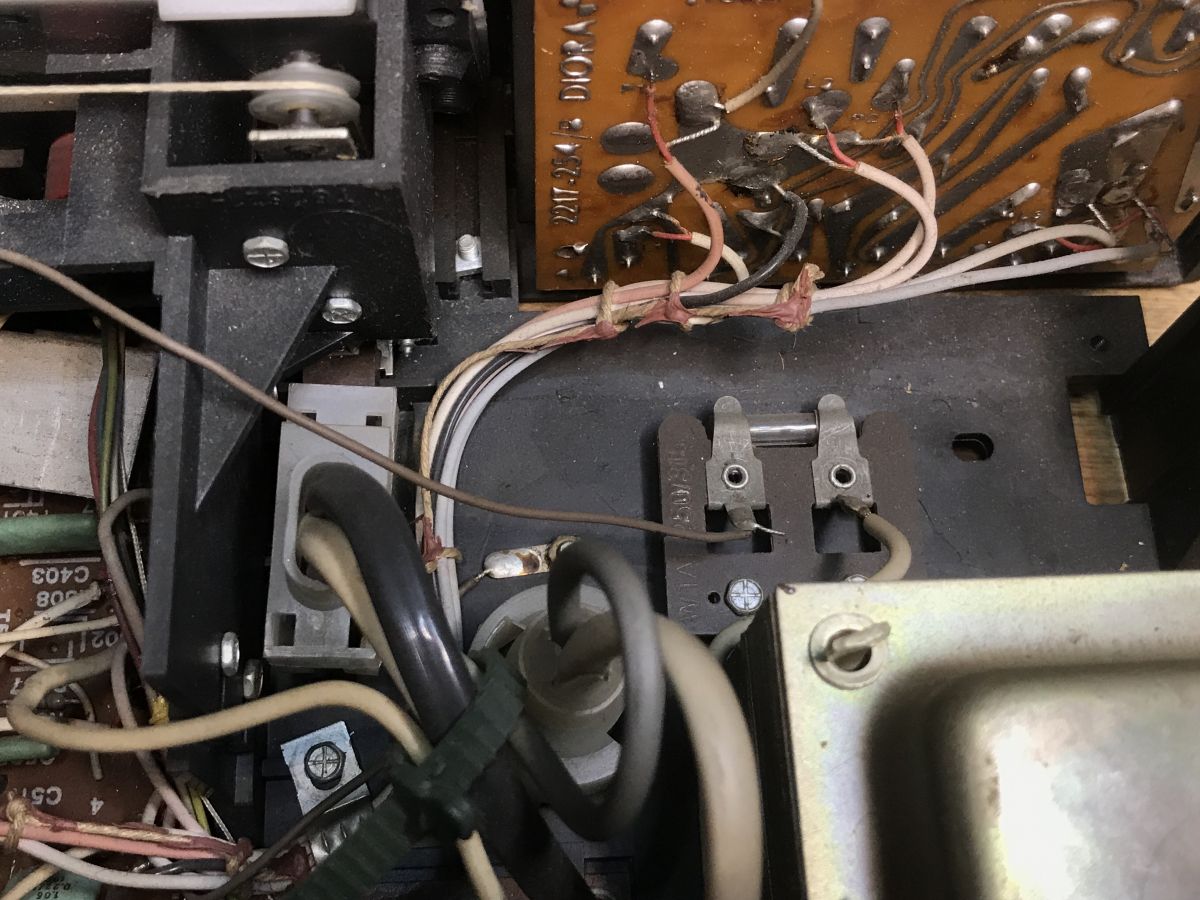
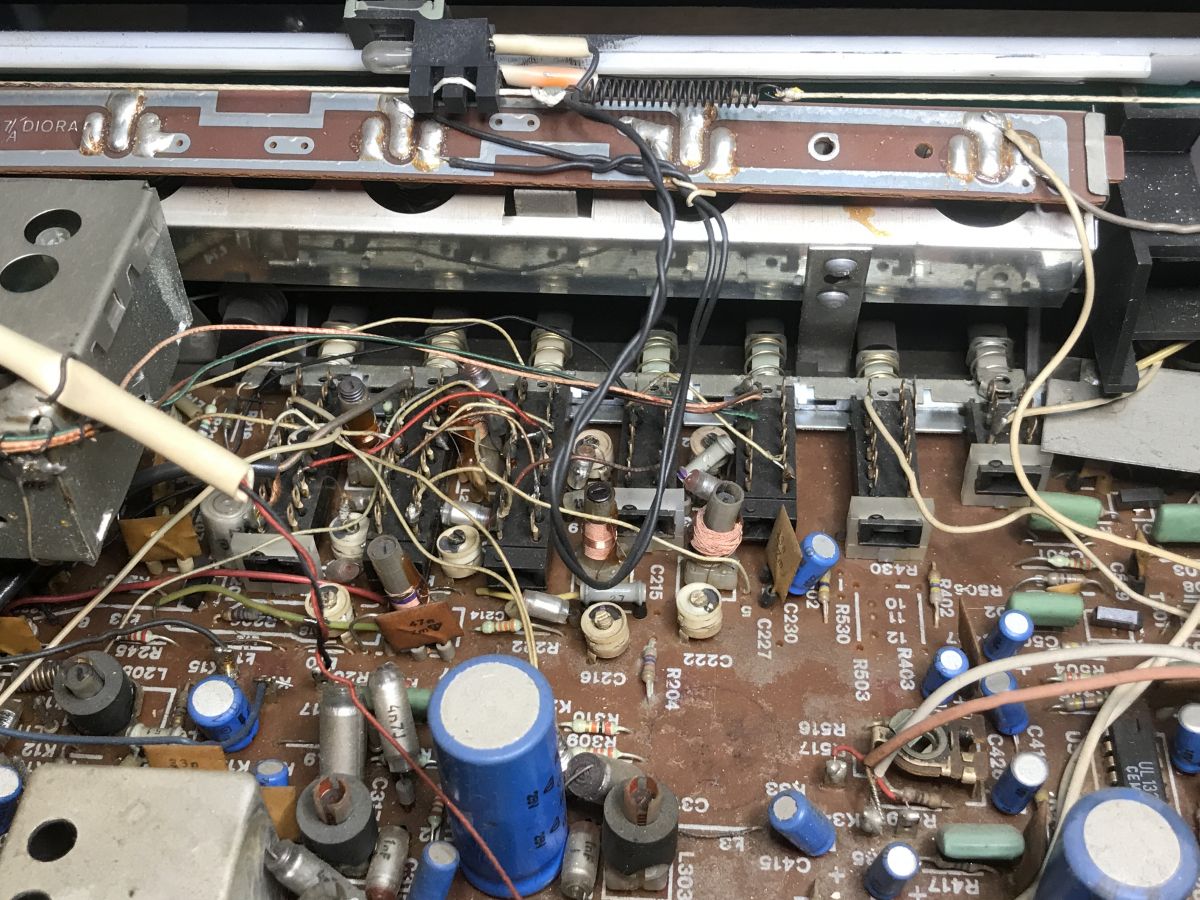
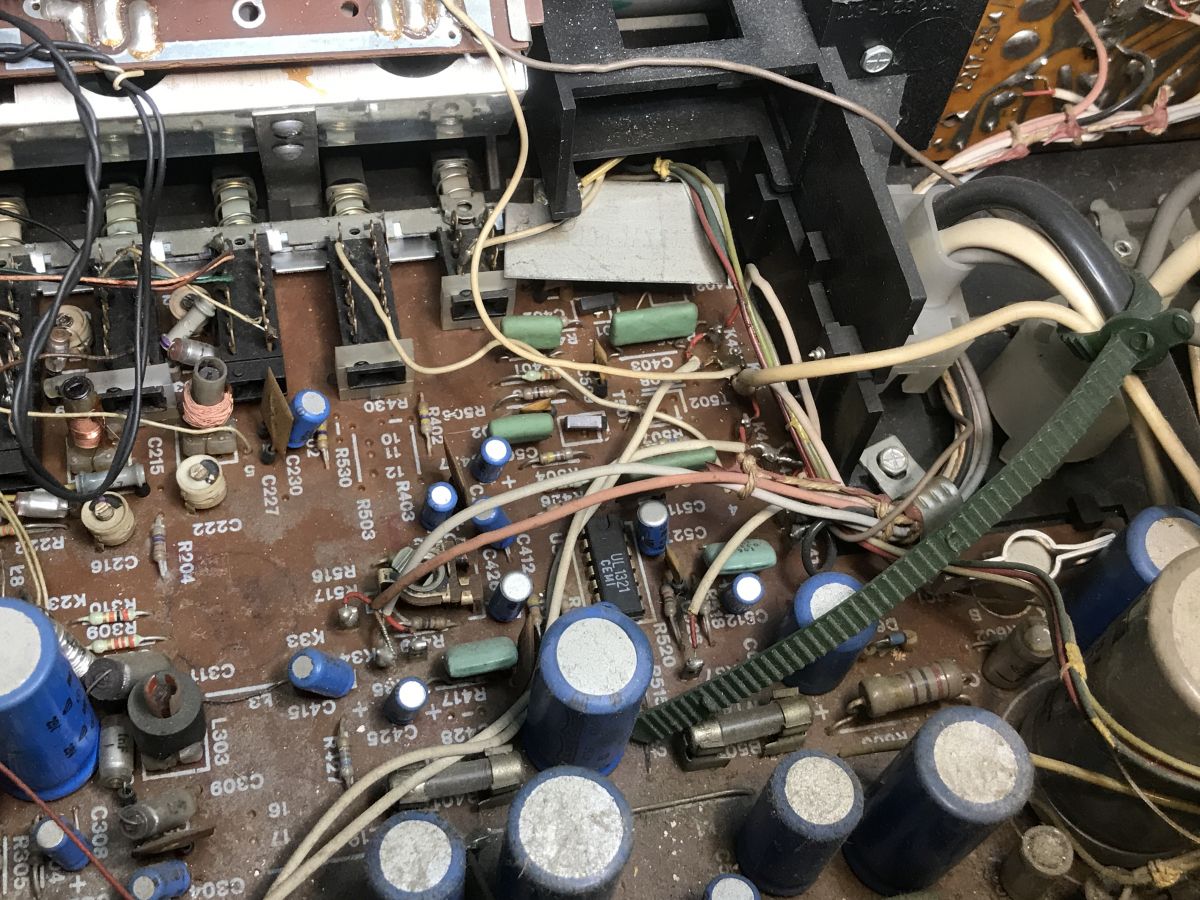
You can see the fuse and the separate PCB from the slide potentiometers:
PCB, isostat type buttons, tuning scale;
.
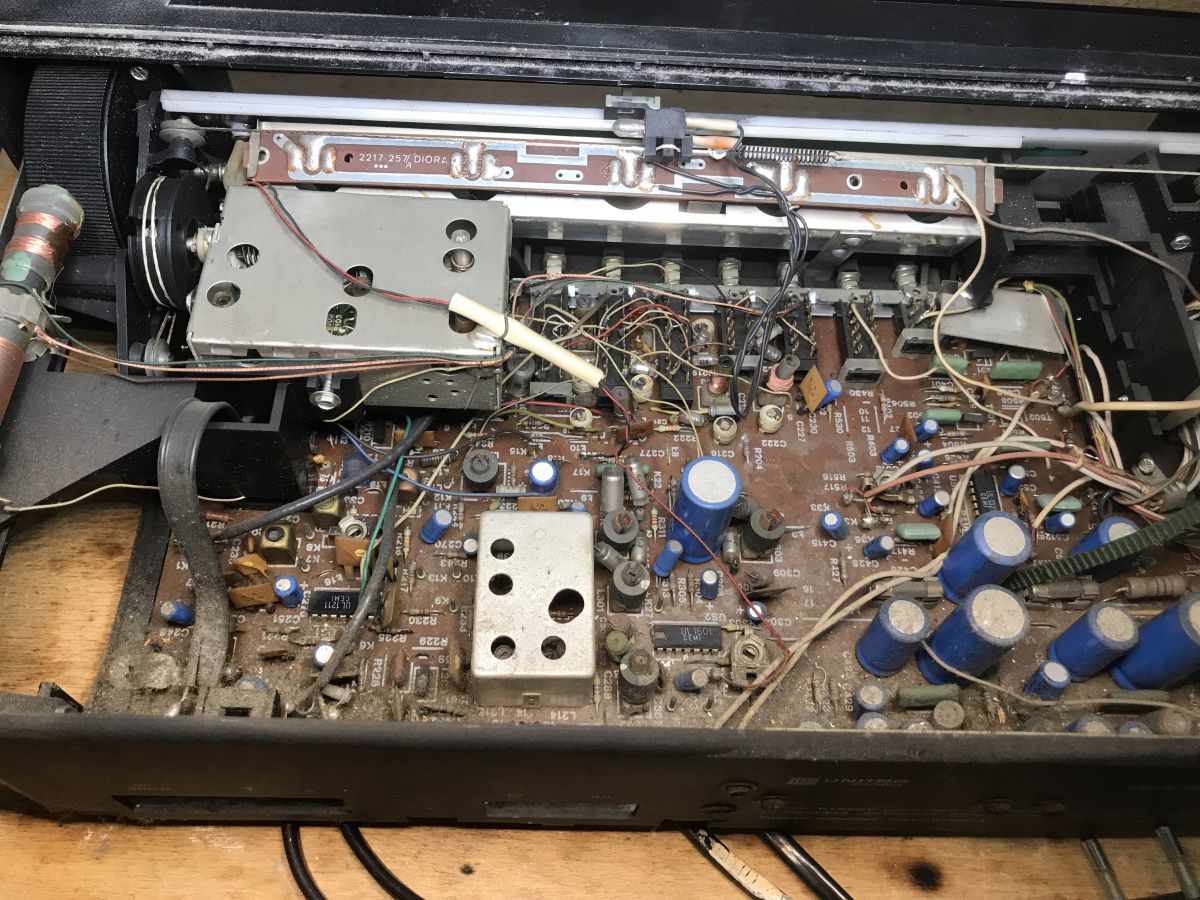
CEMI, UL1321, UL1601, UL1211 circuits can be seen.
Elwa electrolytic capacitors:
.
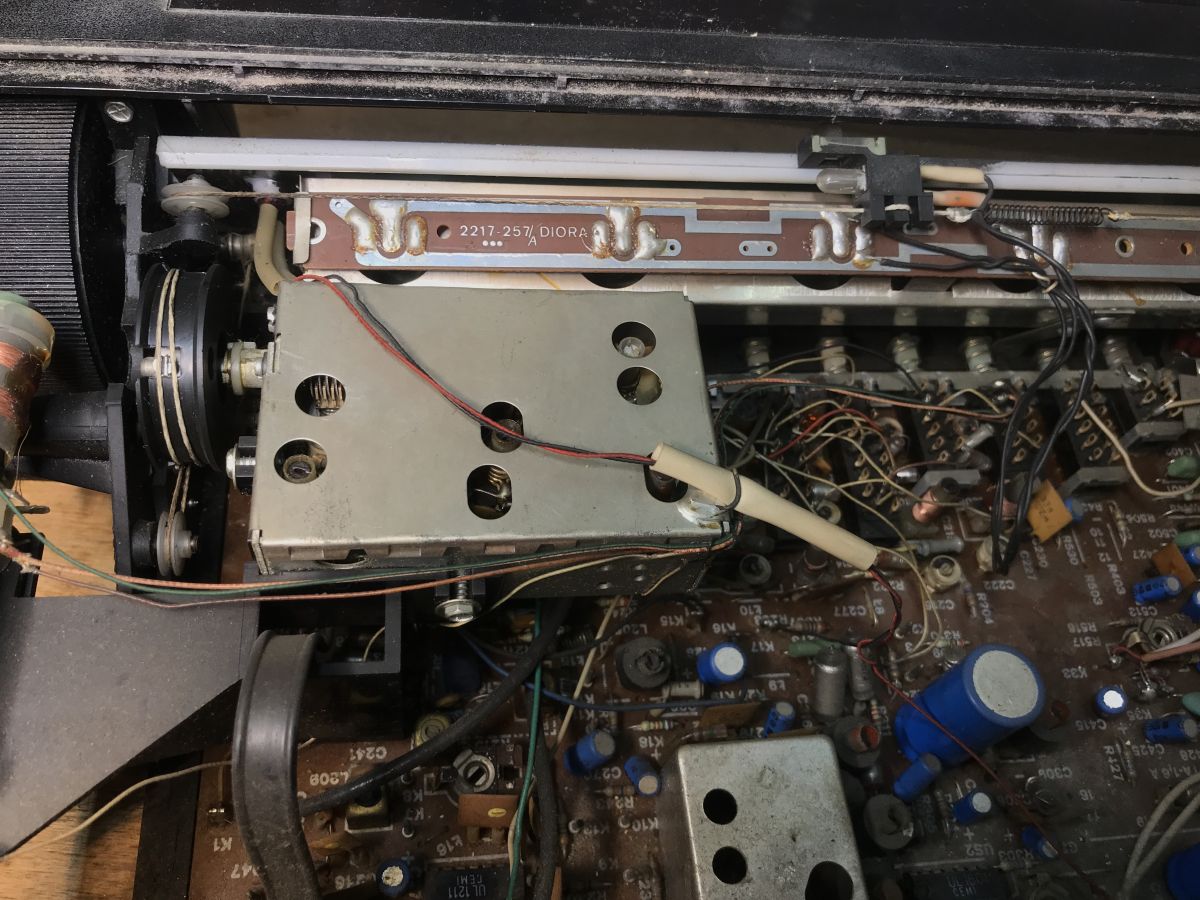
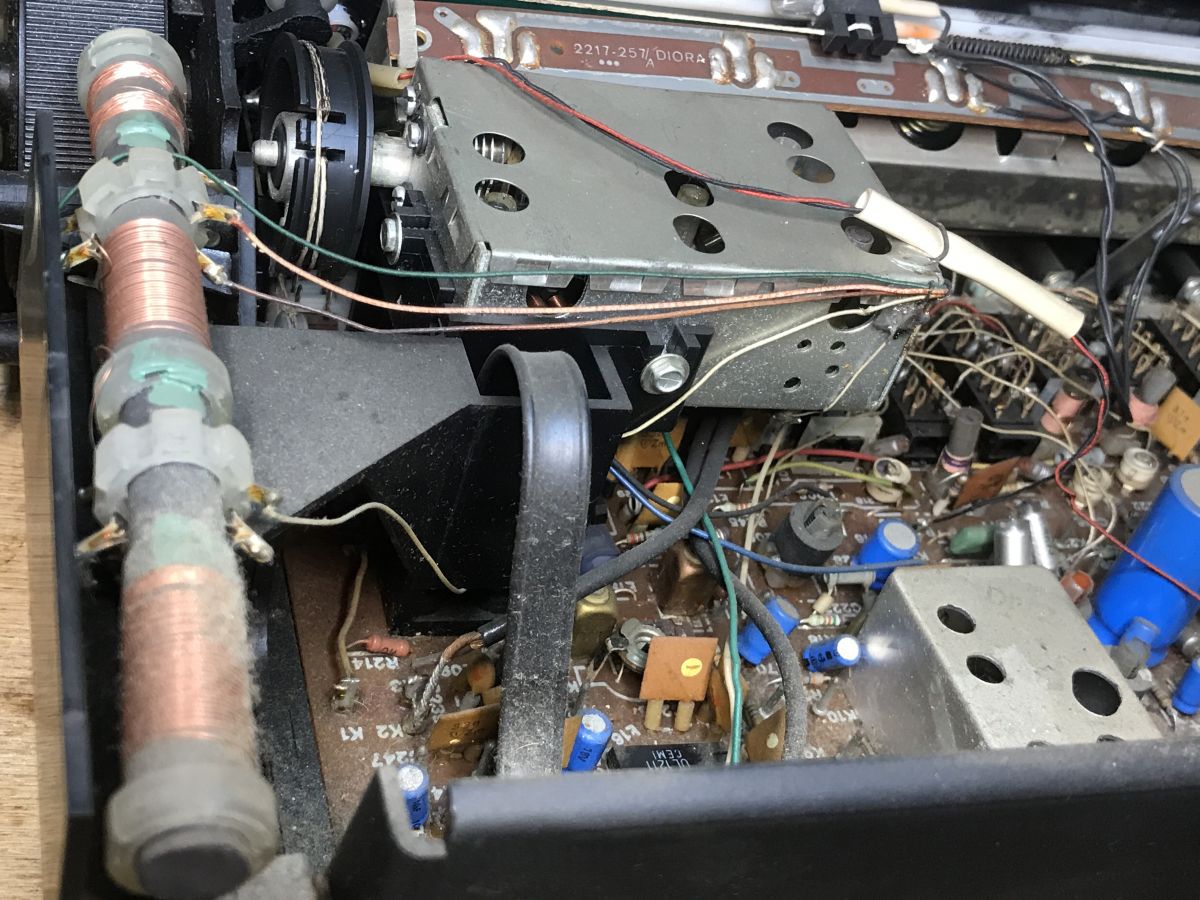
Tuning mechanism and bulb (incandescent, not LED) from backlight:
.
I really like the tuning mechanisms on these types of old radios. This is probably because I grew up with much newer equipment. Here you can see how the bulb is fixed:
.
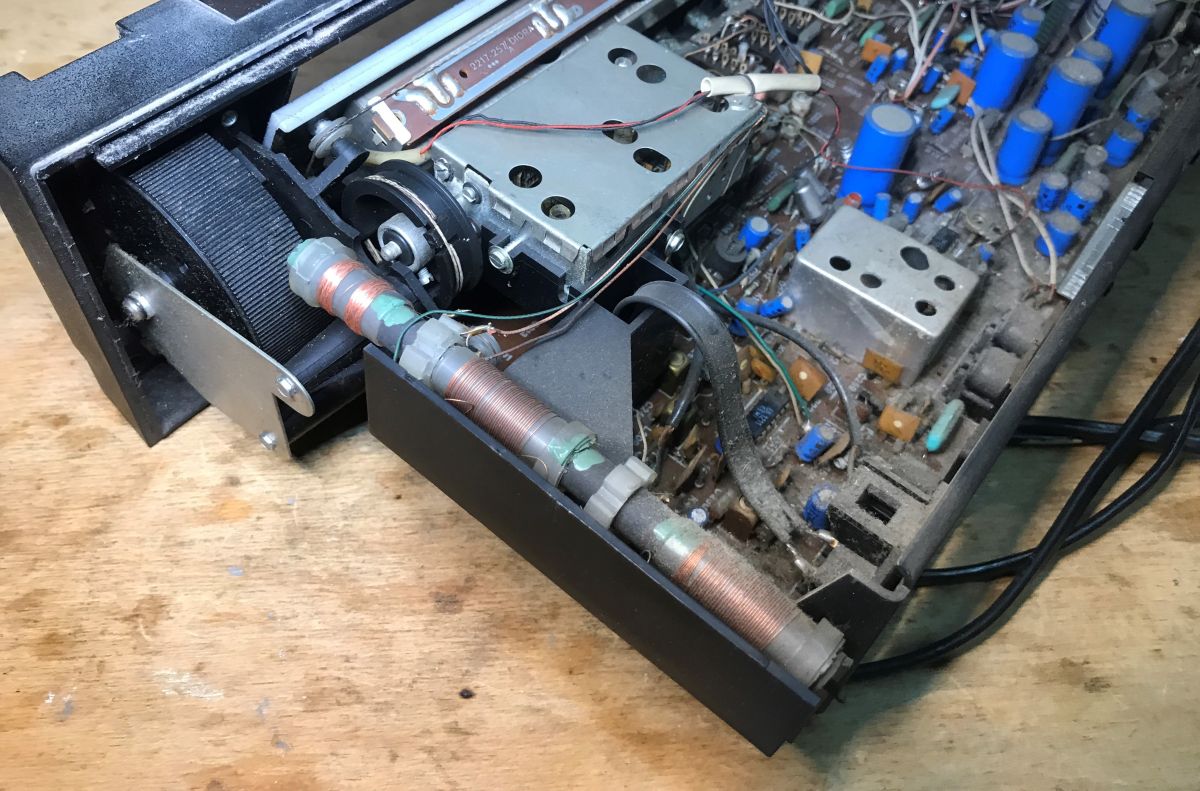
Ferrite antenna:
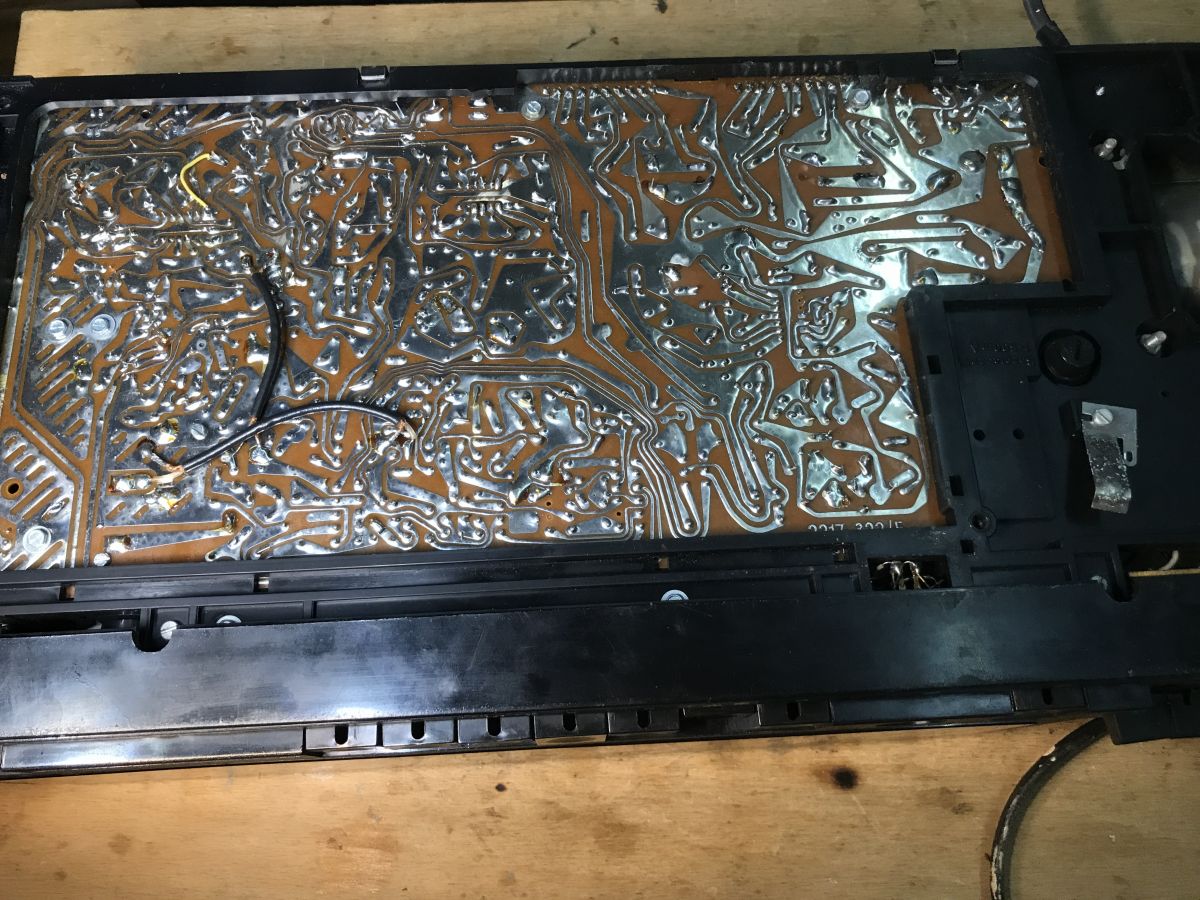
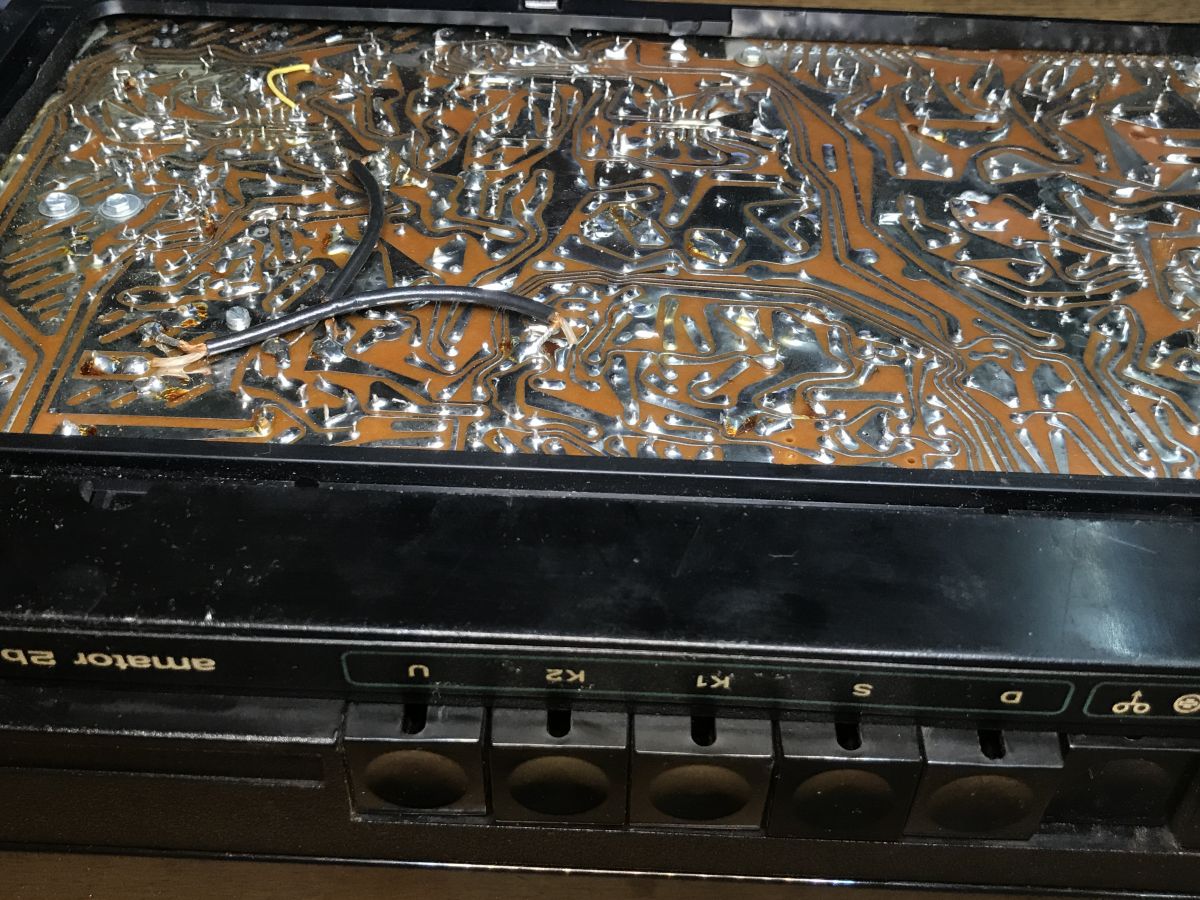
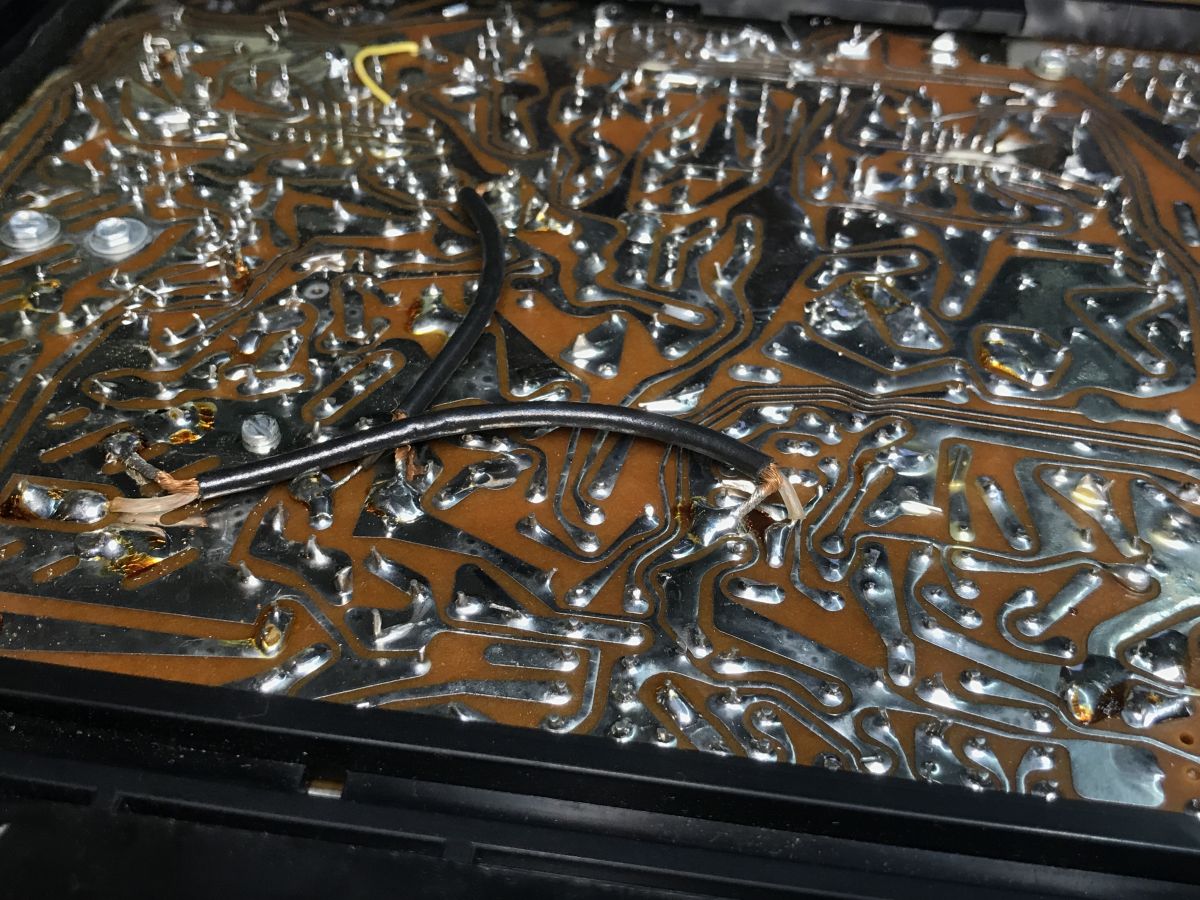
PCB underside:
.
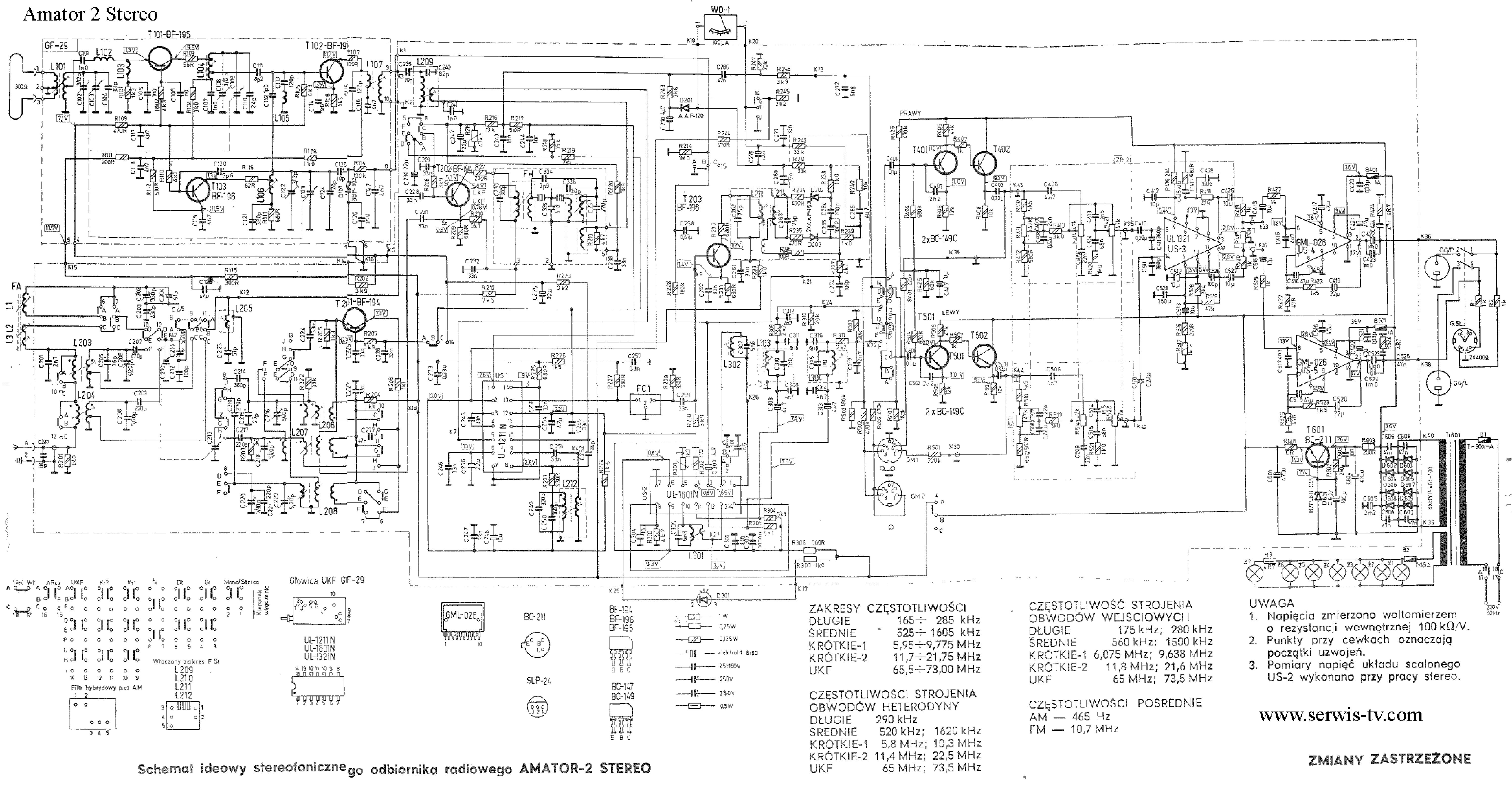
However, photos can't show everything. It's time for a bit of documentation.
Schematic of the Amator 2 stereo:
.
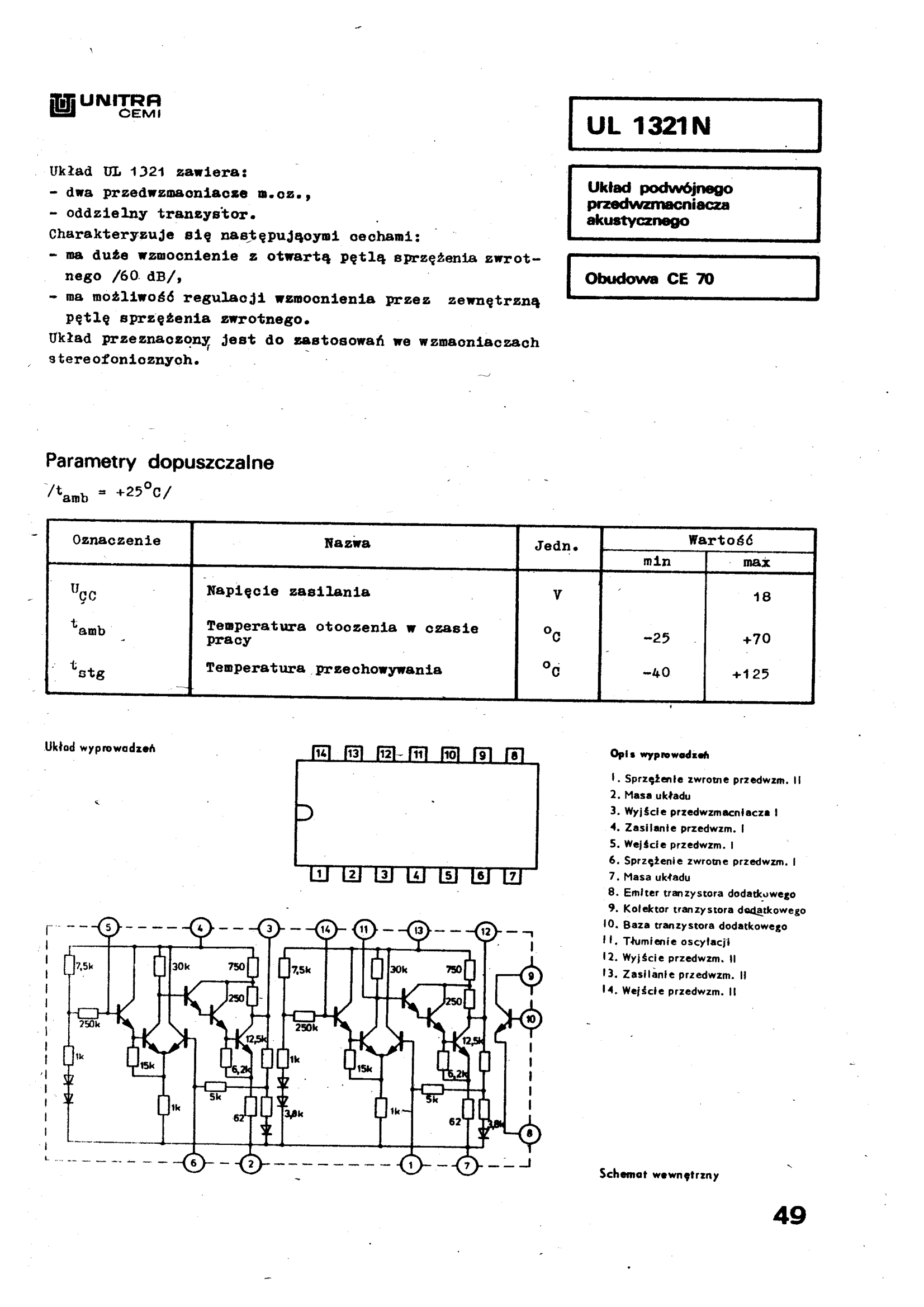
UL1321 (dual acoustic preamplifier circuit):
.
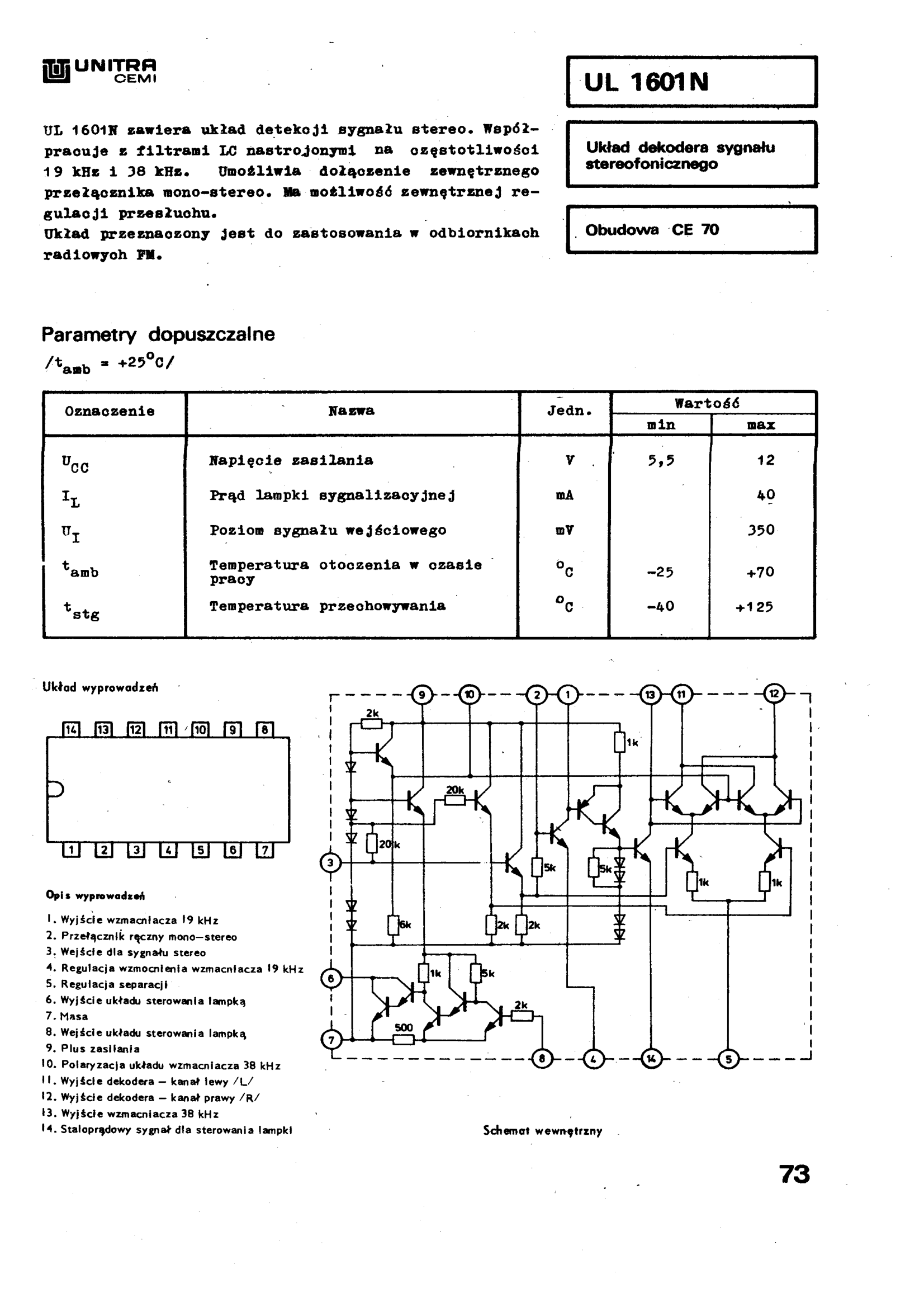
UL1601 (stereo signal decoder circuit):
.
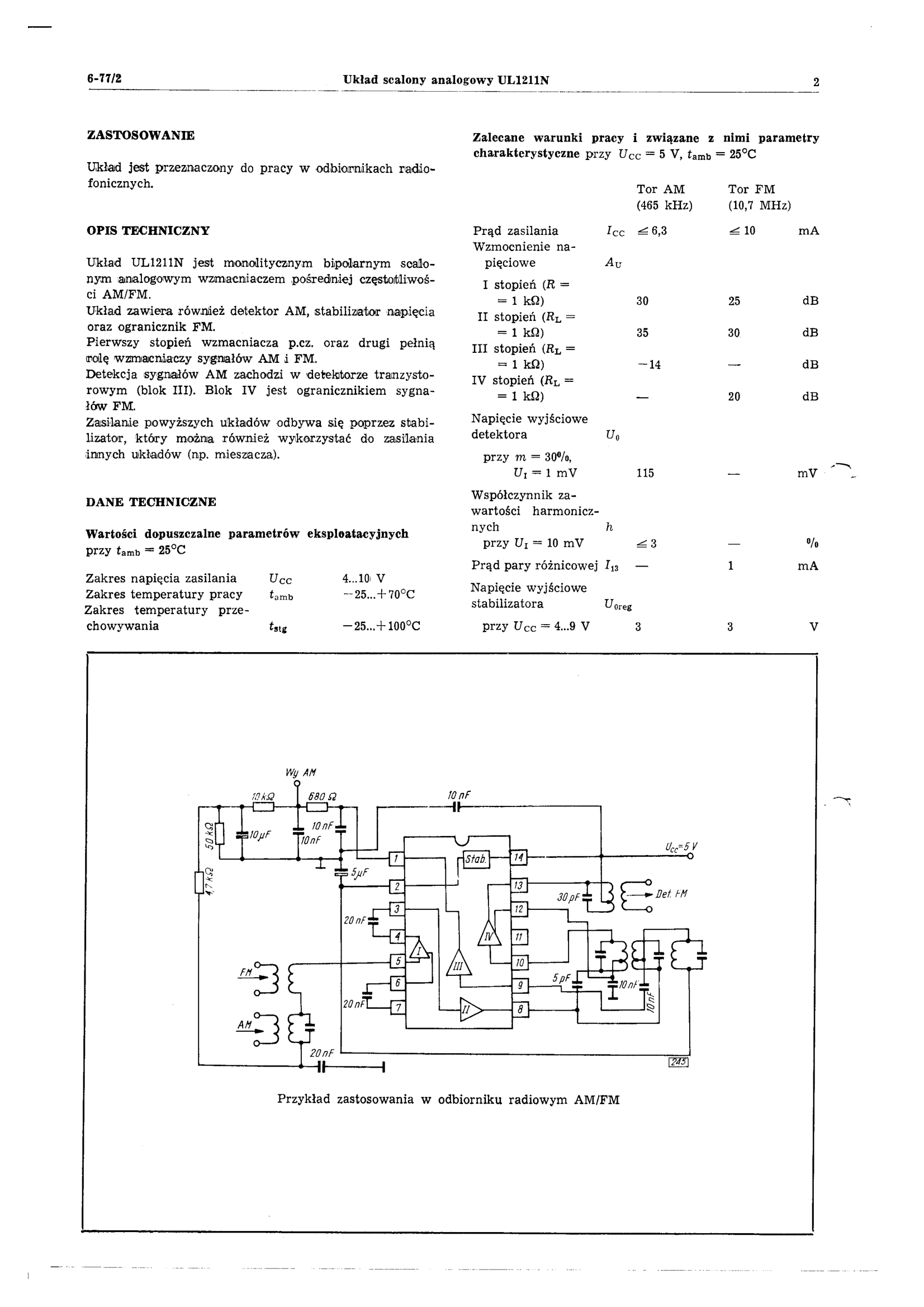
UL1211 (AM/FM intermediate frequency amplifier):
.
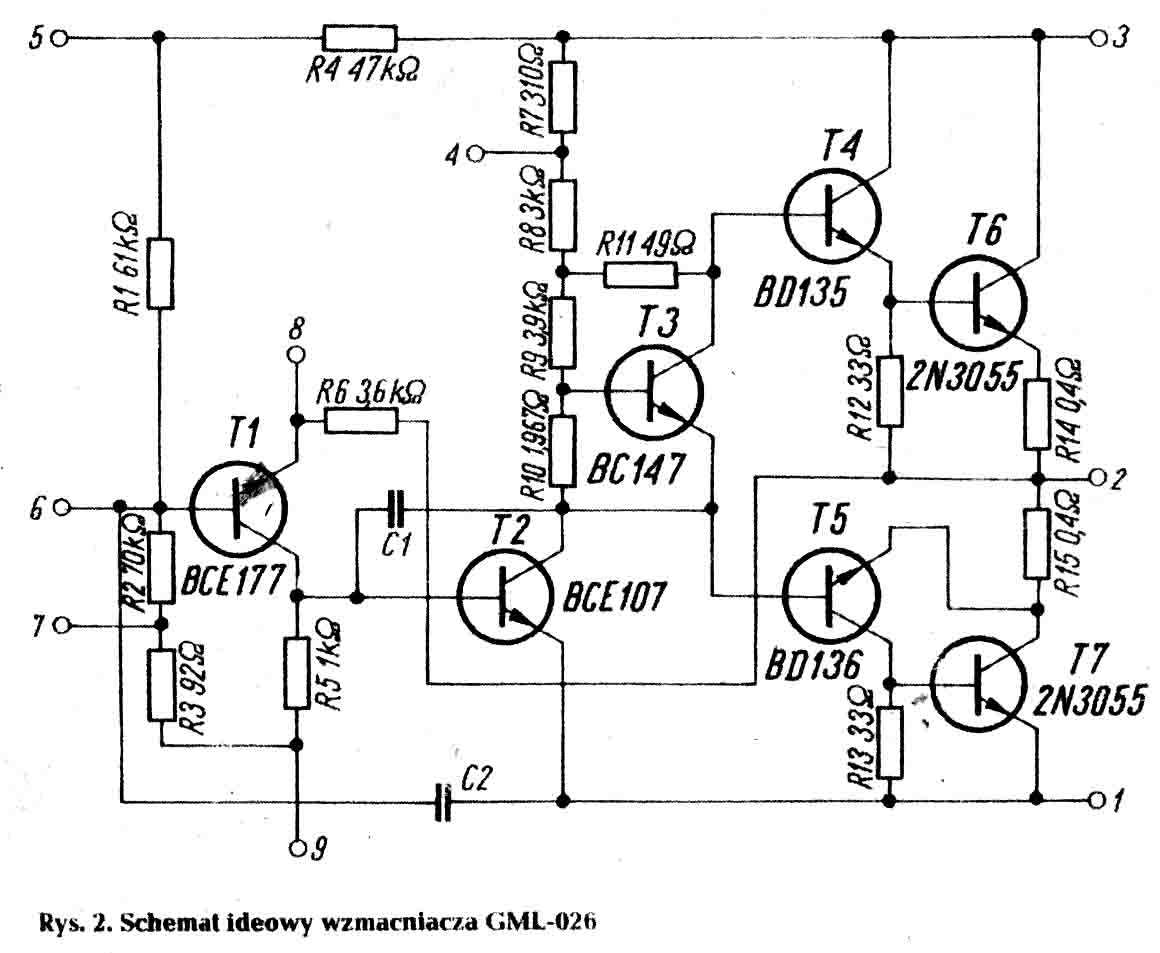
The power amplifier is based on two GML-026s. GML-026 schematic:
.
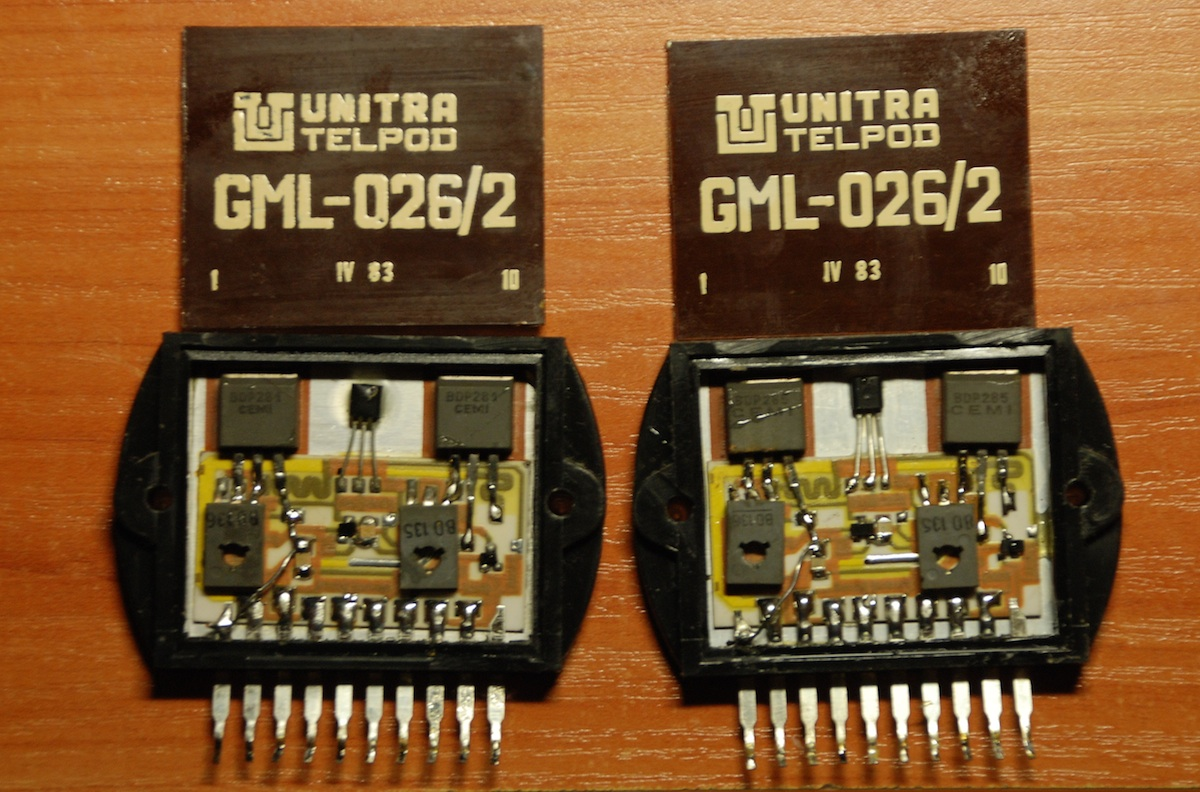
By the way, I see now that I didn't take a photo of them, you can only see their legs in the PCB photo, so I'll use a photo from another topic:
.
The photos above show a slightly different circuit, GML-026/2, but I was unable to find GML-026.
Source: https://www.elektroda.pl/rtvforum/topic1869247.html
Summary Summary
Radio potentially up and running. It's not that bad, spares are still obtainable, even GML-026, will there be a bargain for it? Well I don't know, but I'm happy to have shared another old radio with the forum. If anyone has similar specimens in their collection then feel free to post pictures.
About Author
p.kaczmarek2 wrote 14797 posts with
rating 12954 , helped 659 times.
Been with us since 2014 year.
I think it was the coolest radio I used in those days. I still feel sentimental about it to this day. I wish I had kept it until modern times. [Read more]
p.kaczmarek2
06 May 2024 14:37
It is for this reason that I sometimes try to show this type of equipment in this section, even though I normally deal with digital electronics anyway. All the more reason for me to encourage others to... [Read more]
_Avalanche_
06 May 2024 16:10
Where are the 2N3055 transistors from on the schematic of this GML? [Read more]
Mateusz_konstruktor
06 May 2024 16:13
.
The colleague is confusing concepts.
First of all: GML-026 and GML-026/2 are two different circuits.
At the same time, the radio presented appears to have a factory-installed GML-026/2.
It is impossible... [Read more]
p.kaczmarek2
06 May 2024 16:27
Indeed, the photo in the linked thread shows GML-026/2 and not GML-026. When I get a chance I will take a correct photo, unless anyone has one to hand? [Read more]
tank_driver
06 May 2024 17:57
https://obrazki.elektroda.pl/3921815700_1715011553_thumb.jpg .
These are 2N3055 structures bought with the then valuable foreign exchange, hence the later switch to locally produced power transistors,
Please,... [Read more]
Anonymous
06 May 2024 23:46
.
2N3055 was produced by Hungarian Tungsram and Czechoslovakian Tesla (as well as more powerful KD502/503) - so there was no need to buy structures for foreign exchange - CEMI also somehow in the late... [Read more]
MarekS6
06 May 2024 23:53
this article came to me perfectly here ;p I no longer need to dismantle what I have to look inside out of curiosity :-)
Some time ago I told my neighbour that if she had any old electronic equipment... [Read more]
szeryf3
07 May 2024 10:11
@MarekS6 don't throw it away because it's a shame. A little work and patience and it will play and be a pleasure to the eye.
And I found something like this and a vintage one in my stash.
https://obrazki.elektroda.pl/5785859500_1715069446_thumb.jpg... [Read more]
cirrostrato
07 May 2024 10:39
The power supply reefs from Amators, still quite reasonably priced and in good quantity at auctions, are currently the cheapest source for rewinding into output transformers for SE and PP tube amplifi... [Read more]
James596
07 May 2024 13:13
Putting the tuning cable on this receiver is something of a nightmare. The design itself seems unfriendly in terms of disassembly. The Zodiac was better done in this respect. [Read more]
klamocik
07 May 2024 13:38
A long time ago I just swapped the frayed line for monofilament, a horrible replacement but not to be outdone. [Read more]
kris8888
07 May 2024 14:28
.
But functionally they are identical and can be used interchangeably. [Read more]
dzg4
08 May 2024 07:09
I own the older brother of the DSS201, in the DSS101 I inserted the LA3101 instead of the UL1321, plus the recommended blocking capacitors on the preamp inputs, it has its years and is not Hi Fi for it... [Read more]
ZbeeGin
08 May 2024 12:21
.
There is also a difference in the schematic, as the preamp is made with only one transistor + UL1321. [Read more]
kaem
08 May 2024 23:49
.
I put it on in "two" with the service manual at hand and managed. In the meantime I've learned that different versions of the "Amateur" had different cable mechanisms.
I like it if the internal cable... [Read more]
Renegat_pol
10 May 2024 19:25
In the 1980s I had an Amator 3. It had an orange backlight, an indicator on LEDs (red) and a "better", more powerful amplifier on a "pseudo-hybrid" (GML in discrete version, on through-hole components... [Read more]
dzg4
10 May 2024 22:02
If you'd had it when the DSS101 was produced and driven the ZG 20 with it, you'd have been a power demon on the estate :) , beautifully looking with their glowing scales with the lights off in the room.... [Read more]
Renegat_pol
11 May 2024 08:33
:) I had some ZG for this. As far as I remember 25W. But as it was in my teens, it got destroyed :) . [Read more]
FAQ
TL;DR: The Amator 2B DSS201 uses 465 kHz AM IF and 10.7 MHz FM IF, and one restorer notes it is “potentially up and running.” This FAQ helps collectors and repairers identify the right schematic blocks, find the hidden fuse, and avoid common mistakes with GML modules and tuning-cord work. [#21071835]
Why it matters: The thread combines photos, schematic references, repair observations, and variant corrections that directly reduce disassembly and parts-swap errors.
Model / variant
Visible feature difference
Schematic / circuit difference
Service note
Amator 2B DSS201
No tuning indicator
Preamp differs from Amator 2; one comment notes one transistor + UL1321
Same family, but verify exact board before parts swaps
Amator 2
Has tuning indicator
Different preamp arrangement than 2B
Useful as a schematic comparison baseline
GML-026
Earlier output-module designation
Different circuit than GML-026/2
Not identical internally
GML-026/2
Seen in linked photo and said to be factory-fitted in some sets
Exists in at least two internal variants
Often discussed as a practical substitute
Key insight: The biggest trap is not the radio itself, but variant confusion: Amator 2 vs 2B, and GML-026 vs GML-026/2. Check the actual fitted parts before ordering modules or following a schematic. [#21074258]
Quick Facts
The thread states the Amator 2B covers long wave, medium wave, short wave, and FM, with 465 kHz AM IF and 10.7 MHz FM IF shown in the documentation section. [#21071835]
The mains supply uses a 50 Hz transformer, and the fuse is hidden at the bottom of the case, so safe opening starts from underneath rather than from the front panel. [#21071835]
The audio and radio IC set visible on the board includes UL1321, UL1601, and UL1211, corresponding to the preamplifier, stereo decoder, and AM/FM IF amplifier blocks. [#21071835]
The power amplifier uses two GML modules, but commenters stress that GML-026 and GML-026/2 are different circuits and that some Amator receivers were factory-fitted with GML-026/2. [#21072021]
Service difficulty centers on the tuning mechanism: multiple users call the cord refit hard, and one notes that different Amator versions used different cable mechanisms. [#21075125]
What is the difference between the Polish Amator 2B stereo DSS201 and the regular Amator 2, both in features and in the schematic?
The Amator 2B differs from the regular Amator 2 by lacking the tuning indicator. One later correction also says the schematic differs, because the 2B preamp uses only one transistor plus UL1321. That means the change is not cosmetic only; the front panel and part of the audio path differ as well. [#21074258]
How can I find the fuse in an Amator 2B DSS201 and remove the case safely without damaging anything?
The fuse is hidden at the bottom of the case and must be accessed from underneath. 1. Unplug the radio from the mains. 2. Turn the set over and locate the bottom fuse holder. 3. Remove the case carefully after checking that hidden point first. The original post highlights this bottom-mounted fuse specifically to prevent missed fasteners or forced opening. [#21071835]
What are the AM and FM intermediate frequencies in the Amator 2B, and where are they shown in the schematic?
The Amator 2B uses a 465 kHz intermediate frequency for AM and 10.7 MHz for FM. The author states both values directly before introducing the documentation and schematic images, so they belong to the main receiver diagram rather than to a later comment or guess. [#21071835]
What is the UL1321 chip in the Amator 2B, and what role does it play in the audio path?
UL1321 is the dual acoustic preamplifier IC in the Amator 2B. "UL1321 is an audio preamplifier integrated circuit that boosts low-level program signals before the power stage, and in this thread it is identified as a dual acoustic preamplifier used on the radio’s main board." In the 2B discussion, one comment also ties it to a preamp variant using one transistor plus UL1321. [#21071835]
What is the UL1601 in this radio, and how does the stereo decoder work in the Amator series?
UL1601 is the stereo signal decoder used in this radio. "UL1601 is a stereo decoder integrated circuit that separates the multiplex FM stereo signal into left and right audio channels, and the thread lists it as the dedicated decoder block in the Amator documentation." The post shows it as a separate schematic block alongside the main receiver diagram. [#21071835]
What is the UL1211 used for in the Amator 2B, and how does it handle AM/FM intermediate-frequency amplification?
UL1211 handles the intermediate-frequency amplification for both AM and FM in the Amator 2B. "UL1211 is an AM/FM intermediate-frequency amplifier IC that processes the radio’s IF stages, and the thread identifies it as the dedicated AM/FM IF amplifier used in the Amator circuit." Its role matches the stated 465 kHz AM IF and 10.7 MHz FM IF values. [#21071835]
Where did the 2N3055 transistors shown in some GML module schematics come from, and why are they associated with certain GML versions?
They are associated with certain GML versions because some modules used 2N3055 structures inside the ceramic hybrid. One poster says those structures were bought with scarce foreign exchange, while another counters that 2N3055 was also produced by Tungsram and Tesla and later matched domestically by CEMI with BDP620. The key point is that the 2N3055 reference belongs to specific internal GML constructions, not to every module equally. [#21072606]
How do GML-026 and GML-026/2 differ, and which one was actually factory-fitted in some Amator receivers?
GML-026 and GML-026/2 are different circuits, not two names for the same part. A correction in the thread says the linked photo actually showed GML-026/2, and that the presented radio appears to have factory-installed GML-026/2. The same comment adds an edge case: GML-026/2 itself existed in two internal variants. [#21072021]
When replacing a failed output module in an Amator, how do GML-026 and GML-026/2 compare in practical interchangeability?
They are not identical internally, but one commenter says they are functionally identical and can be used interchangeably in practice. That makes them a service substitute, not a schematic match. Use that interchangeability for repair decisions, but keep the earlier warning in mind that the circuits themselves differ. [#21073125]
Why does an old Amator 2 radio only hum after being connected to a speaker, and what should be checked first before assuming major damage?
A hum alone does not prove major damage. One owner reported only hum after connecting a speaker, then immediately noted two likely first checks: the set may still be on the old FM band, and the tuning knob did not have full travel because the dial cord or mechanism had shifted. Check band compatibility and mechanical tuning travel before diagnosing the amplifier. [#21072611]
How do you restring or refit the tuning cord in an Amator 2, and what makes this mechanism so troublesome during repair?
Use the service manual and expect a tedious mechanical job. 1. Verify which Amator version you have, because cable mechanisms differed. 2. Follow the service drawing when routing the cord. 3. Test full knob travel before final assembly. Several users call this job a “nightmare,” and one says the chassis is unfriendly to disassemble during restringing. [#21075125]
What can be used instead of the original tuning cord in an Amator radio, and what are the pros and cons of using monofilament line?
Monofilament line can replace the original tuning cord, and one user says they did exactly that. The advantage is easy availability when the original cord is frayed. The drawback is clear in the same comment: it is a “horrible replacement,” so it works as a practical fix rather than a faithful restoration material. [#21073076]
How hard is it to retune an Amator 2B from the old OIRT FM band to the current FM band, and which stages usually need adjustment?
The thread does not describe a retuning procedure, but it does show why retuning matters: one owner heard only hum and noted the radio was “probably not tuned” because it used the old FM range. In this discussion, the practical first step is to confirm band compatibility before blaming major faults. No specific adjustable stages are named here. [#21072611]
Which spare parts for the Amator 2B are still reasonably available today, including GML modules, Elwa capacitors, and other common failure points?
The thread says spare parts are still obtainable, “even GML-026,” and another comment says Amator transformers remain available at auctions in good quantity and at reasonable prices. Elwa electrolytic capacitors are present in the set and are visually identified, but no supply claim is made for them here. The safest thread-backed answer is that GML modules and donor transformers are still findable. [#21072901]
Amator vs Zodiac or Tosca: how do these Polish receivers compare in serviceability, tuning-cable design, and internal antenna wiring?
In this thread, Zodiac is judged easier than Amator for tuning-cord work, while Tosca is criticized for rougher internal FM antenna wiring. One repairer says the Zodiac was better designed for disassembly. Another praises the Amator when the internal socket-to-UKF-head lead uses real 300 Ω flat antenna cable, unlike the “hackwork” wiring seen in Tosca and, they think, also Zodiac. [#21075125]
AI summary based on the discussion. May contain errors.







Comments
I think it was the coolest radio I used in those days. I still feel sentimental about it to this day. I wish I had kept it until modern times. [Read more]
It is for this reason that I sometimes try to show this type of equipment in this section, even though I normally deal with digital electronics anyway. All the more reason for me to encourage others to... [Read more]
Where are the 2N3055 transistors from on the schematic of this GML? [Read more]
. The colleague is confusing concepts. First of all: GML-026 and GML-026/2 are two different circuits. At the same time, the radio presented appears to have a factory-installed GML-026/2. It is impossible... [Read more]
Indeed, the photo in the linked thread shows GML-026/2 and not GML-026. When I get a chance I will take a correct photo, unless anyone has one to hand? [Read more]
https://obrazki.elektroda.pl/3921815700_1715011553_thumb.jpg . These are 2N3055 structures bought with the then valuable foreign exchange, hence the later switch to locally produced power transistors, Please,... [Read more]
. 2N3055 was produced by Hungarian Tungsram and Czechoslovakian Tesla (as well as more powerful KD502/503) - so there was no need to buy structures for foreign exchange - CEMI also somehow in the late... [Read more]
this article came to me perfectly here ;p I no longer need to dismantle what I have to look inside out of curiosity :-) Some time ago I told my neighbour that if she had any old electronic equipment... [Read more]
@MarekS6 don't throw it away because it's a shame. A little work and patience and it will play and be a pleasure to the eye. And I found something like this and a vintage one in my stash. https://obrazki.elektroda.pl/5785859500_1715069446_thumb.jpg... [Read more]
The power supply reefs from Amators, still quite reasonably priced and in good quantity at auctions, are currently the cheapest source for rewinding into output transformers for SE and PP tube amplifi... [Read more]
Putting the tuning cable on this receiver is something of a nightmare. The design itself seems unfriendly in terms of disassembly. The Zodiac was better done in this respect. [Read more]
A long time ago I just swapped the frayed line for monofilament, a horrible replacement but not to be outdone. [Read more]
. But functionally they are identical and can be used interchangeably. [Read more]
I own the older brother of the DSS201, in the DSS101 I inserted the LA3101 instead of the UL1321, plus the recommended blocking capacitors on the preamp inputs, it has its years and is not Hi Fi for it... [Read more]
. There is also a difference in the schematic, as the preamp is made with only one transistor + UL1321. [Read more]
. I put it on in "two" with the service manual at hand and managed. In the meantime I've learned that different versions of the "Amateur" had different cable mechanisms. I like it if the internal cable... [Read more]
In the 1980s I had an Amator 3. It had an orange backlight, an indicator on LEDs (red) and a "better", more powerful amplifier on a "pseudo-hybrid" (GML in discrete version, on through-hole components... [Read more]
If you'd had it when the DSS101 was produced and driven the ZG 20 with it, you'd have been a power demon on the estate :) , beautifully looking with their glowing scales with the lights off in the room.... [Read more]
:) I had some ZG for this. As far as I remember 25W. But as it was in my teens, it got destroyed :) . [Read more]