FAQ
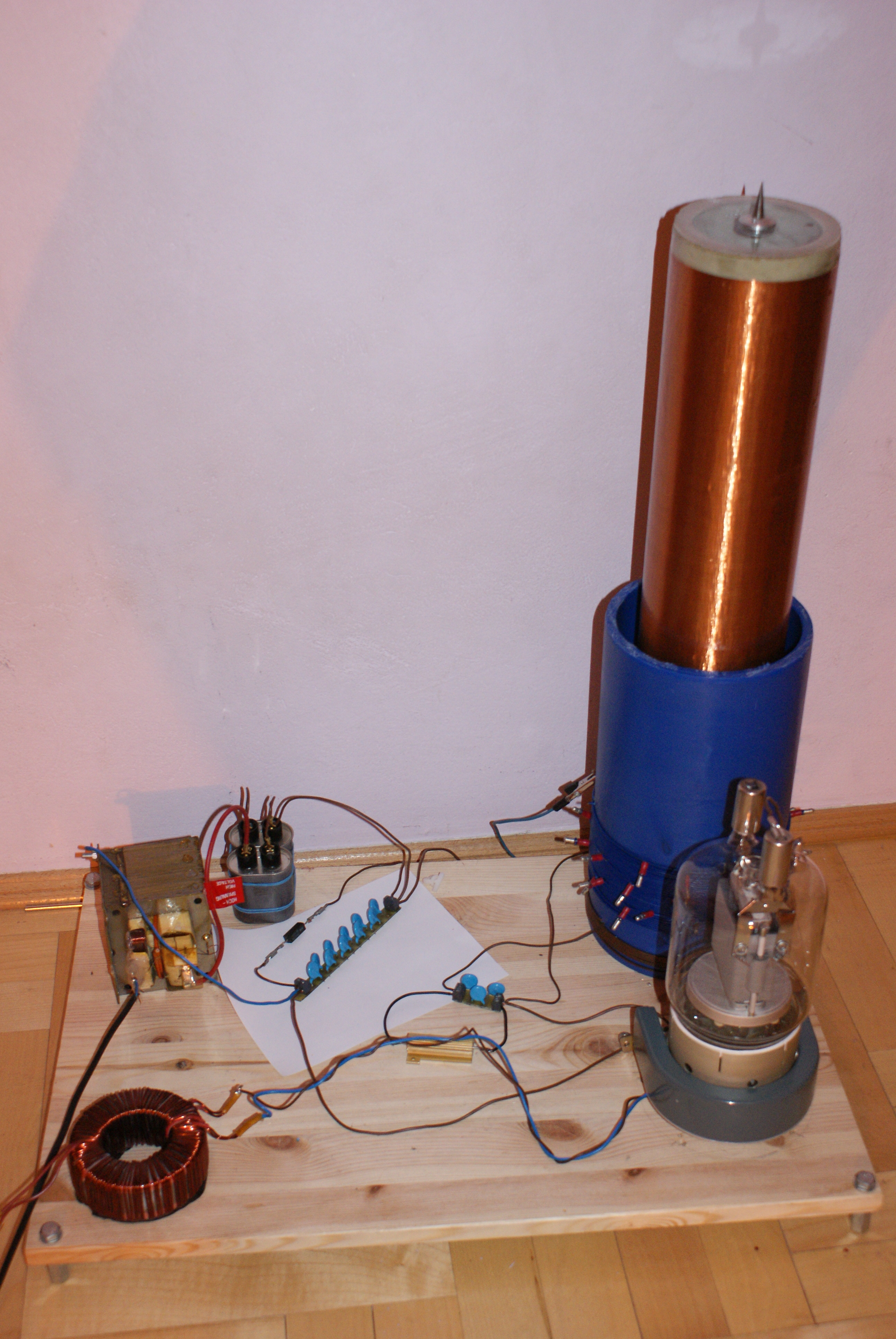
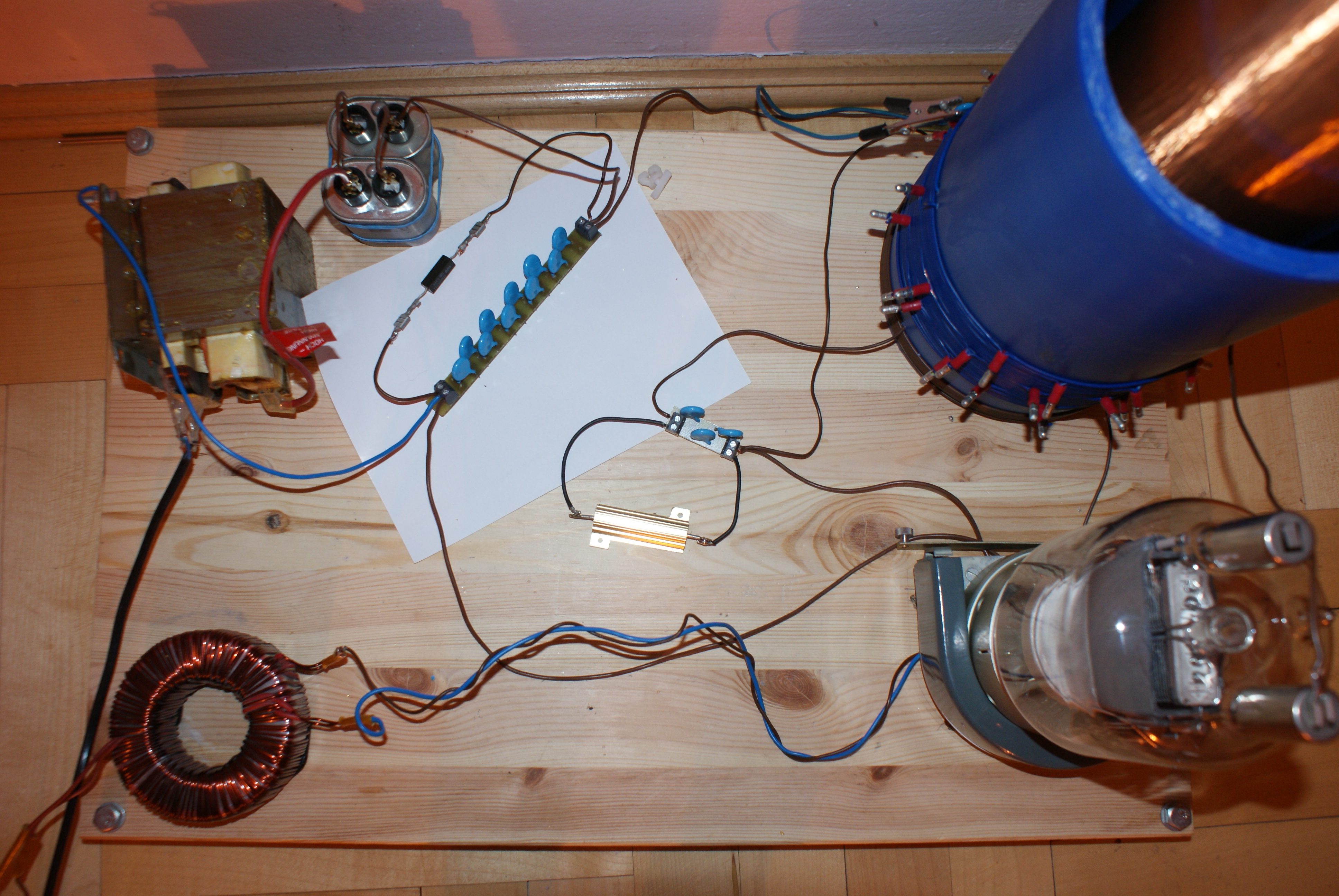
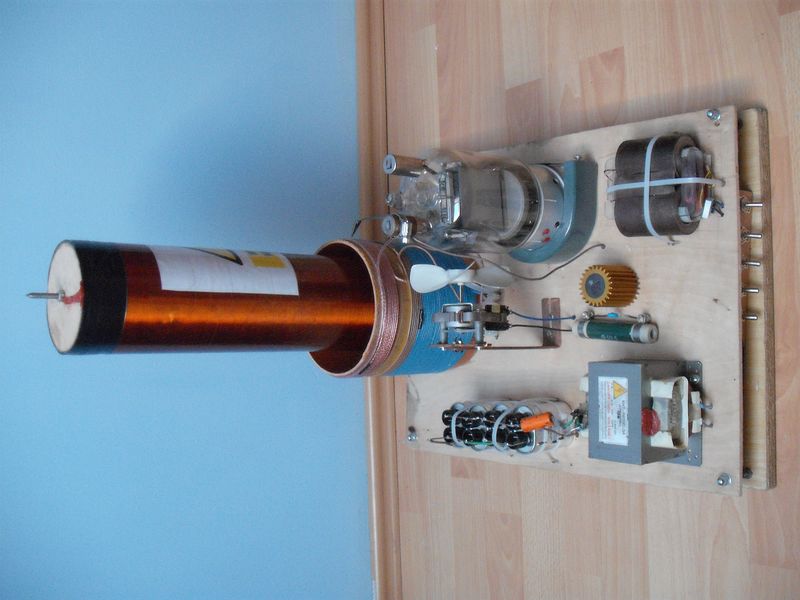
TL;DR: A well-tuned GU-81M vacuum-tube Tesla coil can throw 24 cm sparks on 4 A input current; “The torus can slightly improve the discharges.” [Elektroda, Anonymous, post #7485813][Elektroda, trzaska456, post #7485596]
Why it matters: This FAQ helps hobbyists squeeze maximum, safe performance from VTTC builds.
Quick Facts
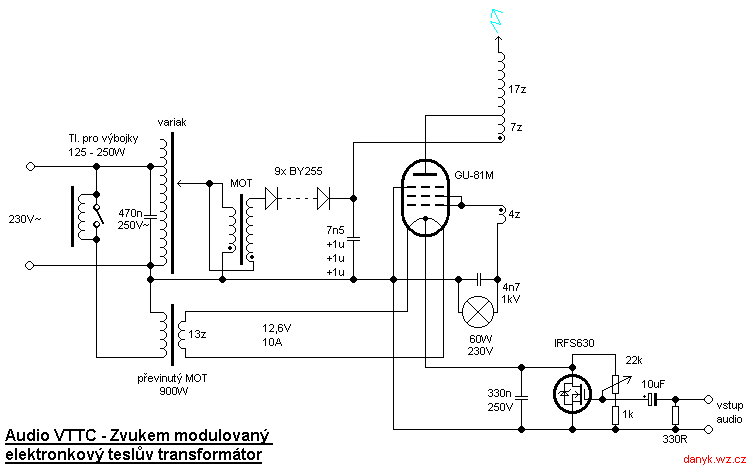
• GU-81M filament: 12.6 V ± 0.6 V, 10–20 A supply recommended [Elektroda, DaKKi, post #7473503][Elektroda, Anonymous, post #7474009]
• Single GU-81M spark length: 20–30 cm when correctly tuned [Elektroda, Anonymous, post #7465698]
• Staccato-controlled coil: up to ~1 m discharges with cycle shortening [Elektroda, Anonymous, post #7483215]
• Typical build cost: PLN 300–350 (≈ €70) including tube, iron, and passives [Elektroda, Anonymous, post #7511231]
• Safe pre-heat: 60 s filament-only before anode power [Tube Data Sheet]
How do I tune a GU-81M VTTC for longer sparks?
Where should I place the feedback (tuning) winding—above or below the primary?
What coupling distance between primary and secondary is safe?
How much spark length can I expect from one GU-81M tube?
What power supply do I need for filament and anode?
Can I run two GU-81M tubes in parallel for more power?
Yes. Wire filaments separately, share a common cathode, and duplicate grid stoppers. Keep the anodes on separate primary halves or a bifilar coil. Expect near-double current draw; upgrade capacitors and transformer accordingly
[Elektroda, miernik998, post #7469930]
Do I really need a toroid on a VTTC?
How does a Staccato Controller improve performance?
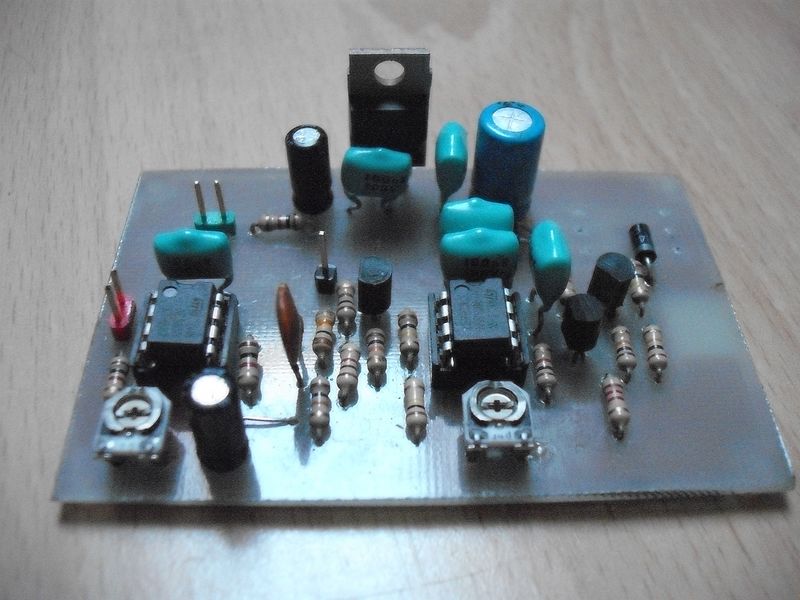
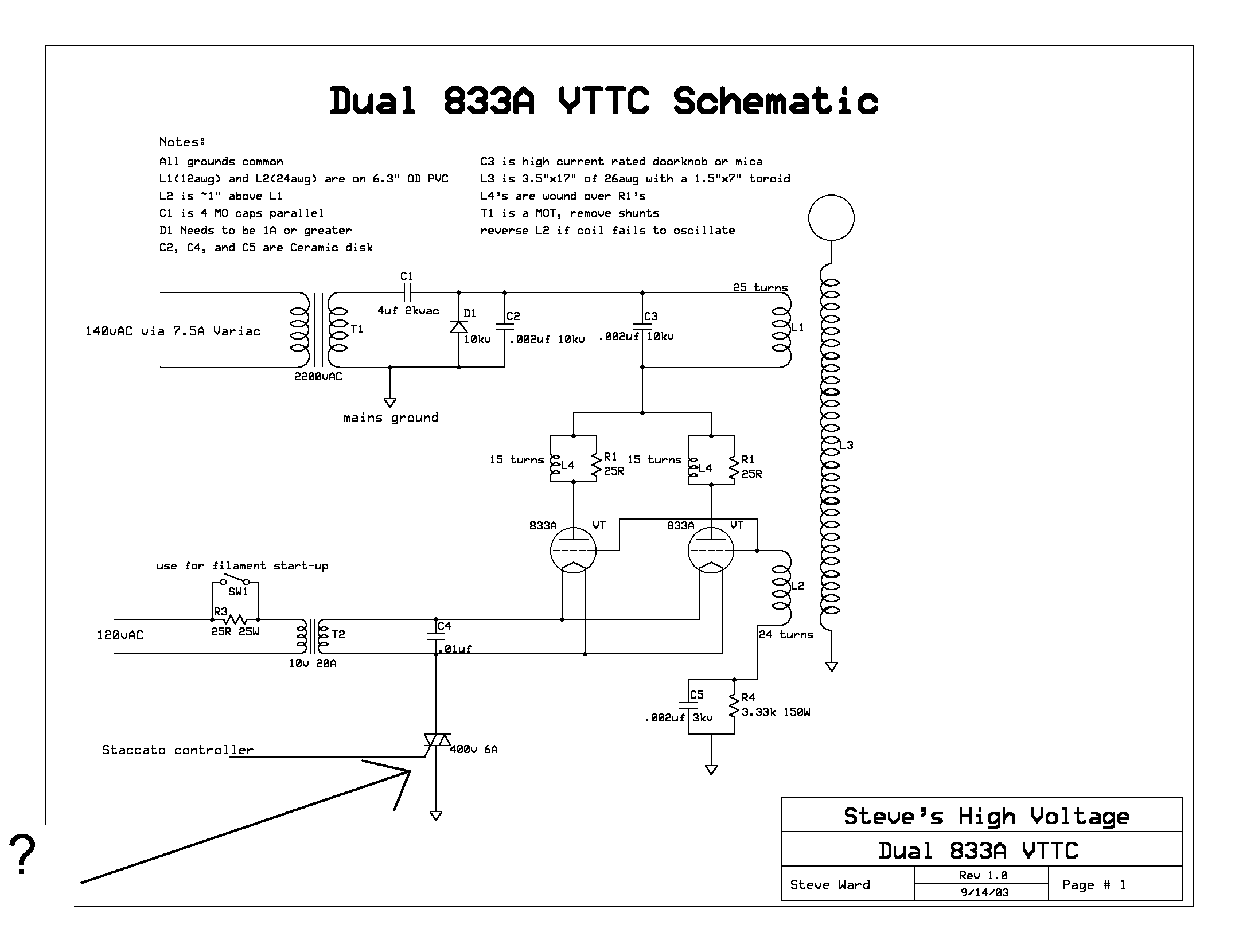
The CMOS-555 Staccato driver fires the tube at the AC peaks, cutting duty cycle to 10–20 %. Peak anode voltage rises, giving longer sparks without overheating; the Steve Ward design boosted output by ~3× in practice
[Elektroda, KJ, post #7469943][Ward, Staccato Controller].
Why does a blue glow appear on the glass envelope?
It’s electron back-scatter hitting the envelope when anode voltage is present without full resonance. This is normal but indicates inefficient operation; retune or add a series resistor
[Elektroda, Anonymous, post #7473029]
How long should I heat the filament before applying high voltage?
My coil just hums and gives no output—what’s wrong?
Are VTTC sparks safe to touch?
They are lower-current RF discharges; brief contact usually causes mild heating, but continuous arcs can burn skin or ignite flammables
[Elektroda, Anonymous, post #7511231] Keep ground connections solid and use insulated tools.
Which capacitors suit the primary resonant tank?
What does reversing a winding lead actually do?
It swaps phase: if the feedback drives the grid 180° out of phase, gain is negative and the coil stalls. Reversing restores positive feedback and oscillation
[Elektroda, slu_1982, post #7790795]
How much does a GU-81M VTTC cost to build?
Edge case: what causes secondary-to-primary punctures?
Too-tight coupling or sharp edges concentrate voltage, leading to flash-over during warm-up
[Elektroda, d3211, post #7788619] Increase spacing, round corners, and limit peak current to <8 A.
AI summary based on the discussion. May contain errors.








 )
)