logo elektroda
logo elektroda
X
logo elektroda

Taloya Clone - Modern/lfxbb Two Pack 14inch 35W 4000LM WiFi LED Flush Mount Ceiling Light + RGB Back

natepalm 1407 1

TL;DR

  • Older 2-pack Taloya clone 14-inch 35W 4000LM WiFi LED flush mount ceiling lights with RGB backlight use a WB3S (BK7231T) controller.
  • Remove eight screws, peel the double-sided tape, then flash the board through pogo pins with the BK7231 GUI flash tool and an FD232 USB adapter.
  • Extracted pins map LED Cool to P7, Blue to P8, Red to P6, Green to P9, and Warm to P2; Flag 12 preserves the last power-on setting.
  • It is rated at 35W versus the 24W Taloya, and it stays super bright on all settings without needing Flag 11.
Generated by the language model.
ADVERTISEMENT
📢 Listen (AI):
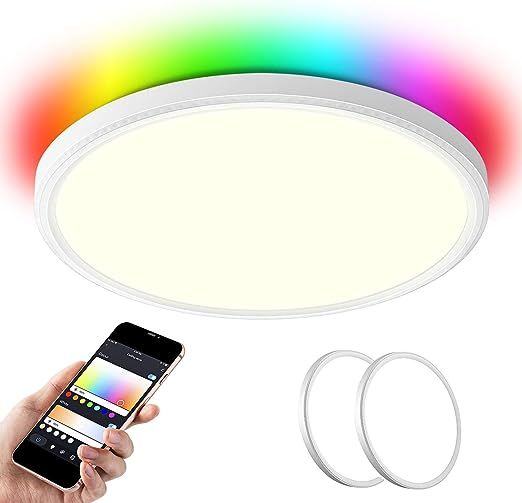
  • This is an older 2 pack Taloya Ceiling Light clone I bought back in '21 while the tuya chip flashing was just starting out, and shelved them. They are no longer available on Amazon https://www.amazon.com/Ceiling-Backlight-compatible-ambiance-ceiling/dp/B08T75TY8K but am posting in case this board shows up in other clones. It's using the WB3S (BK7231T) chip.
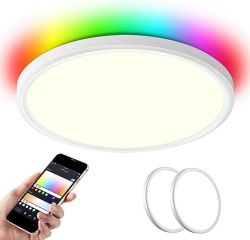
    Round LED ceiling light with colorful backlighting and a smartphone for control.
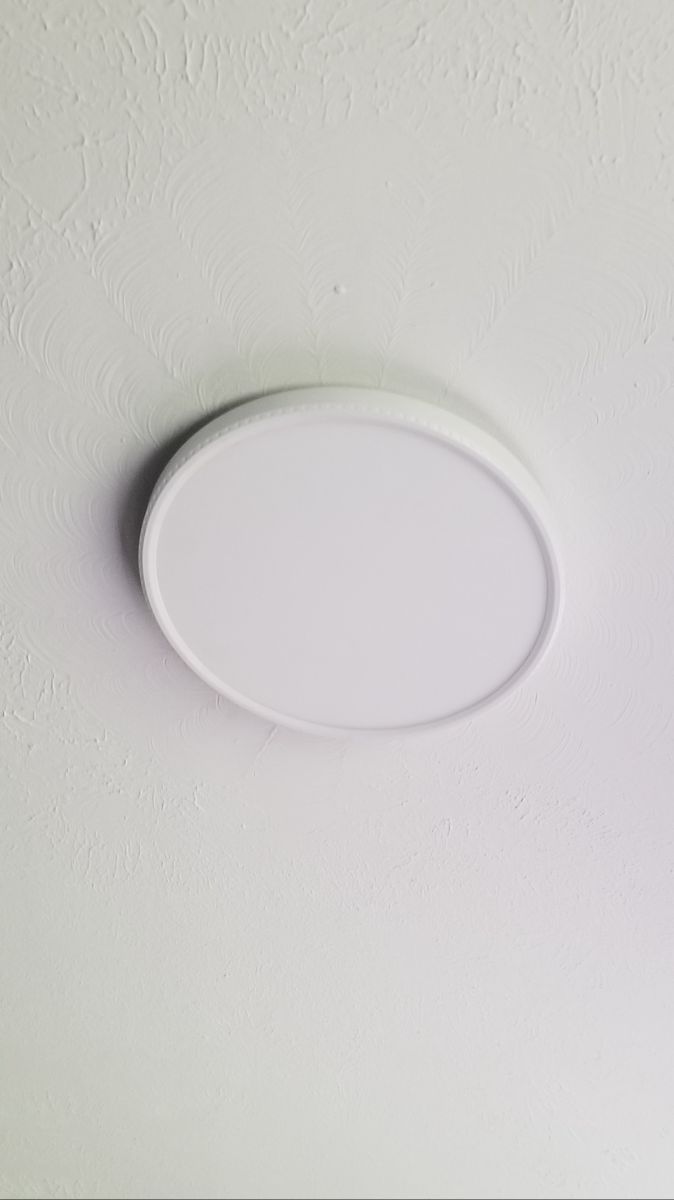
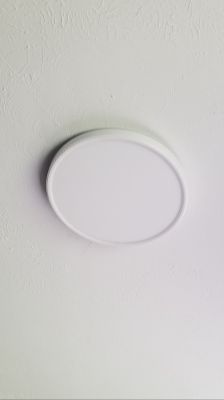
    Round ceiling light mounted on a white ceiling.

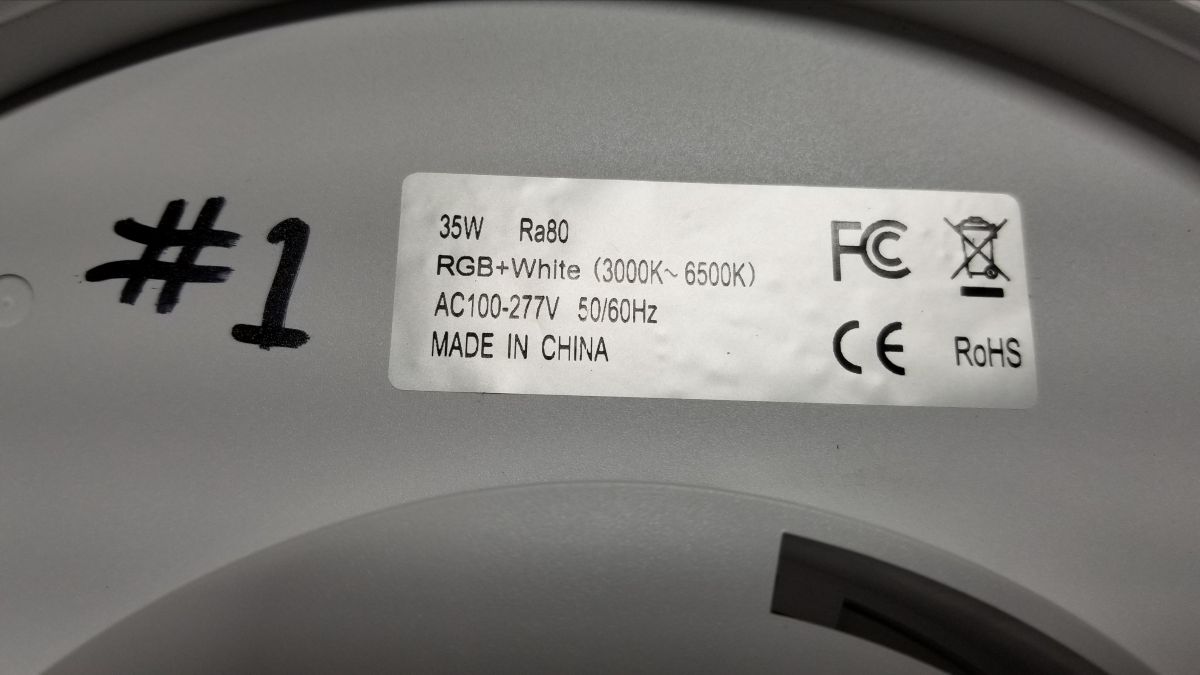
    This one is 35W compared to the 24W Taloya.
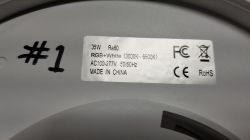
    Technical label on an LED ceiling light.

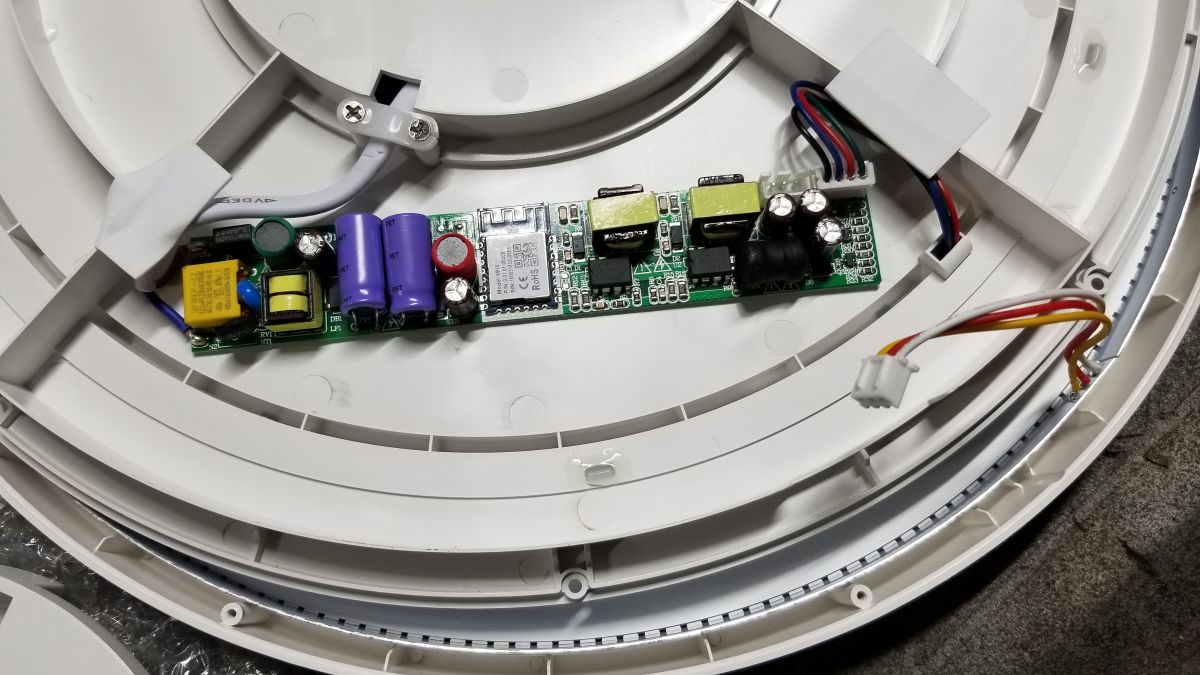
    Opening is the same as Taloya, remove the 8 screws.
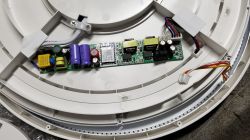
    Interior of a cloned Taloya ceiling lamp with visible WB3S chip board.

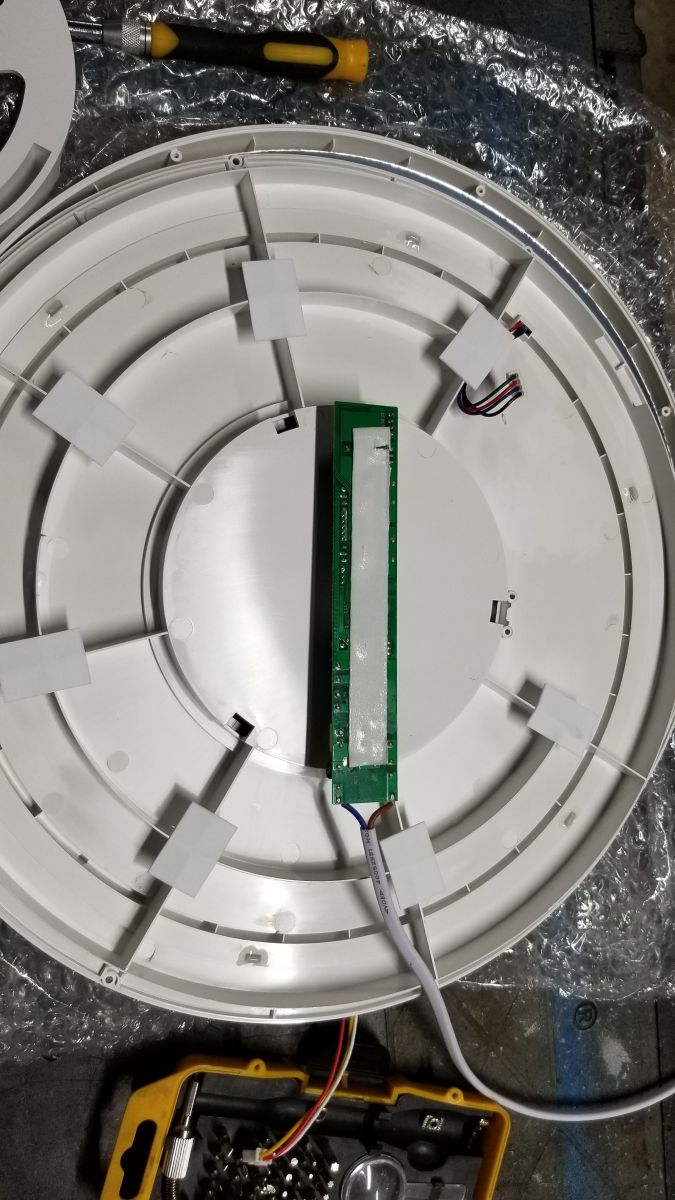
    Secured with double-sided tape so just pull off to remove.
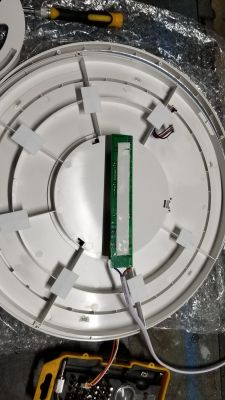
    Ceiling lamp base of Taloya with visible circuit board.

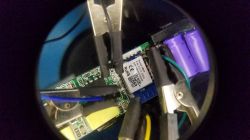
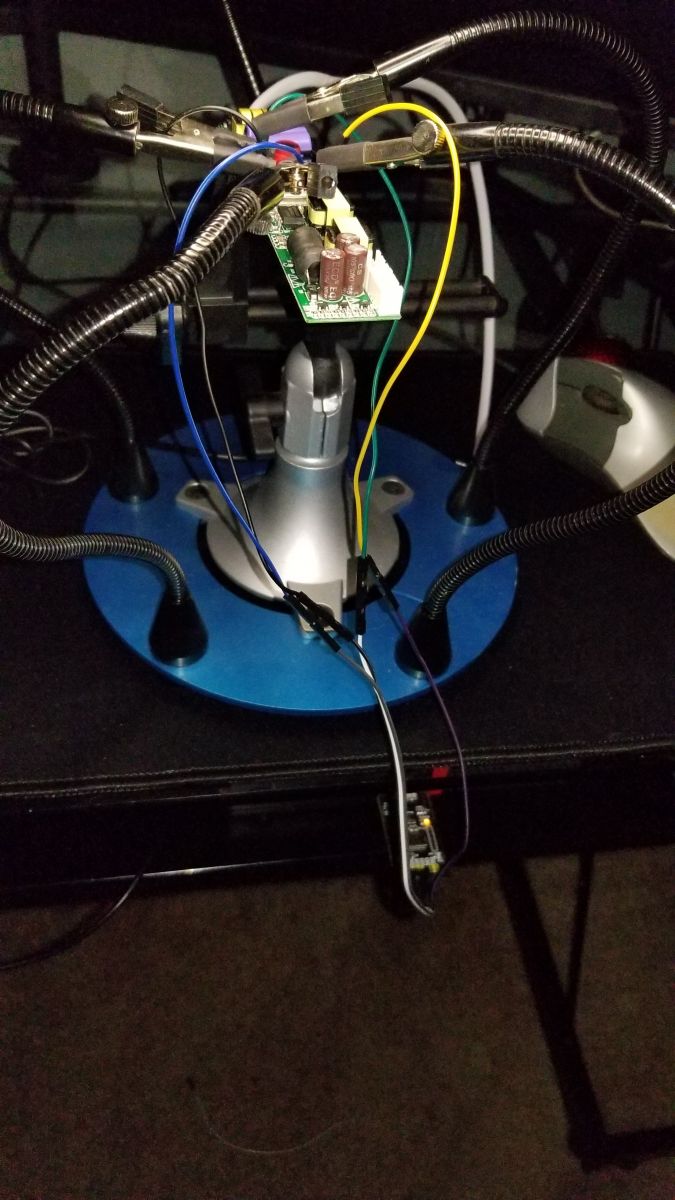
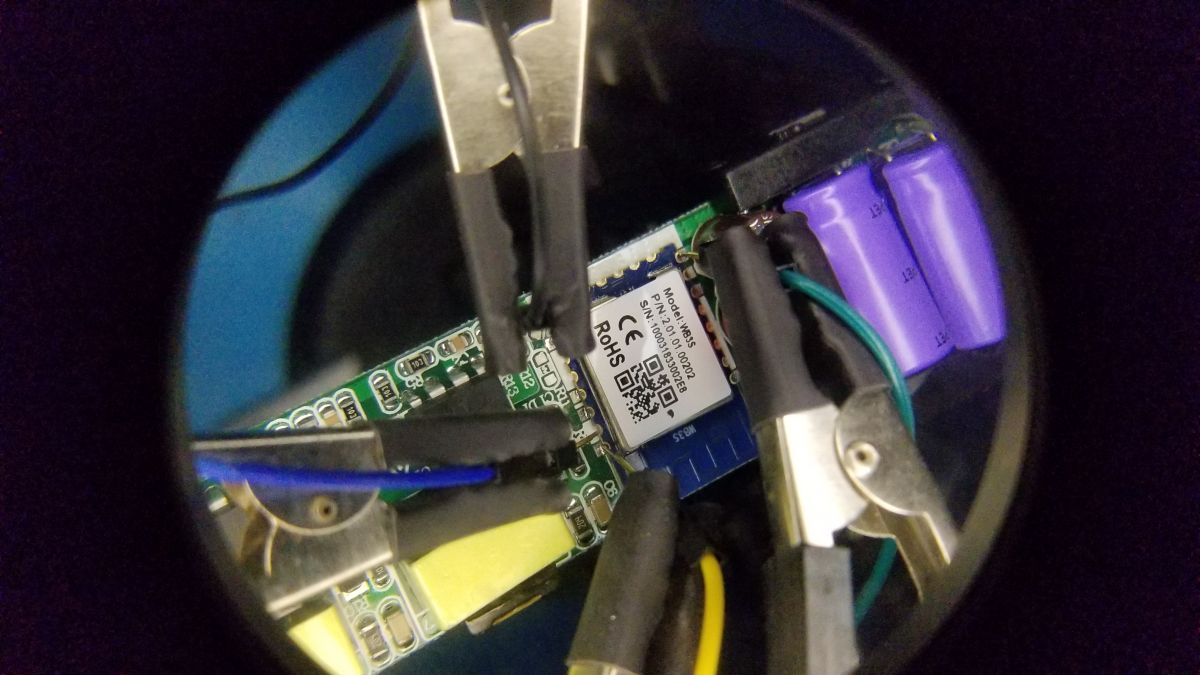
    As you can see the pads are really close to the capacitors, so rather than trying to solder wires, I used a third hand holding Dupont style breadboard jumper wires with 1.27mm pogo-pins stuck in one side, hooked up to an FD232 USB adapter and flashed with the BK7231 GUI flash tool.
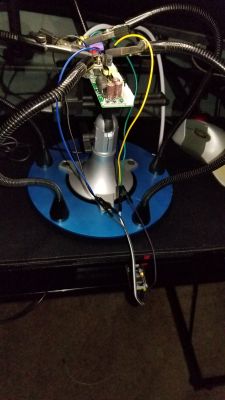
    Circuit board with attached Dupont jumper wires and a robot arm.
    Close-up of an electronic circuit with a WB3S chip and connection wires.

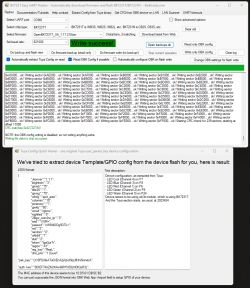
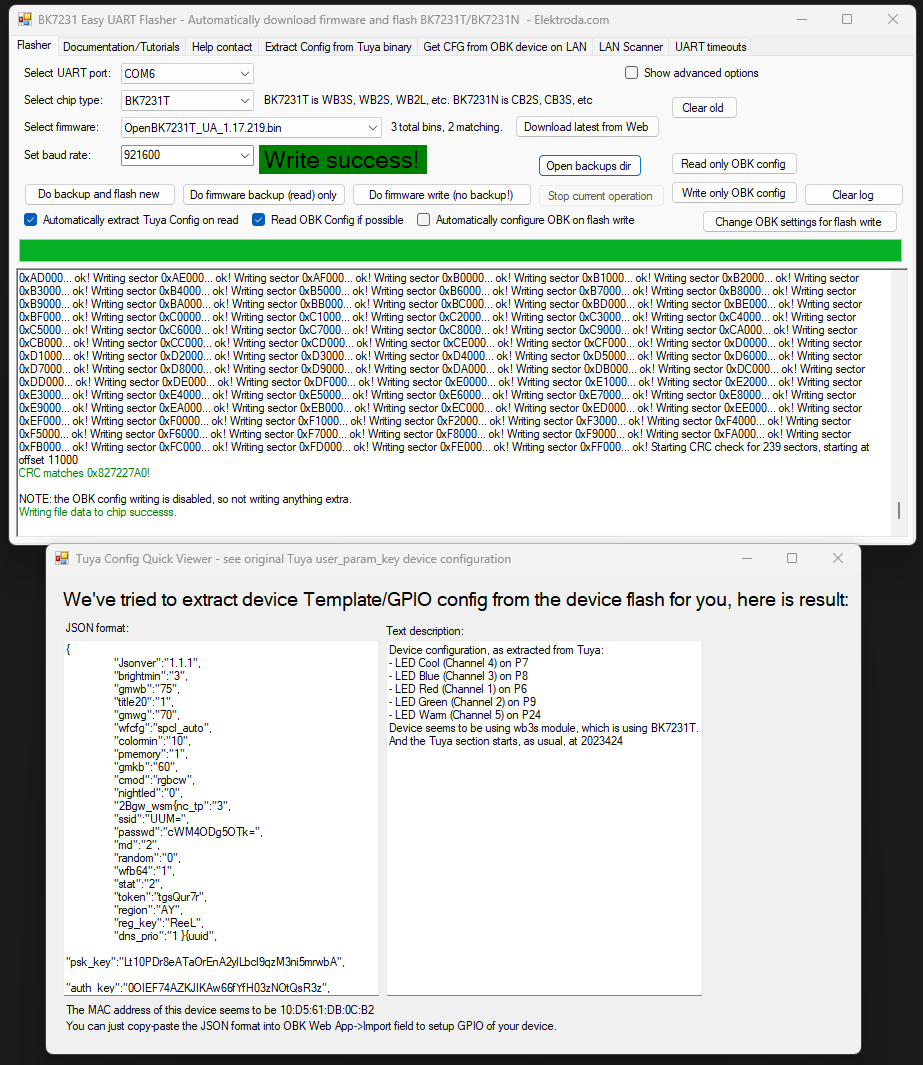
    BK7231T flasher interface with Write success result and extracted GPIO configuration.


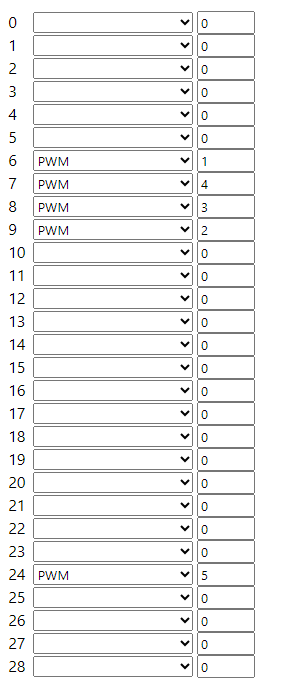
    After you flash, use the extracted pin configuration from the GUI Flash tool to set pins:

    - LED Cool (Channel 4) on P7
    - LED Blue (Channel 3) on P8
    - LED Red (Channel 1) on P6
    - LED Green (Channel 2) on P9
    - LED Warm (Channel 5) on P2

    Flag 12 to remember the last setting at power on.
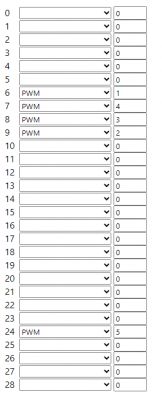
    Pin configuration list for the Taloya ceiling lamp chip on a webpage.

    I did NOT have to set Flag 11 as I do not have an issue with the brightness, it's super bright on all settings.


    JSON Template:
    Code: JSON
    Log in, to see the code

    Cool? Ranking DIY
    About Author
    natepalm
    Level 3  
    Offline 
    natepalm wrote 3 posts with rating 1. Been with us since 2023 year.
  • ADVERTISEMENT
  • #2 20697510
    p.kaczmarek2
    Moderator Smart Home
    Thank you, can you also include JSON template from the Web App, so it's easier for new users to copy settings?
    Helpful post? Buy me a coffee.
📢 Listen (AI):

FAQ

TL;DR: 35 W fixture delivers 4 000 lm yet accepts a 4-minute BK7231T flash, and “pads are really close to the capacitors”[Elektroda, natepalm, post #20697444] Why it matters: converts a cheap Tuya light into privacy-friendly, locally controlled RGB+CCT ceiling light.

Quick Facts

• Power draw: 35 W, ≈0.16 A at 230 V [Elektroda, natepalm, post #20697444] • Light output: 4 000 lm (≈114 lm ⁄ W efficacy) [Elektroda, natepalm, post #20697444] • Diameter: 14 in / 355 mm (listing spec) [“Amazon Listing”] • MCU module: WB3S with BK7231T Wi-Fi SoC [Elektroda, natepalm, post #20697444] • Typical Amazon price when available: US $52 per 2-pack [“Amazon Listing”]

What electronics sit inside this Taloya-style ceiling light?

The controller board carries a WB3S module using a BK7231T Wi-Fi SoC, five MOSFET-driven PWM channels, and 120 V–240 V AC buck supply [Elektroda, natepalm, post #20697444]

How do I open the fixture without damage?

Undo eight perimeter screws, then pry the driver plate off the housing; double-sided tape holds it, so apply steady pull force [Elektroda, natepalm, post #20697444]

Which pins control each LED channel after flashing?

Set PWM pins: P7-Cool White, P8-Blue, P6-Red, P9-Green, P2-Warm White. Import JSON or map manually in OpenBeken [Elektroda, natepalm, post #20697444]

Can I flash open-source firmware without soldering?

Yes. Use pogo-pin Dupont leads to touch pads near the capacitors and connect to an FD232 USB-TTL adapter [Elektroda, natepalm, post #20697444]

Quick 3-step flashing guide?

  1. Hold pogo pins on 3 V3, GND, RX, TX, BOOT.
  2. Run BK7231 GUI Flash tool; upload OpenBeken; total time ≈4 min [Elektroda, natepalm, post #20697444]
  3. Reboot, then import the JSON template to auto-set pins.

Do I need Flag 11 to fix brightness?

Most units stay bright; author reports no dimming bug, so Flag 11 stays off [Elektroda, natepalm, post #20697444] Enable it only if minimum brightness looks too high.

How bright is it compared with the 24 W Taloya?

At 4 000 lm, this 35 W model outputs about 67 % more light than the 24 W (≈2 400 lm) version—a clear upgrade [Elektroda, natepalm, post #20697444]

Any edge-case risks while flashing?

The LED pad cluster sits millimetres from high-value capacitors; a slip can short them. “Use a third hand” clamp to steady probes [Elektroda, natepalm, post #20697444]

What tools are required?

Essential: Phillips screwdriver, FD232 (or CH340) USB-TTL adapter, five pogo-pin Dupont jumpers, and BK7231 GUI Flash software. Optional: 3-D printed jig for repeat flashes [Elektroda, natepalm, post #20697444]

Can I still buy this exact SKU?

The B08T75TY8K listing shows "Currently unavailable"; look for rebranded 14 in, 35 W WB3S lights under names like LFXBB [“Amazon Listing”].

How much energy does the lamp use yearly?

Running 3 h daily, 35 W consumes 38.3 kWh/year. At US $0.16 / kWh, cost ≈US $6.13 [EIA Average, 2023].
Generated by the language model.
ADVERTISEMENT