logo elektroda
logo elektroda
X
logo elektroda

LED lamps powered by an 18650 cell instead of AA

Brutal123 6693 13

TL;DR

  • A lamp power conversion uses an 18650 battery holder with a switch and a USB-C charging module instead of AA cells.
  • The holder for 2 cells in series was rewired to 2 in parallel, making the voltage suitable for lamps normally run from 3xAA.
  • The same approach can be adapted to 2xAA lamps by changing the resistor.
  • The modification brought significant battery savings, although mains power remains the preferred option when available.
Generated by the language model.
ADVERTISEMENT
Treść została przetłumaczona polish » english Zobacz oryginalną wersję tematu
📢 Listen (AI):
  • I present an alternative to powering the lights with batteries.
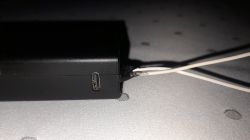
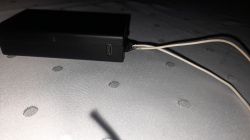
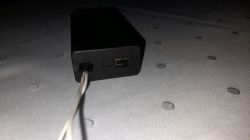
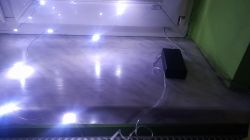
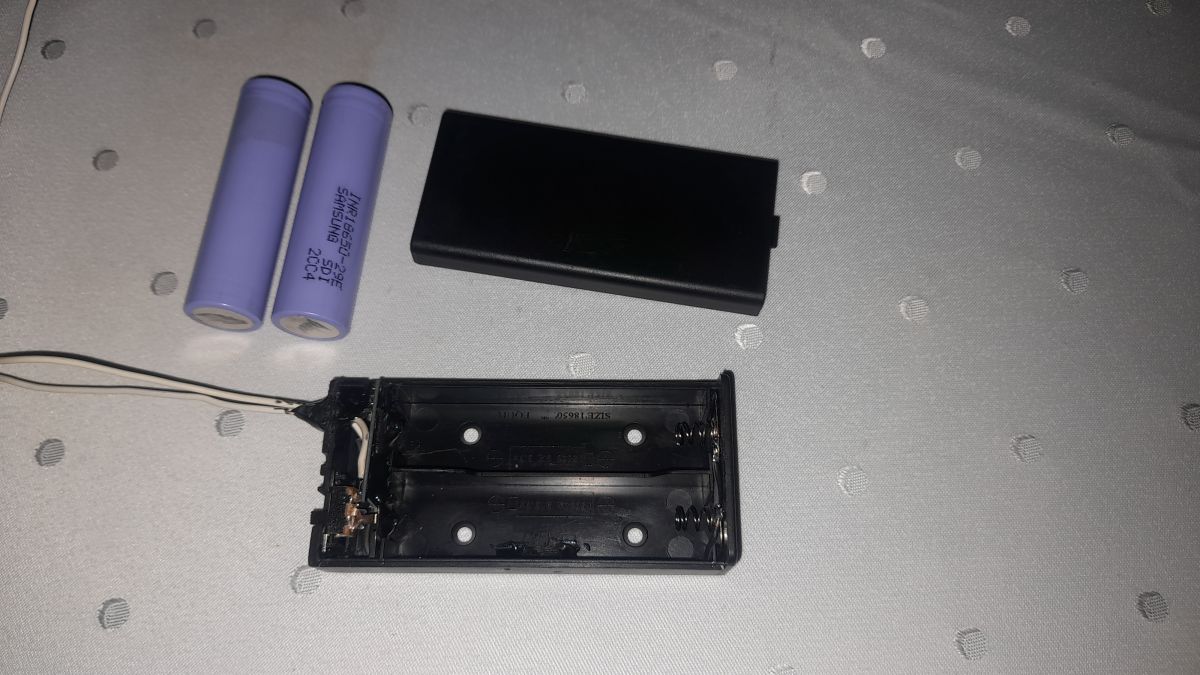
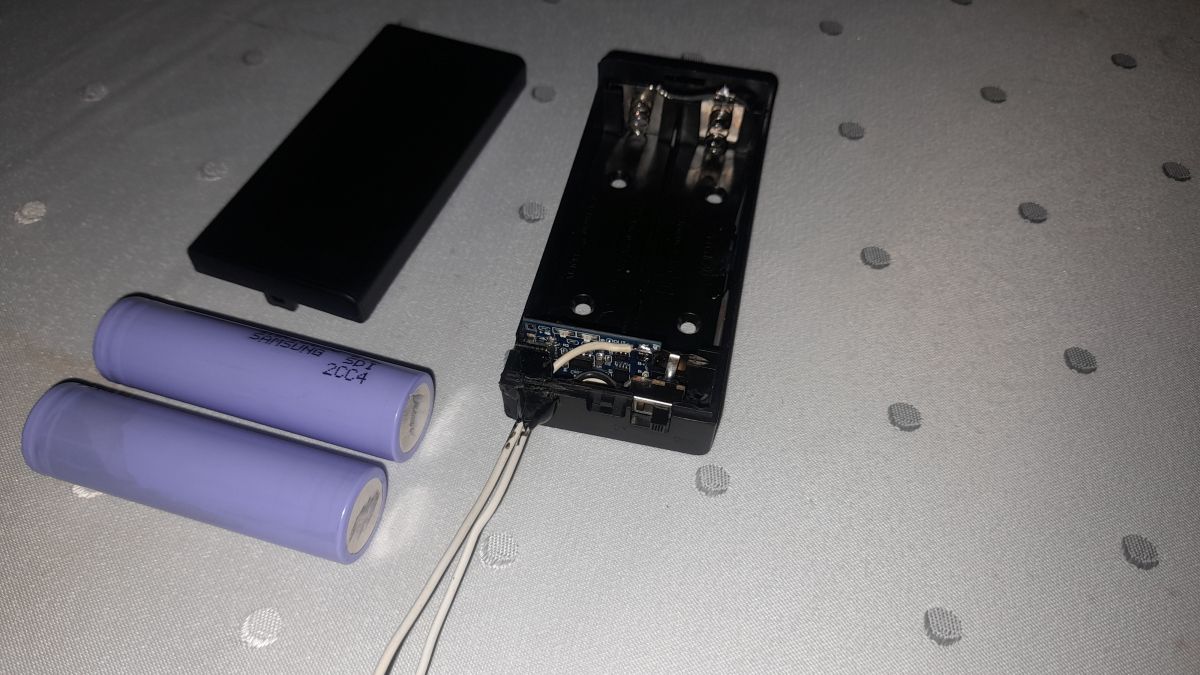
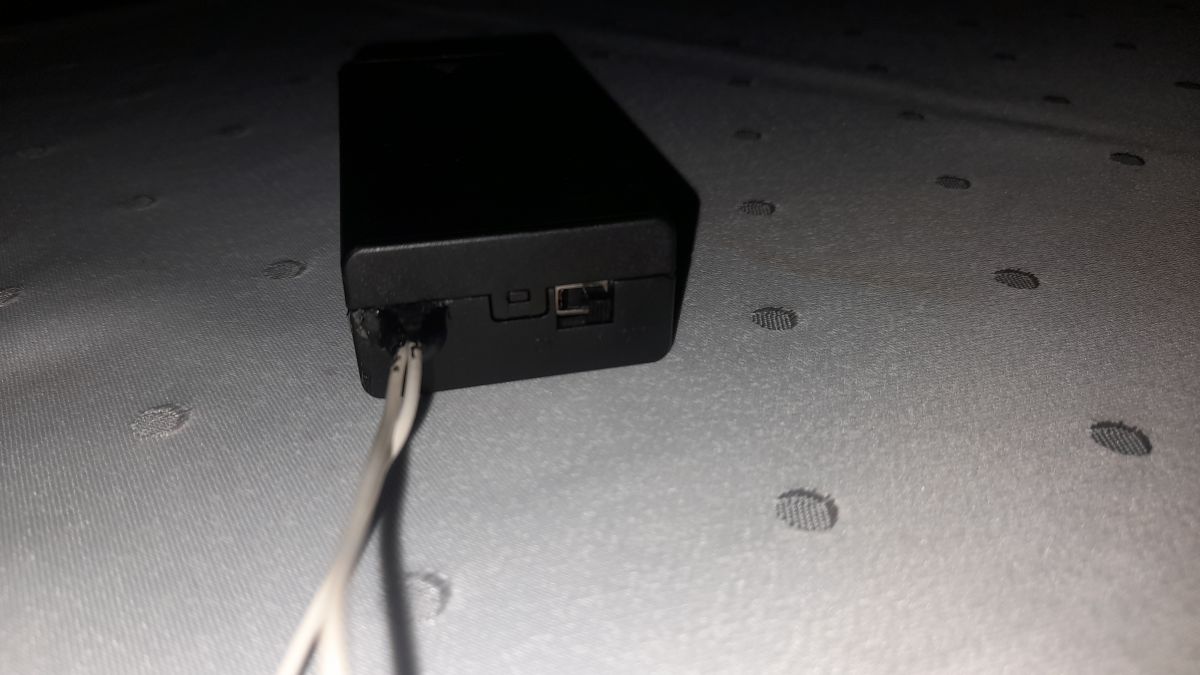
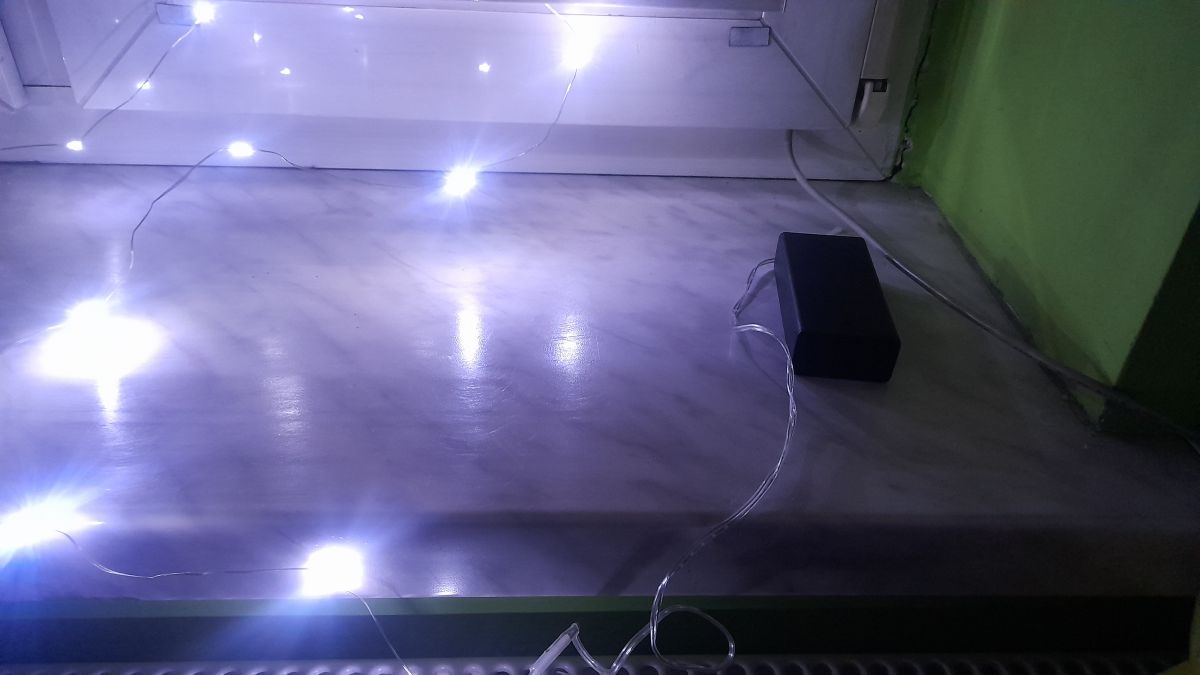
    Container with a switch for 18650 cells, 2 pcs in series, but converted to 2 pcs in parallel and a Z USB-C cell charging module added. It is best suited for lamps powered by 3xAA due to the similar voltage, but by changing the resistor it can also be adapted to 2xAA. It took a bit of fiddling with it, but the savings on batteries were significant.
    Maybe someone has similar solutions? It is best to power it from the mains, but sometimes this is not possible.
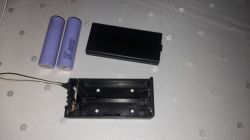
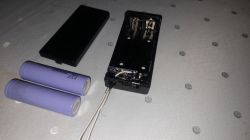
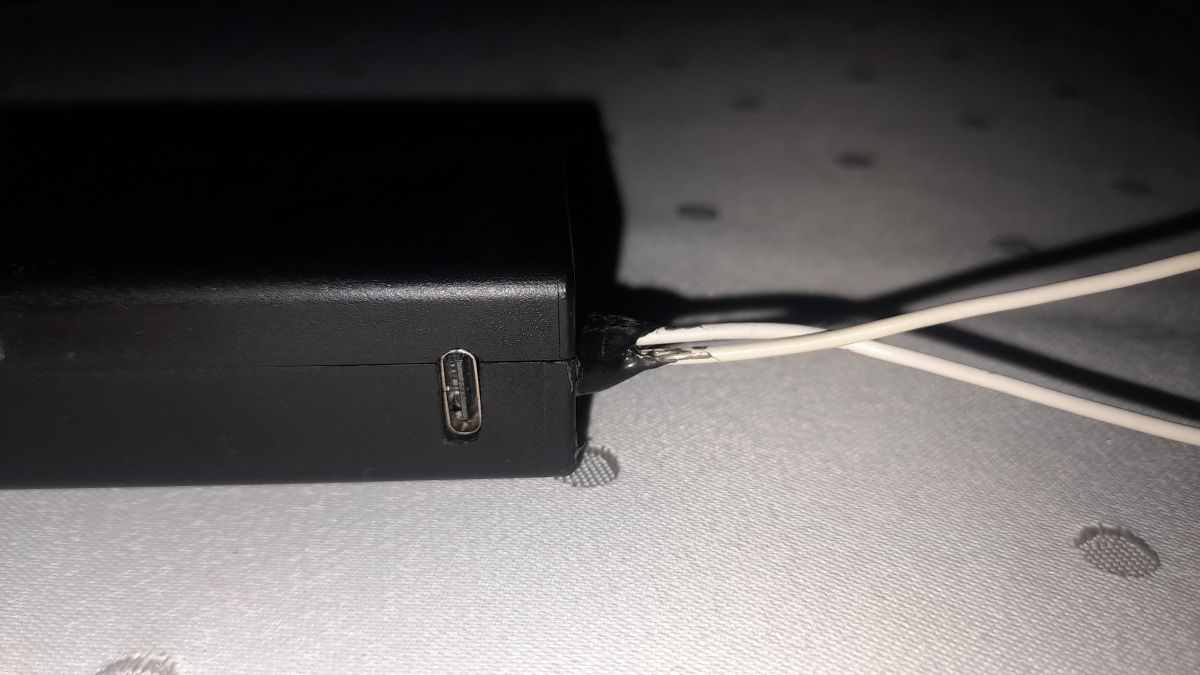
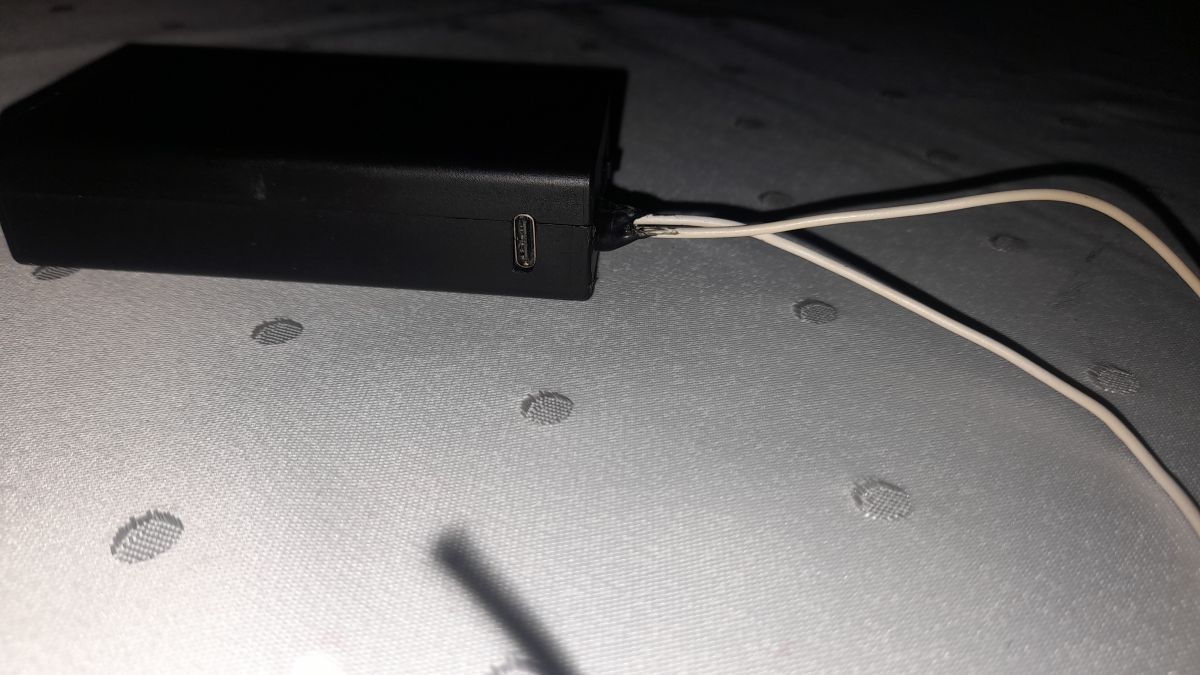
    Battery holder with a USB-C charging module and two 18650 cells. Image of a battery case with a switch adapted for 18650 cells with a USB-C charging module. Close-up of a black battery holder with a USB-C port and two white wires. Black container with a USB-C port and connected wires. Black battery holder with a switch and a connected wire on a table. LED lights on a windowsill powered by a 18650 cell holder.

    Cool? Ranking DIY
    About Author
    Brutal123
    Level 14  
    Offline 
    Brutal123 wrote 129 posts with rating 41, helped 1 times. Live in city Wieruszów. Been with us since 2007 year.
  • ADVERTISEMENT
  • #2 20920329
    Ash Ketchum
    Level 27  
    Posts: 1407
    Help: 39
    Rate: 76
    I have such pikachu lights with three LR44 batteries and they shine quite brightly, but the batteries die quickly. So I bought such a USB Type-C module and inserted 550 mAh cells from a disposable e-cigarette and somehow it works. I also have a larger Pikachu, which is about 20 years old, was powered by the mains and had a 12V 10W G4 halogen inside and I replaced it with an Osram 0.9W LED, it also gives 100 lm and I`m thinking about how to power it in an emergency. Three 18650 cells will fit there and I also have a BMS 3S, bought together with the USB-C ones. I`m thinking what`s better, whether to power the 3S and this BMS from a 12V DC power supply like the one for the laptop I have, or to put three in parallel and a step-up converter? And charge from micro USB?
  • #3 20920552
    prosiak_wej
    Level 39  
    Posts: 5273
    Help: 501
    Rate: 1459
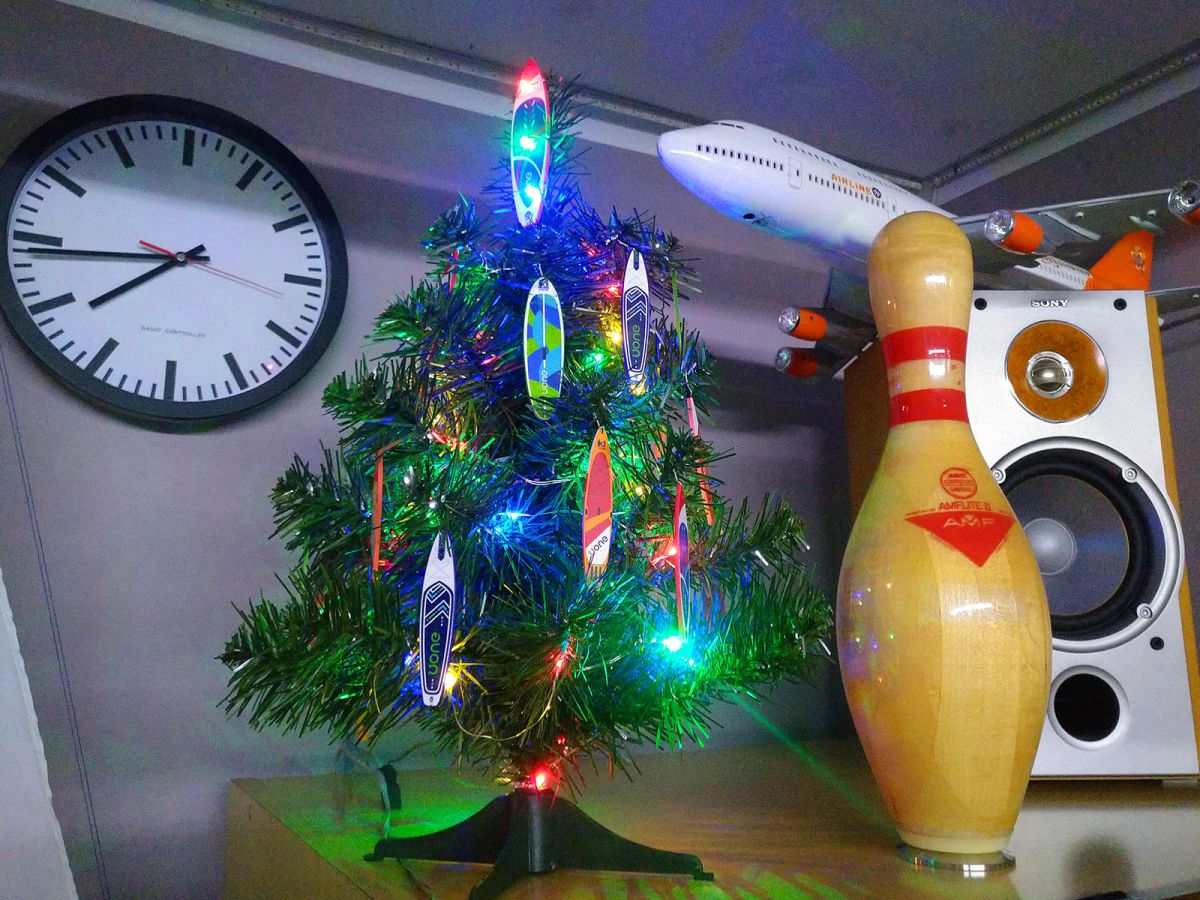
    And I went the other way - I removed the battery compartment, connected a long USB cable and between the mains adapter (the so-called phone charger) and the lights there is also a recycled power bank. Due to winter SUP power outages, the Christmas tree is still lit :)

    Christmas tree with colorful lights, next to a wall clock and an airplane model.

    In turn, I obtained power banks from the company`s waste bins for used batteries. Two years ago, the company gave us such devices that were equipped with an illuminated company logo and a shock sensor so sensitive that all we had to do was look harder and the blue backlight was activated. People were annoyed by this and they didn`t use the power banks and eventually started throwing them away. All I had to do was open each of them, remove the backlight and the shock sensor.

    Due to the company logo, I will not show the power bank, but I think everyone will be able to imagine it ;)
  • ADVERTISEMENT
  • #4 20920692
    gulson
    System Administrator
    Posts: 29367
    Help: 148
    Rate: 6050
    Thanks for showing the modifications.
    Currently, such lamps can be purchased for PLN 4-5, the problem is that they immediately discharge the batteries, which cost much more than the lamps themselves.
  • #5 20921039
    PPK
    Level 30  
    Posts: 1945
    Help: 94
    Rate: 423
    I actually replaced the LED flashlight with laser in the "police" flashlight, the magazine for 3xAAA, for 1 pc. 18650. Without any modifications, it has been working for several years, EXTERNAL charging.
  • #6 20921700
    chemik_16
    Level 27  
    Posts: 1000
    Help: 75
    Rate: 128
    I converted all such lamps to USB - I power them from power banks.
  • ADVERTISEMENT
  • #7 20922042
    gulson
    System Administrator
    Posts: 29367
    Help: 148
    Rate: 6050
    chemik_16 wrote:
    I converted all such lamps to USB - I power them from power banks

    Great, post photos in your free time! :)
  • #8 20922390
    wawrzyniakp2
    Level 4  
    Posts: 2
    Great solution, I will do the same, but for decorations, e.g. on the table.
  • ADVERTISEMENT
  • #9 20923616
    sanfran
    Network and Internet specialist
    Posts: 9872
    Help: 955
    Rate: 2979
    PPK wrote:
    I actually replaced the LED flashlight with laser in a "police" police flashlight, the magazine for 3xAAA, for 1 pc. 18650. Without any modifications, it has been working for several years, EXTERNAL charging.

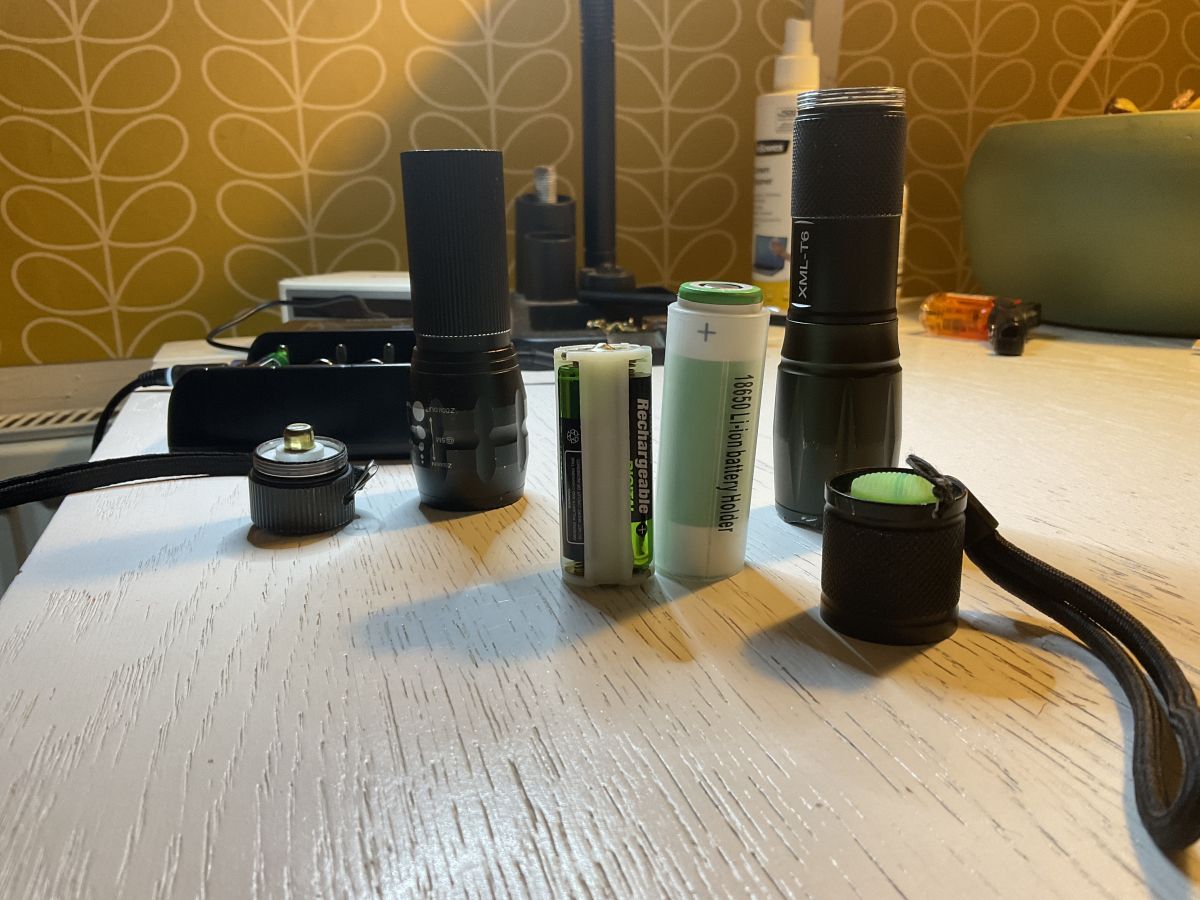
    This is possible, only in some flashlights where the "magazine" is specially constructed, i.e. slightly longer; these flashlights usually come with a tube for an 18650 cell.
    In "normal" 3xAAA flashlights, the "magazine" is slightly shorter than the 18650 cell.
    I have both types of flashlights, the photo will explain what I mean:

    Various flashlights and accessories on a table, including battery adapters.
  • #10 20923748
    chemik_16
    Level 27  
    Posts: 1000
    Help: 75
    Rate: 128
    >>20922042
    Nothing to document, USB plug and resistor.
  • #11 20924052
    Piotrek#G
    Level 27  
    Posts: 1157
    Help: 83
    Rate: 300
    sanfran wrote:
    In "normal" 3xAAA flashlights, the "magazine" is slightly shorter than the 18650 cell.

    You can always insert 18500. Although at the current price of normal flashlights powered by 18650 and not flashlight-like products, I don`t know if it makes sense.
  • #12 20924512
    operator5wp
    Level 16  
    Posts: 340
    Help: 1
    Rate: 134
    A BMS would be useful for the cells for their safety and protection against excessive discharge.
  • #13 20924939
    PPK
    Level 30  
    Posts: 1945
    Help: 94
    Rate: 423
    operator5wp wrote:
    A BMS would be useful for the cells for their safety and protection against excessive discharge.

    In my flashlight, the LED starts to glow dimly at a voltage of 2.9-3.1 V.
  • #14 20927461
    sq3evp
    Level 39  
    Posts: 6540
    Help: 219
    Rate: 869
    Piotrek#G wrote:
    You can always insert 18500. Although at the current price of normal flashlights powered by 18650 and not flashlight-like products, I don`t know if it makes sense.

    I have a Chinese version of something decent - with a charged 18500 and a narrow lens setting, it shines like a decent searchlight. I use a battery with electronics that control the discharge level.
📢 Listen (AI):

Topic summary

✨ The discussion revolves around the use of 18650 lithium-ion cells as an alternative power source for LED lamps typically powered by AA batteries. Users share various modifications, including the integration of USB-C charging modules and power banks to enhance efficiency and reduce battery costs. Some participants describe successful conversions of existing lamps, such as replacing battery compartments with USB connections or using BMS (Battery Management Systems) for safety. The conversation highlights the advantages of using 18650 cells, including longer lifespan and cost savings, while also addressing compatibility issues with different flashlight designs.
Generated by the language model.

FAQ

TL;DR: For DIY users upgrading cheap LED lamps, a 2x18650 holder rewired to parallel can replace 3xAA, and one modifier said the battery savings were significant: "USB plug and resistor" is the simplest alternative for some lights. This FAQ explains which method fits 3xAA, 2xAA, LR44, and 12V decorative lamps, plus the main safety limits. [#20919959]

Why it matters: Cheap decorative lamps can cost PLN 4-5 yet burn through disposable cells faster than the lamp is worth, so a rechargeable conversion can cut waste and repeated battery purchases.

Option Best fit from the thread Main parts Clear advantage Main limit
2x18650 in parallel + USB-C charging Lamps originally powered by 3xAA Rewired 2-cell holder, switch, USB-C charging module Similar supply voltage to 3xAA; rechargeable Needs internal modification
USB cable + resistor Simple LED decorative lights USB plug, series resistor Minimal parts; easy USB powering Resistor must match the lamp
External power bank Decorations and outage backup USB cable, power bank No cell work inside the lamp Extra external pack and cable
3S 18650 + BMS 12V lamp projects Three cells, BMS, charging setup Matches 12V-class lamp format better More complex charging

Key insight: The thread favors matching the lamp to the simplest safe power source: 2x18650 parallel for 3xAA-class lamps, USB for low-power decorations, and a protected multi-cell pack only when the lamp is truly 12V.

Quick Facts

  • The showcased mod started with a 2x18650 holder wired in series, then rewired it to 2 cells in parallel and added a USB-C cell charging module. [#20919959]
  • One small decorative lamp replaced three LR44 cells with 550 mAh rechargeable cells recovered from a disposable e-cigarette, and it still worked. [#20920329]
  • A larger Pikachu lamp originally used a 12V 10W G4 halogen bulb; after conversion it used an Osram 0.9W LED rated at 100 lm. [#20920329]
  • One participant noted that these lamps can sell for only PLN 4-5, yet they can discharge AA batteries so fast that the batteries cost more than the lamp. [#20920692]
  • In one 18650 flashlight conversion, the LED became visibly dim around 2.9-3.1 V, which the user treated as a practical low-voltage warning. [#20924939]

How do you convert a 2x18650 battery holder from series to parallel and add a USB-C charging module for an LED lamp originally powered by 3xAA batteries?

Rewire the holder so both 18650 cells work in parallel, not in series, then add a USB-C charging board to the cell pack output. 1. Start with the existing 2-cell holder and switch. 2. Change the internal links from series to parallel. 3. Connect the USB-C charging module to the cells and lamp circuit. The thread reports this works best with lamps powered by 3xAA because the voltage is similar, while battery savings were described as significant. [#20919959]

What resistor value needs to be changed to adapt an 18650-powered modification from a 3xAA lamp to a 2xAA lamp?

The thread does not give a resistor value. It only states that a lamp suited to 3xAA can also be adapted to 2xAA by changing the resistor, so you can confirm that a resistor swap is required but not its ohmic value from this discussion alone. The usable fact is the target change: from a 3xAA design to a 2xAA design on the same 18650-based approach. [#20919959]

What's the best way to power a 12V 0.9W Osram LED lamp in emergency use: a 3S 18650 pack with BMS and 12V charging, or 3 cells in parallel with a step-up converter?

The thread points toward a 3S pack with BMS as the cleaner match for a 12V lamp. One user planned to fit three 18650 cells into a lamp that originally used a 12V 10W G4 halogen and now has a 0.9W Osram LED rated at 100 lm, while another user explicitly recommended a BMS for safety and over-discharge protection. The discussion does not confirm a final build, but it gives stronger support to protected 3S than to a parallel pack plus boost converter. [#20924512]

How can I replace LR44 button cells in a small decorative lamp, like a Pikachu light, with rechargeable cells and a USB-C charging board?

Use a small rechargeable cell pack and a USB-C charging module in place of the LR44 stack. One participant did exactly that in a Pikachu light that originally used three LR44 batteries, installing 550 mAh cells recovered from a disposable e-cigarette together with a USB Type-C module, and reported that it worked. That makes this a proven low-power decorative-light conversion in the thread, even though no exact wiring diagram was posted. [#20920329]

Why do cheap battery-powered LED lamps drain AA batteries so quickly even when the lamp itself costs less than the batteries?

They are cheap enough that the battery cost quickly exceeds the lamp cost. A moderator summed it up clearly: such lamps can be bought for PLN 4-5, but they "immediately discharge the batteries," which then cost much more than the lamp itself. In practice, that pushes users toward USB power, power banks, or 18650 conversions instead of repeated AA replacement. [#20920692]

What is a BMS and why would it be useful when converting lamps or flashlights to run from 18650 cells?

A BMS is worth using because it adds cell protection, especially against excessive discharge. "BMS" is a battery-management protection board that monitors rechargeable cells, adds electrical safeguards, and in this thread is valued mainly for protecting 18650 packs from being discharged too deeply. One participant recommended it directly for converted lamps and flashlights using lithium cells. [#20924512]

What is an 18500 cell and when is it a better fit than an 18650 in flashlights designed for 3xAAA battery magazines?

An 18500 is the better fit when the flashlight tube is too short for an 18650. The thread explains that some normal 3xAAA flashlights have a battery magazine slightly shorter than an 18650 cell, and one user suggested using an 18500 instead. Another user added that a charged 18500 in a narrow-beam flashlight can still perform very well. [#20924052]

How do USB-powered lamp conversions with just a USB plug and resistor work, and how do you choose the right resistor?

They work by feeding the lamp from USB through a series resistor that limits current. One participant described the whole modification as simply a "USB plug and resistor," but gave no resistor value, formula, or lamp current. That means the thread confirms the method exists and can be very simple, yet it does not provide enough data to calculate the correct resistor for a specific lamp. [#20923748]

Which is better for decorative LED lights during power outages: an internal 18650 pack, an external power bank, or a direct USB cable from a phone charger?

The most practical option in this thread is an external power bank, especially for outages. One user removed the battery compartment, ran a long USB cable, and placed a recycled power bank between the light string and a phone charger; another said all such lamps were converted to USB and powered from power banks. That setup avoids cell fitting inside small decorations and was used specifically during winter power cuts. [#20920552]

Why does an LED flashlight start glowing dimly around 2.9-3.1 V, and does that provide enough protection against over-discharging an 18650 cell?

It glows dimly because the flashlight still conducts at low cell voltage, but that is not the same as full protection. In the thread, one user observed visible dimming around 2.9-3.1 V, while another separately advised adding a BMS for safety and over-discharge protection. So dim light can act as a warning sign, but the discussion does not treat it as an adequate replacement for protection electronics. [#20924512]

How can you tell whether a 3xAAA flashlight body is long enough to accept an 18650 cell without modification?

Check whether the flashlight uses a slightly longer battery magazine or was designed to accept an 18650 tube. A participant explained that some 3xAAA flashlights have a specially constructed, slightly longer magazine and can take an 18650, while normal 3xAAA versions are usually a bit shorter than the 18650 cell. The thread even contrasts both types in a photo-based explanation. [#20923616]

What safety precautions matter most when reusing 18650 cells from old power banks or disposable e-cigarettes in DIY lamp projects?

The thread’s clearest safety rule is to use protection against excessive discharge. Reused cells came from old power banks and from a disposable e-cigarette, but another participant explicitly said a BMS would be useful for cell safety, and one more mentioned using a battery with built-in electronics that control discharge level. Those are the strongest thread-backed precautions before reuse. [#20927461]

How do you charge a 3S 18650 pack for a 12V lamp correctly, and what kind of power supply or charging module should be used?

The thread does not provide a confirmed charging method for a 3S pack. It only raises the choice between using a 3S BMS with a 12V DC supply, such as a laptop-style adapter, or using another arrangement with USB charging, but no final answer or wiring was posted. So you can say the project owner considered 3S plus BMS for a 12V-class lamp, yet the exact charger setup remains unresolved here. [#20920329]

What are the pros and cons of external charging versus built-in USB-C charging in modified flashlights and LED lamps?

Built-in USB-C charging is tidier, while external charging is simpler and can avoid internal changes. The main lamp project added a USB-C charging module inside a 2x18650 holder, but one flashlight user reported several years of operation with a single 18650 and external charging instead. In the same thread, USB cable plus power bank solutions show that fully external powering can also be the easiest path for decorative lights. [#20919959]

How much money can you realistically save by converting AA-powered LED lamps to 18650 or USB power instead of regularly buying disposable batteries?

You can save enough that the thread author called the battery savings significant. The clearest cost anchor is that some lamps cost only PLN 4-5, yet they can discharge batteries so fast that the cells cost more than the lamp itself. That means even a simple rechargeable conversion can become worthwhile quickly if the lamp sees repeated seasonal or outage use. [#20920692]
Generated by the language model.
ADVERTISEMENT