logo elektroda
logo elektroda
X
logo elektroda

[BK7231N] Action LSC Smart Connect Smart Ceiling Light 3206306

mihaim1980 6717 21
ADVERTISEMENT
  • #1 21361470
    mihaim1980
    Level 5  
    Posts: 19
    Help: 1
    Rate: 6
    Hello!

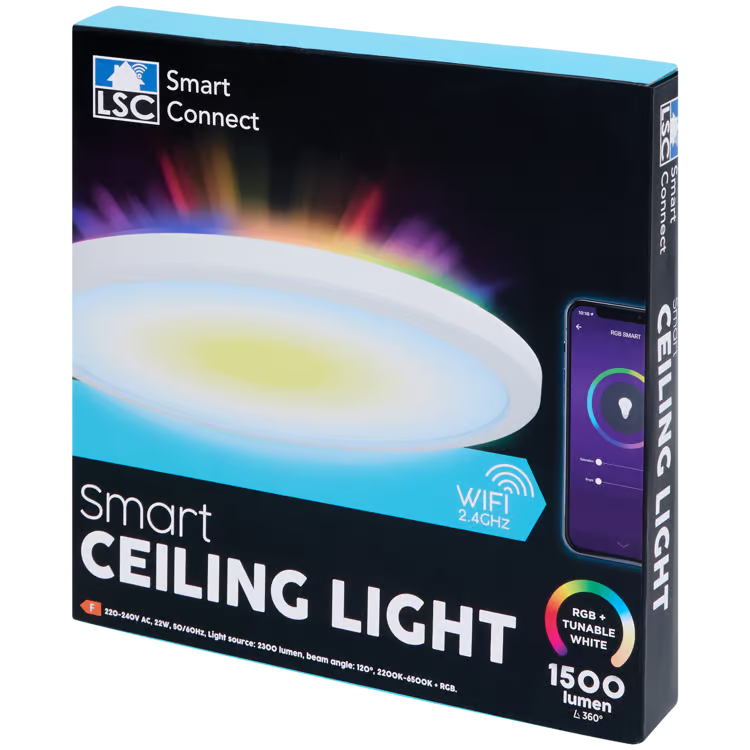
    I'm presenting a new model of ceiling lights from Action. It has two sets of lights: the normal and an RGB one that is lighting up the ceiling. It can be found below: https://www.action.com/de-at/p/3206306/lsc-smart-connect-smarte-deckenlampe/.

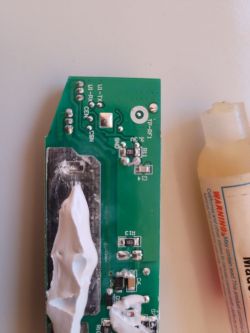
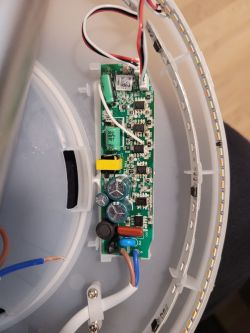
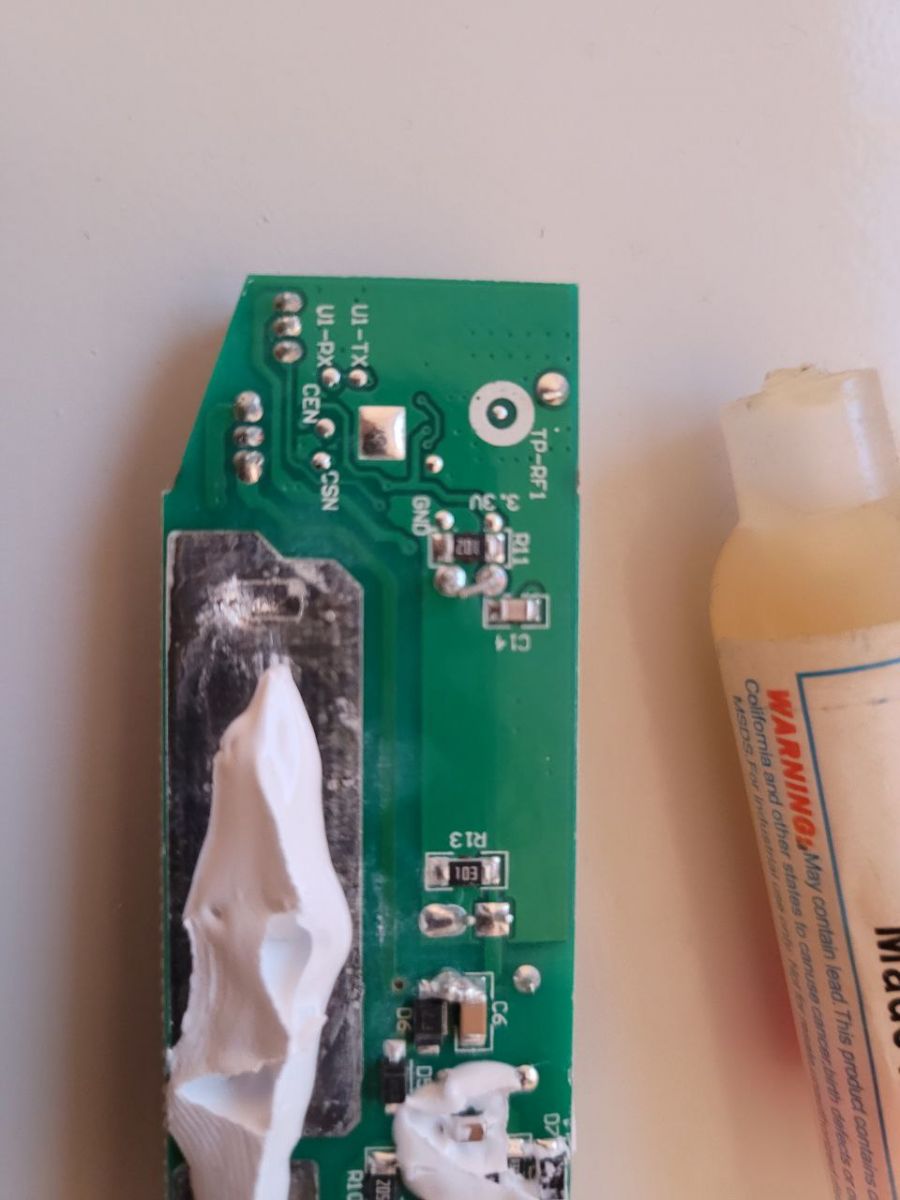
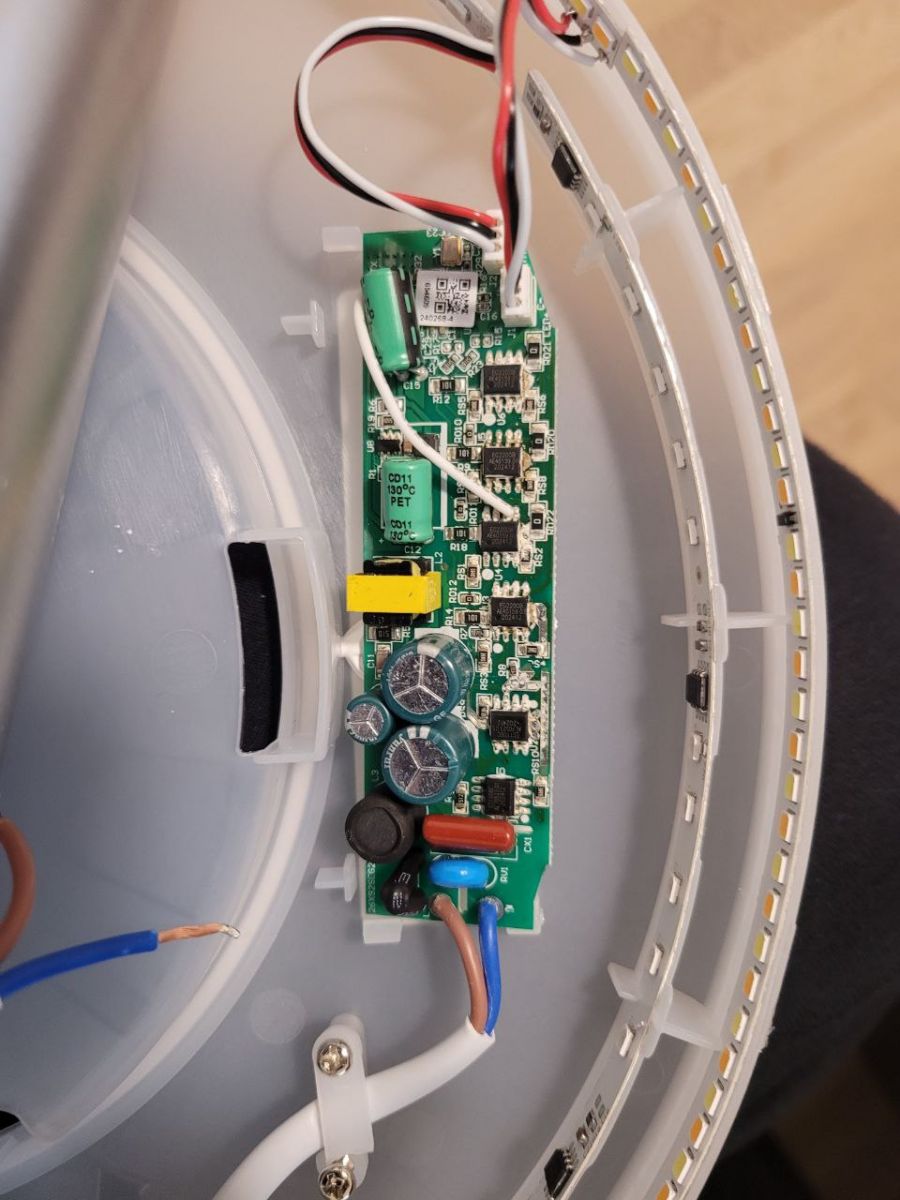
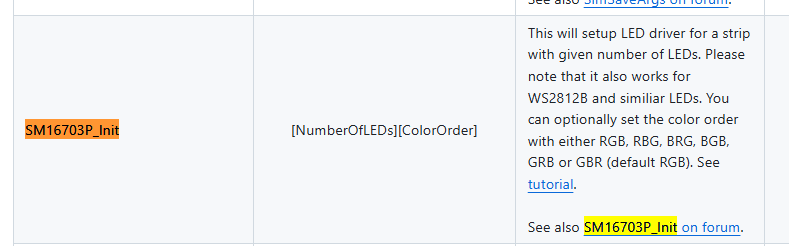
    It has the chip soldered directly to the main PCB, but there are PCB traces that can be used for flashing. The lamp can be opened by prying up the side margin.
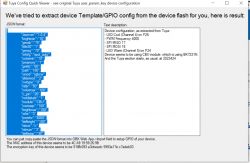
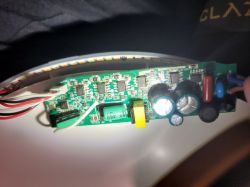
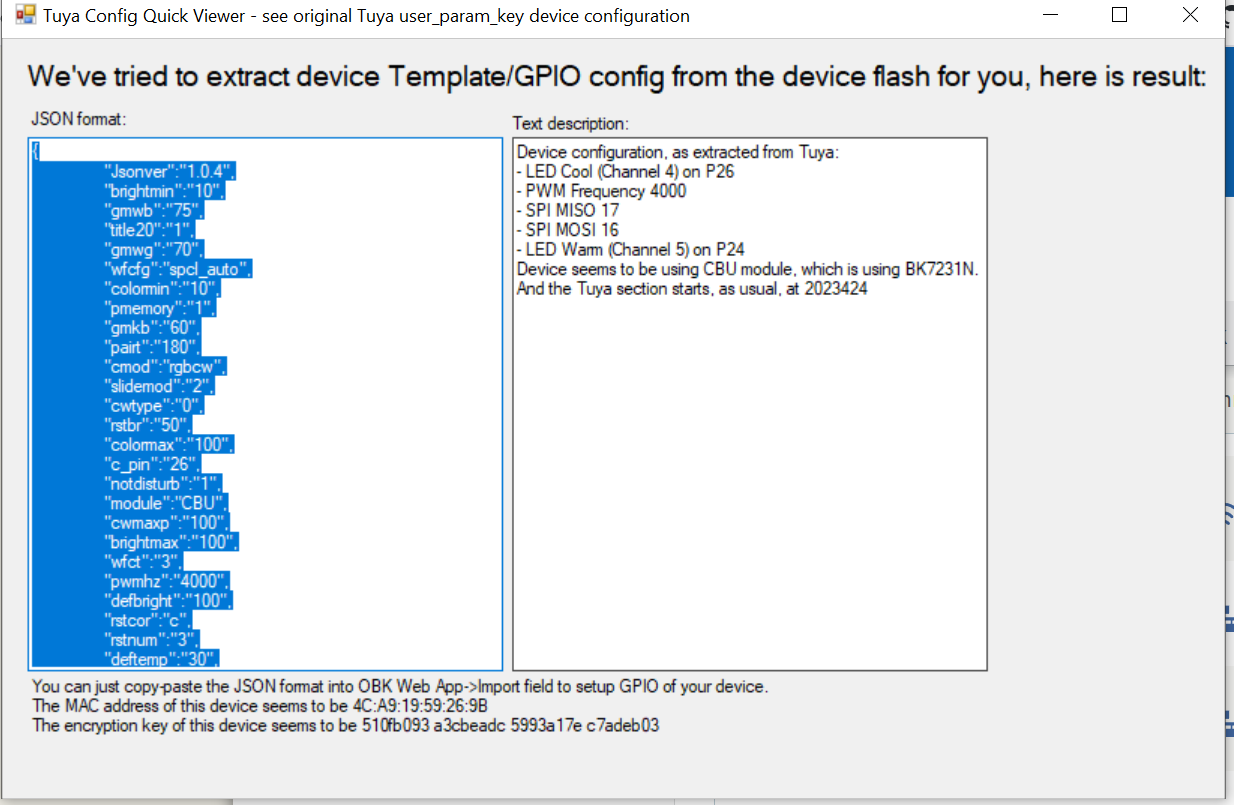
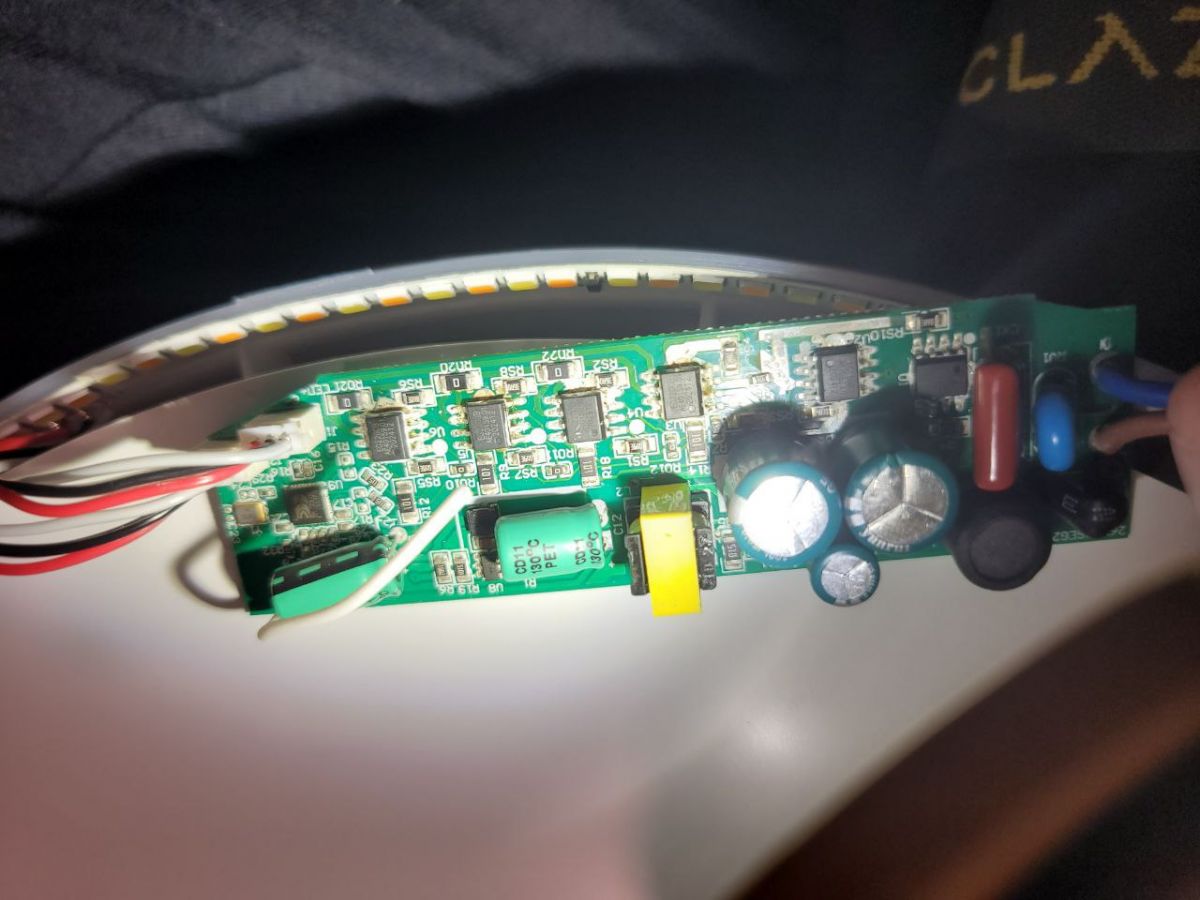
    Screenshot of Tuya device configuration with JSON data Close-up of the main circuit board of an electronic ceiling lamp. PCB with labels for RX and TX pins. Interior view of a ceiling lamp with a PCB and wiring.

    JSON Config:
    Code: JSON
    Log in, to see the code


    It also requires an autoexec.bat file as instructed here:
    https://www.elektroda.com/rtvforum/find.php?q=SM16703P
  • ADVERTISEMENT
  • #3 21361729
    mihaim1980
    Level 5  
    Posts: 19
    Help: 1
    Rate: 6
    >>21361668

    Thanks for reminding. I did now. But it seems it works also without
  • #4 21367252
    kontaktgruppeninterv
    Level 4  
    Posts: 7
    Hello, did I understand correctly that I have to serial flash it (solder pins to uart adapter?)
    I just can't manage to flash it with cloudcutter ota, I messed something up it doesn't write the firmware ota. I am so confused please help :(>>21361729

    Hello, did I understand correctly that I have to serial flash it (solder pins to uart adapter?)
    I just can't manage to flash it with cloudcutter ota, I messed something up it doesn't write the firmware ota. I am so confused please help me :(
    I used the recently added profile on github which is linked by the previous person.
  • #5 21367258
    divadiow
    Level 38  
    Posts: 4879
    Help: 427
    Rate: 868
    Cloudcutter will only work on firmware that's not patched for the exploit that allows OTA to OpenBeken. The firmware version can be checked after pairing with the Tuya/LSC app.
  • ADVERTISEMENT
  • #6 21367732
    kontaktgruppeninterv
    Level 4  
    Posts: 7
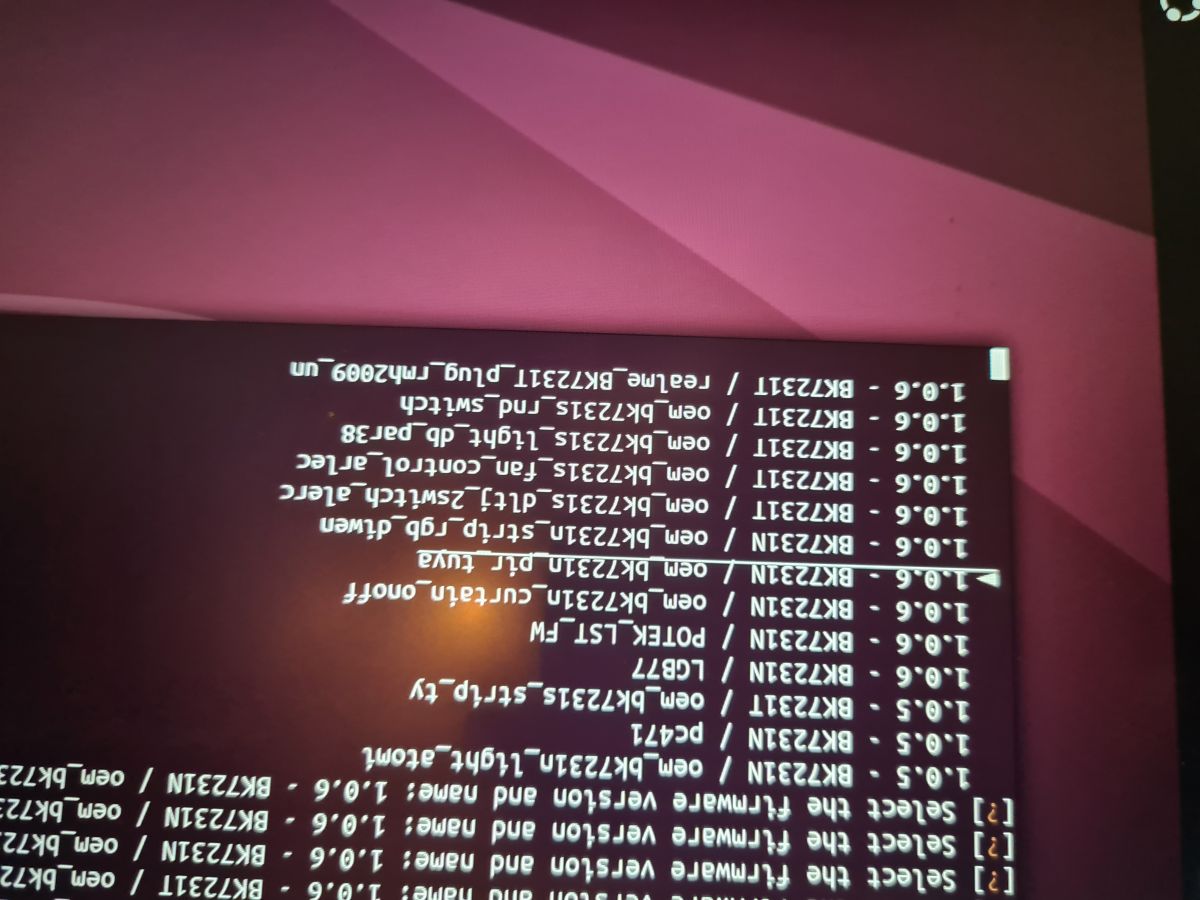
    >>21367258 sorry I don't want to be annoying but I am genuinely lost. It says Version 1.0.6 and there are many devices in cloudcutter which I can't identify. Now I don't know what to choose
    Or I have a feeling that I am misunderstanding something completely.

    Terminal screen displaying upside-down text.
  • #7 21367789
    divadiow
    Level 38  
    Posts: 4879
    Help: 427
    Rate: 868
    I don't think it matters too much as long as the firmware version matches your device. If you're flashing to OpenBeken Cloudcutter won't configure the device anyway, so you'll need to set it up still after conversion.

    I'd go for oem-bk7231n-strip-rgb-diwen-1.0.6-sdk-2.3.1-40.00
  • #8 21367879
    kontaktgruppeninterv
    Level 4  
    Posts: 7
    >>21367789

    Hello thank you very much for your fast response!

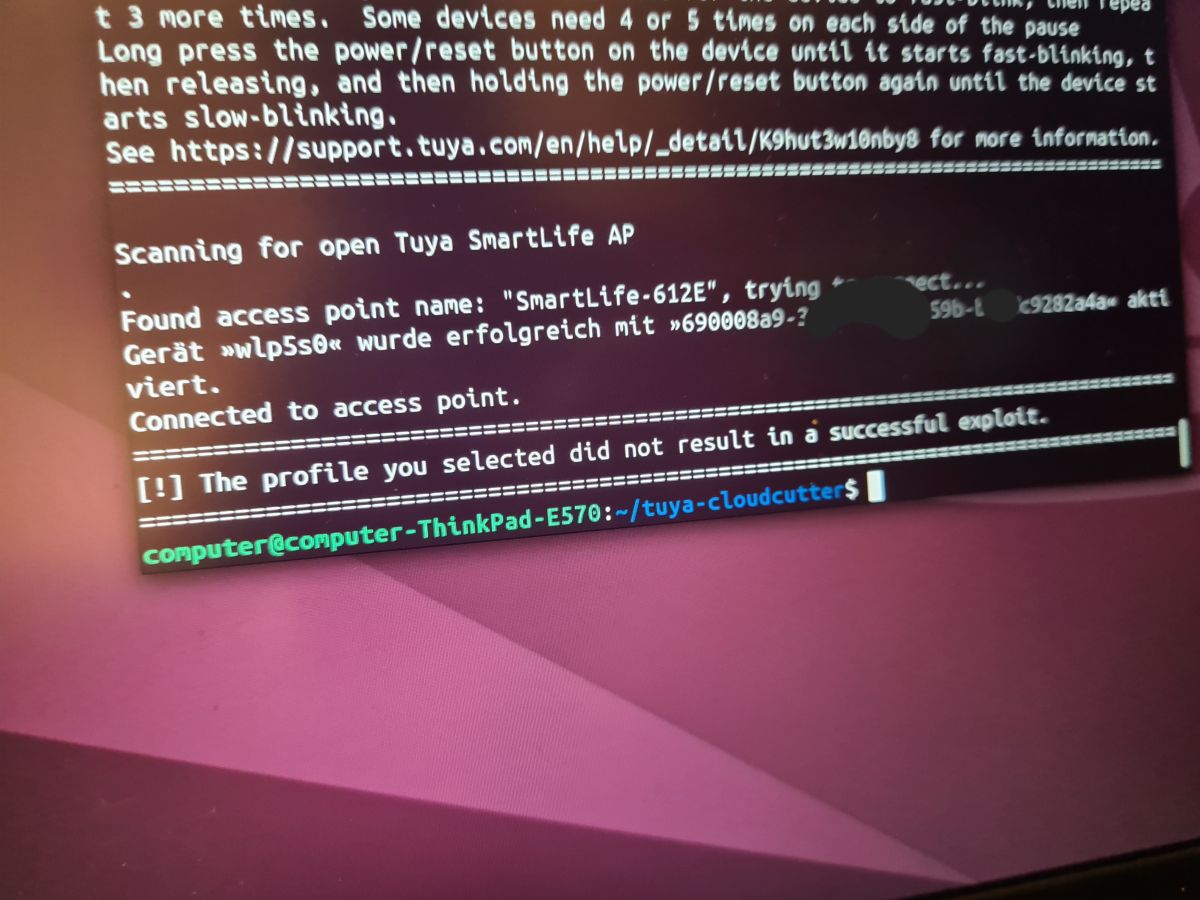
    Now I chose that but it said the profile you selected did not result in a successful exploit.

    What am I doing wrong? Could it be that I used smartlife app with a Dummy AP? I made Hotspot on my PC so I don't have to type in wifi credentials in smartlife app / lsc app.

    Also I added autoexec.bat in custom firmware directory and the BK7231N.rbl firmware (next to the stuff that was already inside) for ota Flash.

    Otherwise I am lost. Any ideas?

    Btw, I would like to make a german guide when I figured out what I did wrong, is that something that this project would like to see? :) Computer screen showing a terminal with a message about an unsuccessful exploit attempt.
  • #9 21367926
    divadiow
    Level 38  
    Posts: 4879
    Help: 427
    Rate: 868
    and the firmware of your device is definitely v1.0.6?
  • #10 21367943
    kontaktgruppeninterv
    Level 4  
    Posts: 7
    >>21367926

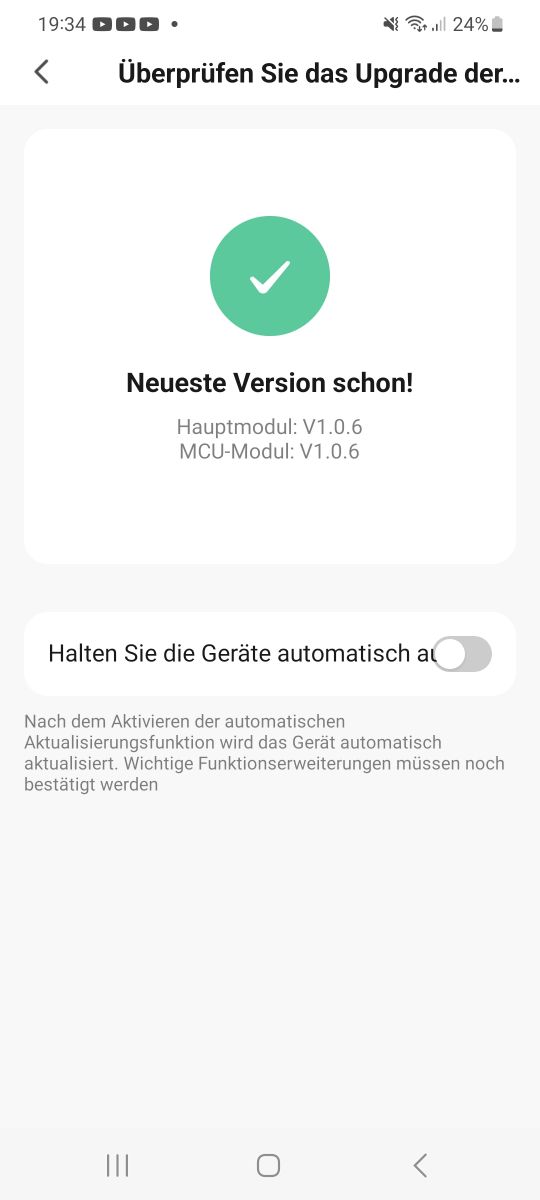
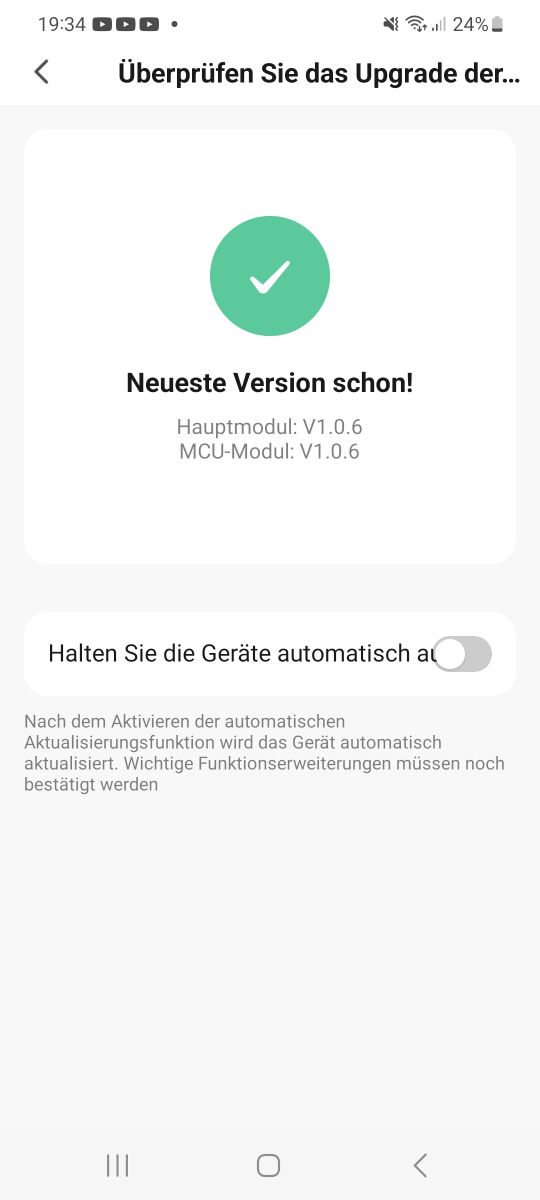
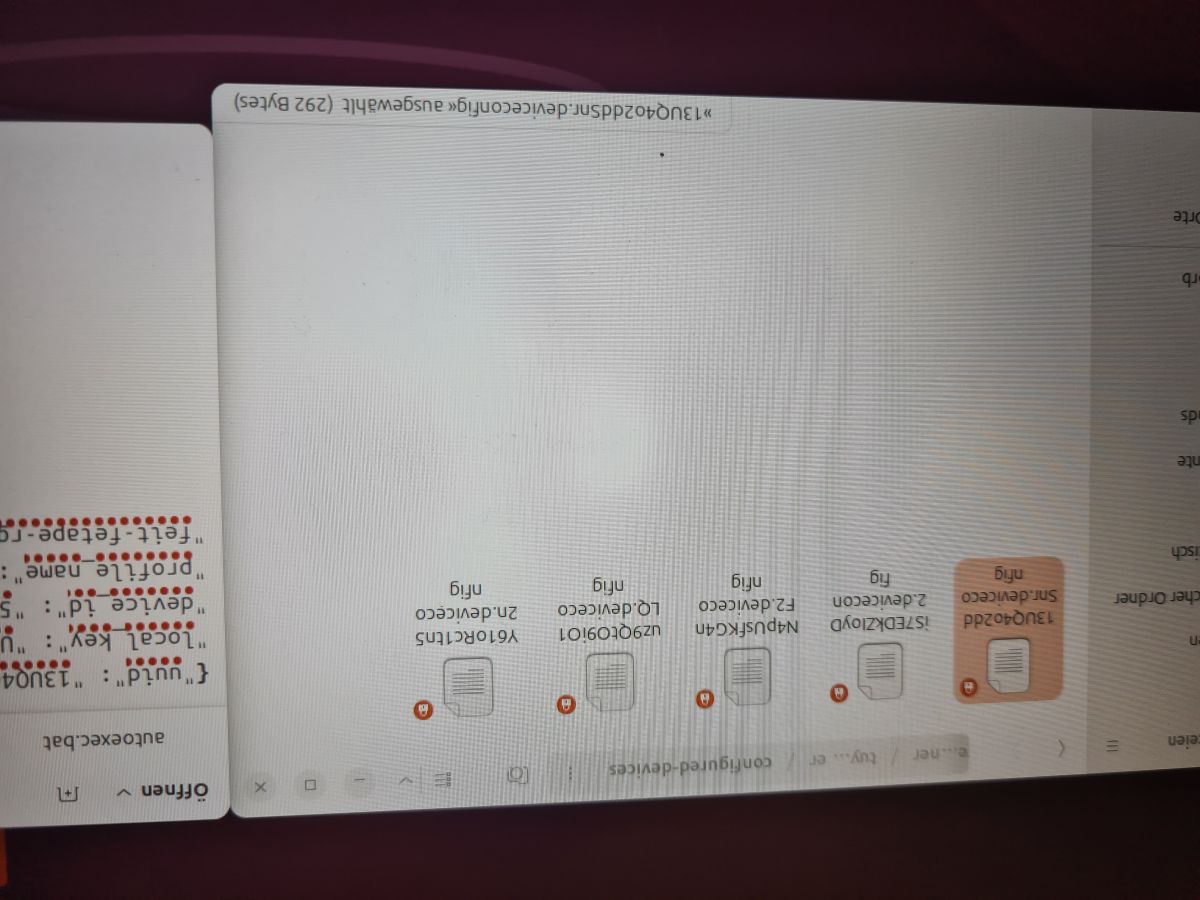
    Yes, but I just saw above the failed Config thing that it was a success and that it exported something to a folder configured devices (I closed already unfortunately)

    Edit: still controlable with lsc smart home app. So flash not successfully I assume :( I don't get what I am doing wrong. The device was also recently added in github or so and it just doesn't work to Flash. I really try to avoid soldering

    Screenshot of an app showing the device is already updated to the latest version. Device update screen showing the latest version of the software installed. Computer screen menu with files in the configured devices directory.
  • ADVERTISEMENT
  • #11 21368053
    divadiow
    Level 38  
    Posts: 4879
    Help: 427
    Rate: 868
    hmm. not sure what to suggest next. Maybe unpair and reset device then do AP mode for Cloudcutter again? My preferred method is soldering...
  • #12 21368152
    kontaktgruppeninterv
    Level 4  
    Posts: 7
    >>21368053

    Thank you very much for your help. I decided to flash it serial with soldering.
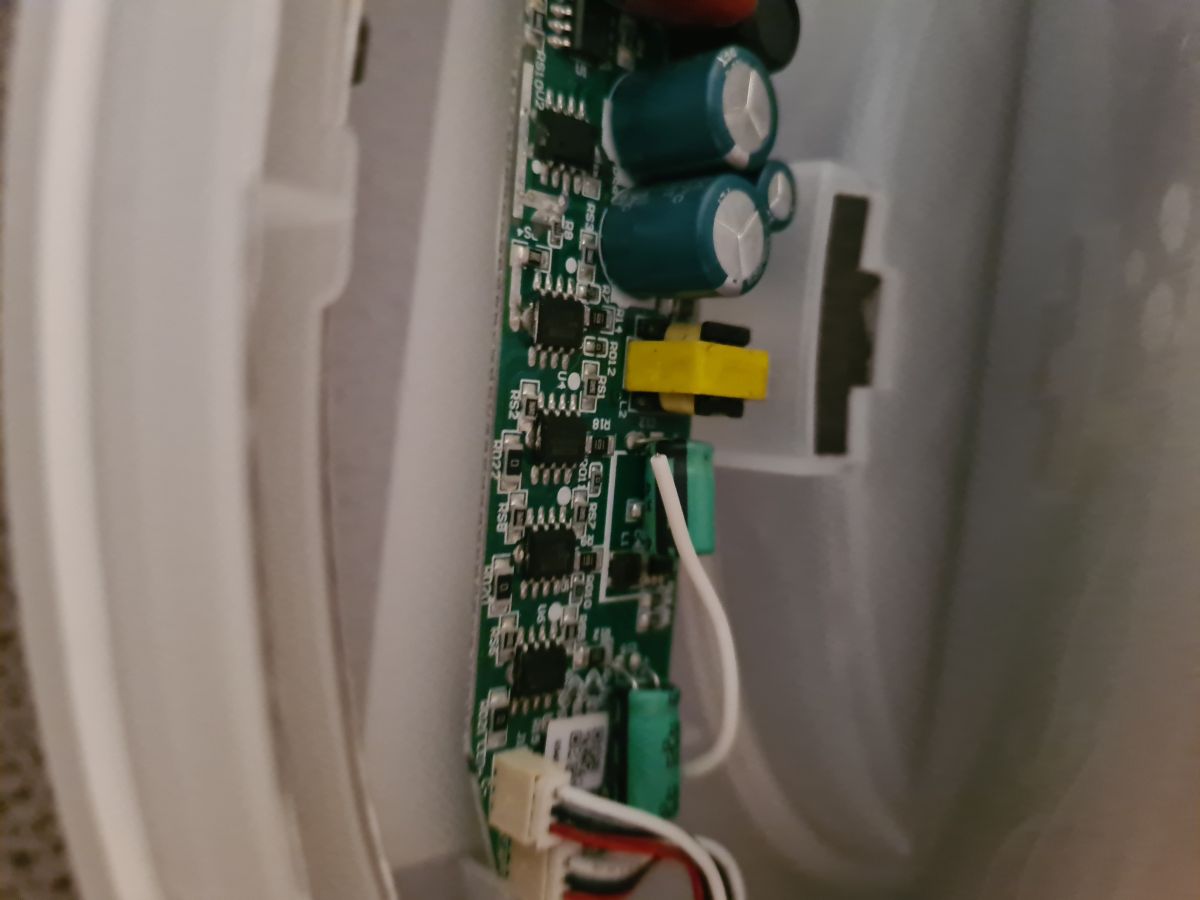
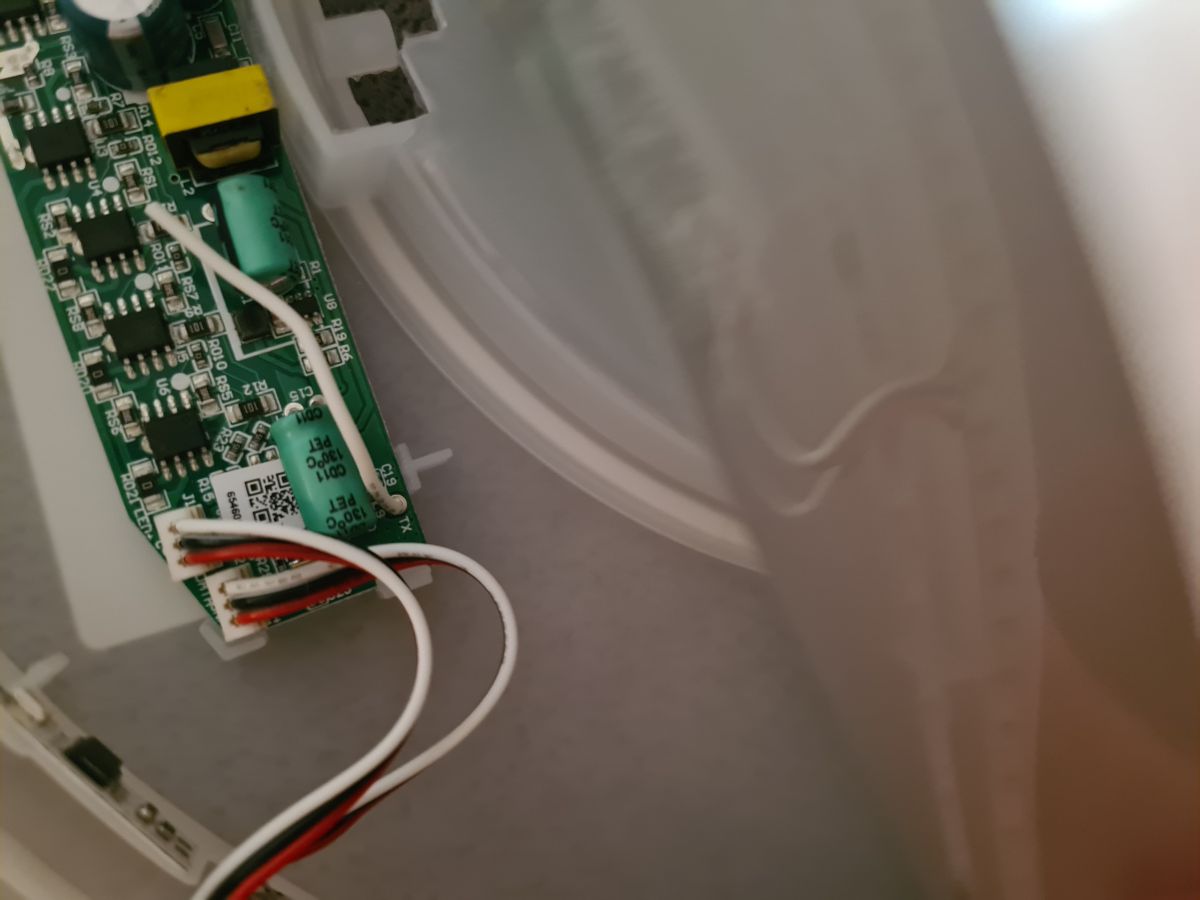
    Now I have a last question please, is that cable supposed to be inside that lamp hanging around? In OP pic it looks like it's soldered to that chip. Cable comes outside from a tx solder point. If I really correctly it is fine like that as the pin is only used for writing stuff which is not intended for customer. In other words, just ignore right? Interior of an electronic lamp with visible circuit board and soldered wires. Close-up of internal wiring and circuit board in a hanging lamp.
  • ADVERTISEMENT
  • #14 21369088
    kontaktgruppeninterv
    Level 4  
    Posts: 7
    >>21368250

    Hello, yes I have .Bin files Backup. But it is the exact same device like OP. Same product number etc.
    Where may I upload it please? I fear my ssid credentials are in the Backup probably.

    Also, I noticed something strange. When I set color to Red then it is green. I did the autoexec.bat, added Set pwmfrequency 4000 command in autoexec after the led driver init line. I think I have set good flags but messed it up again because I tried to reapply the config pins etc.
    I uploaded a video from the lamp so you can see
    https://youtu.be/NCdrRbunBp0?si=_tOhps866ba6oftm

    I think it would be best to start from 0 again, with zero being freshly installed firmware
  • #15 21369287
    divadiow
    Level 38  
    Posts: 4879
    Help: 427
    Rate: 868
    kontaktgruppeninterv wrote:
    Also, I noticed something strange. When I set color to Red then it is green. I did the autoexec.bat, added Set pwmfrequency 4000 command in autoexec after the led driver init line. I think I have set good flags but messed it up again because I tried to reapply the config pins etc.I uploaded a video from the lamp so you can see


    try different colour orders. add RGB, BRG etc to the init line
    eg
    Code: Text
    Log in, to see the code


    Added after 58 [seconds]:

    https://github.com/openshwprojects/OpenBK7231T_App/blob/main/docs/commands-extended.md

    Screenshot of documentation about LED settings showing function SM16703P_Init with options like RGB, RBG, etc.
  • #16 21369901
    p.kaczmarek2
    Moderator Smart Home
    Posts: 14440
    Help: 650
    Rate: 12410
    My piece backup:
    https://github.com/openshwprojects/FlashDumps/commit/e77fed2497610af66b64df040b3f2cd4b6ac8025
    This device features:
    - CW LEDs (two PWMs)
    - SM16703 LEDs (P16)
    It works great when configured with PixelAnim driver:
    https://www.elektroda.com/rtvforum/topic4057187.html
    There will be a video tutorial about that on Elektroda channel:
    https://www.youtube.com/@elektrodacom
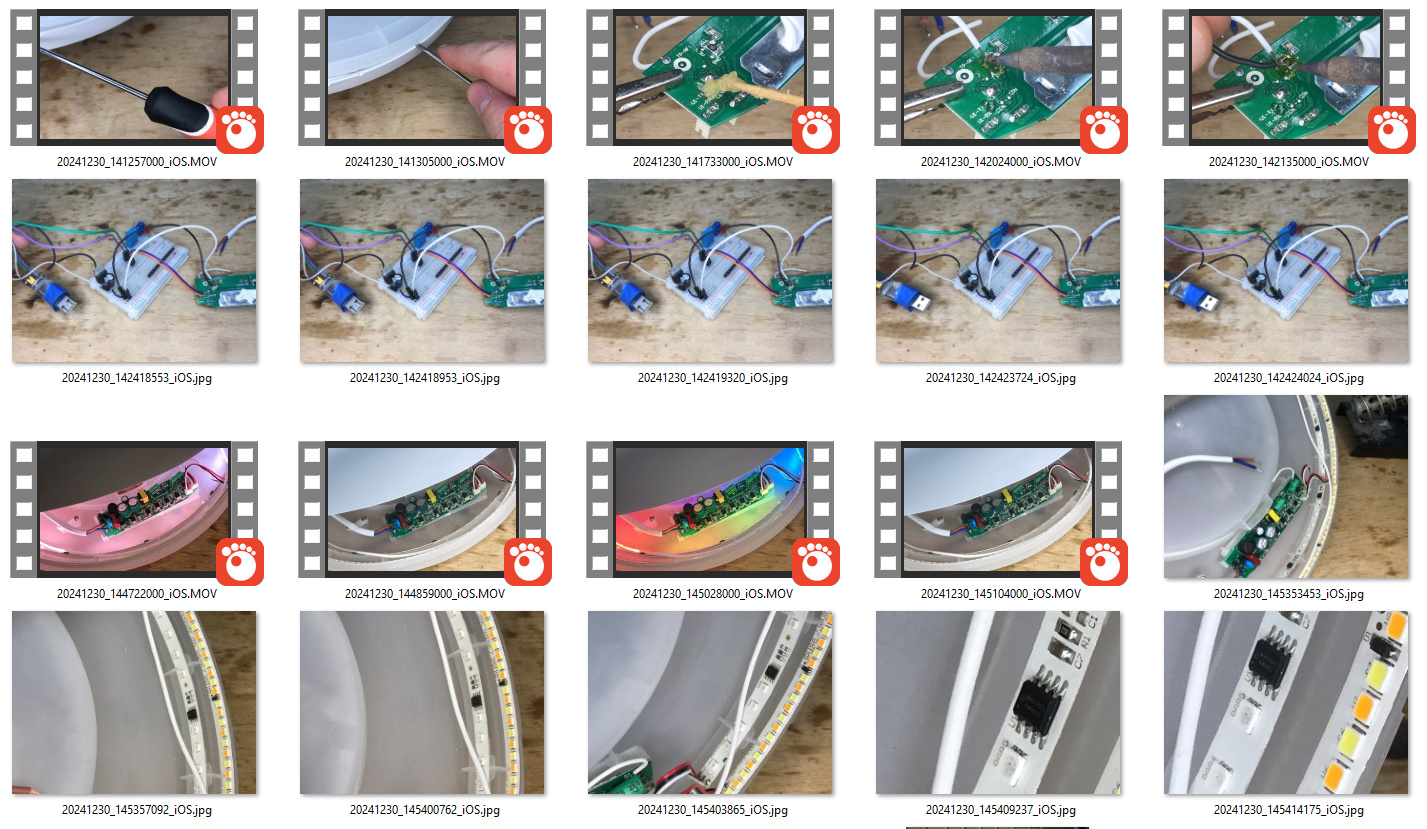
    Screenshot of a folder containing multimedia files related to assembling and configuring an LED device.
    Helpful post? Buy me a coffee.
  • #17 21374211
    kontaktgruppeninterv
    Level 4  
    Posts: 7
    >>21369287

    This did the trick for me ota to new release and setting flags again carefully. thanks a lot for your help!

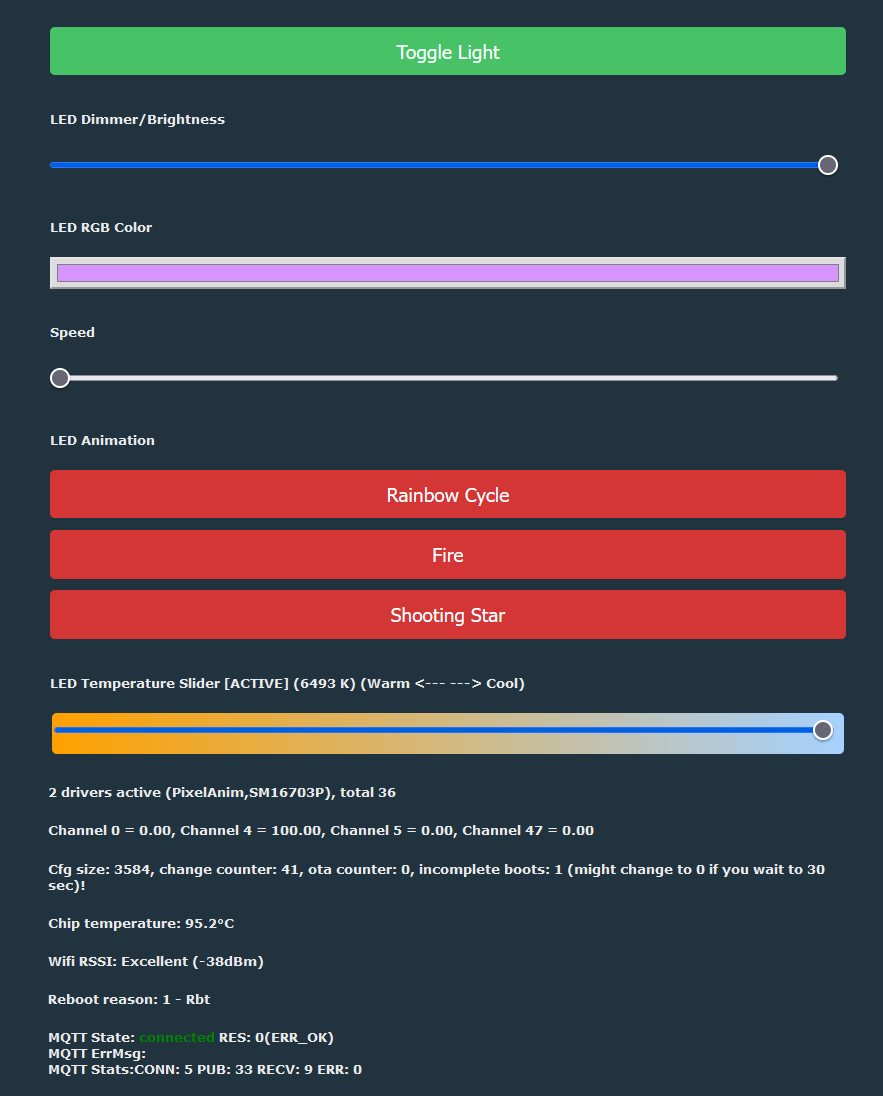
    The only thing strange is that sometimes it makes weird sounds like a short click sound. like if you put 2 wires together and it makes that short spark sound from time to time. when using it first time it happens sometimes but it got less and less. kinda weird lamp lol. but it is okay for its money, it was for 12€ on promotion. i will check solder points again. temperature is about 80 degrees celsius while operating.

    Added after 17 [minutes]:

    95degrees celsius now.. is that normal? honestly i think its way too hot, but i am not sure. what are your lamps reporting? mine is running maybe an hour or two maximum
    Software interface with LED light control options.
  • #18 21390024
    cijoml
    Level 9  
    Posts: 74
    Rate: 3
    Hello, can this light be cloud-cuttered on only serial flash is possible?
  • #19 21399440
    cijoml
    Level 9  
    Posts: 74
    Rate: 3
    @p.kaczmarek2 is this device solder only or can it be tuya cutted?
  • #20 21399551
    divadiow
    Level 38  
    Posts: 4879
    Help: 427
    Rate: 868
    Depends entirely on what firmware version your specific device comes with
  • #21 21430414
    geoffreymoga
    Level 3  
    Posts: 5
    Hello, I managed to flash the ceiling light with the tuya cloudcutter method and esphome firmware, however I cannot find the OTA file with the YAML characteristics to configure it. I'm a newbie so maybe I'm not using the right terms.
    For the moment I have integrated it into home assistant but in control, I have -> Pin and -> Pin Mode.

    Does anyone have a YAML file that I could compile with ESPHOME Builder to flash it OTA?
  • #22 21430491
    p.kaczmarek2
    Moderator Smart Home
    Posts: 14440
    Help: 650
    Rate: 12410
    I don't know about ESP, but we have a pin extraction guide for a device already flashed with OBK:


    And here are OTA files if you want to try: https://github.com/BenJamesAndo/OpenBeken_uf2_firmware
    Helpful post? Buy me a coffee.

Topic summary

✨ The discussion revolves around the Action LSC Smart Connect ceiling lamp model 3206306, which features both standard and RGB lighting. Users are exploring methods to flash the device's firmware, particularly using the BK7231N chip. Several participants share their experiences with flashing techniques, including serial flashing and OTA methods via Cloudcutter. Issues such as firmware compatibility, configuration settings, and troubleshooting steps are discussed, with some users expressing confusion over the flashing process and the correct firmware to use. Additionally, there are mentions of temperature concerns during operation and the desire for a German guide on the flashing process. Users also share links to firmware backups and resources for further assistance.
Generated by the language model.

FAQ

TL;DR: For this BK7231N ceiling light, users reported 2 lighting zones and one clear takeaway: "My preferred method is soldering." This FAQ helps anyone trying OpenBeken on the Action LSC 3206306, especially when Cloudcutter fails on firmware 1.0.6 and you need the working pin map, driver setup, and color-order fix. [#21368053]

Why it matters: This thread shows the exact failure points, working OpenBeken settings, and the practical trade-off between OTA convenience and serial reliability for this specific lamp.

Method Works when What the thread shows Main limitation
Tuya Cloudcutter Device firmware is still vulnerable It succeeded for some users and failed for others on v1.0.6 Exploit may fail even with a matching profile
Serial flashing You can open the lamp and solder to pads Confirmed as the more reliable fallback Requires disassembly and UART wiring

Key insight: The lamp works in OpenBeken when you treat it as a mixed design: two PWM white channels plus SM16703 LEDs on P16. If colors are wrong, fix the SM16703 color order rather than rewriting the whole template.

Quick Facts

  • The lamp uses a BK7231N chip, with reported OpenBeken pin assignments P16 = SM16703P DIN, P24 = PWM 5, and P26 = PWM 4. [#21361470]
  • One buyer reported a promo price of 12€, giving a useful cost baseline for risk tolerance before opening or soldering the unit. [#21374211]
  • A user measured roughly 80°C, then 95°C after about 1–2 hours of operation, which they considered unusually hot. [#21374211]
  • The thread repeatedly references Tuya firmware version 1.0.6 as the key number for choosing a Cloudcutter profile or explaining exploit failure. [#21367732]
  • A maintainer summarized the hardware as CW LEDs on two PWMs plus SM16703 LEDs on P16, and confirmed it works well with the PixelAnim driver. [#21369901]

How do I flash the Action LSC Smart Connect Smart Ceiling Light 3206306 with OpenBeken using the BK7231N serial pads on the PCB?

You flash it by opening the lamp, soldering to the PCB traces used for flashing, and using the BK7231N serial method. 1. Pry up the side margin to open the housing. 2. Use the exposed PCB traces or pads for UART flashing. 3. Write OpenBeken, then apply the device config for P16, P24, and P26. The thread confirms the chip is soldered directly to the main PCB, but the flashing traces are still accessible. [#21361470]

What is Tuya Cloudcutter, and how does it work for installing custom firmware on BK7231N-based LSC or Tuya devices?

Tuya Cloudcutter is an OTA flashing method that installs custom firmware over Wi-Fi when the factory Tuya firmware still exposes the required exploit path. "Tuya Cloudcutter" is an OTA exploit tool that installs custom firmware on vulnerable Tuya or BK7231N devices over Wi‑Fi, without opening the case, but only while the shipped firmware remains unpatched. In this thread, users tried it on firmware 1.0.6 with mixed results, and one later succeeded with Cloudcutter plus ESPHome. [#21430414]

Why does Tuya Cloudcutter fail with "profile you selected did not result in a successful exploit" on this Action LSC ceiling light?

It fails when the lamp firmware is patched against the exploit, even if the selected profile looks close. One responder states Cloudcutter only works on firmware that is not patched, and the firmware version must be checked after pairing in the Tuya or LSC app. In this thread, at least one user on version 1.0.6 still saw the exact exploit-failure message, so matching the version alone did not guarantee success. [#21367258]

Which Cloudcutter profile should I choose for the LSC Smart Connect ceiling light if the Tuya firmware version shows 1.0.6?

The suggested profile was oem-bk7231n-strip-rgb-diwen-1.0.6-sdk-2.3.1-40.00. That recommendation came specifically for a device reporting firmware version 1.0.6 in the app. The same reply also notes that Cloudcutter will not configure OpenBeken for you afterward, so you still need to set the pins and drivers manually after conversion. [#21367789]

What is the SM16703P driver in this lamp, and why does OpenBeken need an autoexec.bat file for it?

SM16703P is the RGB LED driver for the decorative ceiling-light ring, and OpenBeken needs startup commands so that driver initializes correctly on boot. "SM16703P" is an LED driver that controls the lamp’s addressable RGB section, using a data input line rather than separate PWM channels, so OpenBeken must start and initialize it during boot. The original template uses startDriver SM16703P; SM16703P_Init 120; startDriver PixelAnim;, and the opening post says an autoexec.bat file is also required. [#21361470]

How should I configure the OpenBeken JSON template for this ceiling light with CW PWM channels and SM16703 RGB LEDs?

Use two PWM channels for the white LEDs and one SM16703 data pin for the RGB section. The posted template maps P16 to SM16703P_DIN;47, P24 to PWM;5, and P26 to PWM;4. A later summary confirms the same hardware layout in plain language: CW LEDs on two PWMs and SM16703 LEDs on P16. That is the working model to follow for this lamp. [#21369901]

Why do the colors come out wrong on this lamp in OpenBeken, like red showing as green, and how do I fix the RGB order?

The colors are wrong because the SM16703 channel order is mismatched. The fix is to change the color order in the init line, for example by testing RGB, BRG, or RBG until red, green, and blue align correctly. One user reported red showing as green, and the reply specifically advised trying different orders such as SM16703P_Init 60 RBG. [#21369287]

Where should I put the pwmfrequency 4000 command for this BK7231N ceiling light, and what problem does it solve?

Put pwmfrequency 4000 in the startup commands, after the LED-driver init line in autoexec.bat. A user said they added the command there, after the driver init, while troubleshooting the lamp. Another participant asked whether pwmfrequency 4000 had also been set, which shows it is part of the expected working configuration for this model. [#21369088]

What is the PixelAnim driver in OpenBeken, and why is it recommended for this LSC ceiling light?

PixelAnim is the OpenBeken driver used to control the lamp’s SM16703 RGB effects, and it is recommended because this device works well with it. "PixelAnim" is an OpenBeken effect driver that animates addressable RGB LEDs, using the LED driver already initialized for the strip or ring, which makes it suitable for decorative light zones. The maintainer explicitly says this device works great when configured with the PixelAnim driver. [#21369901]

Cloudcutter vs serial flashing for the Action LSC BK7231N ceiling light — which method is more reliable and when should I use each one?

Serial flashing is the more reliable method, and Cloudcutter is the faster method only when the stock firmware is still exploitable. One experienced user summed it up bluntly: "My preferred method is soldering." In the same thread, Cloudcutter failed for one user on firmware 1.0.6, while serial flashing became the fallback path that avoided more OTA guesswork. Use Cloudcutter first only if you want a no-open attempt. [#21368053]

How can I back up the original firmware from this BK7231N ceiling lamp before flashing, and how do I share it safely without exposing Wi-Fi credentials?

Make a .bin backup before changing firmware, then share it cautiously because Wi-Fi data may be inside. One user confirmed they had backup .bin files from this exact lamp, but immediately worried that their SSID credentials were probably stored in that backup. A maintainer later shared his own backup through the project’s FlashDumps repository, which shows that sharing is useful, but credential review matters first. [#21369901]

What is the loose wire connected near the TX pad inside the lamp, and how can I tell whether it is a UART line or the antenna?

In this thread, the loose wire near TX was identified as the antenna, not a UART signal lead. A responder said, "I think that's just the aerial that's loose," and added that other devices show the same kind of construction. If the wire is a single loose lead used for RF range and not part of a soldered serial header, treat it as the antenna and leave it in place. [#21368250]

Why does this Action LSC ceiling light make occasional clicking or spark-like sounds after flashing, and what should I inspect first?

The thread does not confirm a root cause, but the first thing to inspect is the soldering and board condition. One user heard intermittent click or spark-like sounds after getting the lamp working and said they would recheck the solder points. In the same report, heat also climbed from about 80°C to 95°C, so inspect solder joints, wire placement, and any signs of overheating before continued use. [#21374211]

How hot is too hot for this LSC smart ceiling light, and what does it mean if the board temperature reaches 80 to 95 degrees Celsius during operation?

In this thread, 80°C to 95°C was treated as suspiciously hot, not confirmed normal. The user reached about 80°C, then 95°C after roughly 1–2 hours of operation and explicitly said it felt too hot. The thread gives no safe operating limit, so the practical takeaway is simple: if your unit approaches 95°C, stop assuming it is normal and inspect the assembly and configuration. [#21374211]

How do I configure this flashed ceiling light in ESPHome or Home Assistant if I only see generic Pin and Pin Mode controls and do not have a ready-made YAML file?

This thread does not provide a ready-made YAML file for ESPHome. A newcomer asked for exactly that after flashing with Cloudcutter and ESPHome, and the reply offered two alternatives instead: an OpenBeken pin-extraction guide video and OTA files from an OpenBeken firmware repository. If Home Assistant only shows generic Pin and Pin Mode controls, you still need a device-specific configuration derived from the extracted pin mapping. [#21430491]
Generated by the language model.
ADVERTISEMENT