logo elektroda
logo elektroda
X
logo elektroda

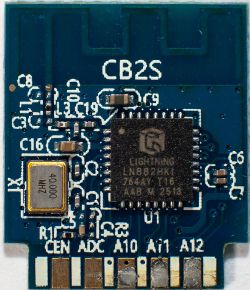
Unknown LED driver: CB-2S BK7231N + BP2958, what is the middle IC?

GreedyMagnetometer 567 8
ADVERTISEMENT
  • #1 21906429
    GreedyMagnetometer
    Level 2  
    Posts: 17
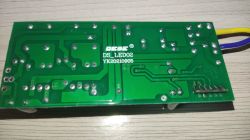
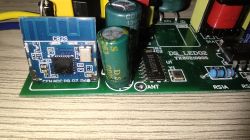
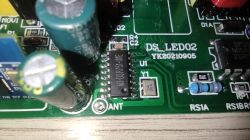
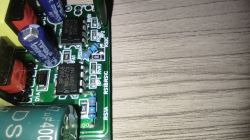
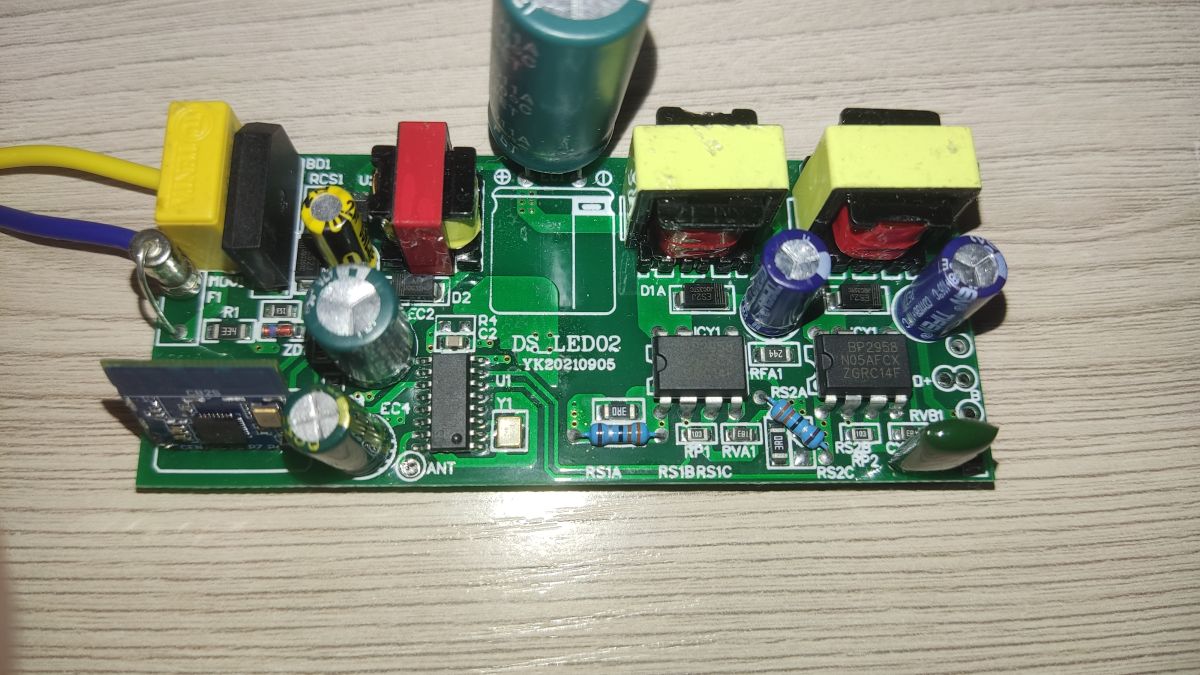
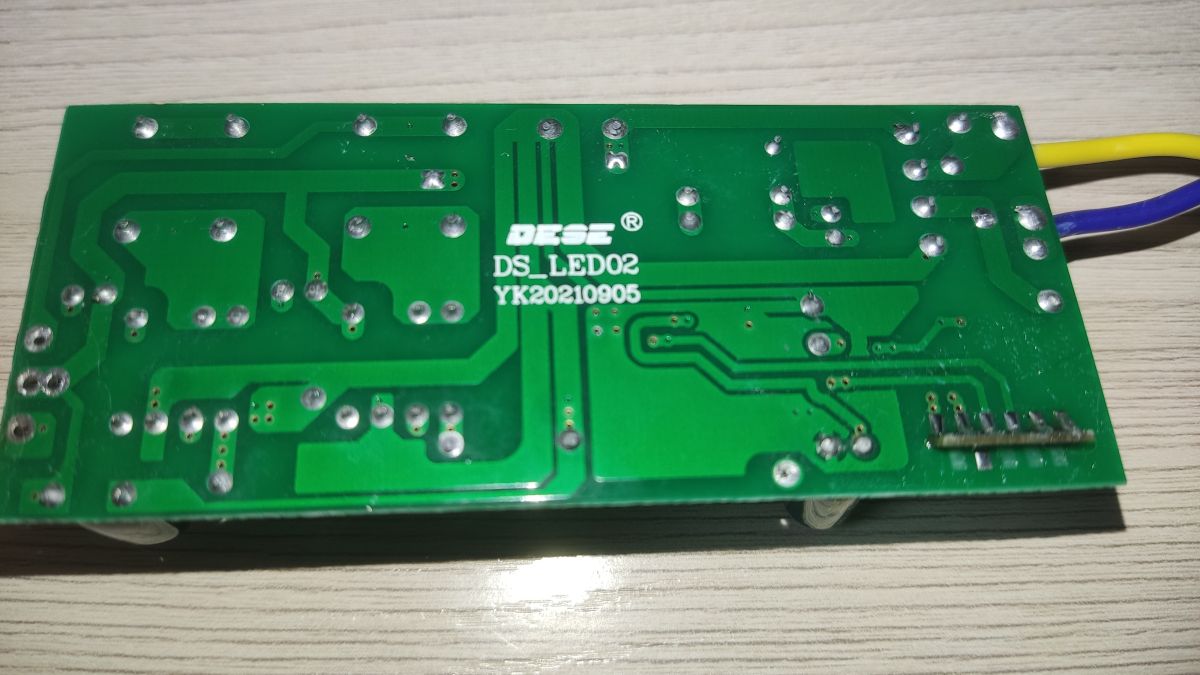
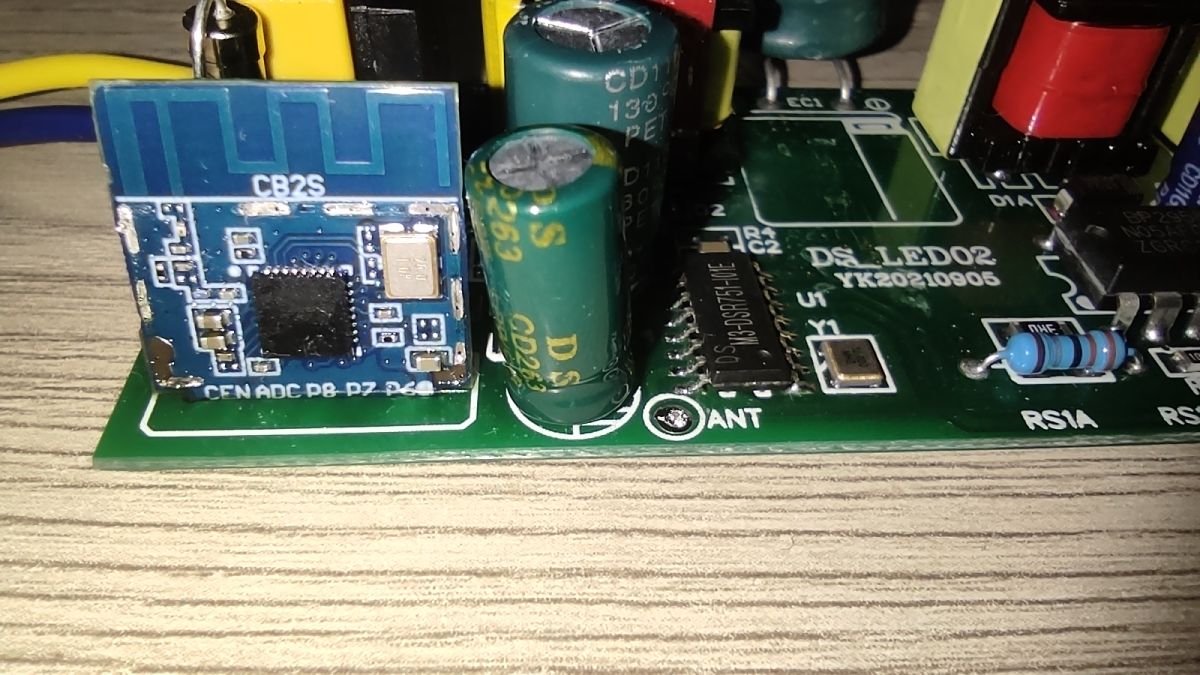
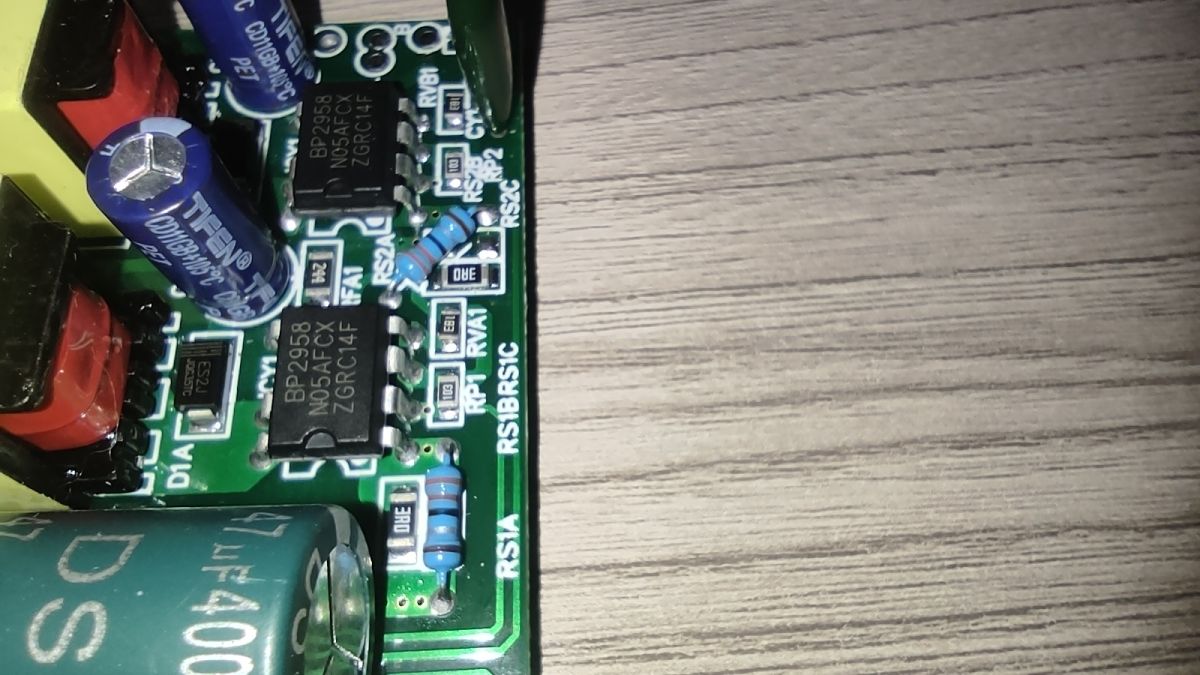
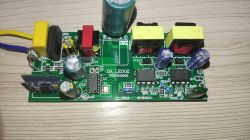
    Hello everyone. I got an LED driver for an LED chandelier. The CB-2S module (BK7231N) is soldered on the board, an unknown microcircuit and analog drivers with PWM regulation BP2958. On the CB-2S, only 3.3 V, GND, TX1, RX1 are soldered. Pins TX1 and RX1 are connected to an unknown chip directly, and this chip is connected from BP2958 to PWM pins. Does anyone have an understanding of how it all works? There are plans to flash on OpenBK.
    Unknown LED driver: CB-2S BK7231N + BP2958, what is the middle IC? Unknown LED driver: CB-2S BK7231N + BP2958, what is the middle IC? Unknown LED driver: CB-2S BK7231N + BP2958, what is the middle IC? Unknown LED driver: CB-2S BK7231N + BP2958, what is the middle IC? Unknown LED driver: CB-2S BK7231N + BP2958, what is the middle IC?
  • ADVERTISEMENT
  • #2 21906532
    divadiow
    Level 38  
    Posts: 5044
    Help: 438
    Rate: 892
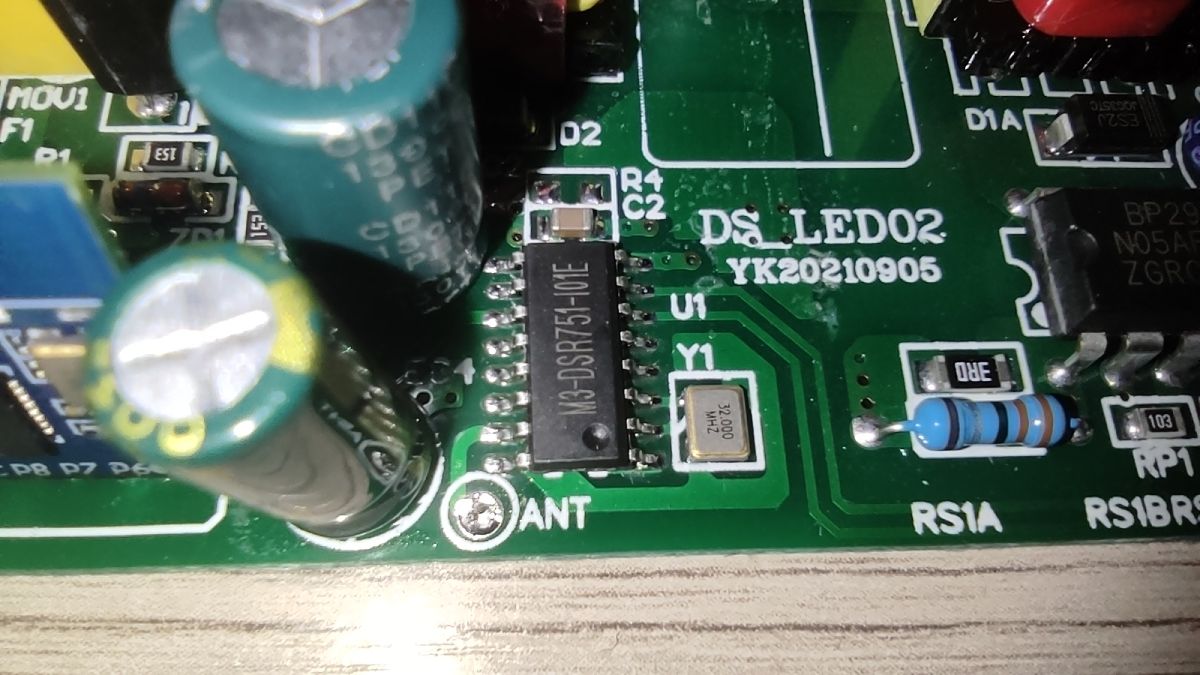
    this is a TuyaMCU device. CB2S talks to the MCU over rx/tx. The M3-DSR751-I01E controls the LEDs

    Code: JSON
    Log in, to see the code


    Added after 4 [minutes]:

    assuming the device in this thread (PCB marked DS_LED02), is the same as the one with dump in here https://www.elektroda.com/rtvforum/topic4173909.html

    Is the N is DNS_LED02 in title a typo?

    Added after 44 [minutes]:

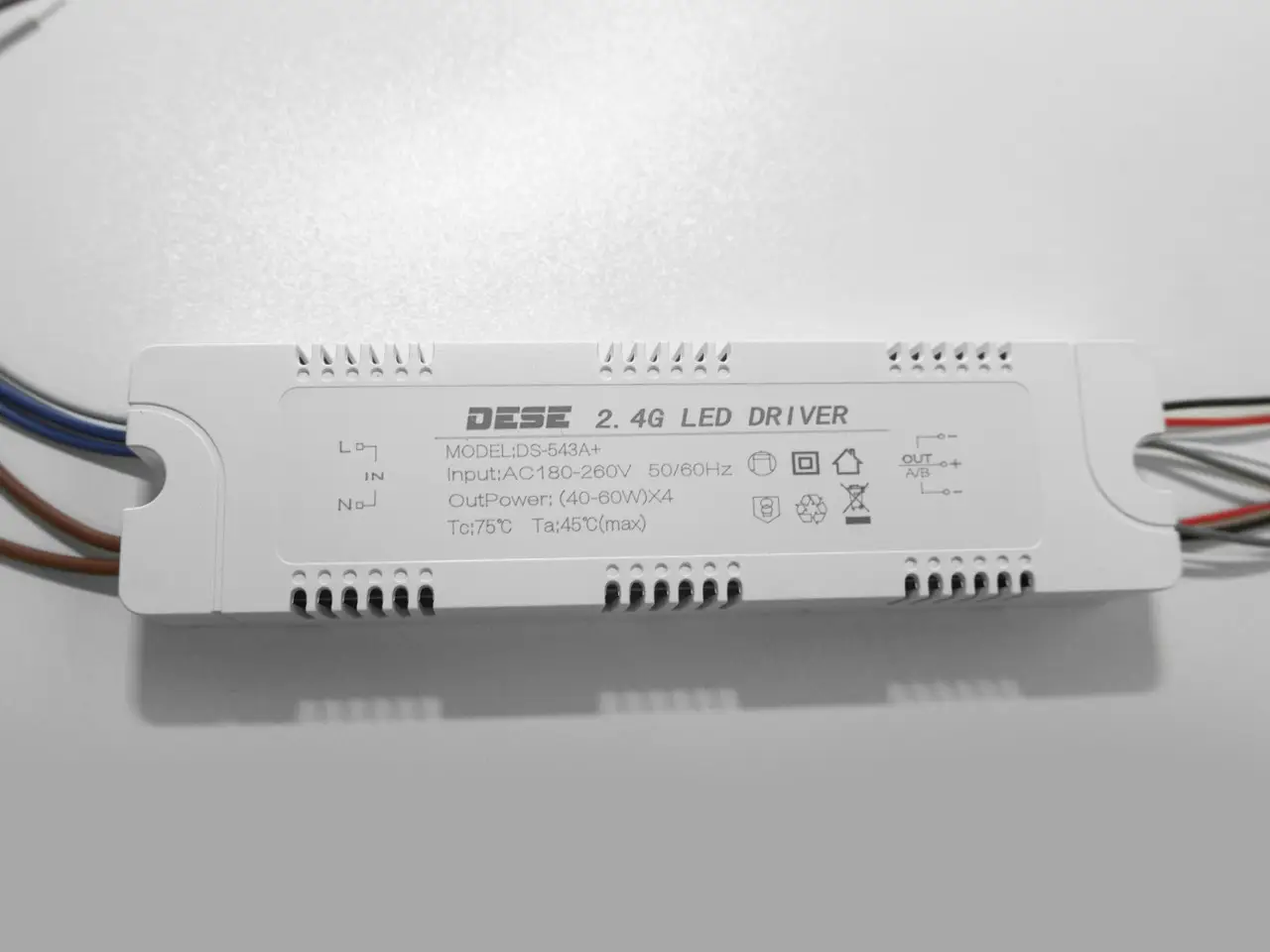
    also, what's your device? A 2.4G DESE - something like this?

    Unknown LED driver: CB-2S BK7231N + BP2958, what is the middle IC?
  • #3 21906994
    GreedyMagnetometer
    Level 2  
    Posts: 17
    >>21906532 Yes), N This is a typo, it looks like the device in your photo. The connection lines are clear to me, I'm trying to find out which signal goes from the CB-2S to the microcircuit. The chip itself is strange, has a radio channel, because this module can be controlled via a radio remote control.
  • ADVERTISEMENT
  • #4 21909335
    p.kaczmarek2
    Moderator Smart Home
    Posts: 14604
    Help: 654
    Rate: 12620
    Interesting, so M3-DSR751-101E with the crystal oscillator and antenna is used as TuyaMCU chip? Well, the "signal" is probably TuyaMCU traffic over UART.
    TuyaMCU protocol - communication between the microcontroller and the WiFi module
    TuyaMCU analyzer - UART packet decoder for Tuya devices - dpID detector
    TuyaMCU flashing, setup and configuration guide - configure dpIDs for Home Assistant

    Added after 45 [seconds]:

    @GreedyMagnetometer have you managed to investigate it futher?
    Helpful post? Buy me a coffee.
  • ADVERTISEMENT
  • #5 21909368
    GreedyMagnetometer
    Level 2  
    Posts: 17
    >>21909335 Unfortunately, I didn't get any further. The scheme of operation is as follows: microcircuit M3-DSR751. This is some kind of controller that controls the PWM drivers via radio control via a remote control, and the CB-2S module is an add-on to control it via WiFi, because there are versions of this LED driver without CB-2S.
  • #6 21910400
    p.kaczmarek2
    Moderator Smart Home
    Posts: 14604
    Help: 654
    Rate: 12620
    Ok but at which point are you stuck?
    1. did you take factory backup 2 MB copy?
    2. did you try capturing UART traffic (while powering it from safe power supply, not from mains)?
    3. alternatively, did you try flashing OBK, and starting TuyaMCU driver to see if there are heartbeats seen, at either of common TuyaMCU bauds?


    GreedyMagnetometer wrote:
    The scheme of operation is as follows: microcircuit M3-DSR751. This is some kind of controller that controls the PWM drivers via radio control via a remote control, and the CB-2S module is an add-on to control it via WiFi, because there are versions of this LED driver without CB-2S.

    That's classic TuyaMCU idea. That's how TuyaMCU devices are often made. The same devices are also sold without the WiFi module.
    Helpful post? Buy me a coffee.
  • ADVERTISEMENT
  • #7 21910568
    GreedyMagnetometer
    Level 2  
    Posts: 17
    >>21910400 I made a backup copy of the factory firmware. I have not tried to intercept traffic, because I have already flashed it. I can't figure out how to try to send commands for the Tuya MCU response.
    Attachments:
    • readResult_BK7231N_QIO_1_2026-16-5-12-53-15.zip (1.02 MB) You must be logged in to download this attachment.
  • #8 21910660
    divadiow
    Level 38  
    Posts: 5044
    Help: 438
    Rate: 892
    schema/dpIDs needed for TuyaMCU config on OBK are in the text box in post #2.

    Added after 51 [minutes]:

    try this basic autoexec.bat and reboot.

    Code: Text
    Log in, to see the code
  • #9 21910800
    p.kaczmarek2
    Moderator Smart Home
    Posts: 14604
    Help: 654
    Rate: 12620
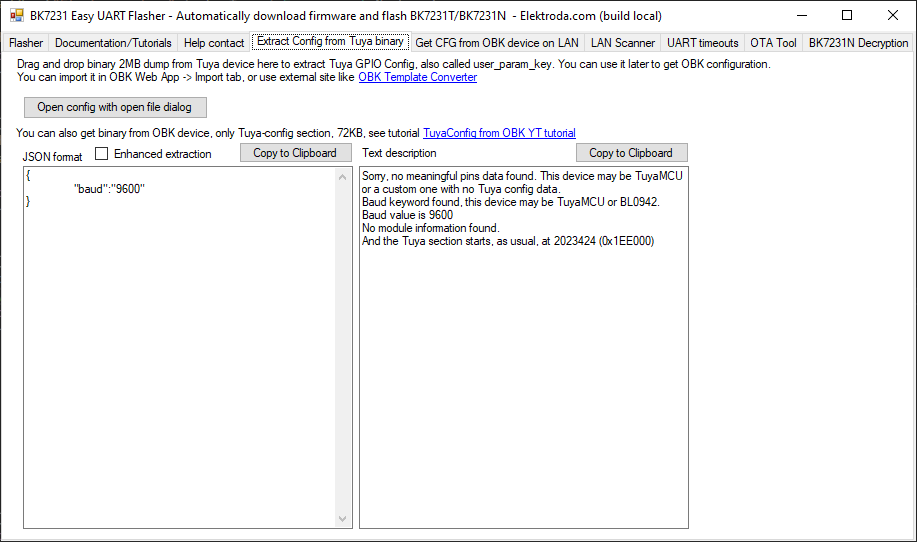
    @divadiow do we know baud it uses? Let's double check from his 2 MB copy:
    Screenshot of BK7231 Easy UART Flasher on “Extract Config from Tuya binary” tab with logs.
    Standard 9600, it seems
    Helpful post? Buy me a coffee.

Topic summary

✨ The LED chandelier driver is identified as a TuyaMCU-based device: the CB2S module with BK7231N communicates over TX/RX with an intermediate MCU, which in turn controls the LED channels driven by BP2958 analog PWM drivers. The unknown middle IC is reported as M3-DSR751-I01E, responsible for LED control. The discussion suggests the board can be flashed with OpenBK, with the CB2S using only 3.3 V, GND, TX1, and RX1 connections.
Generated by the language model.
ADVERTISEMENT