FAQ
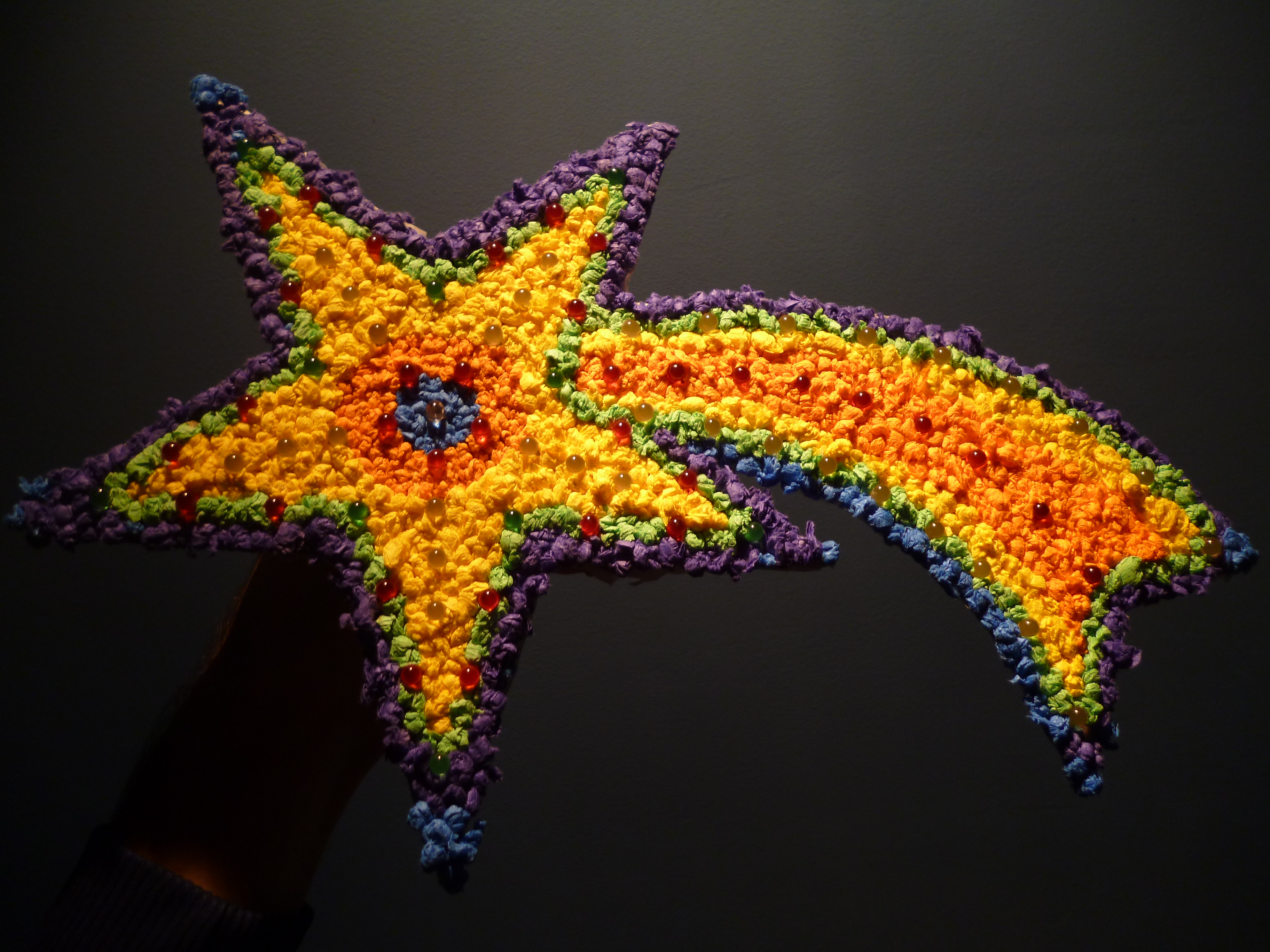
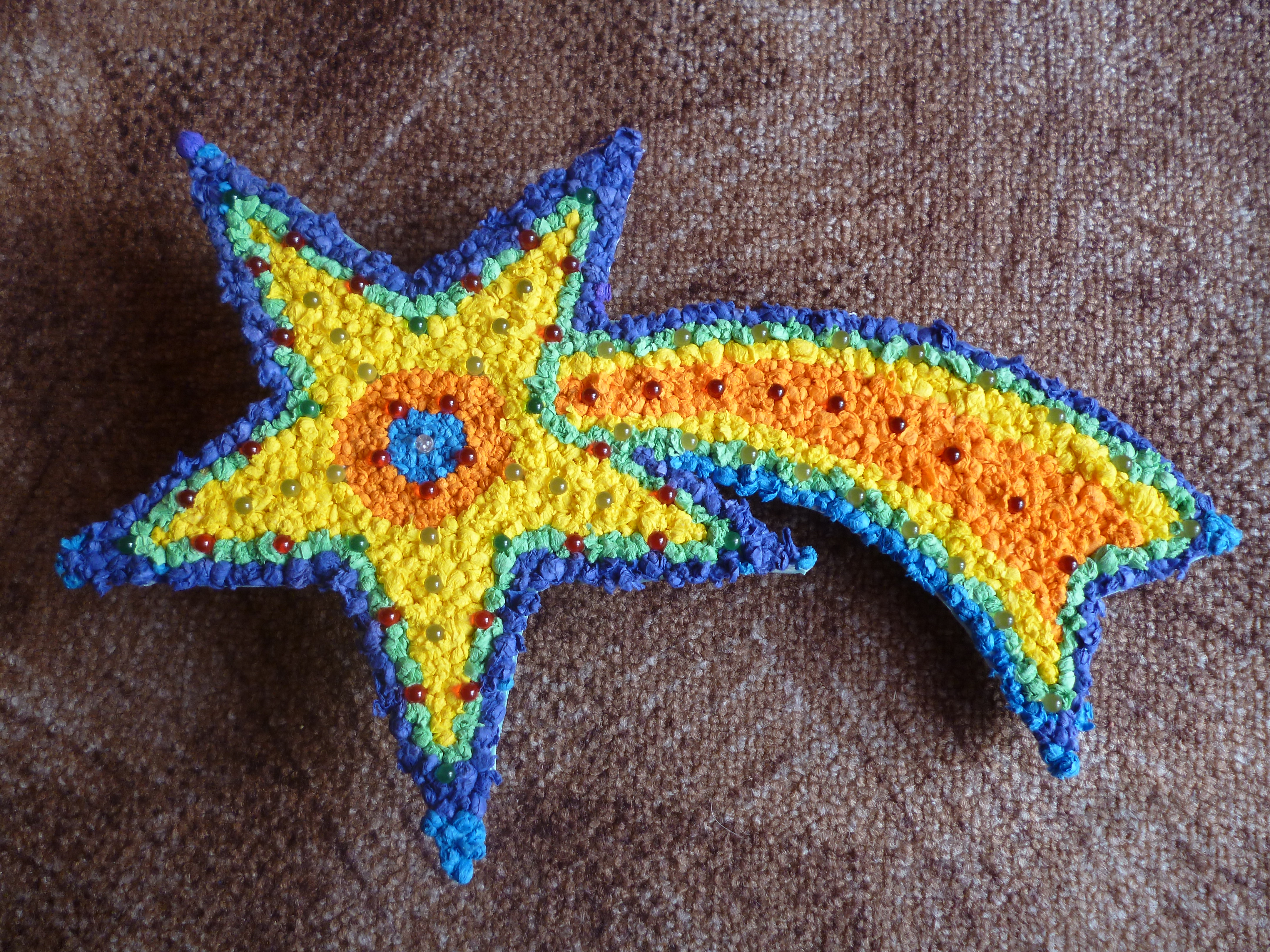
TL;DR: 78 LEDs flash in a sheet-metal Bethlehem star; “dynamic but not aggressive” lighting delights viewers [Elektroda, rb401, post #16205981] Adjust two NE555 timers to sync the tail direction and end the backward sweep. Why it matters: A small parts swap upgrades any DIY décor into a show-stopping, low-cost light sculpture.
Quick Facts
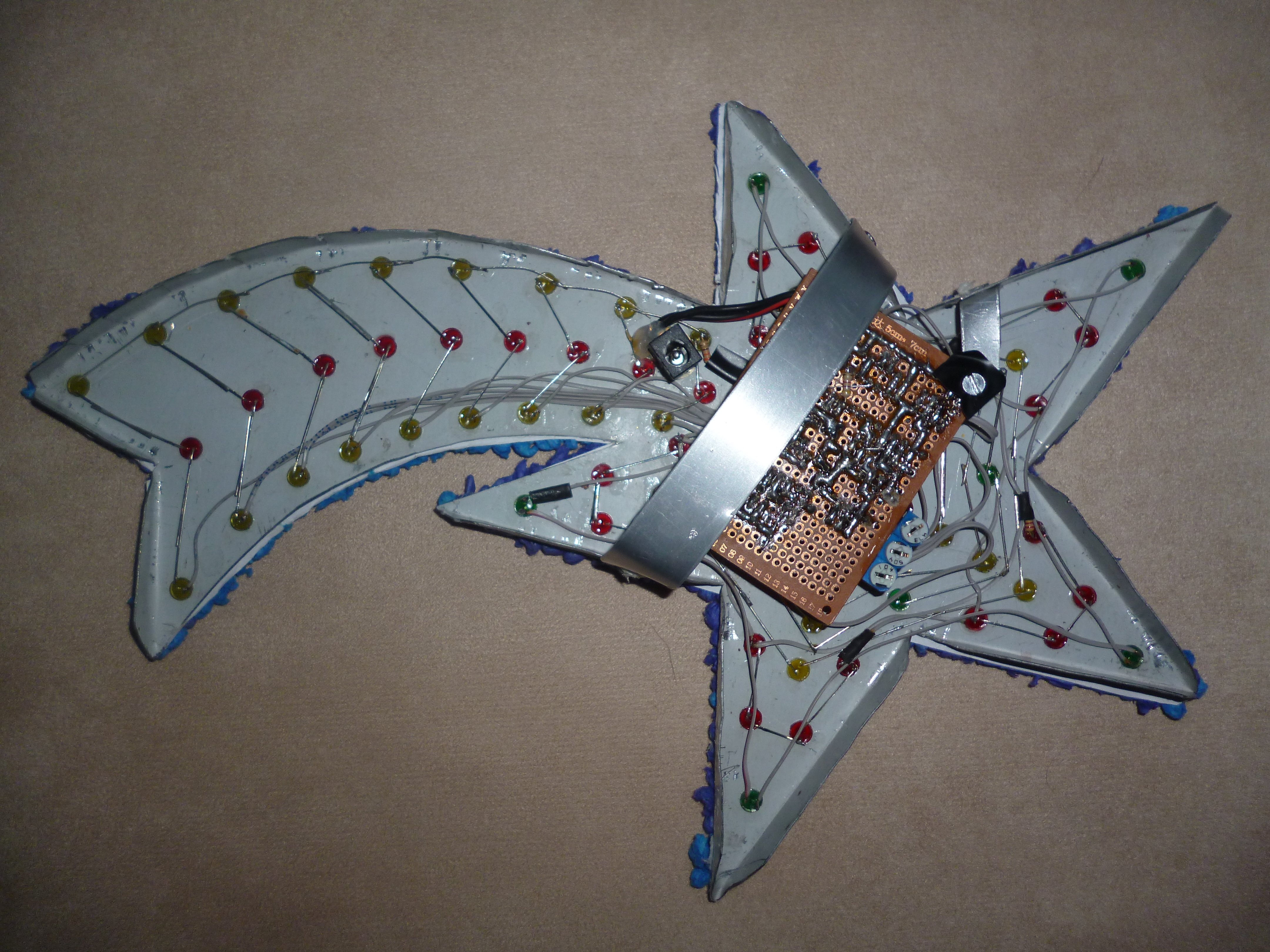
• LED count & colours: 34 red, 33 yellow, 10 green, 1 blue [Elektroda, bastek102, post #16205454]
• Control ICs: 3 × NE555 + 2 × CD4017 decade counters [Elektroda, bastek102, post #16205454]
• Typical supply: 9–12 V DC, ≥500 mA for full brightness [TI, 2023]
• Sheet-metal body: 0.5–0.8 mm aluminium weighs ≈180 g at this size [AluSheet, 2022]
• Parts cost: €12–€18 including LEDs, ICs and passives [Mouser, 2024]
How are the 78 LEDs electrically arranged?
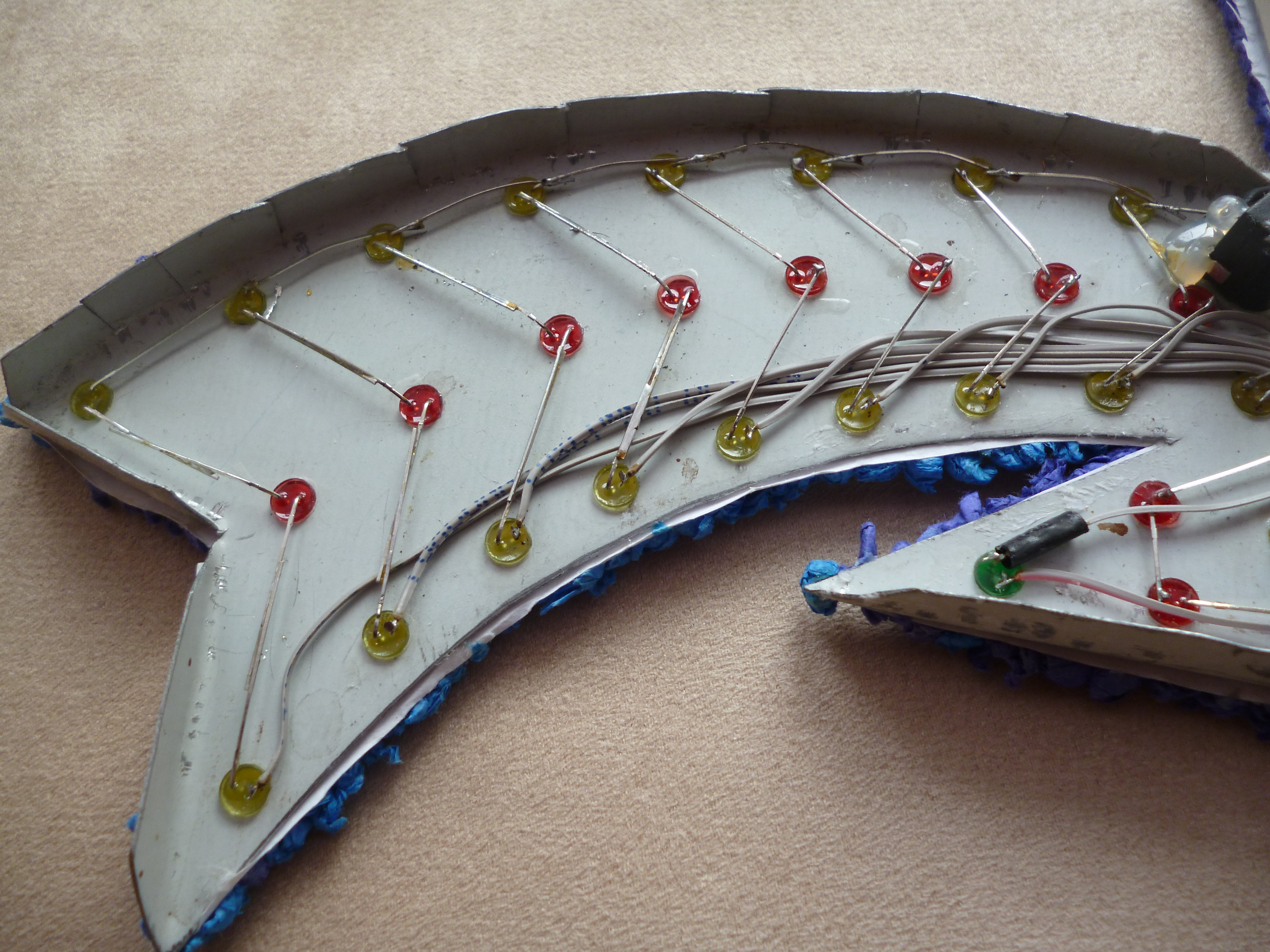
The design groups three same-colour LEDs in series and drives each trio from one CD4017 output. That creates 26 strings for the tail and centre. A single resistor per string limits current, cutting wiring clutter
[Elektroda, bastek102, post #16205454]
Which chips create the flashing patterns?
One NE555 astable clocks a CD4017 for the tail. Two further NE555 devices—asteroid-style burst generator and astable clock—feed a second CD4017 for the star core
[Elektroda, bastek102, post #16205454]
Why does the tail seem to move backwards?
The CD4017 counts 0→9 then resets. If the LED order on the sheet points toward the star, the lit segment appears to run inward. Reverse the wiring sequence or swap Q0 with Q9 to flip the chase direction
[Elektroda, krisRaba, post #16205793]
How do I synchronise tail sweep with star "eruptions"?
Match both NE555 clocks. 1) Measure star-core clock frequency (Hz). 2) Adjust tail NE555 timing resistors until its period equals one-tenth the core (CD4017 has 10 outputs). 3) Fine-tune with the tail potentiometer until the burst aligns [TI, 2023].
What resistor value suits a 12 V supply?
For three red LEDs (≈1.9 V each), voltage drop is 5.7 V. Remaining 6.3 V/15 mA ≈ 420 Ω. Use 390 Ω for 16 mA or 470 Ω for 13 mA, 0.25 W. Green or blue strings need 330 Ω at 12 V because of higher forward voltage [Diodes Inc., 2021].
Edge-case: what if one LED opens?
The entire three-LED string goes dark, but other strings stay active because each has independent current limiting. “One failed diode is isolated, not catastrophic” [TI, 2023].
How much power does the star draw?
Peak current: 26 strings × 16 mA ≈ 0.42 A. At 12 V that is 5 W. Average power is lower because CD4017 drives one output high at a time, so typical draw is roughly 0.5 W [TI, 2023].
Is tissue paper safe near electronics?
Low-voltage LEDs run cool (<35 °C). Still, use flame-retardant tissue or replace with translucent PETG to meet EN 60598 decor-lighting guidelines [IEC, 2020].
Can I weatherproof the ornament for outdoor use?
Seal seams with clear silicone, spray a conformal coat (IP54), and add a 12 V waterproof supply. Keep the tissue paper dry or substitute acrylic diffuser sheets [IEC, 2020].
Could a microcontroller replace the NE555/CD4017 combo?
Yes. An 8-pin ATtiny13A can drive 78 LEDs via multiplexed MOSFETs while using <1 mA standby current. Code enables complex fades impossible with CD4017 [Microchip, 2023].
What LED lifespan should I expect?
Quality 5 mm LEDs rated at 20 mA have an L70 life of 50 000 h at 25 °C. Running them at 15 mA stretches life to ≈80 000 h [Osram, 2022].
Three-step build recap
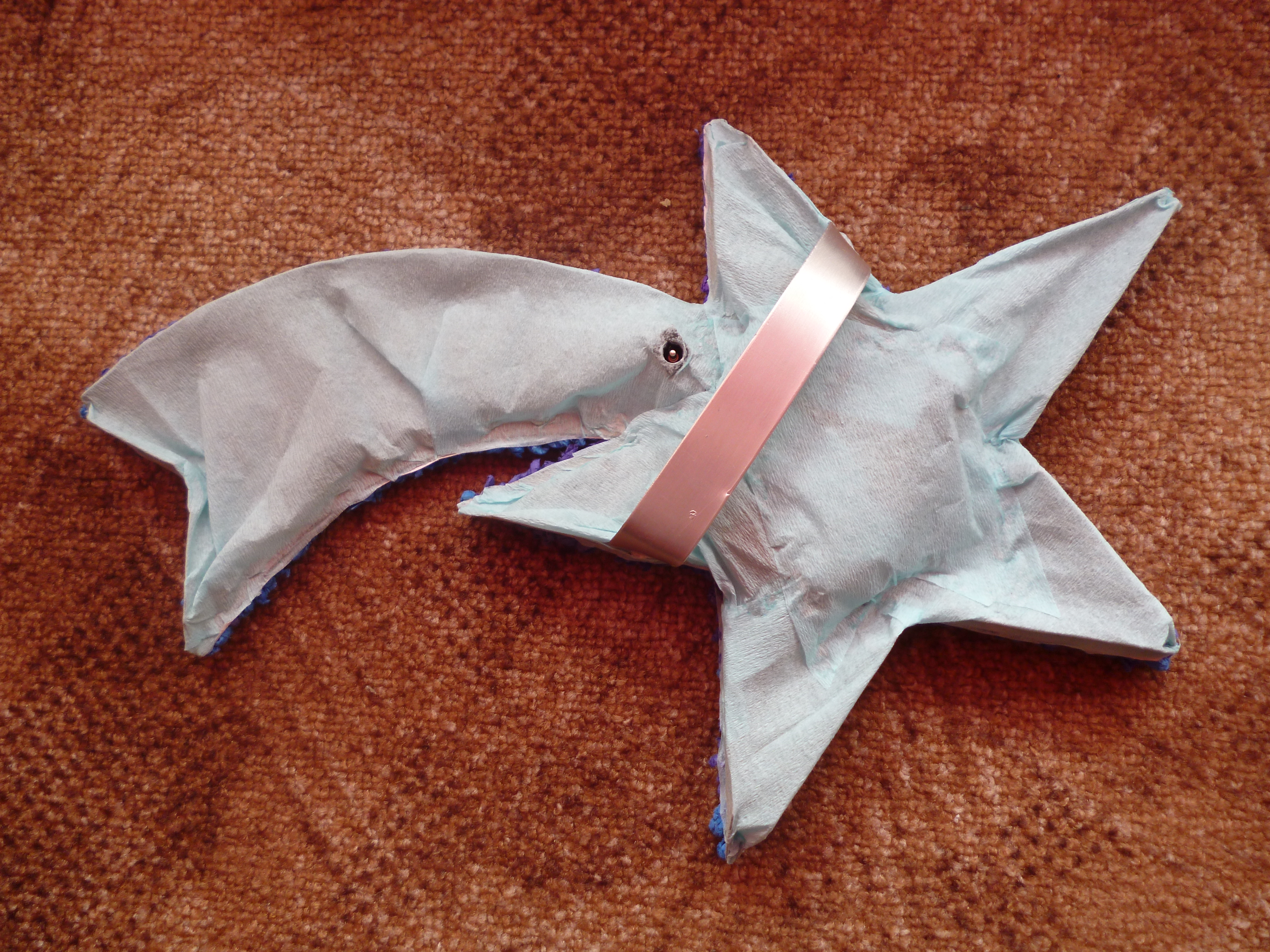
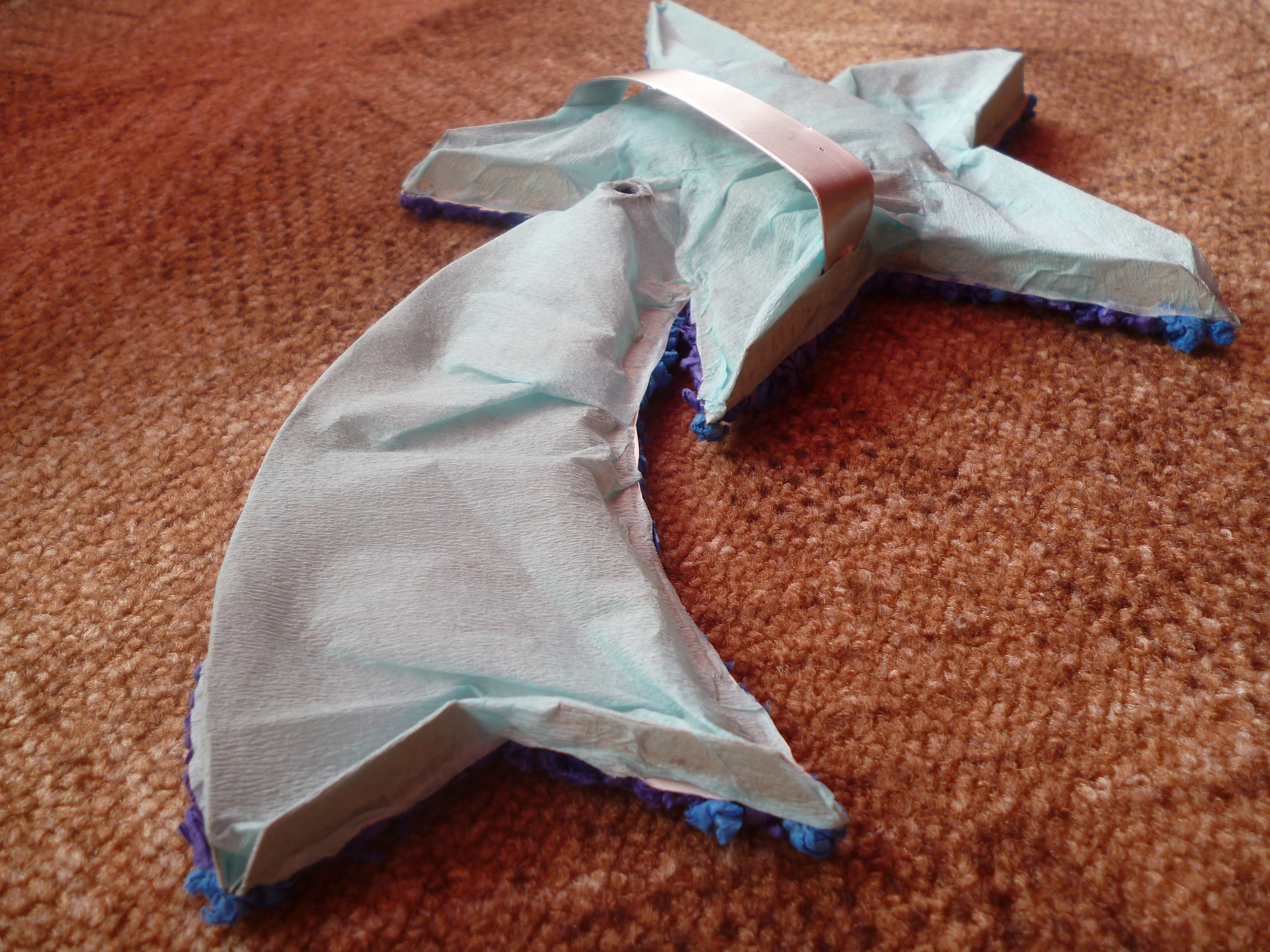
- Cut and drill sheet-metal star; insert LEDs. 2. Solder NE555/CD4017 circuit on perfboard, test at 9 V. 3. Glue diffusion paper, mount board, and connect 12 V adapter. The star lights immediately on power-up [Elektroda, bastek102, post #16205454]
AI summary based on the discussion. May contain errors.













Comments
A very nice effect. It only seems to me that the "tail" of the star should glow the other way ;) [Read more]
Very aesthetic and solid workmanship. It looks very nice even without the lights. I like the integration of these LEDs into this rolled tissue paper. In the star, the lighting effect is very nice, dynamic... [Read more]
beautiful thing [Read more]
Unless it's an asterisk on the reverse ;-) She missed the goal, because she did not expect it to be a stable and now she is back ... :-D [Read more]