FAQ 
TL;DR: For makers converting first-generation Uascent Matter switches, the reliable path is a 2MB dump-based workflow using custom encryption handling; as one expert put it, "both running" once the bootloader and app were rebuilt with the Uascent coeff key. This FAQ explains why stock OBK builds fail, how to recover AP/MAC, and which partitions matter on CB3S/BL2028N hardware. [#21466530]
Why it matters: These devices look like ordinary BK7231N hardware, but their non-Tuya bootloader, efuse keying, and partition layout break standard OpenBeken flashing assumptions.
| Option |
Boots on Uascent BL2028N |
OTA status |
Typical use |
| Classic Tuya BK7231N QIO |
No |
N/A |
Standard Tuya-key BK7231N devices |
| Zero-keys / BK7231M-style build |
No on Uascent |
N/A |
Devices using zero-key or M-specific paths |
ENCRYPT_NEW_DOESBOOT_NOOTA UASCENT QIO |
Yes |
No |
Early proof-of-concept boot on Uascent Matter hardware |
| Uascent-specific rebuilt bootloader + encrypted app |
Yes |
Yes in later testing |
Proper conversion path for Uascent devices |
Key insight: The main blocker is not the BL2028N radio itself. The blocker is the Uascent efuse coeff key plus a matching bootloader and partition scheme; once those match, OpenBeken can boot and later OTA can work too. [#21753785]
Quick Facts
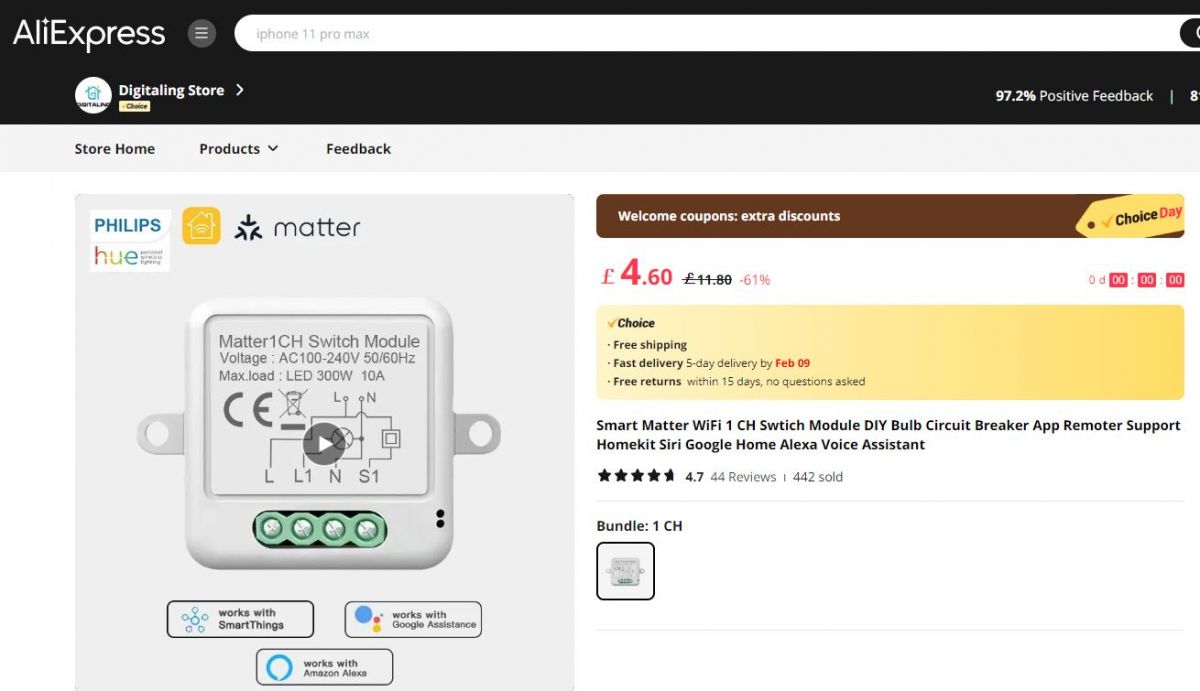
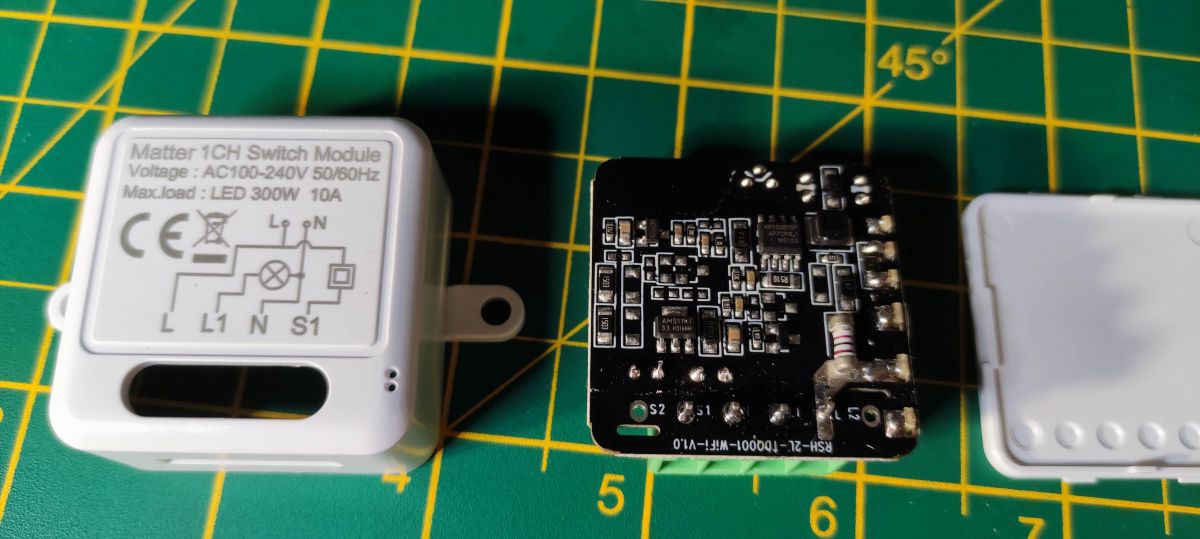
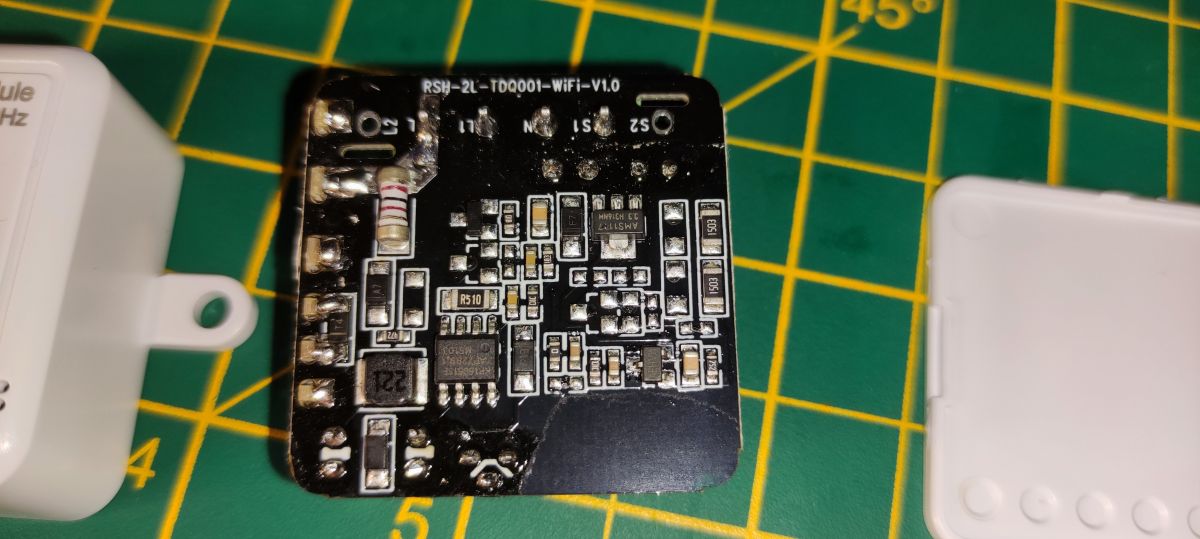
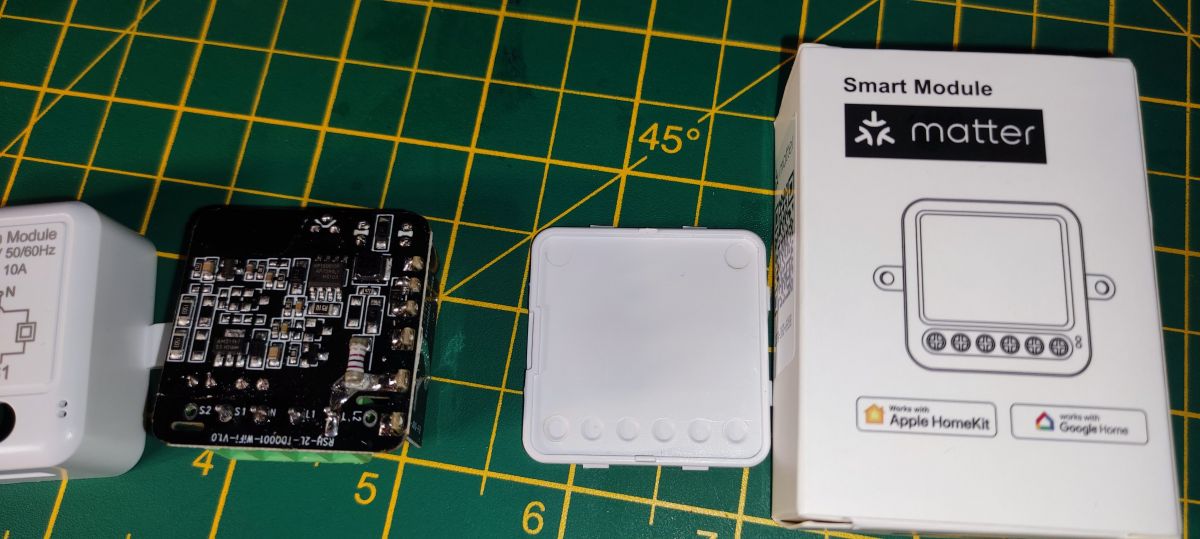
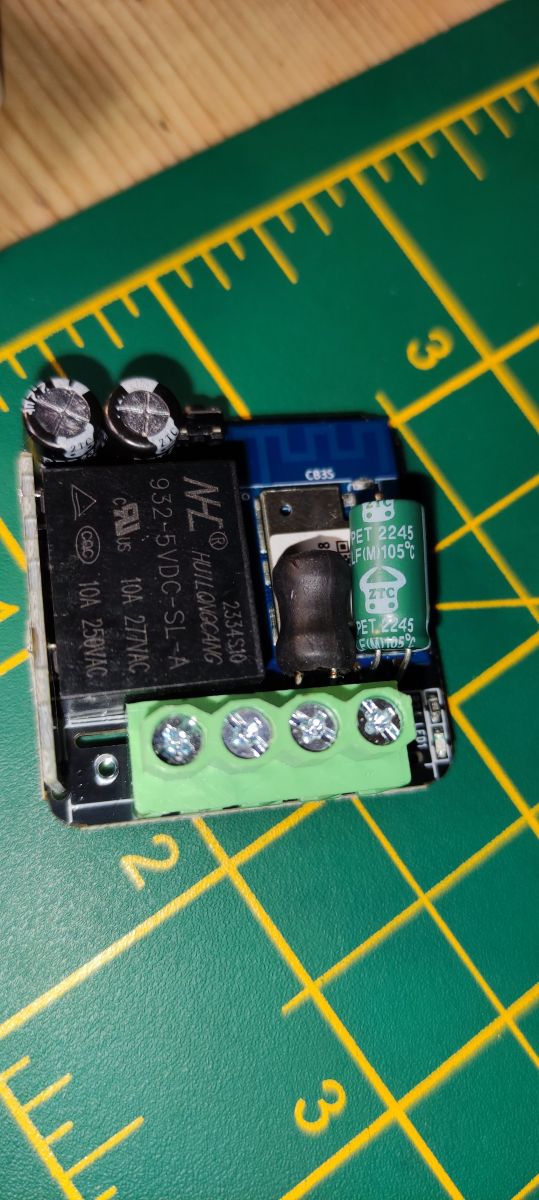
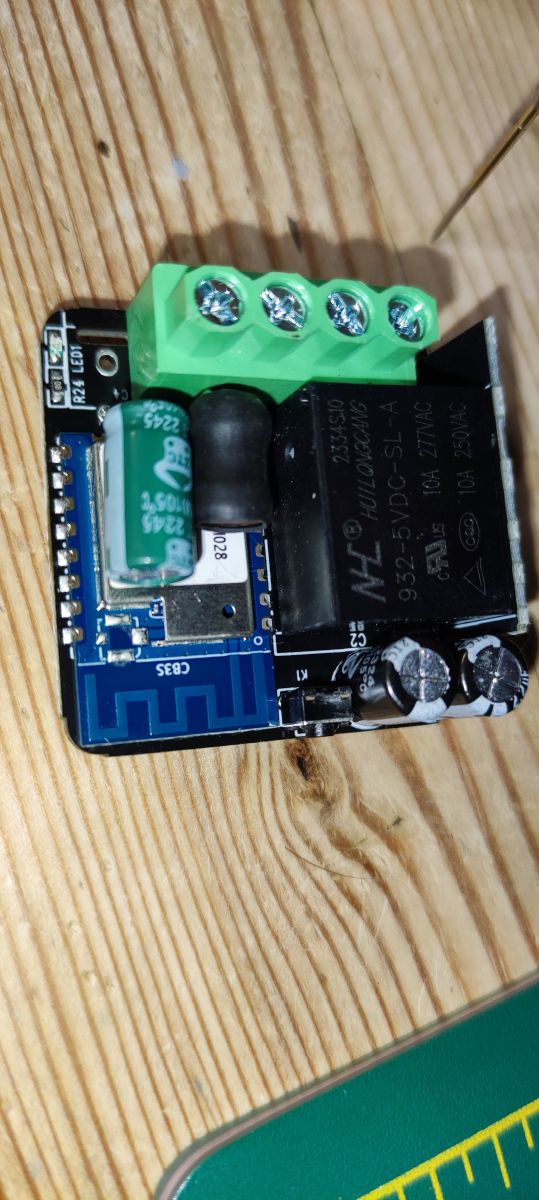
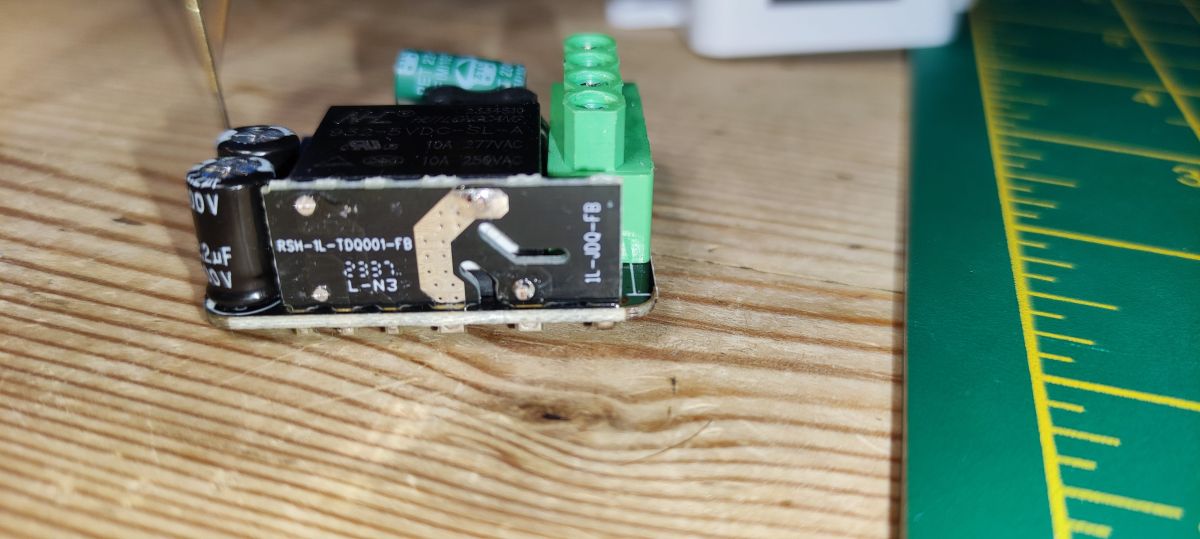
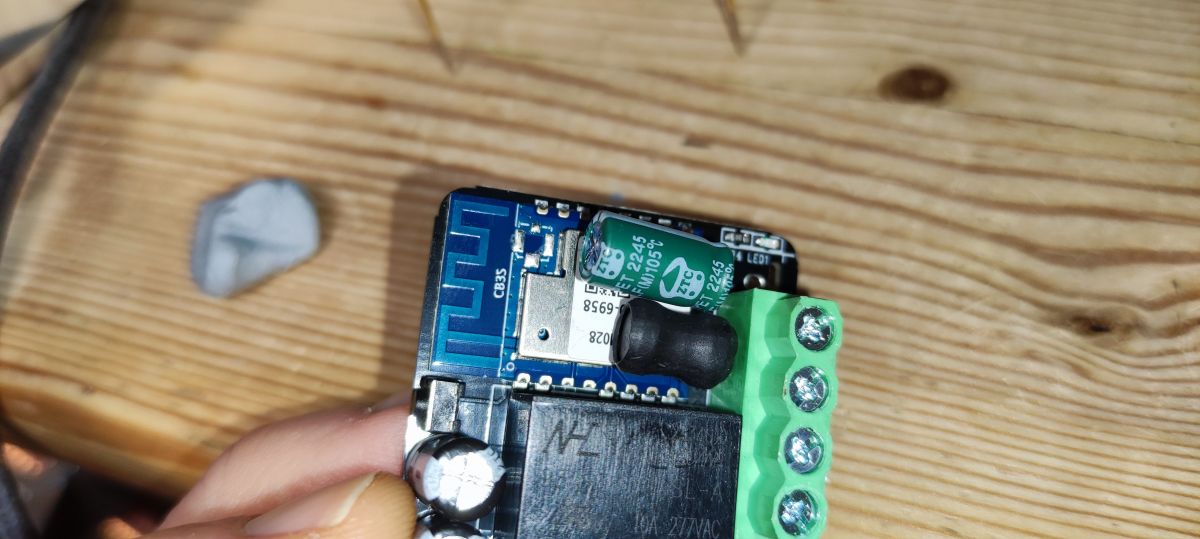
- The original 10A 1CH Matter mini switch used a CB3S module, but shield removal showed a BL2028N chip, not a plain BK7231N marking match. [#20940846]
- On these Uascent RT-Thread Matter devices, the observed OTA partition for manual RBL placement was 0x143000 during stock-bootloader experiments. [#21106354]
- A standard OBK OTA session on converted hardware wrote from about 0x12A000 to 0x1A3400, then rebooted into the new app when the boot path was correct. [#21466523]
- The recovered Uascent coeff key was 4862379A 8612784B 85C5E258 75754528; reading efuse often returned all zeros even when that key was actually active. [#21465033]
- A different Matter relay examined later used an ESP32-C3, 4MB flash map, secure boot verification, and 0 plaintext flashes left, blocking normal Tasmota-style reflashing. [#20965795]
How do I flash OpenBeken onto a Uascent uHome Matter switch with a CB3S/BL2028N module and custom efuse encryption keys?
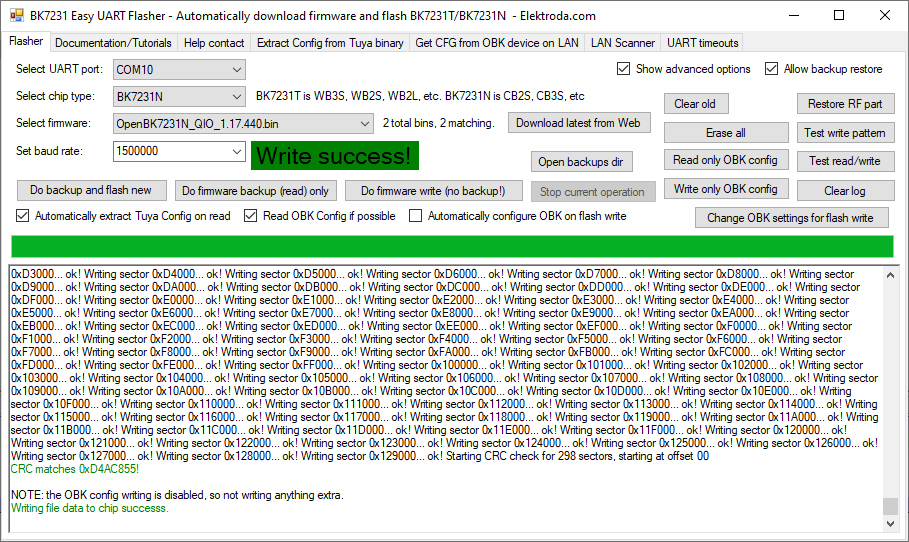
Use a dump-first, key-aware workflow. 1. Read the full backup and use Easy Flasher’s BK7231N Decryption tab to find keys and add default BK7231N partitions. 2. Encrypt a matching bootloader and flash it at
0x0. 3. Encrypt the OpenBeken app partition and burn it at
0x11000, then restore RF from backup if possible. A later working method packaged a full
2MB image so first boot unpacked an OTA RBL and entered fresh OBK.
[#21850205]
Why does a BL2028N-based UAM028 Matter device fail to create an AP after flashing standard OpenBK7231N or BK7231M builds?
It fails because the device does not use the standard Tuya encryption and partition assumptions. Standard builds could boot partially, but logs showed
mac=00:00:00:00:00:00 and no AP broadcast even after RF restore attempts. The thread tied this to Uascent-specific coeff keys, non-Tuya bootloader behavior, and different RF or OTA layout expectations. Until the bootloader and app were rebuilt for the correct key path, the device did not expose the expected OpenBK7231N access point.
[#21115403]
What is the coeff key on BK7231N/BL2028N devices, and why does it matter when converting Uascent Matter hardware to OpenBeken?
The coeff key is the efuse-backed encryption key that the bootloader uses to validate or encrypt firmware on this hardware.
"Coeff key" is an efuse-stored encryption parameter that binds firmware images to a device family, preventing ordinary Tuya-key or zero-key binaries from booting when the chip expects a different key set. For the Uascent devices in this thread, the working key was
4862379A 8612784B 85C5E258 75754528. Without that key, standard OBK builds booted poorly or not at all.
[#21465033]
What does the 0x143000 OTA partition mean on these Uascent RT-Thread Matter devices, and how is it used during flashing?
It is the stock bootloader’s download area for OTA-style application updates. In early tests, flashing an unencrypted BK-N RBL directly to
0x143000 triggered the Uascent
BK7231n_1.0.13 bootloader to inspect that partition on reboot. When the bootloader accepted the payload, logs showed the OTA start marker and then jumped into the app area at
0x10000. That is why direct RBL placement worked even before a fully standard OBK conversion existed.
[#21106354]
Which steps are needed in Easy Flasher to restore stock firmware from a backup on a BK7231N or BL2028N module?
Use Easy Flasher’s restore mode and make the backup file recognizable. 1. Enable
"allow backup restore". 2. Ensure the filename starts with
readResult_BK7231N_QIO.. so it appears in the restore list. 3. Select the backup and flash it back to the device. That method successfully restored factory firmware after failed OBK tests on BL2028N hardware.
[#20968329]
How can I tell whether a CB3S module is really BK7231N, BK7231M, or a BL2028N variant when the markings and behavior do not match?
Do not trust the module label alone; confirm by chip inspection and boot behavior. The CB3S module first looked like a normal
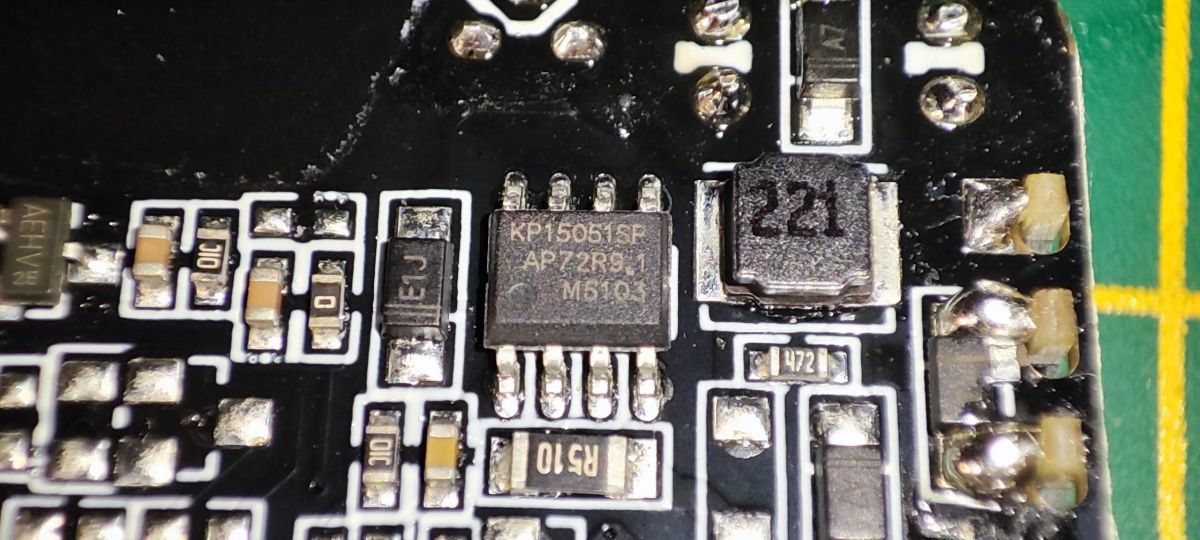
BK7231N, but removing the shield revealed
BL2028N on the die. Even then, boot signatures such as
0x00401C1C suggested an M-flavor or different keying path, which explained why ordinary N images failed. The safest identification method is: inspect the silicon, capture boot logs, and compare behavior after flashing known N or M test images.
[#20940912]
What's the difference between classic Tuya BK7231N firmware, zero-keys BK7231M builds, and Uascent-specific QIO builds in OpenBeken?
They target three different encryption assumptions. Classic Tuya BK7231N builds use the normal Tuya key path and standard partition layout. Zero-keys or BK7231M-oriented builds target devices whose efuse path behaves like the all-zero or M-family workflow. Uascent-specific QIO builds use the recovered Uascent coeff key
4862379A 8612784B 85C5E258 75754528 and a matching bootloader build path. That is why a Uascent device could reject release binaries yet boot a Uascent-specific QIO image.
[#21725546]
Why does the newer Beken cmake_encrypt_crc.exe tool with CRC produce a bootable Uascent bootloader when the older encrypt.exe does not?
Because the Uascent bootloader path needed the newer encryption flow plus CRC packaging. A direct test showed that encrypting
bk7231n_bootloader.bin with
cmake_encrypt_crc.exe -enc ... -crc finally booted
BK7231N_1.0.1 on Uascent hardware, while the older no-CRC result did not. Later testing also showed that using
-un-skip broke booting on Uascent. In short, the newer tool produced a bootloader format that the Uascent device would actually execute.
[#21466119]
How do I recover Wi-Fi, MAC address, and AP broadcasting on an OpenBeken-flashed Uascent device when RF restore does not help?
Fix the bootloader and key path first, then revisit RF. In the failing state, OBK booted with
SSID OpenBK7231N_8C000000 but logged
mac=00:00:00:00:00:00 and still did not broadcast. After a corrected Uascent bootloader and app were used, the low-level log showed a real MAC like
38:1f:8d:d8:14:d7, and the AP path initialized normally. RF restore alone did not solve the issue when the core bootloader and partition assumptions were still wrong.
[#21466523]
What is an RBL file in the BK7231/OpenBeken ecosystem, and how is it different from flashing a full 2MB QIO dump?
An RBL is the OTA-style application package, not a whole-flash image.
"RBL" is an RT-Thread OTA firmware container that carries an app payload for the bootloader’s download partition, rather than a complete flash layout with bootloader, RF, and data regions. In this thread, users flashed RBL files to
0x143000 or
0x12A000 for OTA processing, while a
2MB QIO dump replaced the complete flash from
0x0. Use RBL for bootloader-managed updates and QIO for full-device recovery or conversion.
[#21727545]
When OTA starts but the device reboots or bricks afterward, what should I check in the bootloader, partition table, and 01PE data?
Check whether the bootloader can still parse the partition metadata after encryption. The thread linked failed OTA to bootloaders where the
01PE partition area became scrambled by the newer encryption flow. One working theory was that the app could boot, but OTA failed because the download or app partition header became unreadable after repacking. Also verify that the bootloader’s partition table points to the expected download area, such as
0x12A000 or
0x143000, for that specific build path.
[#21725675]
How does BKFIL compare with Easy Flasher and BK Writer for dumping, restoring, and custom-writing BK7231N/BL2028N firmware?
BKFIL was the most useful for staged custom writes, Easy Flasher was best for guided restore and decryption, and BK Writer was one tool among several in the workflow. The thread used
BKFIL to queue multiple files, wipe from
0x0, and place bootloader plus OTA pieces exactly.
Easy Flasher handled backup restore, RF restore attempts, and later key discovery in the decryption tab.
BK Writer 1.7.5 appeared in the toolchain, but the successful Uascent conversion relied more on BKFIL and Easy Flasher.
[#21115403]
What can I do with an ESP32-C3 Matter relay switch that has secure boot and flash encryption enabled, when Tasmota or custom firmware won't flash?
Treat it as a hardware-mod case, not a normal serial-flash target. The boot log showed
secure boot v2, flash encryption enabled,
0 plaintext flashes left, and a
4MB layout on the ESP32-C3 module, so custom firmware flashing was effectively blocked. In the thread, the practical options were to leave it stock, transplant a different module, or replace the radio board with something pin-compatible like a WB2S, CB2S, or another small module.
[#20965795]
Where should I submit GPIO mappings or a template for a new Matter switch so it appears in the OpenBeken device directory?
Submit a pull request that edits the OpenBeken webapp device template list. The thread’s direct guidance was to add the new switch mapping to
devices.json in the OpenBeken webapp repository. That is the file used for the device directory entry, so a clean GPIO map and tested template belong there rather than only in a forum attachment.
[#21850205]
Why does the ENCRYPT_NEW_DOESBOOT_NOOTA UASCENT QIO image boot on some BL2028 Matter devices while current OpenBeken release binaries and UA files do not?
Because that image was built with the Uascent-specific encryption path that matched the device’s efuse coeff, while normal release binaries used the wrong assumptions. A user with a
Matter 4CH BL2028 device reported that release
1.18.264 binaries, UA files, BK7231N T2/T34, T4, and BK7231M options all failed to bring up AP or Wi-Fi. The only image that booted was
ENCRYPT_NEW_DOESBOOT_NOOTA_OpenBK7231N_UASCENT_QIO..., which fits the thread’s earlier finding that Uascent hardware needed a custom bootloader and encryption flow.
[#21849983]
AI summary based on the discussion. May contain errors.







Comments
That's a very interesting and informative post. I haven't seen a matter BK7231 yet. Are you really sure that's BK7231N inside and not a BK7231M? Since you're saying it's not booting, did you try... [Read more]
interesting. I had not heard of BK7231M. After spending ages flashing various CB3S and other BK7231N firmware, and even the BK7231M firmware from https://www.elektroda.com/rtvforum/viewtopic.php?p=20837165#20837165 I... [Read more]
That's very strange, BL2028N is known to work with OpenBeken. Have you tried flashing whole 2MB of dump from a working OBK device or a flashable Tuya device? I would say that it has to work, because... [Read more]
yeh weird. I'll flash again with OBK and leave it longer. [Read more]
I've searched for 0x00401C1C , here is a possibly related thread: Flashing Aubess Plug via Serial Adapter: BK7231M/CB2S Not Creating Open AP Post-Flash That seem to confirm that you have the M flavour... [Read more]
yes, quite a few now. some of my own and at least these two in repo. no AP or log out with any https://obrazki.elektroda.pl/3295173900_1706896095_thumb.jpg do we have any full 2mb ones from... [Read more]
I have some BK7231M devices sent by a user. Currently I've checked the dumps and they seem to have changed encryption keys, so the solution would be to build OBK with a correct keys: https://obraz... [Read more]
to add the public discourse the shield over the Belon has these markings - UAM028 https://obrazki.elektroda.pl/7019581100_1706947096_thumb.jpg which suggests these are not Tuya, but uHome.... [Read more]
What is the MAC address of this device? Added after 24 : EDIT: Wait it seems you posted the reply on the screenshot while I was posting my question [Read more]
ha. thought you'd gone mad 38:73:EA:E2:C5:8B yes [Read more]
I picked up another Matter device. The familiar 16A mini switch. To my surprise this one comes with an ESP32-C3 chip on module SM-028C3 on a little riser. I can only find this in relation to that module... [Read more]
Hi @divadiow How did you restore to the stock firmware for the BL chip? [Read more]
oh. I think I used the Easy flasher. You have to check the "allow backup restore" box https://obrazki.elektroda.pl/8944725900_1708330279_thumb.jpg and I think the filename has to start "readResult_BK7231N_QIO.."... [Read more]
Thanks, i actually tried to restore to stock using bk7231tools but never worked for me. This was before easy launcher tool though Do you plan to swap esp32c3 chip on the matter relay switch since it’s... [Read more]
excellent. well. I don't *need* to, I have it just to play with tbh. I've got quite a few smart switches now. I am playing with a tiny ESP8285 that was orphaned from a destroyed GU10 that I've... [Read more]
Any WB2S/CB2S should be a drop in replacement Or this esp32c2 module https://m.intl.taobao.com/detail/detail.html?id=717948565081 [Read more]
sure. a module would be much nicer than squeezing in something hacky. though it'd be more about the challenge than ending up with a working/deployable device. [Read more]
Not quite, but I do have a similar relay device like the matter version you have but it’s using TR6260 chip. I swapped it for esp32c2 running tasmota [Read more]
ah yes. i see https://www.elektroda.com/rtvforum/topic3965929.html [Read more]