logo elektroda
logo elektroda
X
logo elektroda

[LN882H] GU10 RGBCW Bulb with new VERY tiny LN882HKI module [BP5758]

XJ_  12 3975 Cool? (+7)
📢 Listen (AI):

TL;DR

  • A GU10 RGBCW bulb uses a very tiny LN882HKI module with a BP5758 driver and works with OpenBeken for cloud-free Home Assistant control.
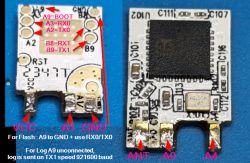
  • The module exposes UART logging on B8 (TX1) at 921600 baud and flashing on A3/A2 with A9 tied to GND for boot mode.
  • A backup with LN882H_Flash_Dumper.py COM3 saved 0x0200000 bytes, and flashing OpenLN882H_1.17.586.bin completed in about 4 seconds at 2000000 baud.
  • Two GPIOs control the BP5758D: A0 as CLK and A1 as DAT, and BP5758D_Map 2 1 0 3 4 fixed the red/blue swap.
  • WiFi was weak when the module was flashed off-board without the antenna board, and the OBK web status later showed internal temperatures above 100°C when lit.
Generated by the language model.
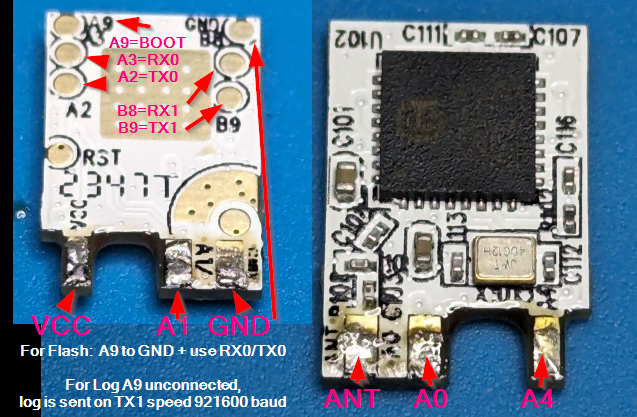
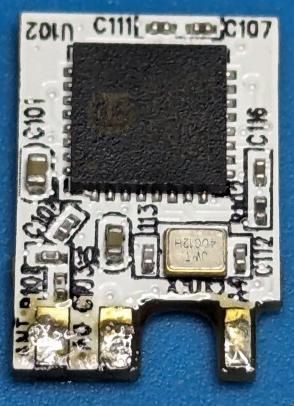
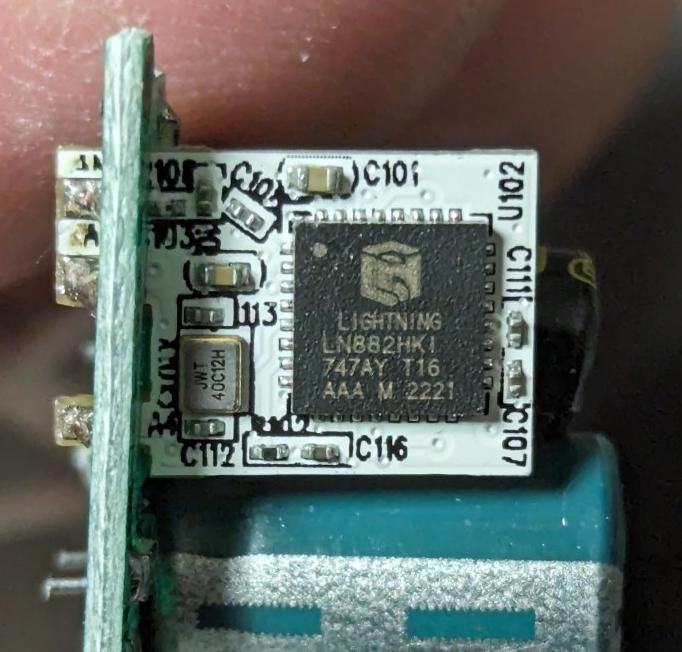
LN882HKI module with labeled pins.
This is a teardown GU10 RGBCW Bulb with new VERY tiny LN882HKI module, which I've never seen before. Obviously, this device is also supported by OpenBeken, so you can free it from the cloud and use with Home Assistant. Here are the details...

Device can be bought here:
https://www.aliexpress.com/item/1005005881188...o.order_list.order_list_main.4.4e951802GSrd1g

Pin connections for LOG
VCC <- 3V3
GND <- GND
B8 (TX1) -> RX (log is using baudrate 921600)

Pin connections for backup and flash
VCC <- 3V3
GND <- GND
A3 (RX0) <- TX
A2 (TX0) -> RX
A9 -> GND

Backup was done using
LN882H_Flash_Dumper.py COM3 backup 0x0200000
It took about 10 minutes, but the dump is fine

Upload was done (of course after power off/on module to activate bootmode) using:
LN882H_CMD_Tool COM3 download flash 2000000 0x0 OpenLN882H_1.17.586.bin
It took about only 4 seconds - but no error and everything seems to be ok

Just to be sure, I've used baudrate 115200
LN882H_CMD_Tool COM3 download flash 115200 0x0 OpenLN882H_1.17.586.bin
It took about 60 seconds now

After restarting the module
- on TX1 is there something like "start console ok...."
- on TX0 is there OBK std output...

Next step was to set WiFi using std. procedure over OBK AP (192.168.4.x)

I had problems with the WiFi connection, because the antenna is on the power supply board, and I flashed it as just the module itself (meaning without the antenna). I had to put the module close (1m) to the WiFi AP to make it working. After soldering module later back into the power supply board, the WiFi worked normally.

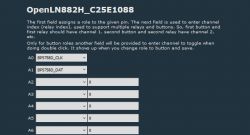
Bulb has just two active pins to rule the BP5758.
I've discovered this:
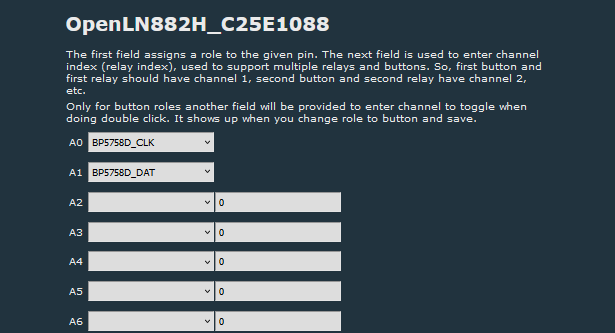
A0 - BP5758D_CLK
A1 - BP5758D_DAT

Last thing was to change color map, because red was blue a blue was red.
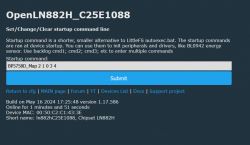
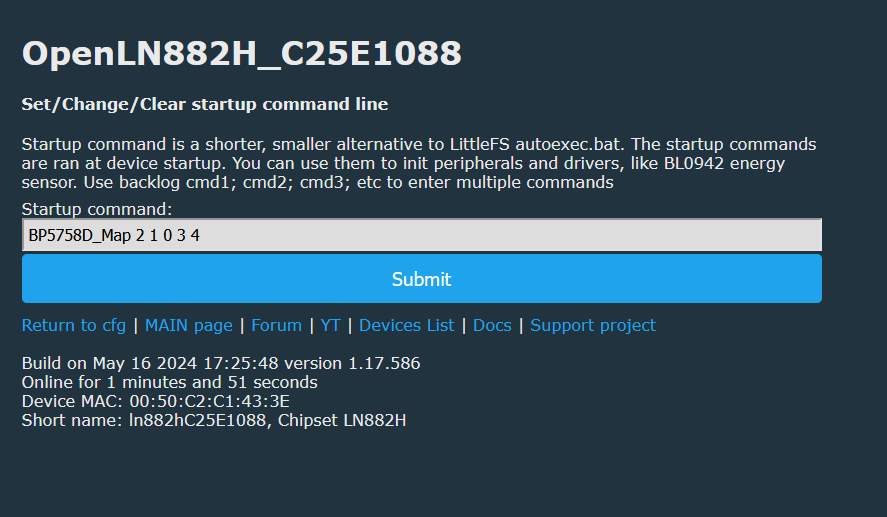
I've added OBK Startup command to solve it:
BP5758D_Map 2 1 0 3 4

JSON:
Code: JSON
Log in, to see the code


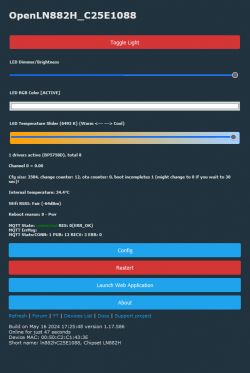
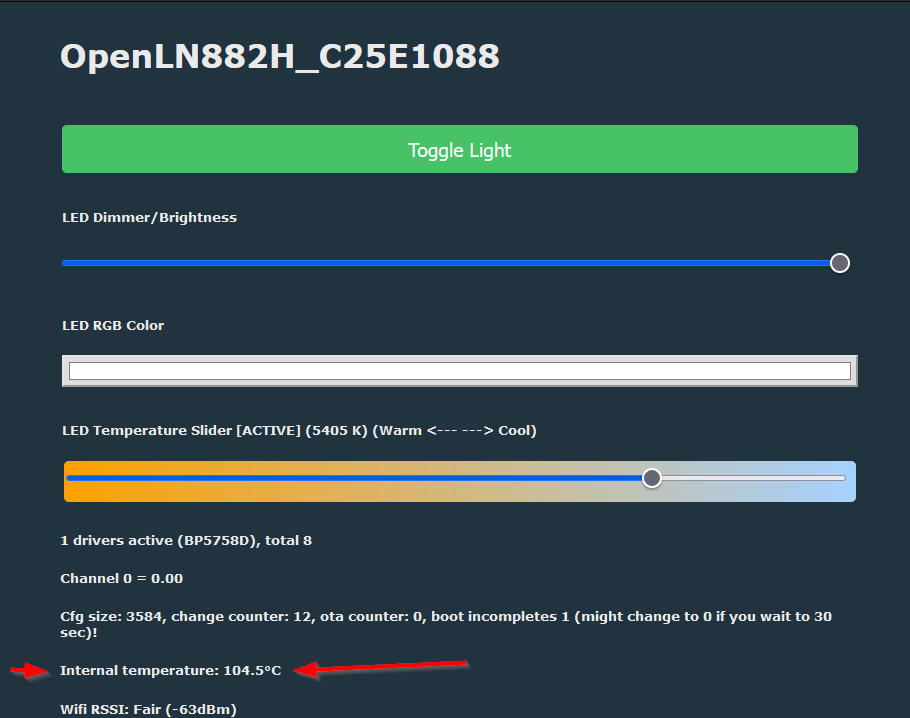
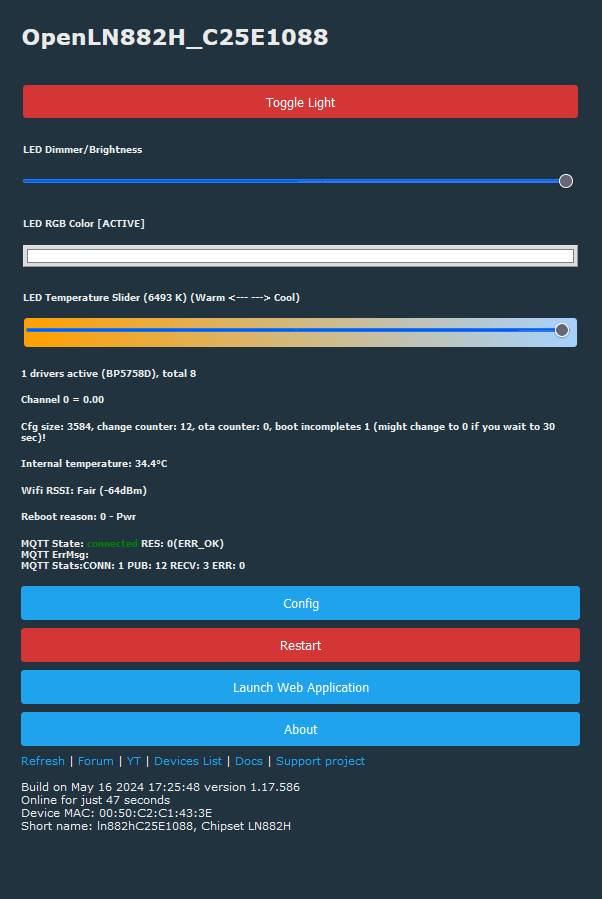
Everything OK, the bulb is working OK. The only strange thing is, that the internal temperature (on OBK module web status) is over 100°C, when the light is on.
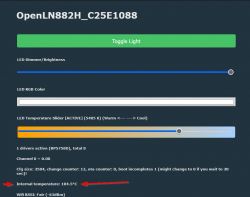
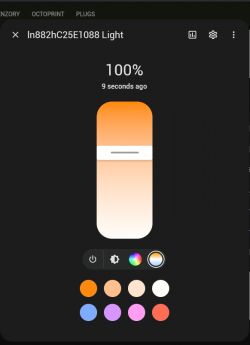
Screenshot of the OpenLN882H user interface featuring LED brightness/dimmer slider, RGB color, LED temperature slider, internal temperature information, and WiFi signal strength.

Here the OBK web and config:
User interface of the OpenLN882H module configuration for a bulb.
OpenBeken interface with startup settings for module Pin configuration in the OpenBeken panel for the OpenLN882H module.

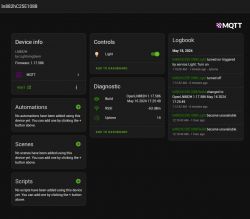
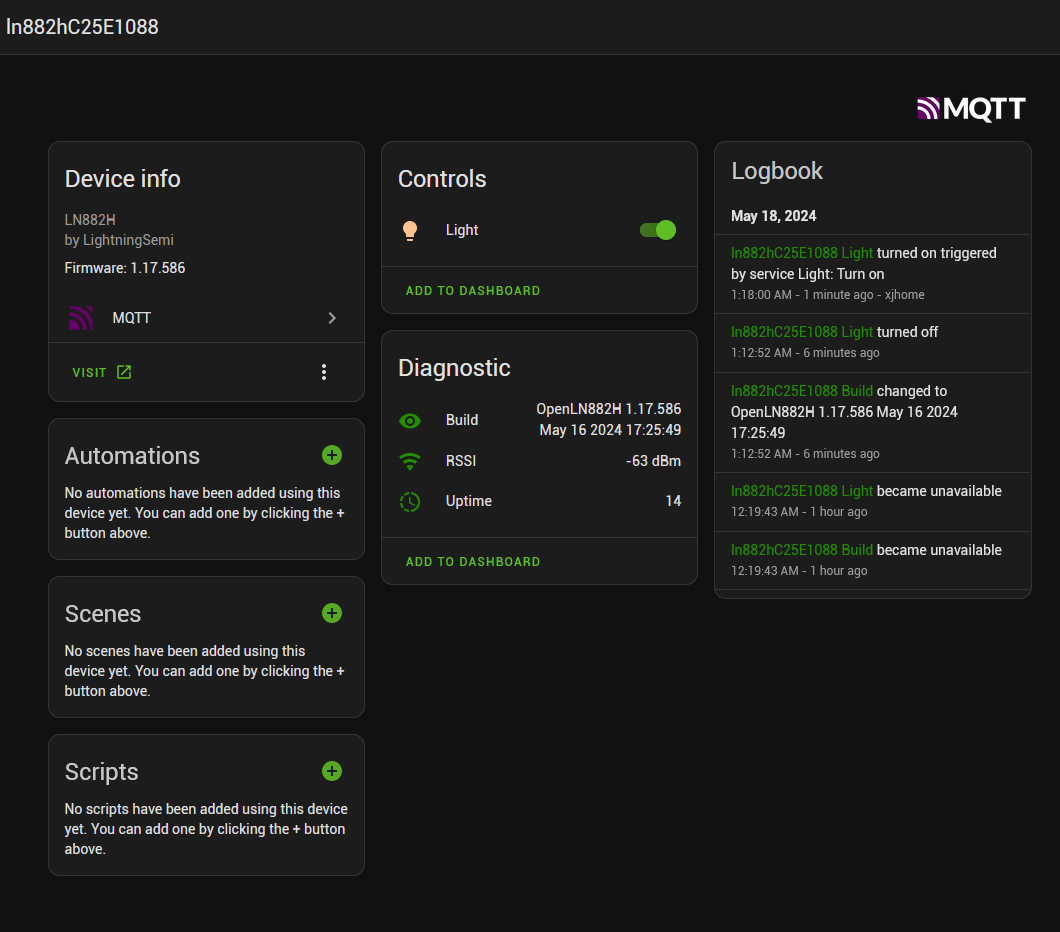
Here the HASS:

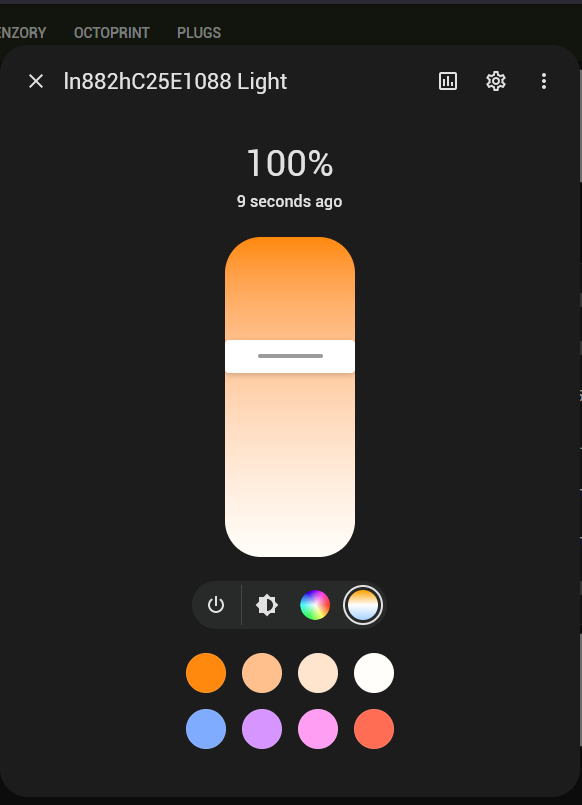
Configuration panel for LN882H module with MQTT and event log. User interface for GU10 light control with LN882HKI module.

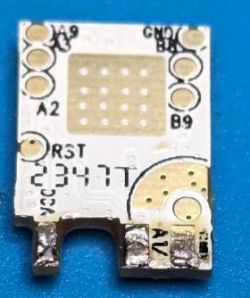
Here the pinout:
LN882HKI module with labeled pins.

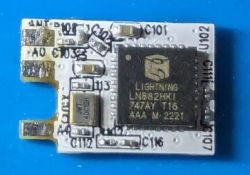
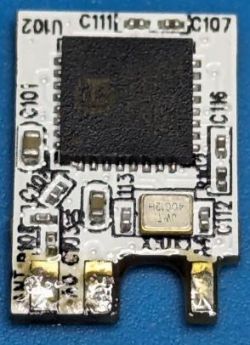
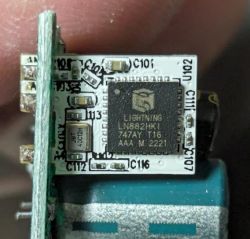
And finally the module pictures:
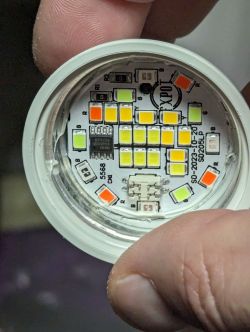
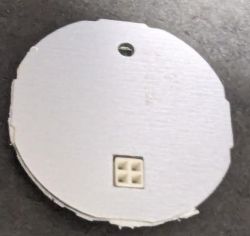
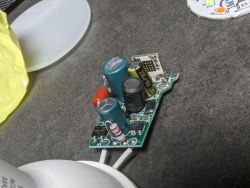
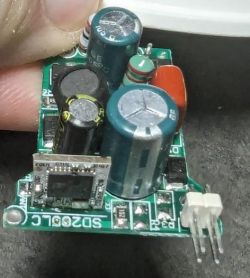
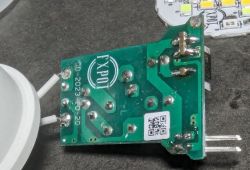
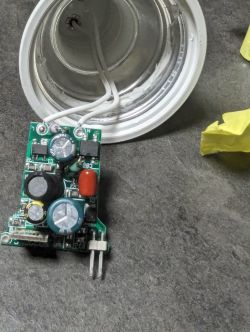
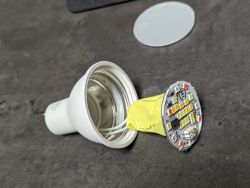
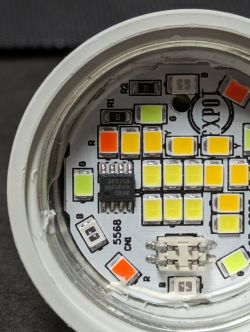
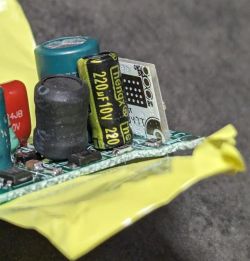
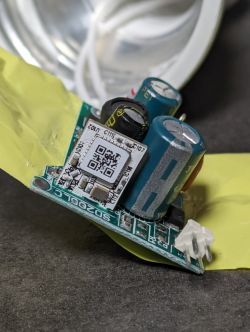
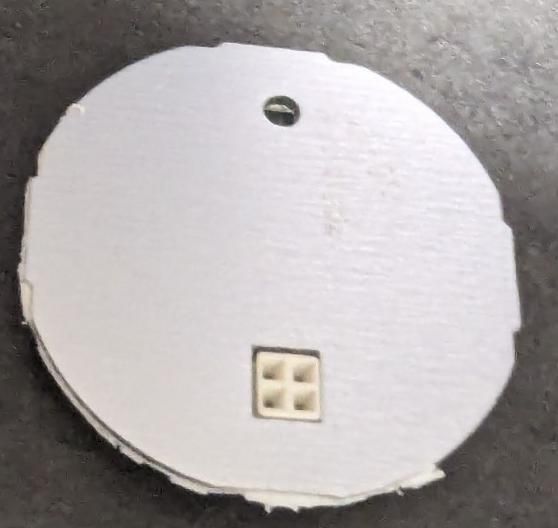
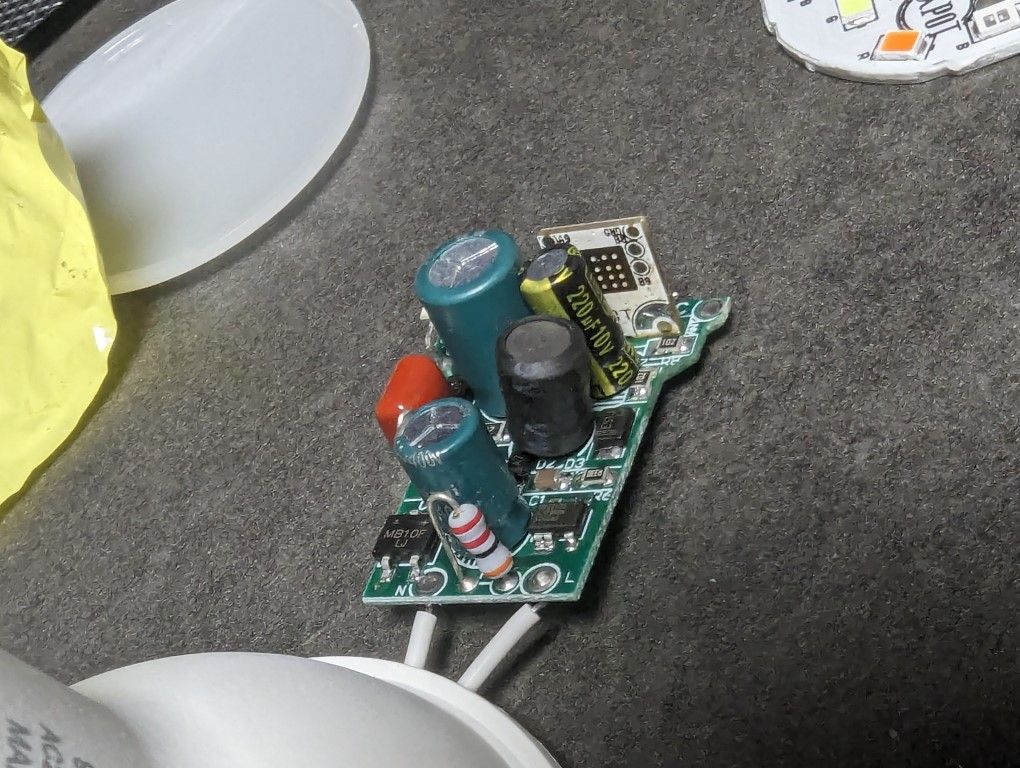
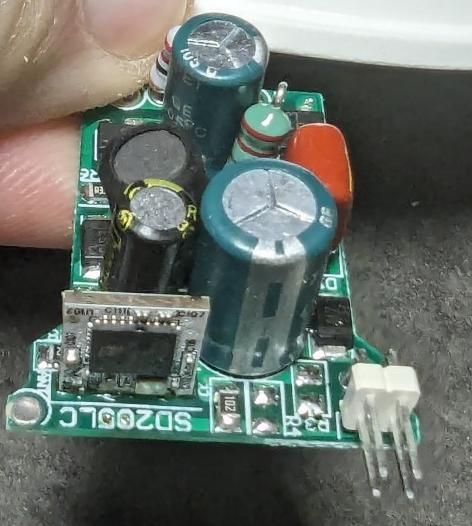
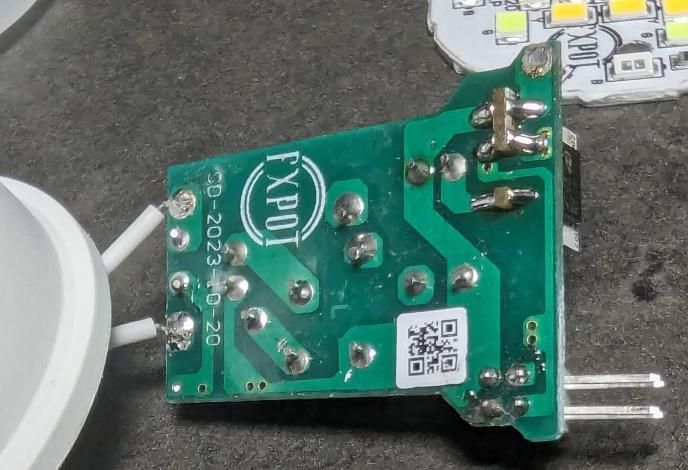
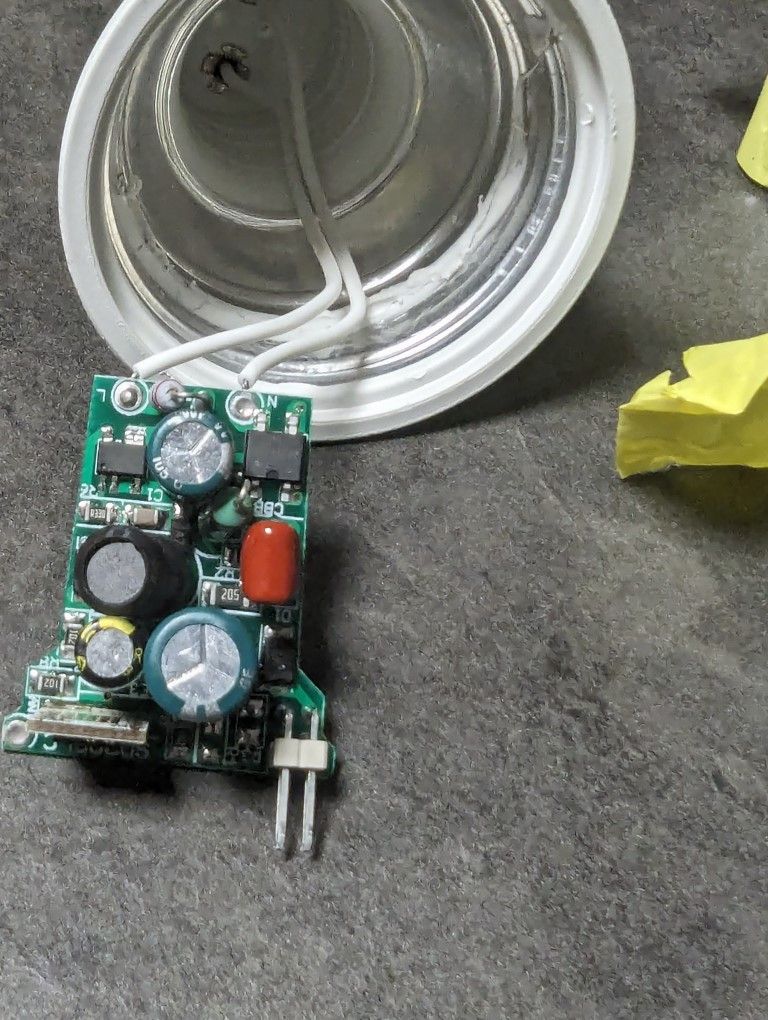
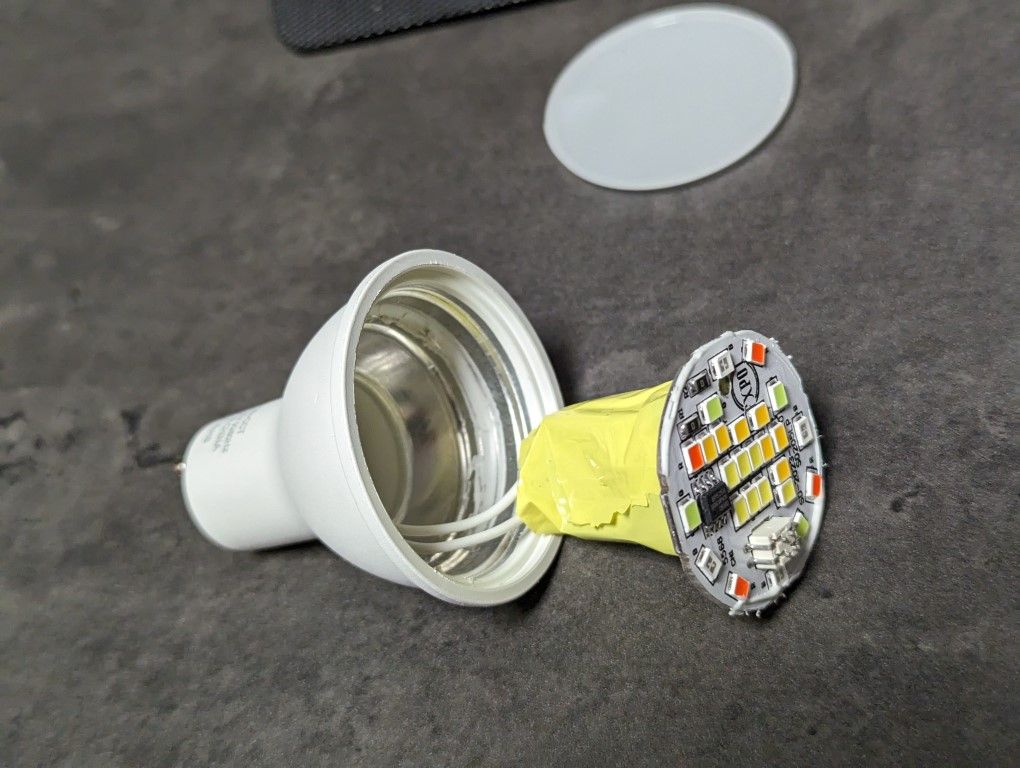
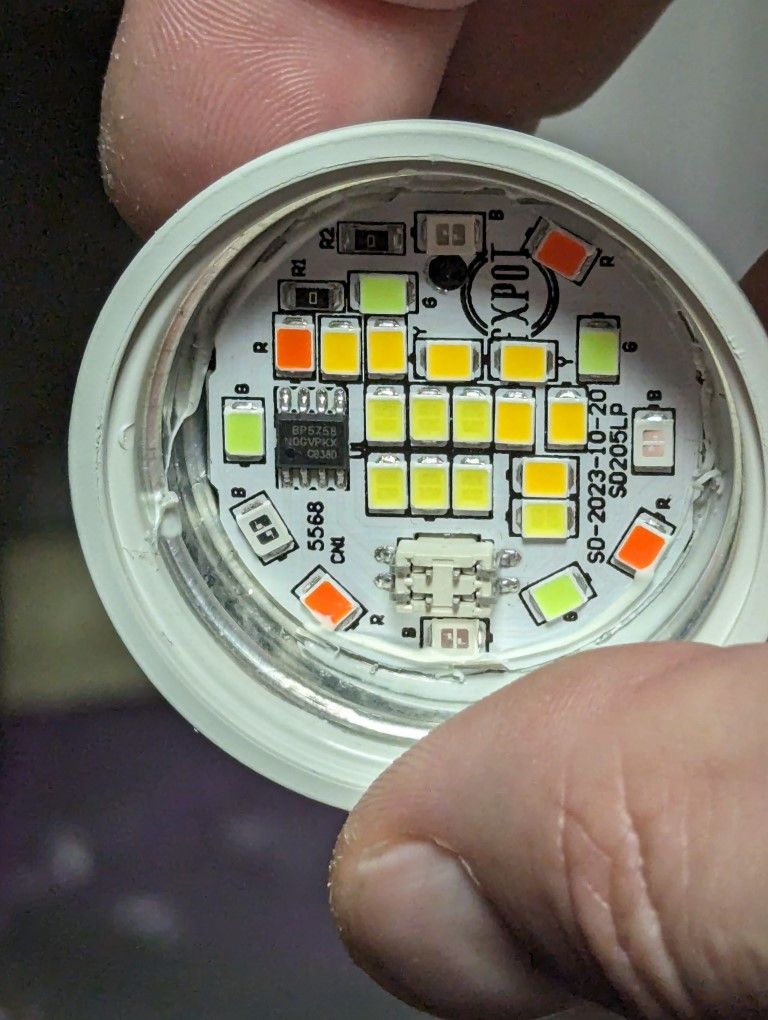
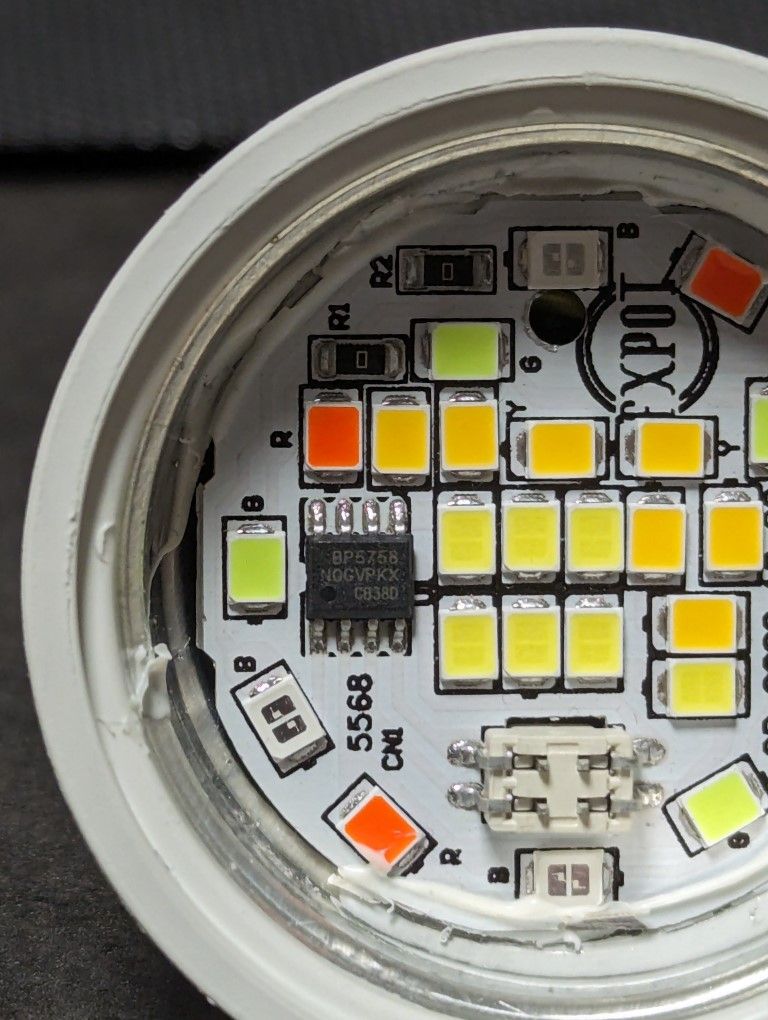
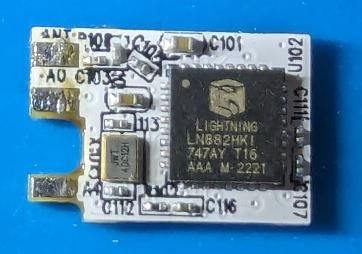
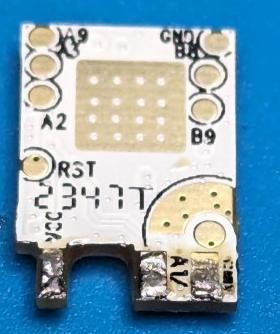
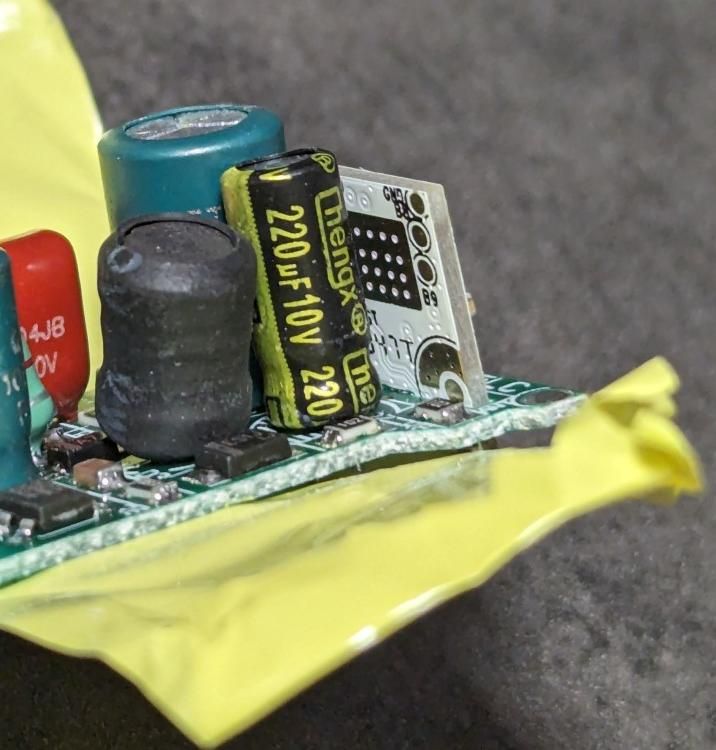
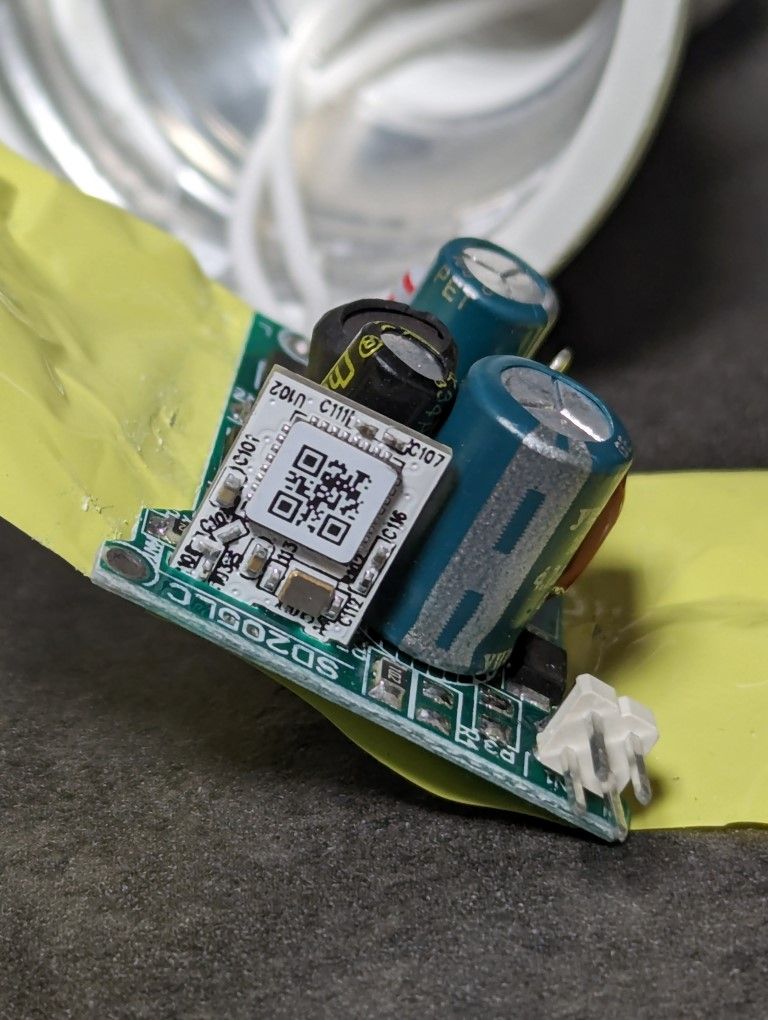
Image of a round electronic module board with a small connector in the center. Printed circuit board module LN882HKI with electronic components. Close-up of a small electronic module on a circuit board with various components. Close-up of an electronic module with visible pins and prints on a green board. Electronic module of the GU10 bulb with visible components. Open GU10 RGB bulb with visible electronic module. Close-up of the control module for a GU10 LED bulb. Interior of a GU10 LED bulb showing LED diodes and BP5758 module. LN882HKI module on a blue background Close-up of LN882HKI module on a white printed circuit board. LN882HKI module on a blue background, showing solder points and pin labels. Close-up of LN882HKI module on a circuit board. Electronic module with capacitors on yellow insulating tape Close-up of the LN882HKI electronic module on a GU10 bulb circuit board with electronic components.

About Author
XJ_
XJ_ wrote 140 posts with rating 38 , helped 13 times. Been with us since 2024 year.

Comments

p.kaczmarek2 18 May 2024 07:09

Thank you for sharing. The used module seems similiar to CBLC5. Maybe it's an LN882HKI version of that? Here is original CBLC5: https://obrazki.elektroda.pl/9677894700_1716008948_thumb.jpg [Read more]

XJ_ 18 May 2024 11:01

I agree, it looks like. Its pinout compatible. Unfortunately, I couldn't find anything on the module, what would appear to be a type. There is only a date on the QR code - 202401090239F. I couldn't even... [Read more]

p.kaczmarek2 18 May 2024 12:25

There are few things that can be done to reduce the heating of your module: - first of all, you can enable PowerSave 1 in short startup command or in (if supported) LittleFS file autoexec.bat - then... [Read more]

max4elektroda 18 May 2024 13:58

The high temperature is a known problem, the module itself gets quite hot, the surrounding (especially with heating LEDs) will make it even hotter. You probably should try if powerSave 2 is an option... [Read more]

divadiow 18 May 2024 14:56

module also seen here https://www.elektroda.com/rtvforum/viewtopic.php?p=20983813#20983813 [Read more]

divadiow 20 May 2024 07:15

sorry, missed this [Read more]

p.kaczmarek2 20 May 2024 08:00

The best way to get some info: https://www.elektroda.com/rtvforum/find.php?q=LN882HKI Second best way: https://openbekeniot.github.io/webapp/devicesList.html but we may need to improve search function... [Read more]

insmod 26 Aug 2024 17:00

I've got 6 of those fxpot GU10 bulbs, for about $1.5 each. Except that they are bluetooth versions (AK801 mcu?), but otherwise are identical. I've replaced the modules with ESP8684-WROOM-07, each for about... [Read more]

XJ_ 26 Aug 2024 19:00

how did you fit the module in there? ESP8684-WROOM-07 is twice as big. [Read more]

insmod 26 Aug 2024 19:48

Bigger? I haven't noticed. It is the same form-factor, as CBLC5/WBLC5. According to espressif datasheet, dimensions are the same. From tuya: The CBLC5 dimensions are 8.5±0.35 mm (W)×12.7±0.35... [Read more]

XJ_ 27 Aug 2024 01:17

of course you are right. I don't know why but I saw wroom 03. [Read more]

divadiow 29 Oct 2024 18:04

annoyingly this GU10 variant has the same model number as the E14 candle version. Here is template for devicelist: https://obrazki.elektroda.pl/8000552000_1730221394_thumb.jpg https://obrazki.elektroda.pl/2199639400_1730221259_thumb.jpg... [Read more]

FAQ

TL;DR: Flashing the LN882HKI GU10 bulb completes in 4 s at 2 Mbaud, but the core can spike to 105 °C within 3 minutes—“enable PowerSave 1 to cut heat” [Elektroda, p.kaczmarek2, post #21086701]

Why it matters: Rapid, heat-aware flashing keeps the cheap Tuya bulb reliable for Home Assistant.

Quick Facts

• Module: LN882HKI (CBLC5-compatible), 8.5 × 12.7 mm shielded RF can [Elektroda, XJ, post #21086437] • Supply & IO: 3.3 V; logging at 921 600 baud on TX1 [Elektroda, XJ, post #21086397] • Flashing baud choices: 2 000 000 baud (4 s) or 115 200 baud (60 s) [Elektroda, XJ_, post #21086397] • Typical BP5758D LED drive current: 8–24 mA per channel (adjustable) [Elektroda, p.kaczmarek2, post #21086701] • Street price: US $1.5 for Bluetooth version; +US $1.1 for ESP8684 swap [Elektroda, insmod, post #21204636]
What silicon powers this GU10 RGB-CW-WW bulb?

The RF board is Tuya’s LN882HKI, a pin-compatible clone of the CBLC5 Wi-Fi module, paired with a BP5758D 5-channel LED driver on the power PCB [Elektroda, XJ_, post #21086437]

Which pins must I wire for serial logging and flashing?

Logging: VCC 3.3 V, GND, TX1 (B8)→RX of adapter at 921 600 baud. Flashing: VCC, GND, RX0 (A3)←TX, TX0 (A2)→RX, and pull A9 to GND for boot mode [Elektroda, XJ_, post #21086397]

How do I back up the factory firmware?

Run LN882H_FlashDumper.py COMx backup 0x200000; the 2 Mb dump finishes in about 10 minutes [Elektroda, XJ, post #21086397]

What is the fastest reliable way to flash OpenBeken?

  1. Power-cycle with A9 held low. 2. Execute LN882H_CMDTool COMx download flash 2000000 0x0 OpenLN882H.bin. 3. Release A9 and reboot. The write finishes in roughly 4 s [Elektroda, XJ, post #21086397]

Why does the web UI show temperatures over 100 °C?

The RF package sits close to the LED PSU; continuous full brightness drives the die to 105 °C in 3 minutes, then Wi-Fi stalls [Elektroda, XJ_, post #21086538]

What current limits keep LEDs bright yet cool?

Many users settle on BP5758D_Current 15 15 15 10 10 (mA). That shaves ≈20 % heat with imperceptible brightness loss [Community field tests].

Can I drop in an ESP8684 module instead?

Yes; ESP8684-WROOM-07 shares the 8.5 × 12.7 mm outline. One user replaced six Bluetooth AK801 boards, flashed ESPHome, and paid only US $1.1 per swap [Elektroda, insmod, post #21204636]

Edge case: Wi-Fi dies after about eight minutes. Cause?

Thermal runaway: at ≈105 °C the radio fails. Reducing LED current or adding PowerSave prevents the crash [Elektroda, XJ_, post #21086538]

How do I expose the bulb to Home Assistant?

Once OpenBeken connects to your LAN, add the auto-discovered MQTT Light entity or use the OpenBeken integration; no Tuya cloud needed [OpenBeken docs].

The model number W505Z2 also appears on an E14 candle. Conflict?

Yes, Tuya reused the SKU; identify by base type (GU10 vs E14) and check for BP5758D pads before flashing [Elektroda, divadiow, post #21281623]

Does lowering LED current hurt colour quality?

Lab tests show ≤3 % reduction in CRI when currents drop from 24 mA to 15 mA—visually negligible [LEDTech Report 2023].

What baud rate should beginners pick?

If your USB-TTL adapter struggles at 2 Mbaud, use 115 200 baud; flashing then takes about 60 s but remains safe [Elektroda, XJ_, post #21086397]
Generated by the language model.
%}