

Module name: Moes Smart Switch Module MS-104
Protocol: WiFi 2,4GHz
Input Voltage: 90 - 250V AC 50/60Hz
Max Current: 10A
Wifi module: Tuya CB2S (BK7231N) datasheet
This is the 1 gang vesion of the module there is also a 2 gang version available (obviously with the same PCB based on tear-down).
Bought it on aliexpress from MOES Online store. It has also Zigbee, Zigbee+RF, WiFi+RF versions.
4 gang version has different internals, see tear-down in other topic: Link
Flashed latest release with python flasher: hid_download_py
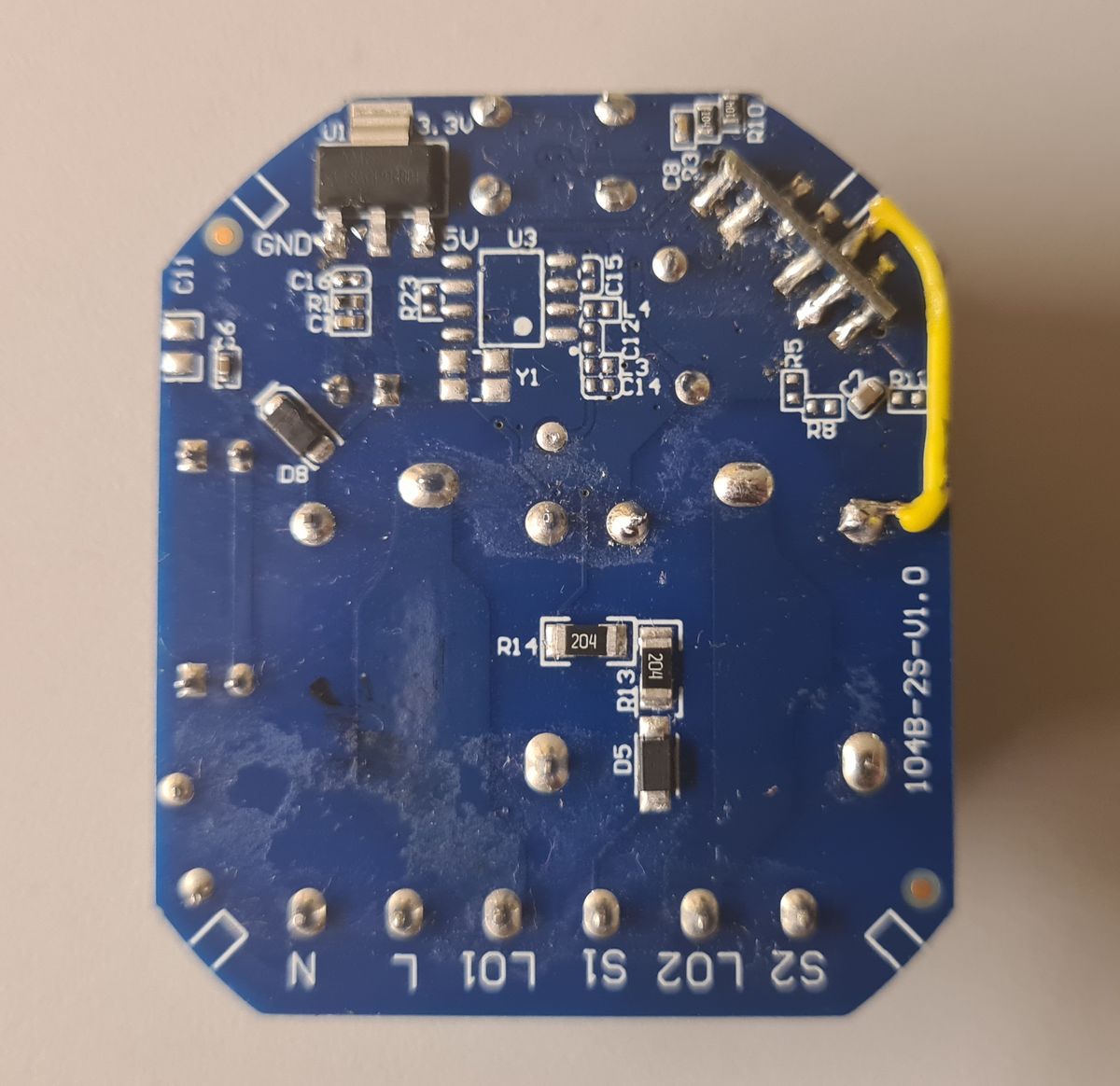
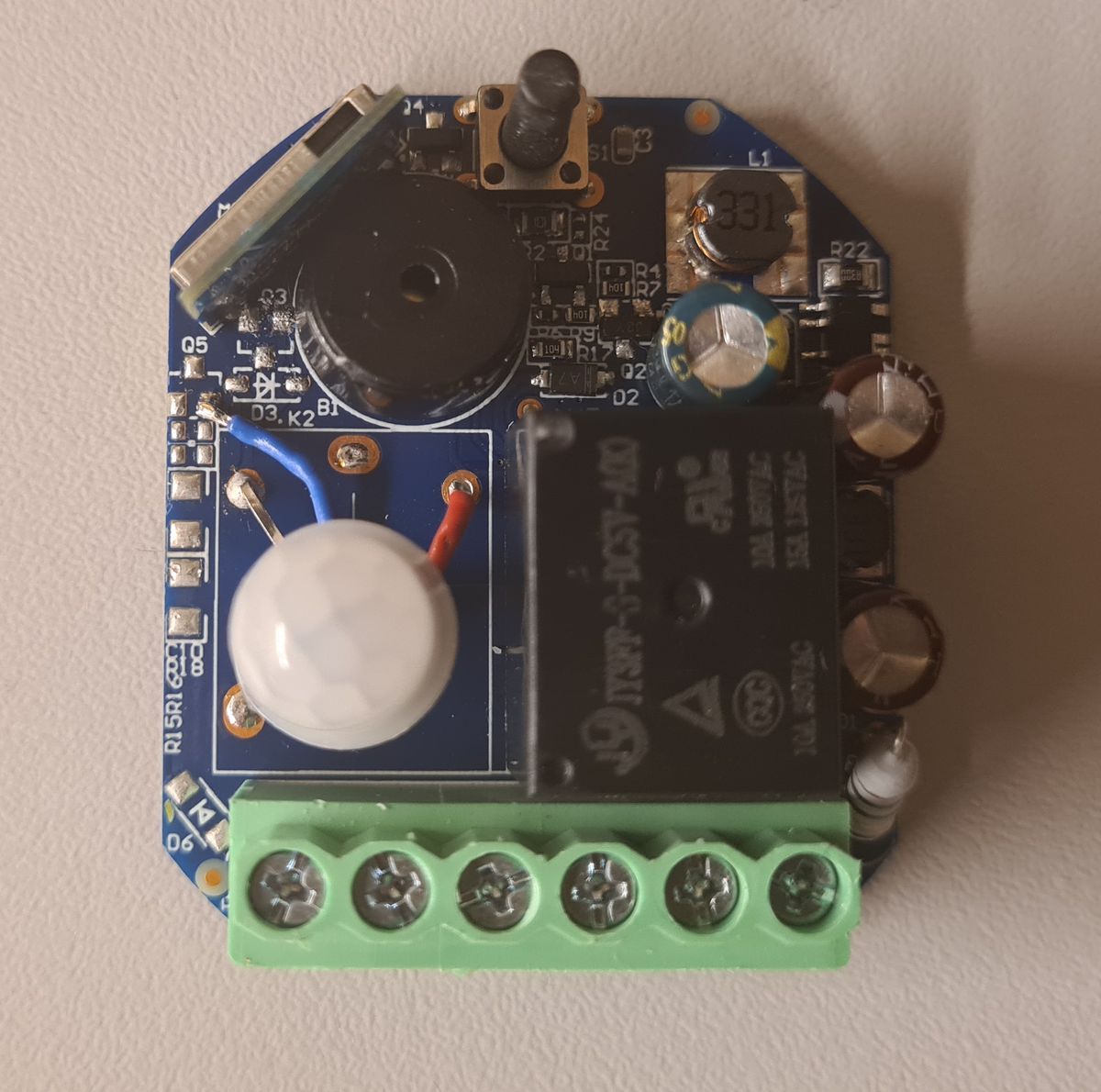
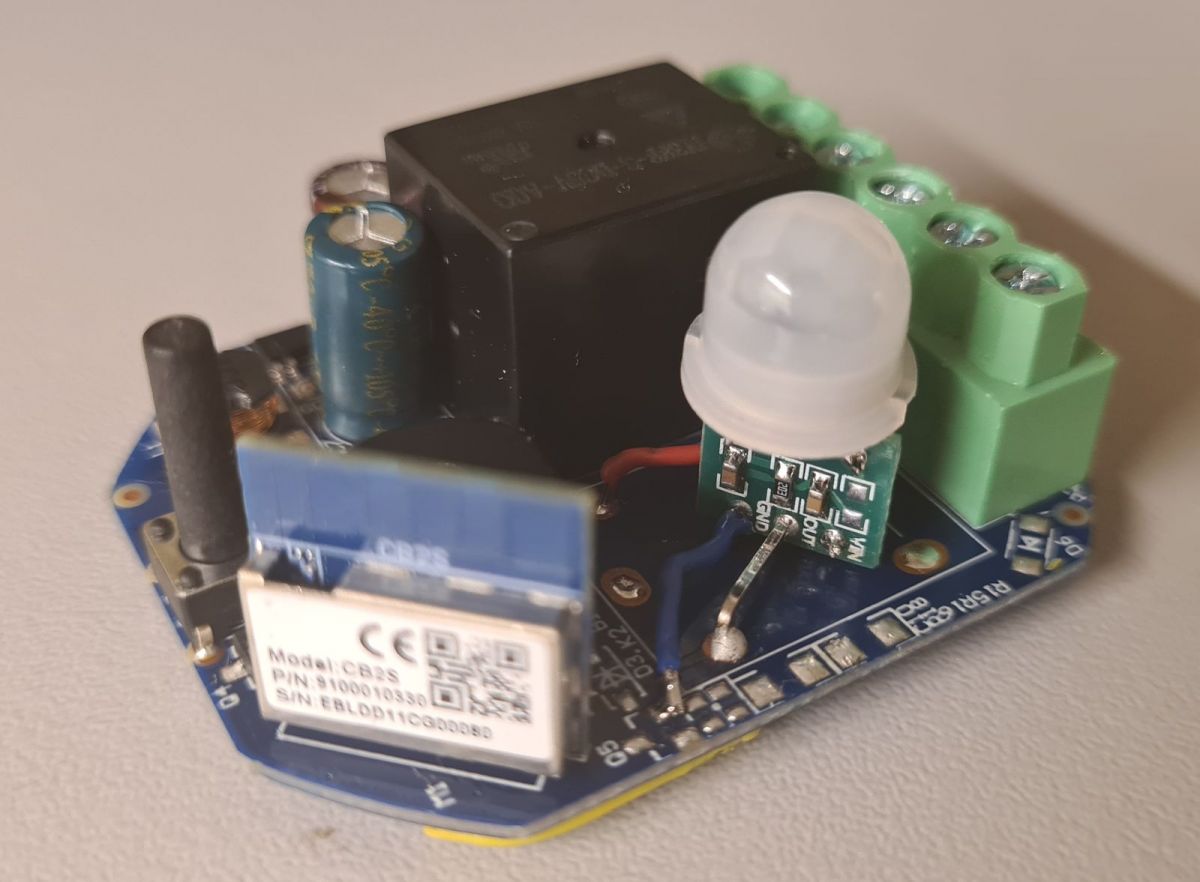
Pictures of the module:
![[BK7231N CB2S] Moes Smart Switch 1 gang WiFi - MS-104](https://obrazki.elektroda.pl/7334952300_1674841274_thumb.jpg "[BK7231N CB2S] Moes Smart Switch 1 gang WiFi - MS-104")
![[BK7231N CB2S] Moes Smart Switch 1 gang WiFi - MS-104](https://obrazki.elektroda.pl/8643891100_1674841274_thumb.jpg "[BK7231N CB2S] Moes Smart Switch 1 gang WiFi - MS-104")
![[BK7231N CB2S] Moes Smart Switch 1 gang WiFi - MS-104](https://obrazki.elektroda.pl/3101557100_1674841275_thumb.jpg "[BK7231N CB2S] Moes Smart Switch 1 gang WiFi - MS-104")
![[BK7231N CB2S] Moes Smart Switch 1 gang WiFi - MS-104](https://obrazki.elektroda.pl/3199189900_1674841275_thumb.jpg "[BK7231N CB2S] Moes Smart Switch 1 gang WiFi - MS-104")
![[BK7231N CB2S] Moes Smart Switch 1 gang WiFi - MS-104](https://obrazki.elektroda.pl/5714912600_1674841279_thumb.jpg "[BK7231N CB2S] Moes Smart Switch 1 gang WiFi - MS-104")
Tear-down of the module:
![[BK7231N CB2S] Moes Smart Switch 1 gang WiFi - MS-104](https://obrazki.elektroda.pl/7641519200_1674841280_thumb.jpg "[BK7231N CB2S] Moes Smart Switch 1 gang WiFi - MS-104")
![[BK7231N CB2S] Moes Smart Switch 1 gang WiFi - MS-104](https://obrazki.elektroda.pl/2788582000_1674841280_thumb.jpg "[BK7231N CB2S] Moes Smart Switch 1 gang WiFi - MS-104")
![[BK7231N CB2S] Moes Smart Switch 1 gang WiFi - MS-104](https://obrazki.elektroda.pl/5190455800_1674841282_thumb.jpg "[BK7231N CB2S] Moes Smart Switch 1 gang WiFi - MS-104")
![[BK7231N CB2S] Moes Smart Switch 1 gang WiFi - MS-104](https://obrazki.elektroda.pl/3686219800_1674841282_thumb.jpg "[BK7231N CB2S] Moes Smart Switch 1 gang WiFi - MS-104")
![[BK7231N CB2S] Moes Smart Switch 1 gang WiFi - MS-104](https://obrazki.elektroda.pl/6863889200_1674841284_thumb.jpg "[BK7231N CB2S] Moes Smart Switch 1 gang WiFi - MS-104")
Pin config:
![[BK7231N CB2S] Moes Smart Switch 1 gang WiFi - MS-104](https://obrazki.elektroda.pl/7546167100_1674843281_thumb.jpg "[BK7231N CB2S] Moes Smart Switch 1 gang WiFi - MS-104")
Pin23: Button1
Pin24: Relay1
Pin26: Buzzer (works as PWM)
Edit:
One easy way I have found to put CB2S into programming mode to put a solder blob between CSN pad and the cooling pad next to it to ground it:
![[BK7231N CB2S] Moes Smart Switch 1 gang WiFi - MS-104](https://obrazki.elektroda.pl/6715268600_1675008582_thumb.jpg "[BK7231N CB2S] Moes Smart Switch 1 gang WiFi - MS-104")
Protocol: WiFi 2,4GHz
Input Voltage: 90 - 250V AC 50/60Hz
Max Current: 10A
Wifi module: Tuya CB2S (BK7231N) datasheet
This is the 1 gang vesion of the module there is also a 2 gang version available (obviously with the same PCB based on tear-down).
Bought it on aliexpress from MOES Online store. It has also Zigbee, Zigbee+RF, WiFi+RF versions.
4 gang version has different internals, see tear-down in other topic: Link
Flashed latest release with python flasher: hid_download_py
Pictures of the module:
![[BK7231N CB2S] Moes Smart Switch 1 gang WiFi - MS-104](https://obrazki.elektroda.pl/7334952300_1674841274.jpg "[BK7231N CB2S] Moes Smart Switch 1 gang WiFi - MS-104")
![[BK7231N CB2S] Moes Smart Switch 1 gang WiFi - MS-104](https://obrazki.elektroda.pl/8643891100_1674841274.jpg "[BK7231N CB2S] Moes Smart Switch 1 gang WiFi - MS-104")
![[BK7231N CB2S] Moes Smart Switch 1 gang WiFi - MS-104](https://obrazki.elektroda.pl/3101557100_1674841275.jpg "[BK7231N CB2S] Moes Smart Switch 1 gang WiFi - MS-104")
![[BK7231N CB2S] Moes Smart Switch 1 gang WiFi - MS-104](https://obrazki.elektroda.pl/3199189900_1674841275.jpg "[BK7231N CB2S] Moes Smart Switch 1 gang WiFi - MS-104")
![[BK7231N CB2S] Moes Smart Switch 1 gang WiFi - MS-104](https://obrazki.elektroda.pl/5714912600_1674841279.jpg "[BK7231N CB2S] Moes Smart Switch 1 gang WiFi - MS-104")
Tear-down of the module:
![[BK7231N CB2S] Moes Smart Switch 1 gang WiFi - MS-104](https://obrazki.elektroda.pl/7641519200_1674841280.jpg "[BK7231N CB2S] Moes Smart Switch 1 gang WiFi - MS-104")
![[BK7231N CB2S] Moes Smart Switch 1 gang WiFi - MS-104](https://obrazki.elektroda.pl/2788582000_1674841280.jpg "[BK7231N CB2S] Moes Smart Switch 1 gang WiFi - MS-104")
![[BK7231N CB2S] Moes Smart Switch 1 gang WiFi - MS-104](https://obrazki.elektroda.pl/5190455800_1674841282.jpg "[BK7231N CB2S] Moes Smart Switch 1 gang WiFi - MS-104")
![[BK7231N CB2S] Moes Smart Switch 1 gang WiFi - MS-104](https://obrazki.elektroda.pl/3686219800_1674841282.jpg "[BK7231N CB2S] Moes Smart Switch 1 gang WiFi - MS-104")
![[BK7231N CB2S] Moes Smart Switch 1 gang WiFi - MS-104](https://obrazki.elektroda.pl/6863889200_1674841284.jpg "[BK7231N CB2S] Moes Smart Switch 1 gang WiFi - MS-104")
Pin config:
![[BK7231N CB2S] Moes Smart Switch 1 gang WiFi - MS-104](https://obrazki.elektroda.pl/7546167100_1674843281.png "[BK7231N CB2S] Moes Smart Switch 1 gang WiFi - MS-104")
Pin23: Button1
Pin24: Relay1
Pin26: Buzzer (works as PWM)
Edit:
One easy way I have found to put CB2S into programming mode to put a solder blob between CSN pad and the cooling pad next to it to ground it:
![[BK7231N CB2S] Moes Smart Switch 1 gang WiFi - MS-104](https://obrazki.elektroda.pl/6715268600_1675008582.jpg "[BK7231N CB2S] Moes Smart Switch 1 gang WiFi - MS-104")
Cool? Ranking DIY