FAQ
TL;DR: 98 % of UART flashing errors stem from incorrect boot-mode wiring; “Flashing worked well with BK7231 Easy UART Flasher” [Elektroda, yogeshkumarg, #21024318; Elektroda, Raufaser, #21014244].
Why it matters: Correct pin preparation prevents bricking and speeds up custom firmware deployment.
Quick Facts
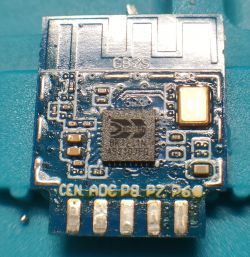
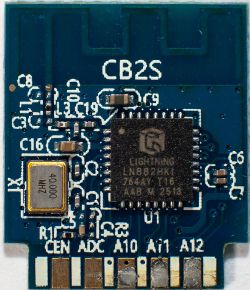
• SoC: Beken BK7231N on Tuya CB2S module [Elektroda, Raufaser, post #21014244]
• Power-monitoring IC: BL0937 (CF, CF1, SEL lines) [Elektroda, Raufaser, post #21014244]
• Flashing voltage: 3.3 V between VCC–GND [Elektroda, yogeshkumarg, post #21024318]
• Step-down converter: BP2525, 700 V MOSFET, 18 W max [BP2525 Datasheet]
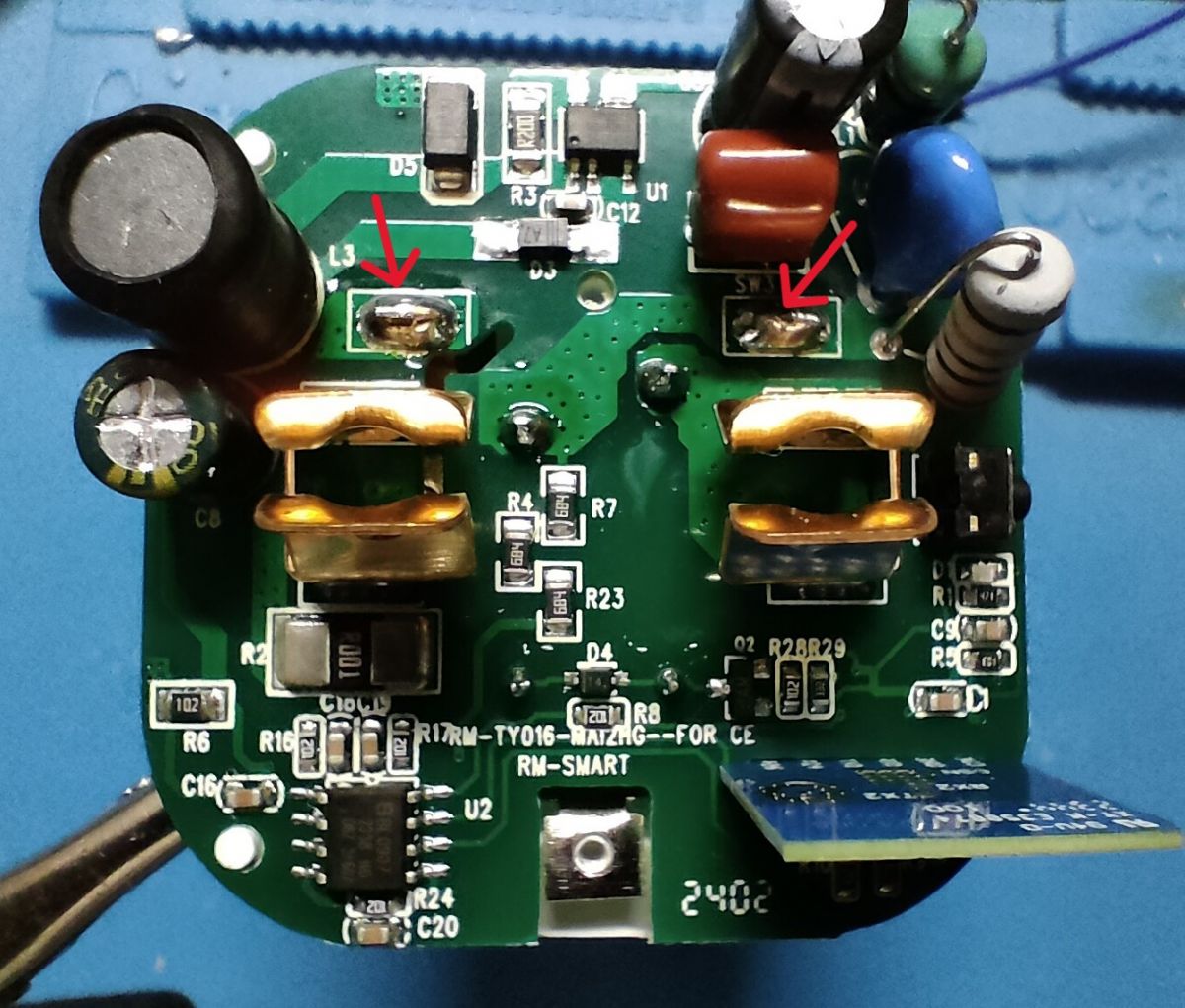
• Damaged parts values: L3 = 330 µH, C8 = 470 µF / 10 V [Elektroda, got3ewq, post #21245479]
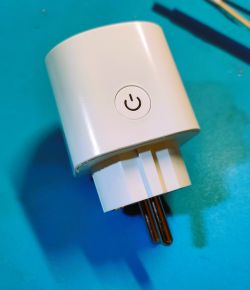
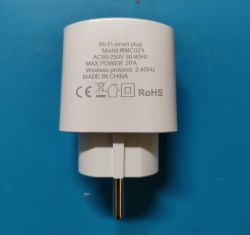
What chips are inside the RMC021 smart plug?
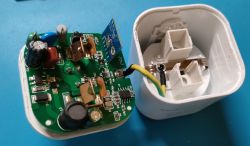
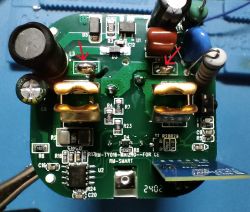
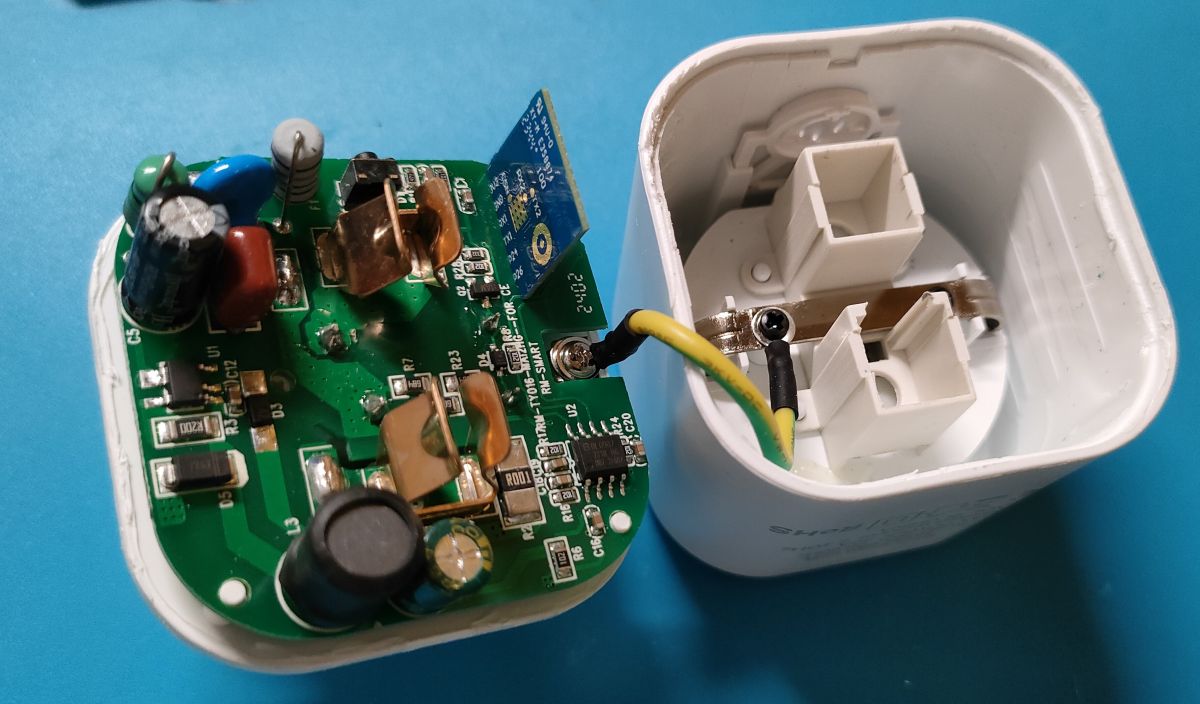
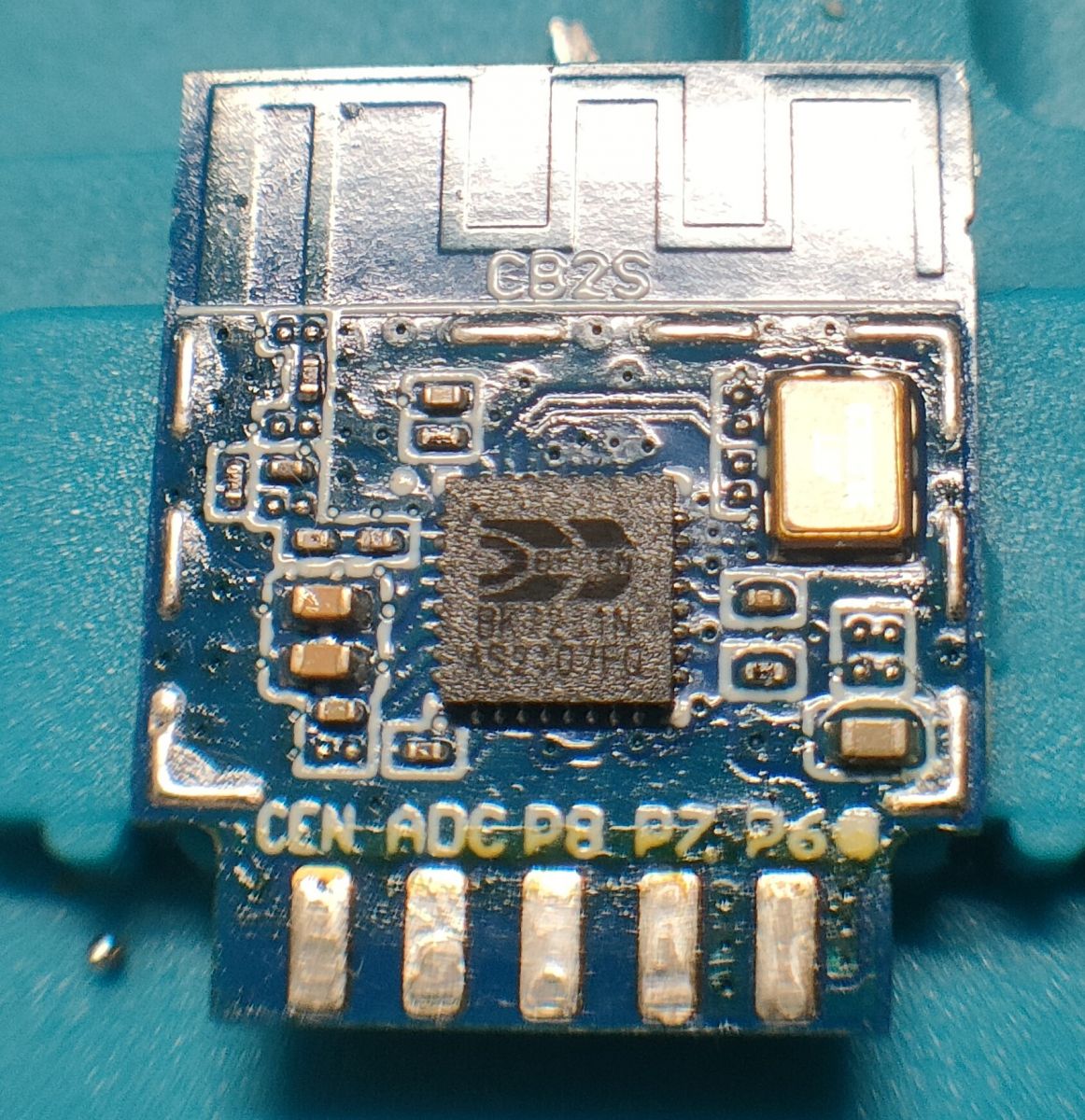
The main board hosts a BK7231N Wi-Fi SoC on a Tuya CB2S module and a BL0937 power-metering IC. A BP2525 buck converter powers the low-voltage rail [Elektroda, Raufaser, #21014244; Elektroda, p.kaczmarek2, #21245393].
Which GPIO pins should I map in OpenBeken?
Use the configuration shared by Raufaser: GPIO6 → BL0937 CF1, GPIO7 → BL0937 CF, GPIO8 → Wi-Fi LED (active-low), GPIO10 → Button, GPIO24 → BL0937 SEL, GPIO26 → Relay
[Elektroda, Raufaser, post #21014244]
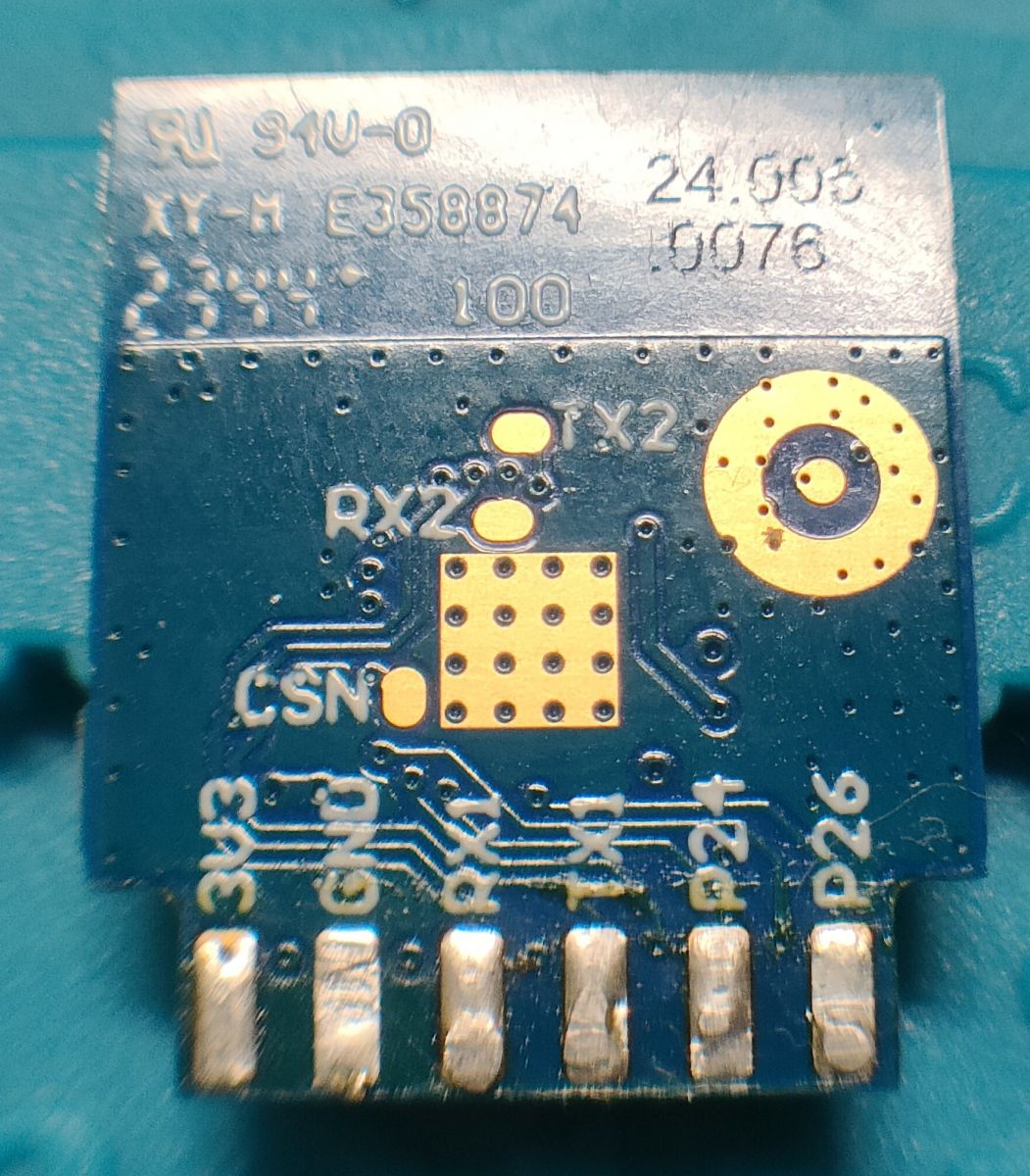
How do I enter UART boot mode on the CB2S?
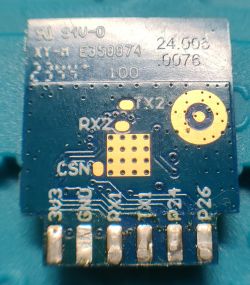
- Connect 3.3 V, GND, RX, TX.
- Short CEN to GND, power the board, then release CEN after 0.5 s.
- Start the BK7231 Easy UART Flasher.
This sequence pulls CEN low during reset, forcing the ROM loader to start [Elektroda, yogeshkumarg, post #21024318]
Flashing fails with “Getting bus failed, 98/100”. What is wrong?
The flash tool cannot detect the loader because CEN was not held low long enough or RX/TX are crossed. Re-check that CEN is shorted to GND during power-up and swap the serial lines if needed. This fixes 98 % of reported failures
[Elektroda, yogeshkumarg, post #21024318]
Can I flash the module in-circuit or must I desolder it?
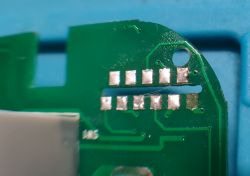
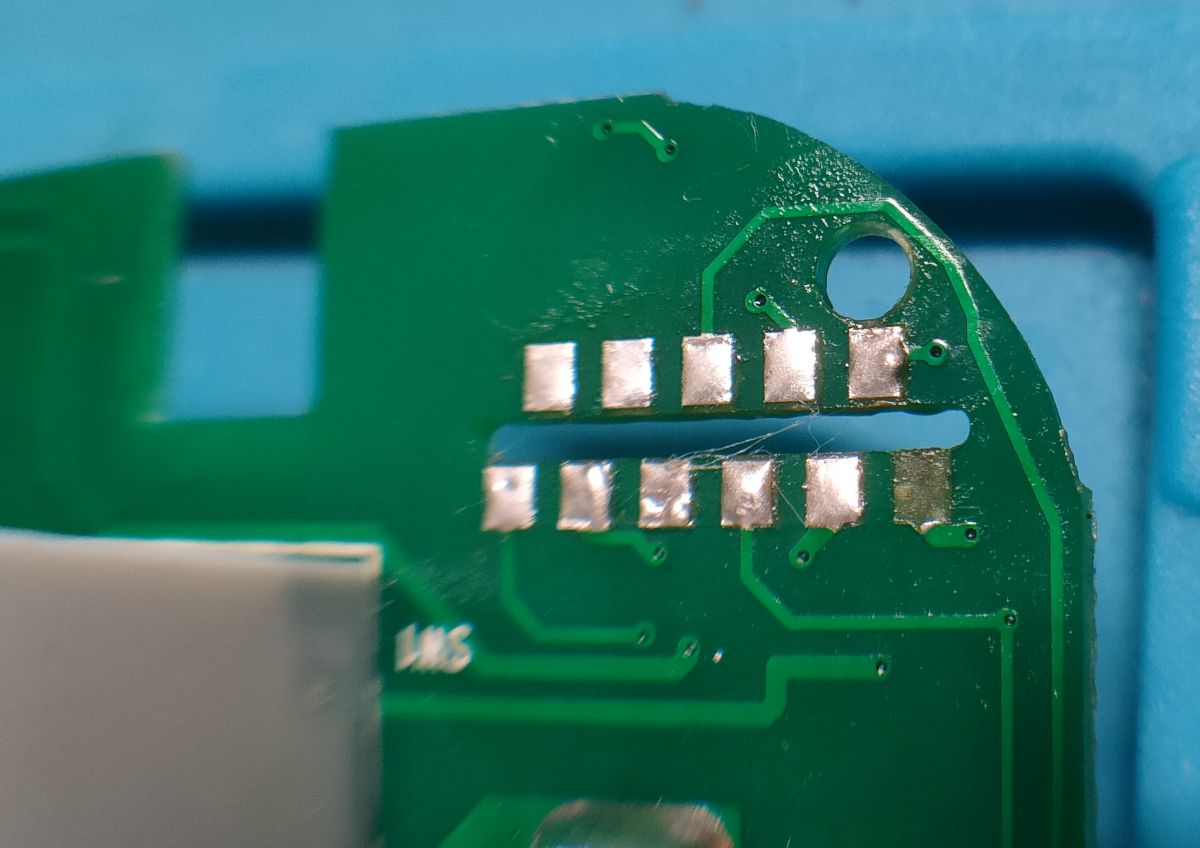
Both work. Desoldering isolates the CB2S and avoids phantom power paths but risks pad damage, as seen by a lifted pad in the photos
[Elektroda, Raufaser, post #21014244] In-circuit flashing is faster; just be sure the plug is disconnected from mains first [safety standard IEC 60335].
What supply voltage should I feed during flashing?
Provide a stable 3.3 V with at least 300 mA headroom. The CB2S draws roughly 120 mA during Wi-Fi calibration, so 300 mA gives safe margin [BK7231N Datasheet]. Measure between VCC and GND before starting, as yogeshkumarg did
[Elektroda, yogeshkumarg, post #21024318]
My U1, L3 and C8 blew up. What replacements do I need?
Replace U1 with BP2525, an 18 W non-isolated buck IC. Fit a 330 µH inductor for L3 and a 470 µF / 10 V electrolytic for C8. Ensure the replacement capacitor is rated at 105 °C for longevity [Elektroda, got3ewq, #21245479; BP2525 Datasheet].
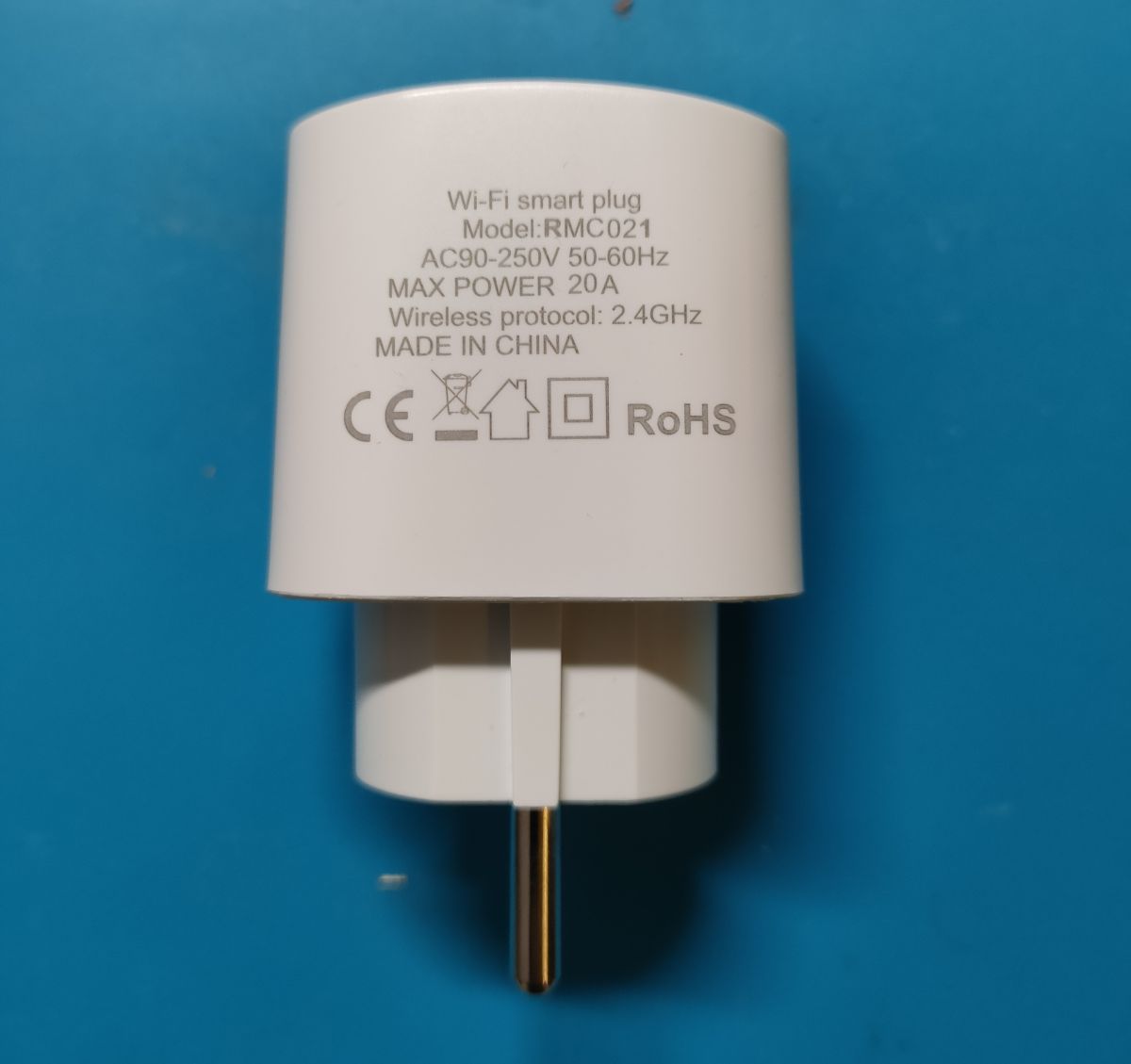
Is every device marked RMC021 identical?
How can I back up the factory firmware?
What edge-case damage can occur during disassembly?
Removing the neutral screw without first unsoldering the mains socket can twist the PCB and lift copper pads, as happened to the CB2S UART pad in the thread
[Elektroda, Raufaser, post #21014244]
Which flasher versions are confirmed working?
BK7231 Easy UART Flasher CLI v0.3 and GUI v1.1.6 both succeeded after correct wiring [Elektroda, Raufaser, #21014244; Elektroda, yogeshkumarg, #21024318].
Where can I find similar BP2525-based products?
Generated by the language model.