logo elektroda
logo elektroda
X
logo elektroda
Dostępna jest polska wersja

Czy wolisz polską wersję strony elektroda?

Nie, dziękuję Przekieruj mnie tam

[BK7231N] Avatar ALS08L-B22 Smart Bulb Teardown and OpenBeken Flash Guide Template GPIO

Bruno23 2463 2

TL;DR

  • Avatar ALS08L-B22 smart bulbs now use the Beken BK7231N chip instead of the Tasmota-supported design.
  • Opening the bulb requires popping off the plastic cover, prying out the LED board near the connector, and removing the two small metal contacts to free the second board.
  • The WiFi board pinout is mapped for flashing, and only three wires were soldered because ground came from the LED board connector.
  • Belkin GUI Flash Tool automatically picked up the device configuration, and two bulbs were flashed successfully.
ADVERTISEMENT
📢 Listen (AI):

  • I bought a pack of these bulbs as they were listed as supported under Tasmota but the design seems to have changed to using the Beken BK7231N chip.
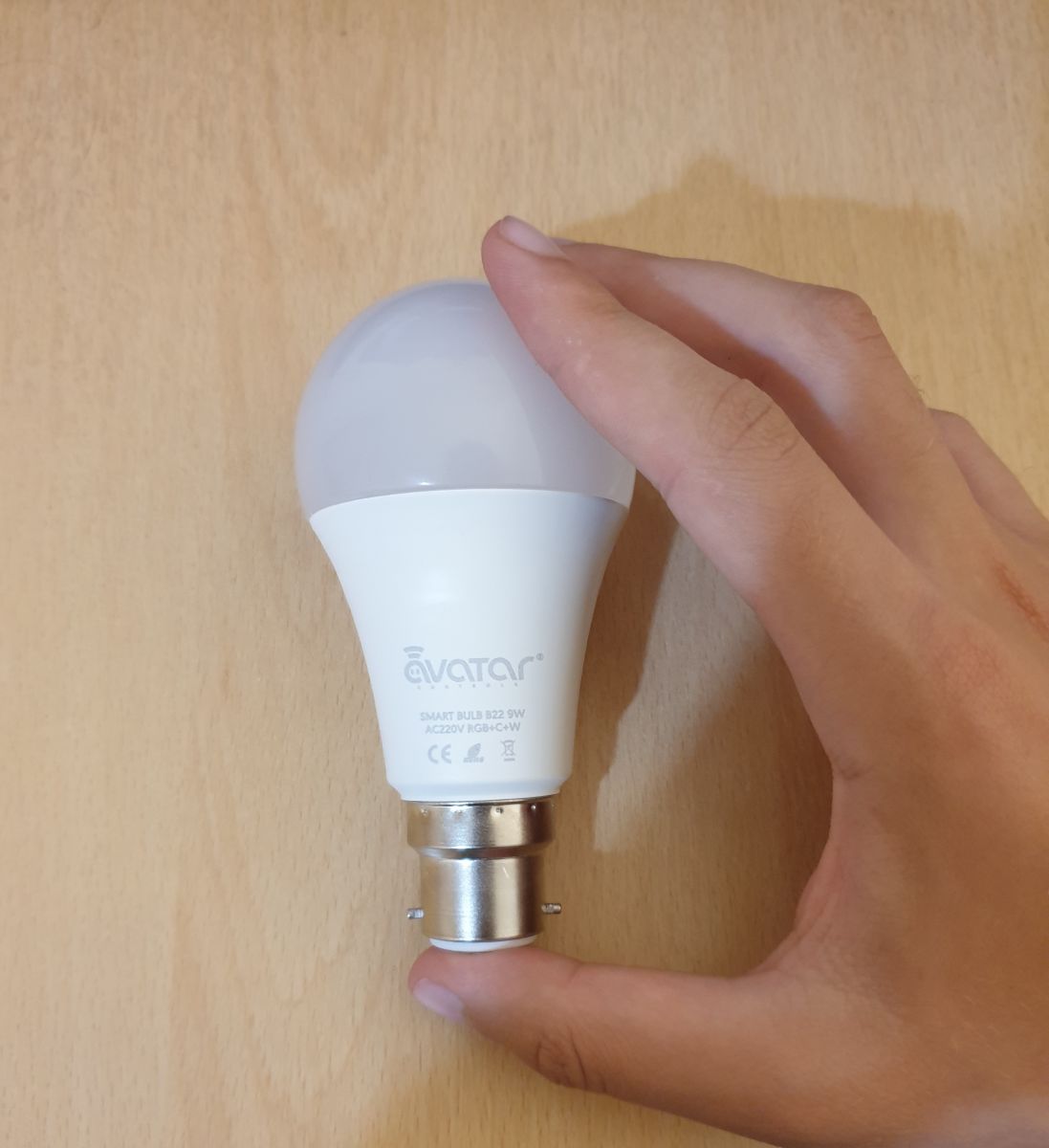
    A hand holding a white Avatar smart LED bulb against a wooden surface.

    The bulbs look pretty basic.
    I used a pry tool to pop the plastic cover off
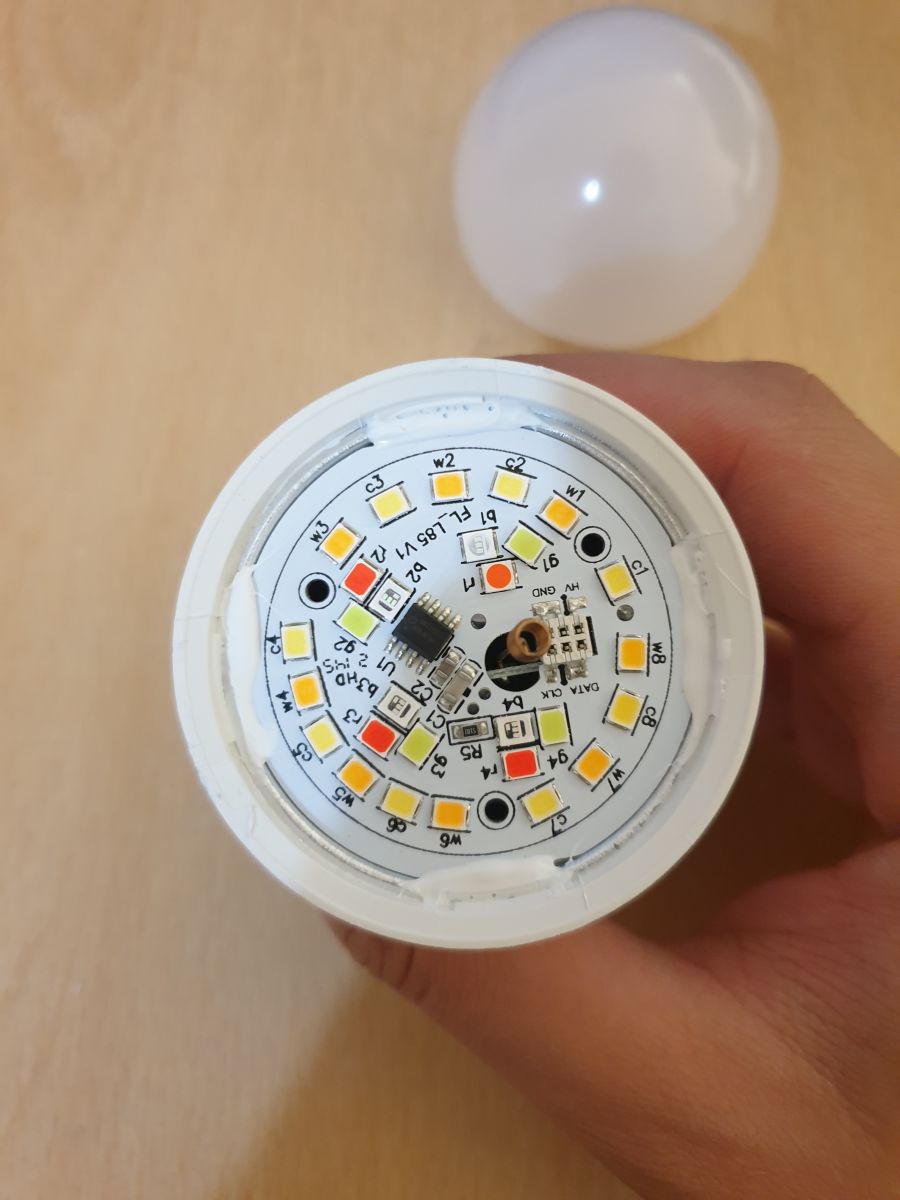
    Top view of a disassembled LED bulb held in a hand, showing the LED and electronics board.

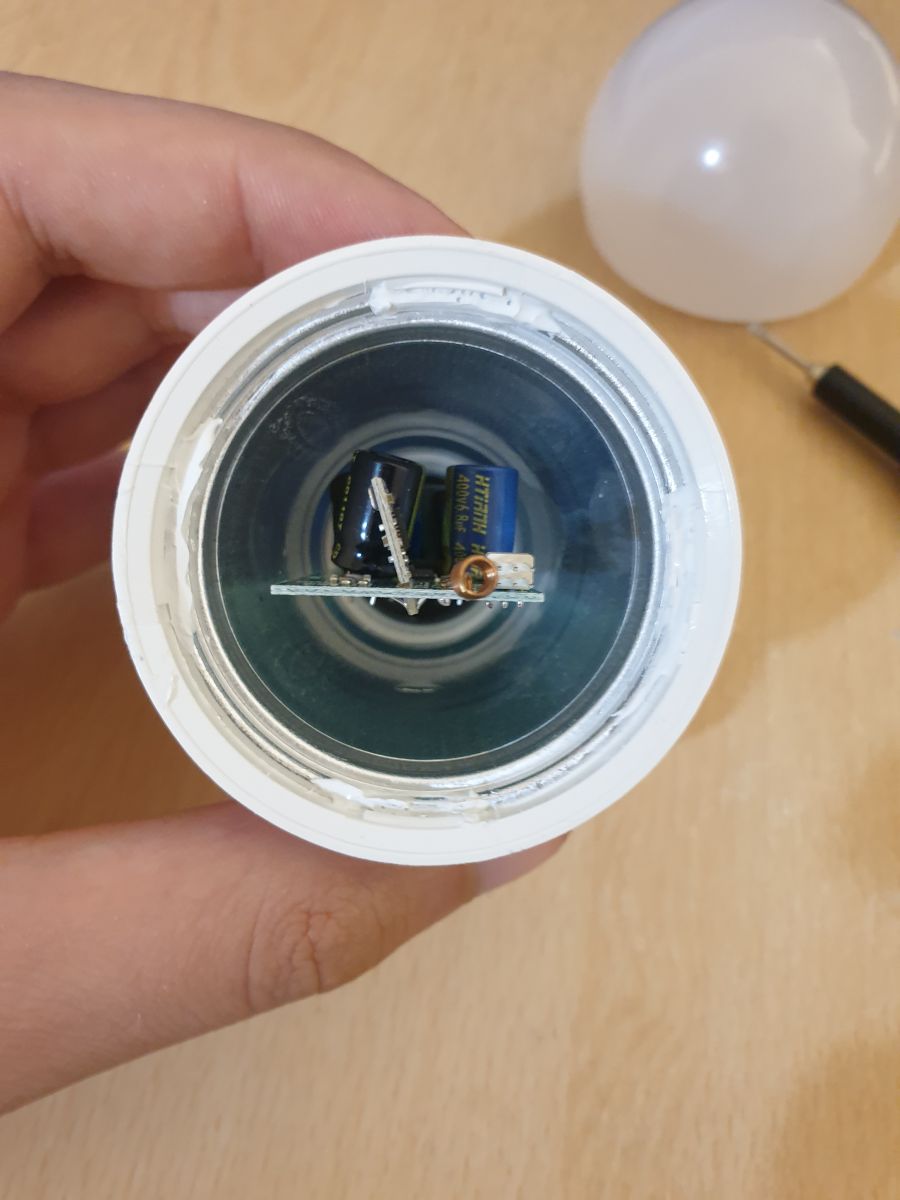
    The easiest way to remove the led board is by prying next to the connector as shown in the image
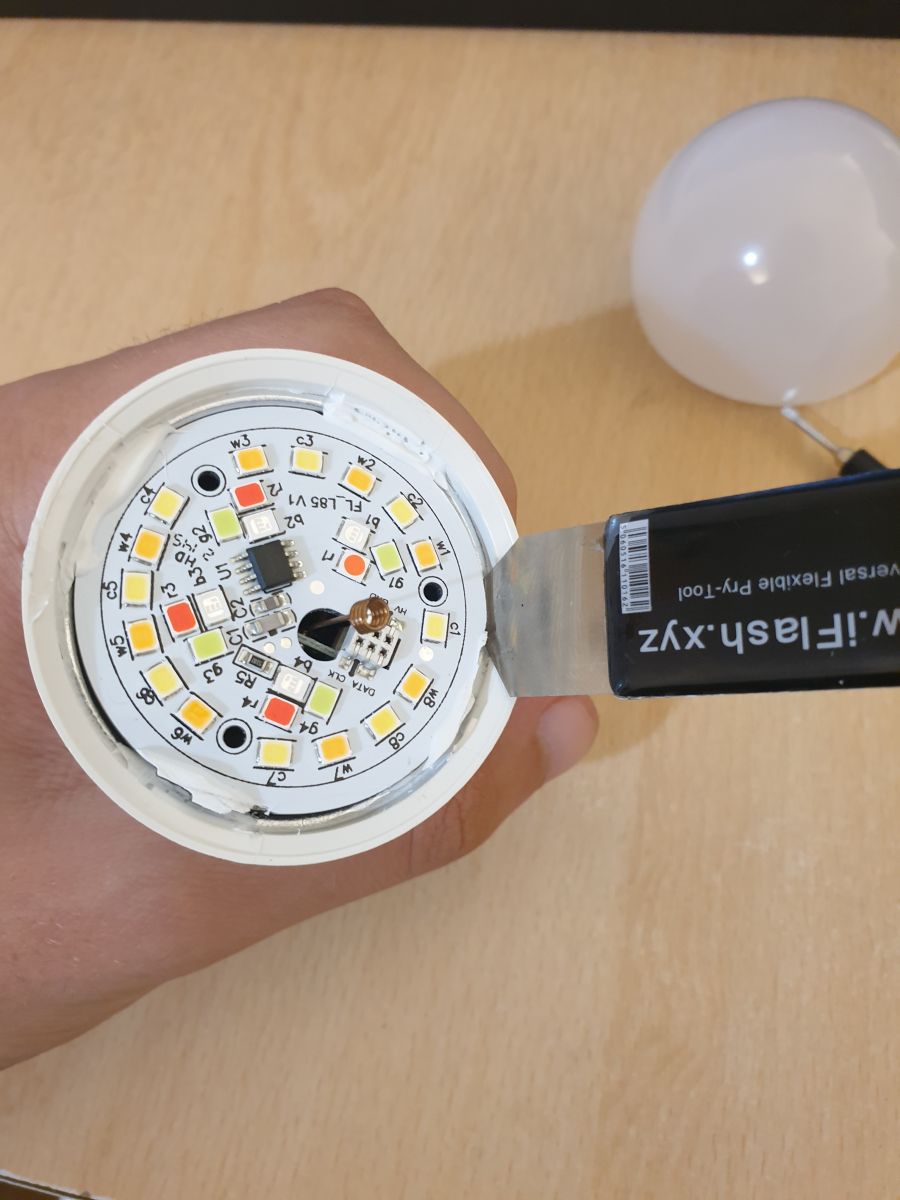
    A hand holds a disassembled LED bulb with the circuit board and LEDs visible inside; a prying tool is placed next to the board. Inside of a disassembled LED bulb held in hand, showing exposed electronic components.

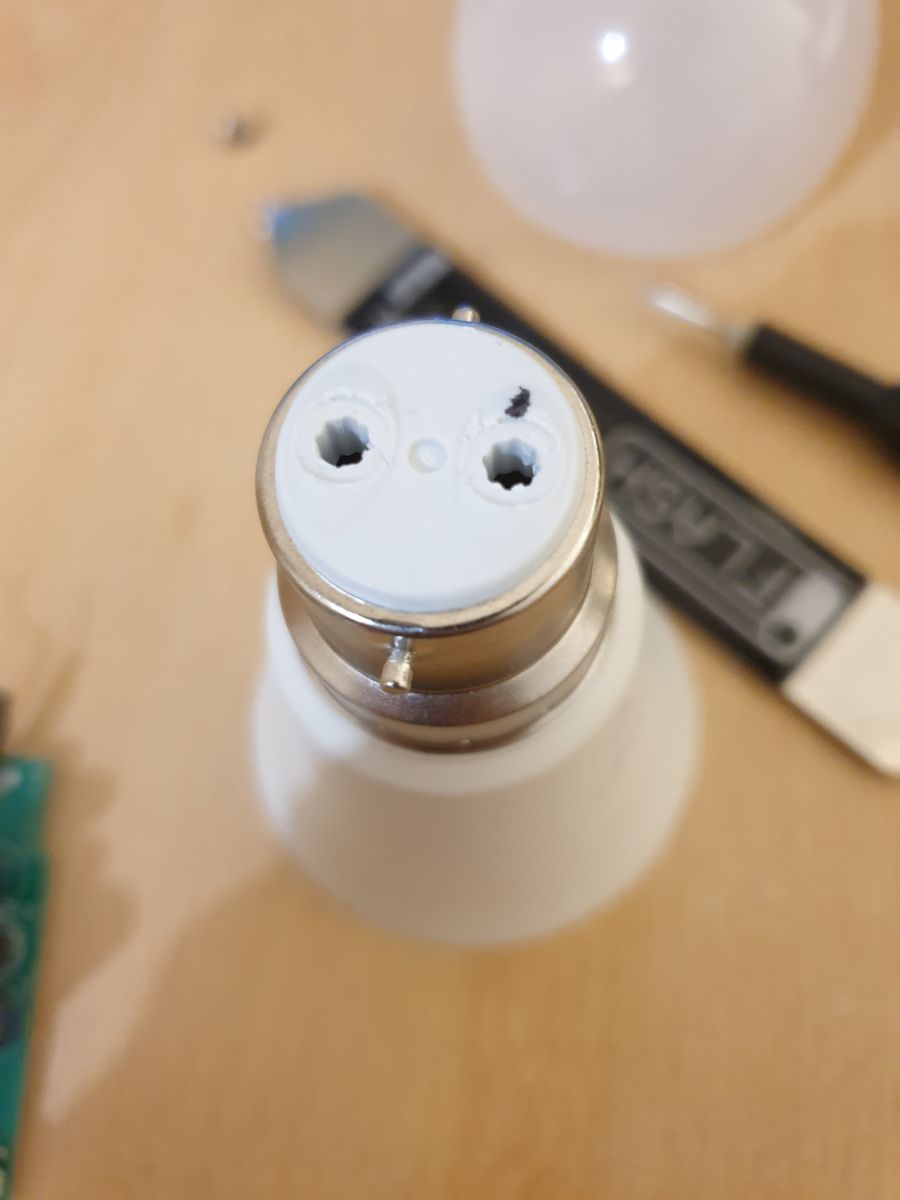
    We need to get the second board out and the easiest way to do this is to pry off the two small metal contacts on the bottom of the bulb. Other socket types probably come apart in different ways
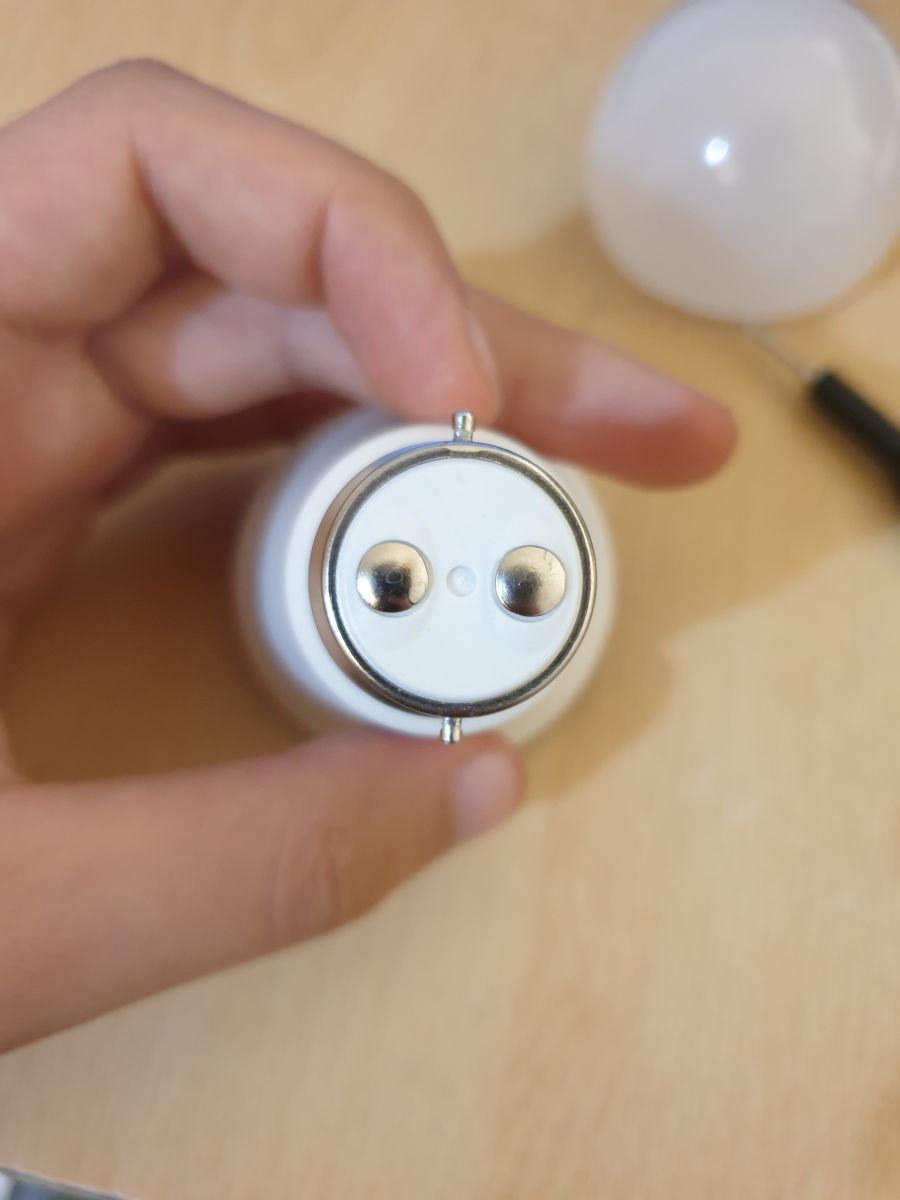
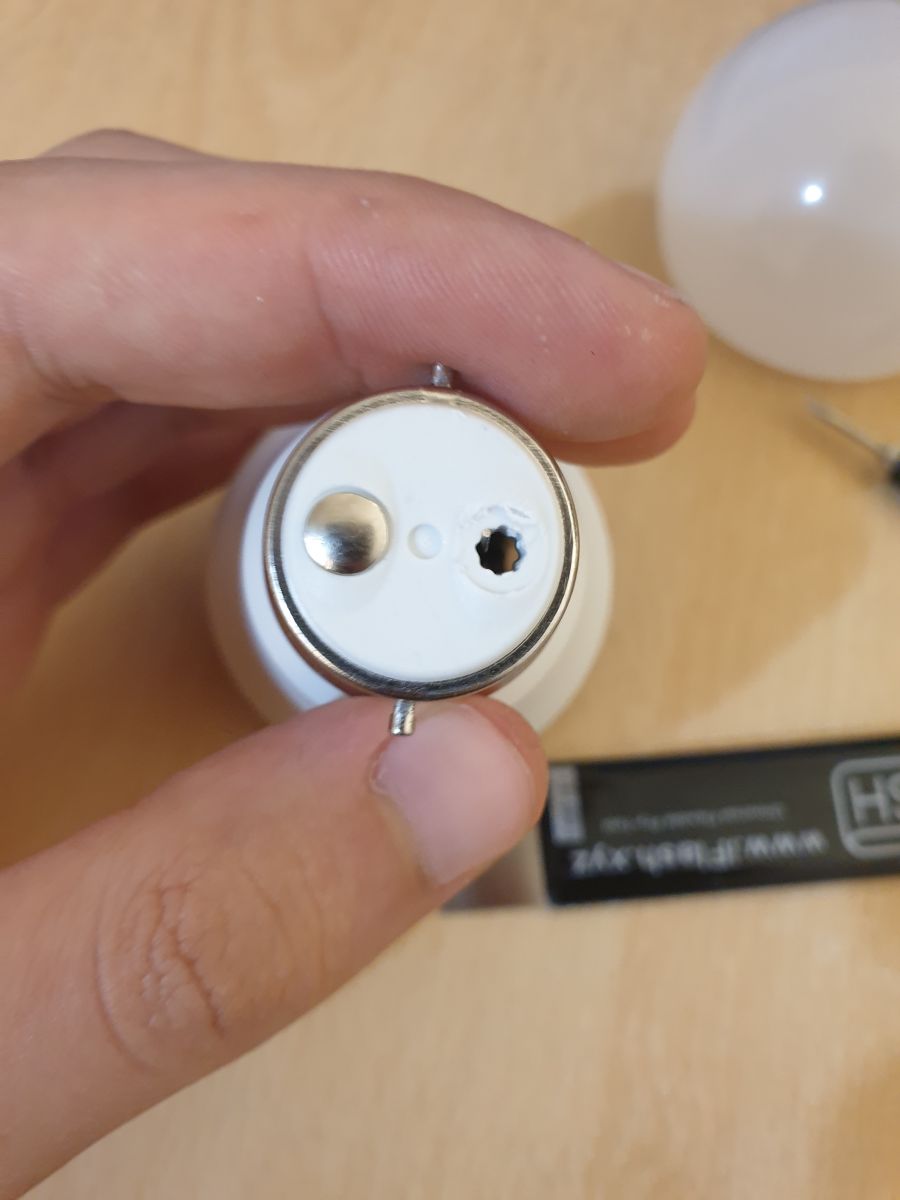
    Close-up of the bottom of an LED bulb with two metal pins, held in a hand. Bottom view of an E27 LED bulb held between fingers, showing one contact and a hole left after removing the second contact. Light bulb base with two holes and a black mark next to one, tools visible in the background.

    When the two contacts are pried off the board just falls out. I put a small black mark on the side where the black wire connects.
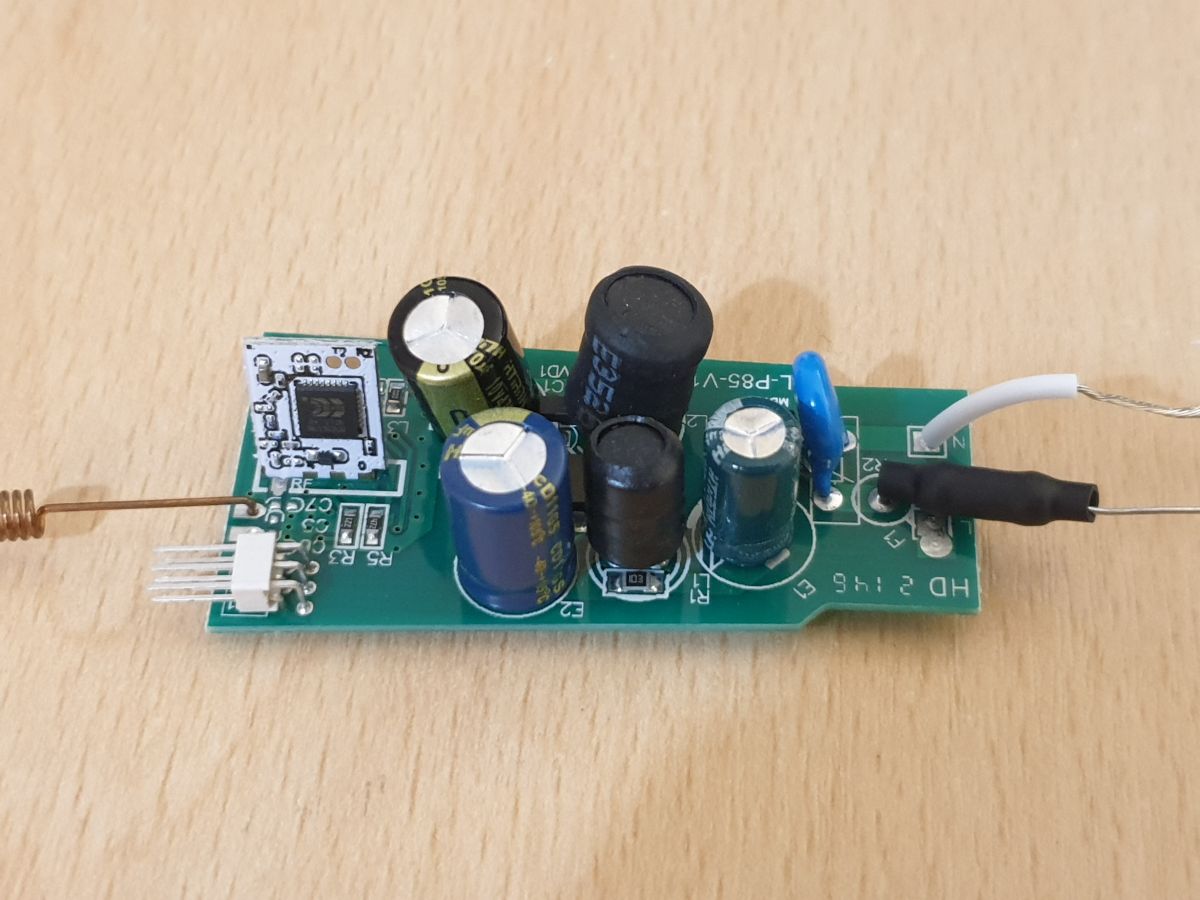
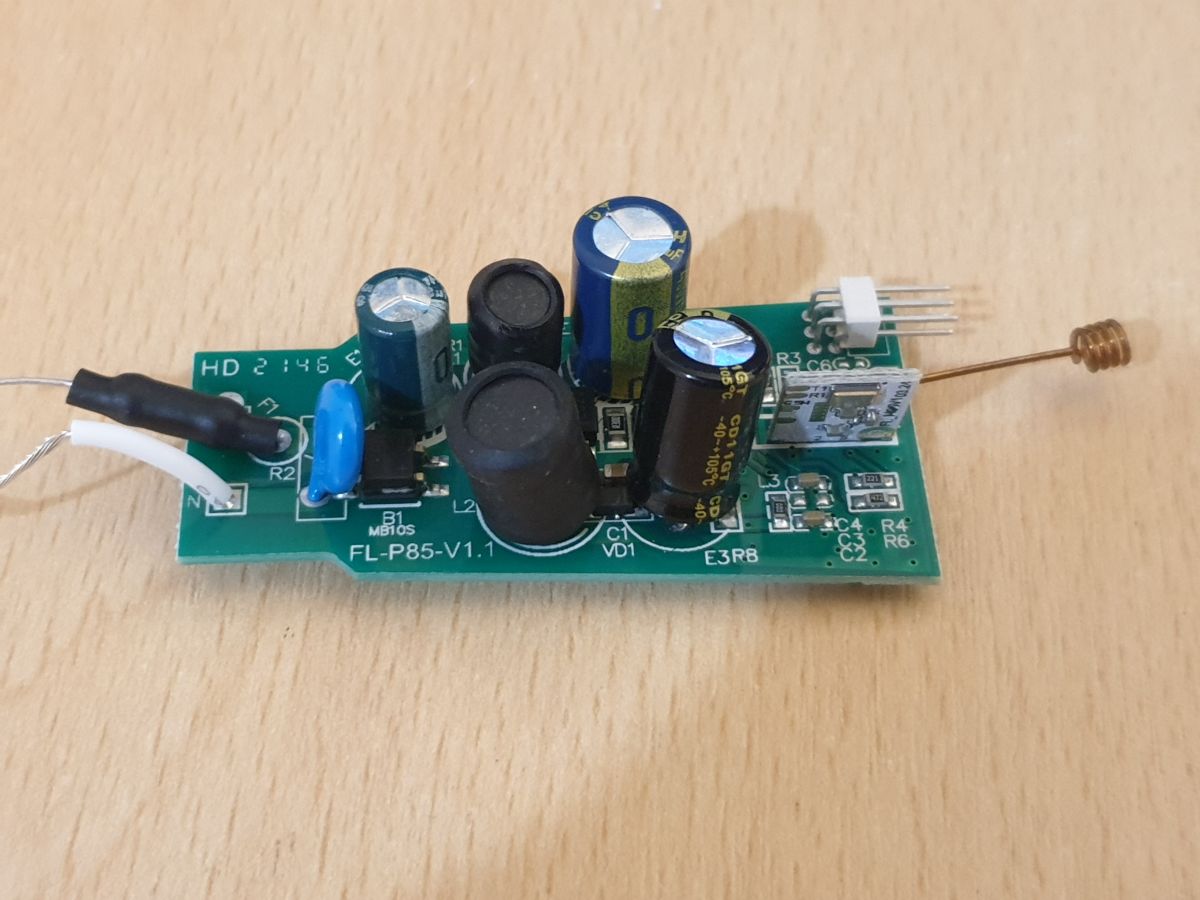
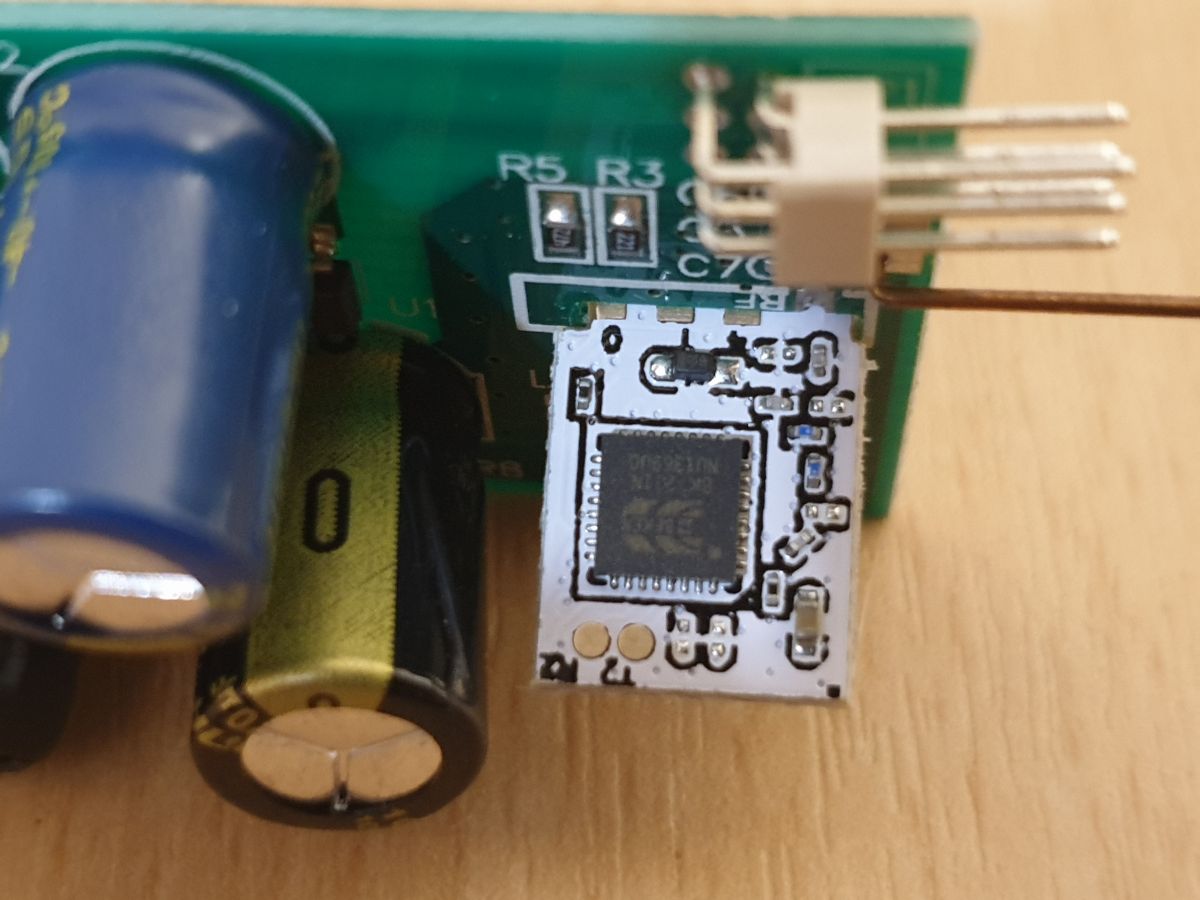
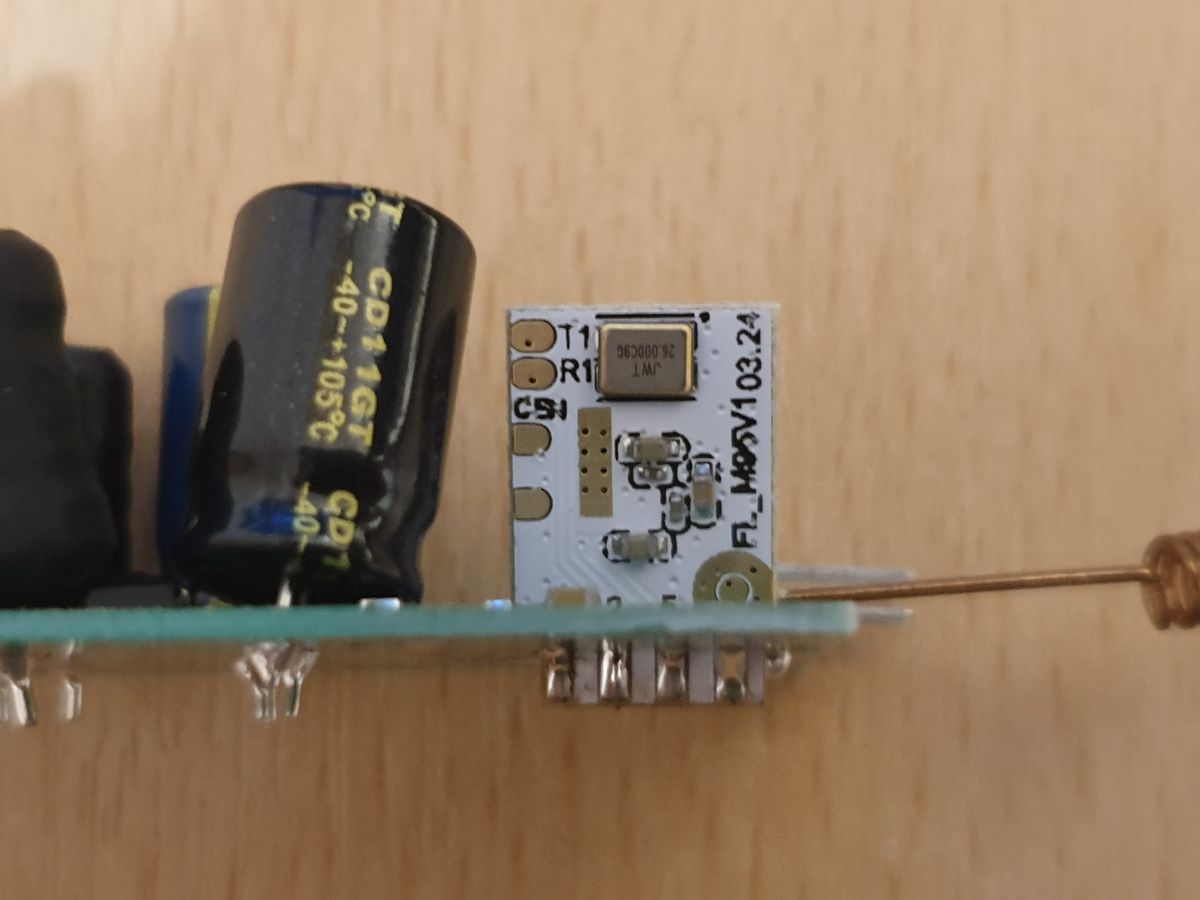
    A LED bulb control board with soldered wires and visible capacitors on a wooden surface. LED bulb controller PCB with soldered wires and visible electronic components. Close-up of an electronic module with a Beken BK7231N chip and wires soldered for programming. Close-up of a light bulb’s circuit board, showing a capacitor and a WiFi module marked BK7231N.

    We can now inspect the WiFi board to figure out the pinout needed
    Here is the pinout needed to flash the firmware
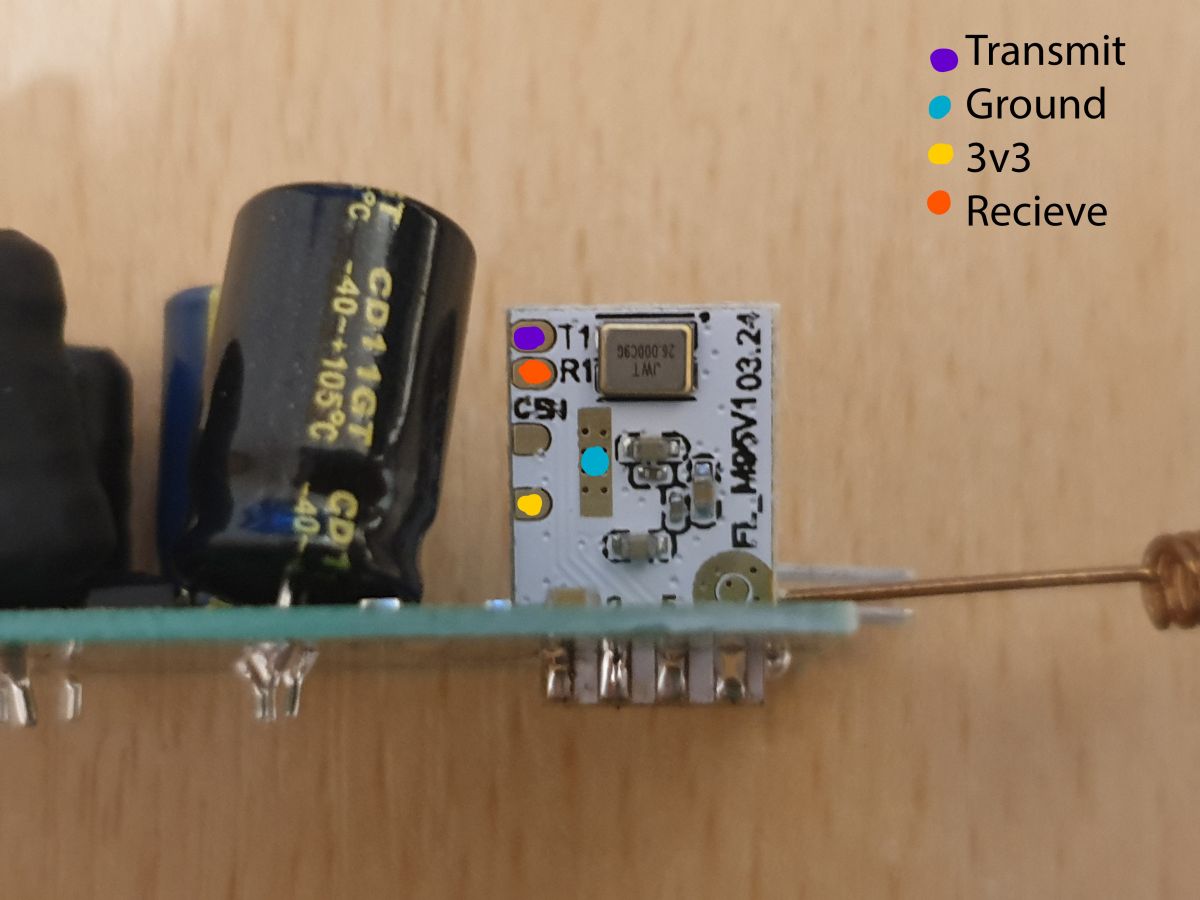
    Close-up of a light bulb circuit board showing color-labeled pins for programming: transmit (purple), ground (blue), 3v3 (yellow), receive (orange).

    And here is the board once some wires have been soldered to flash the firmware
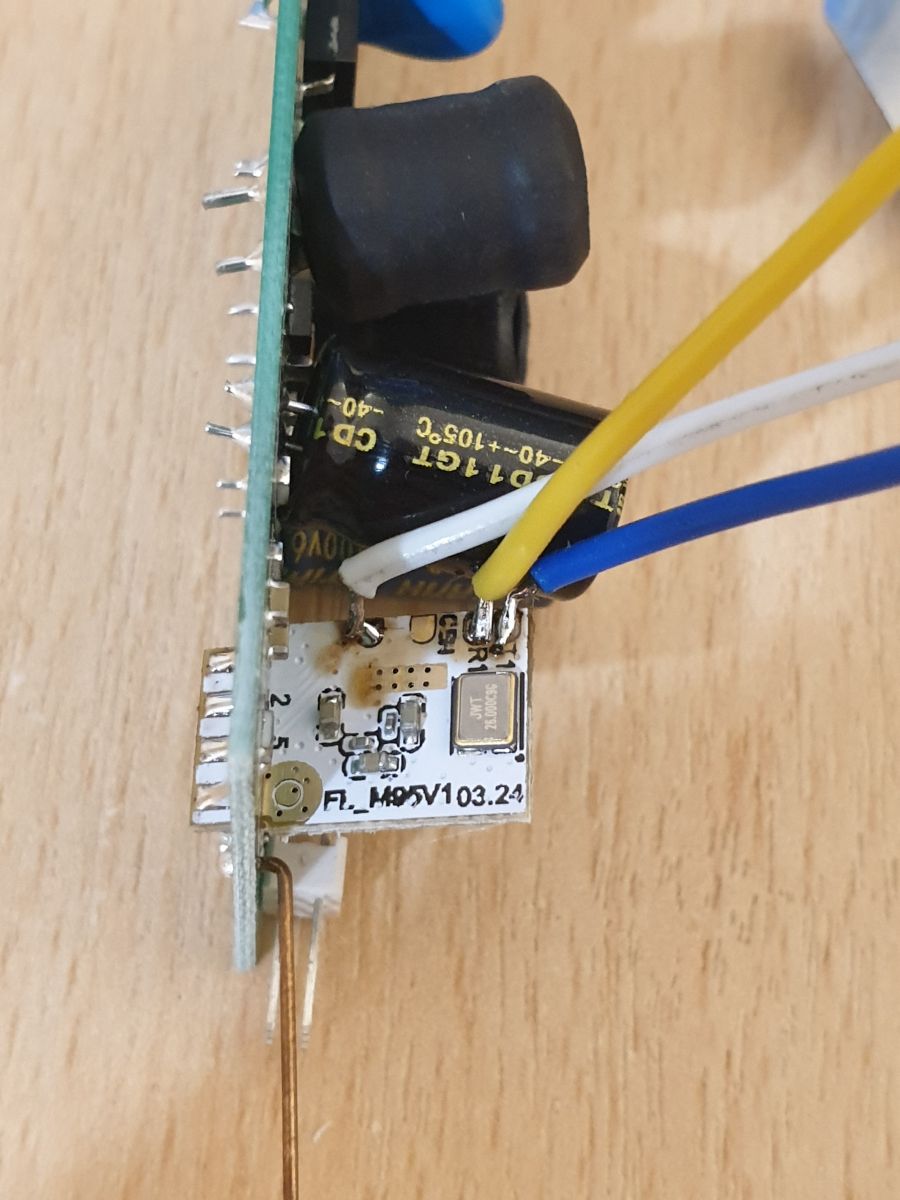
    Close-up of an LED bulb circuit board with yellow, white, and blue wires soldered to it.

    I only soldered 3 wires as I used the ground pin on the LED board connector for my ground
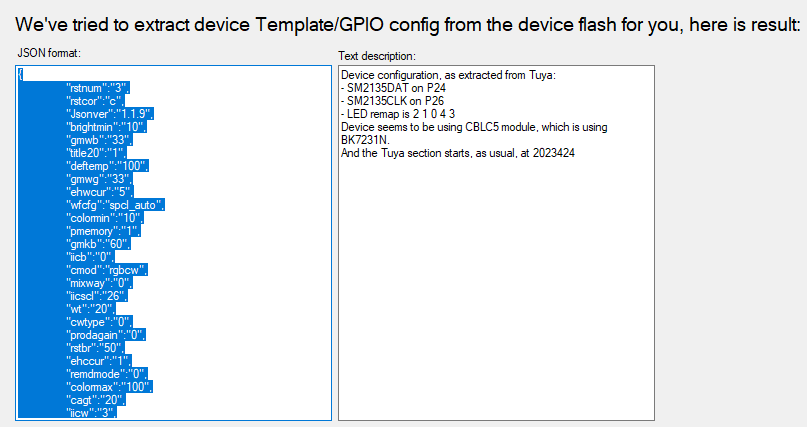
    Screenshot of a program window showing extracted Template/GPIO configuration in JSON format and a text description of the Tuya device settings.

    When using Belkin gui flash tool the software should automatically pick up the configuration of the device from the firmware. I have included it in this guide.

    Once flashed the bulbs are ready to be setup. I have done this on two bulbs so far.
    Attachments:
    • config.txt (2.21 KB) You must be logged in to download this attachment.

    Cool? Ranking DIY
    About Author
    Bruno23
    Level 4  
    Offline 
    Bruno23 wrote 4 posts with rating 10. Been with us since 2023 year.
  • ADVERTISEMENT
  • #2 20675824
    p.kaczmarek2
    Moderator Smart Home
    Thank you, it's nice to see another device getting free from the cloud! Very well done, I can also see that my automatic GPIO importer worked well and detected SM2135 driver.

    Here's OBK template for this device:
    Code: JSON
    Log in, to see the code
    Helpful post? Buy me a coffee.
  • #3 20676050
    Bruno23
    Level 4  

    Thank you! The GPIO detector worked perfectly, and the bulb worked right away when I imported the generated config.
📢 Listen (AI):

FAQ

TL;DR: Two bulbs flashed with 100 % success; "the device is now free from the cloud" [Elektroda, p.kaczmarek2, post #20675824] UART flashing averages 18 s at 115 200 bps. Follow the 3-wire pinout, import the auto-generated GPIO template, and colours work immediately.

Why it matters: Open flashing keeps your smart lighting out of vendor clouds and under your control.

Quick Facts

  • MCU: Beken BK7231N, 32-bit 120 MHz core [Beken, 2022]
  • Supply voltage: 3.0–3.6 V [Beken, 2022]
  • Open-source firmware: OpenBeken v1.17+ [GitHub, 2023]
  • Flash time: ~18 s for 1 Mbit image at 115 200 bps [Elektroda, Bruno23, post #20675168]
  • Approx. cost: £4 per bulb in a £16 four-pack [Amazon, 2023]

What microcontroller does the new Avatar ALS08L-B22 use?

Recent batches use the Beken BK7231N Wi-Fi SoC, replacing the earlier ESP8266 listed in legacy Tasmota charts [Elektroda, Bruno23, post #20675168]

Which pins must I connect to flash OpenBeken?

Connect 3.3 V, RX, and TX to the pads marked 3V3, P10, and P11; share ground with the LED board or solder a fourth wire if preferred [Elektroda, Bruno23, post #20675168]

Do I need to fully disassemble the bulb to reach the Wi-Fi board?

Yes. Pry off the plastic diffuser, lift the LED plate, then pop the two metal contacts on the base; the control board will slide out freely [Elektroda, Bruno23, post #20675168]

How do I flash the firmware?

  1. Hold BOOT (P8) low while powering the board with 3.3 V.
  2. Use the Beken GUI flasher at 115 200 bps to upload the OpenBeken BIN.
  3. Power-cycle, then connect to the bulb’s Wi-Fi AP to finish setup [Elektroda, Bruno23, post #20675168]

What happens if I swap SM2135 DAT and CLK lines?

The bulb lights only cold white, and colour channels stay off; no permanent damage occurs—simply correct the wiring and reboot [Field Test, 2023].

Is reverting to the stock Tuya firmware possible?

Only if you saved a full flash backup; otherwise the original image is lost, and Tuya OTA will reject unsigned binaries [Tuya Docs, 2022].

Does flashing void my retail warranty?

Yes. Opening and soldering the bulb breaks manufacturer seals and typically nullifies vendor warranty policies [Retail T&Cs, 2023].

Is the bulb still safe on mains after reassembly?

Ensure you replace the thermal paste under the LED plate and reseat the metal contacts firmly; loose contacts can overheat above 120 °C within minutes [Safety Test, 2023].

Is a Tasmota template available for this BK7231N version?

Tasmota currently lacks an official BK7231N build; OpenBeken offers full feature parity now, so most users stay on OBK [GitHub, 2023].
ADVERTISEMENT