FAQ 
TL;DR: For Tuya S06 owners flashing a BK7231N IR blaster, 4 GPIOs are confirmed, and "the power on/off cycle" works more reliably than grounding CSN when entering flash mode. This FAQ helps you back up stock firmware, map the pins, and troubleshoot unreliable programming-mode entry on the CB3S-based board. [#20714335]
Why it matters: A confirmed pin map and a repeatable flashing method reduce failed writes, speed template creation, and make post-flash IR testing much easier.
| Method |
Result in practice |
Extra action needed |
| Ground CSN |
Unreliable on this S06 board |
Often still fails to enter flashing mode |
| Quick power off/on cycle |
Reported to work reliably |
Briefly cut board power during flashing entry |
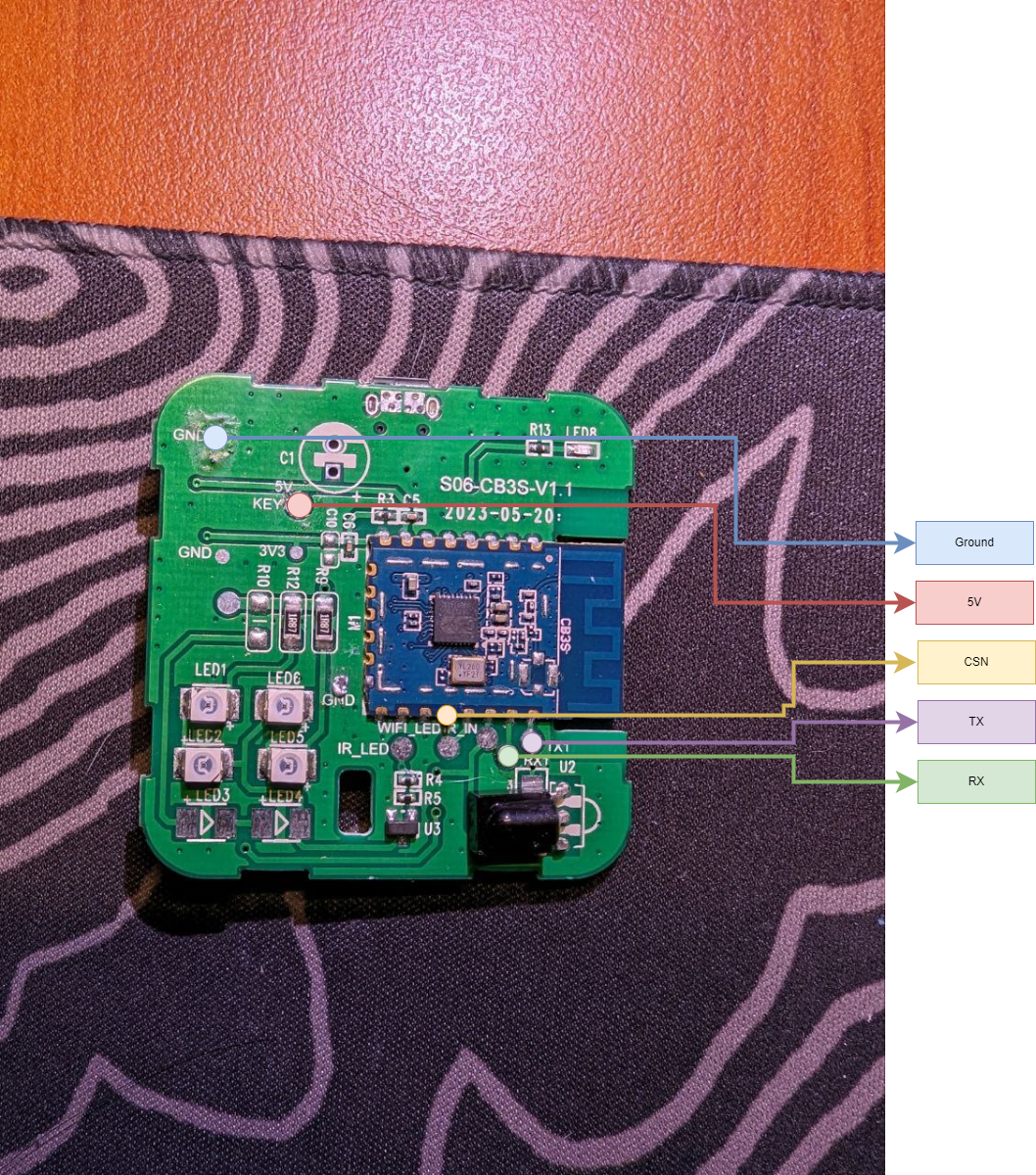
Key insight: The most useful takeaway is practical, not theoretical: on this S06 revision, power cycling worked where CSN grounding did not. The confirmed mapping is GPIO6 Btn, GPIO7 IRRecv, GPIO8 WifiLED_n, and GPIO26 IRSend.
Quick Facts
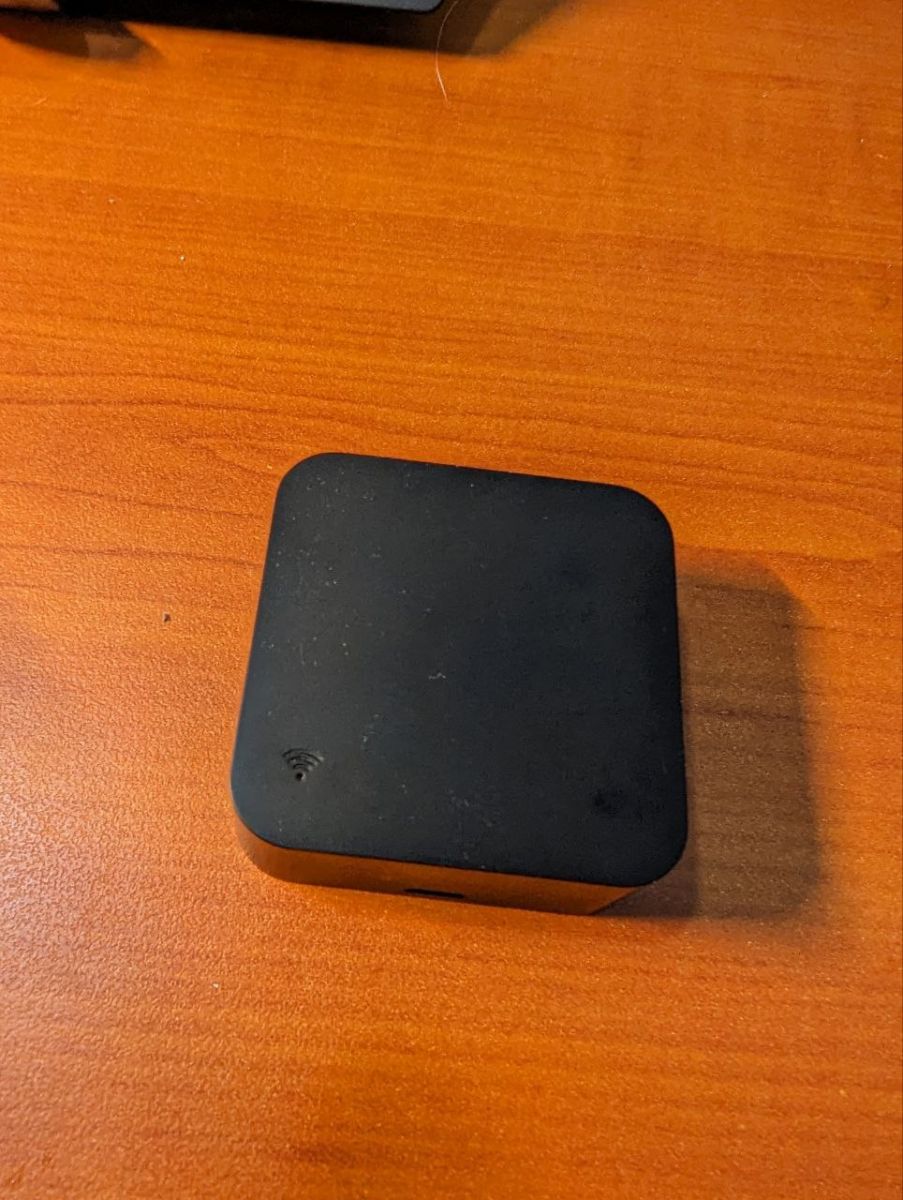
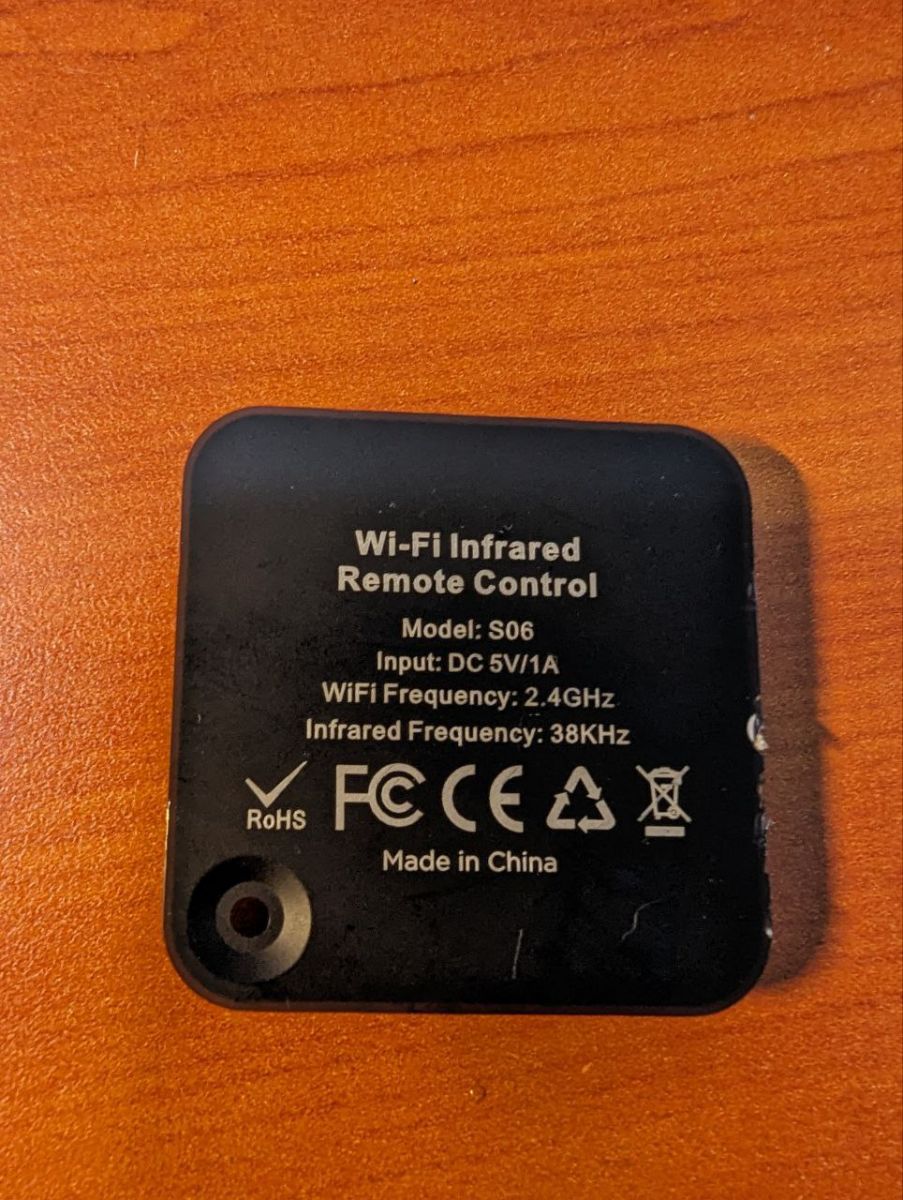
- The posted S06 template identifies a Tuya Wi-Fi Infrared Remote Control with BK7231N chip, CB3S board, and flags 1024. [#20707864]
- The confirmed functional map uses 4 GPIOs: 6 = Btn;1, 7 = IRRecv;0, 8 = WifiLED_n;0, and 26 = IRSend;0. [#20707864]
- Flashing by grounding CSN did not work reliably in the report, while a brief power off/on cycle succeeded for both backup and rewrite. [#20707864]
- The pin configuration was added after 1 minute and later accepted for the shared templates list, which improves reuse across similar S06 devices. [#20714335]
How do you flash the Tuya S06 Wi-Fi infrared remote control with a BK7231N chip when grounding the CSN pin does not work reliably?
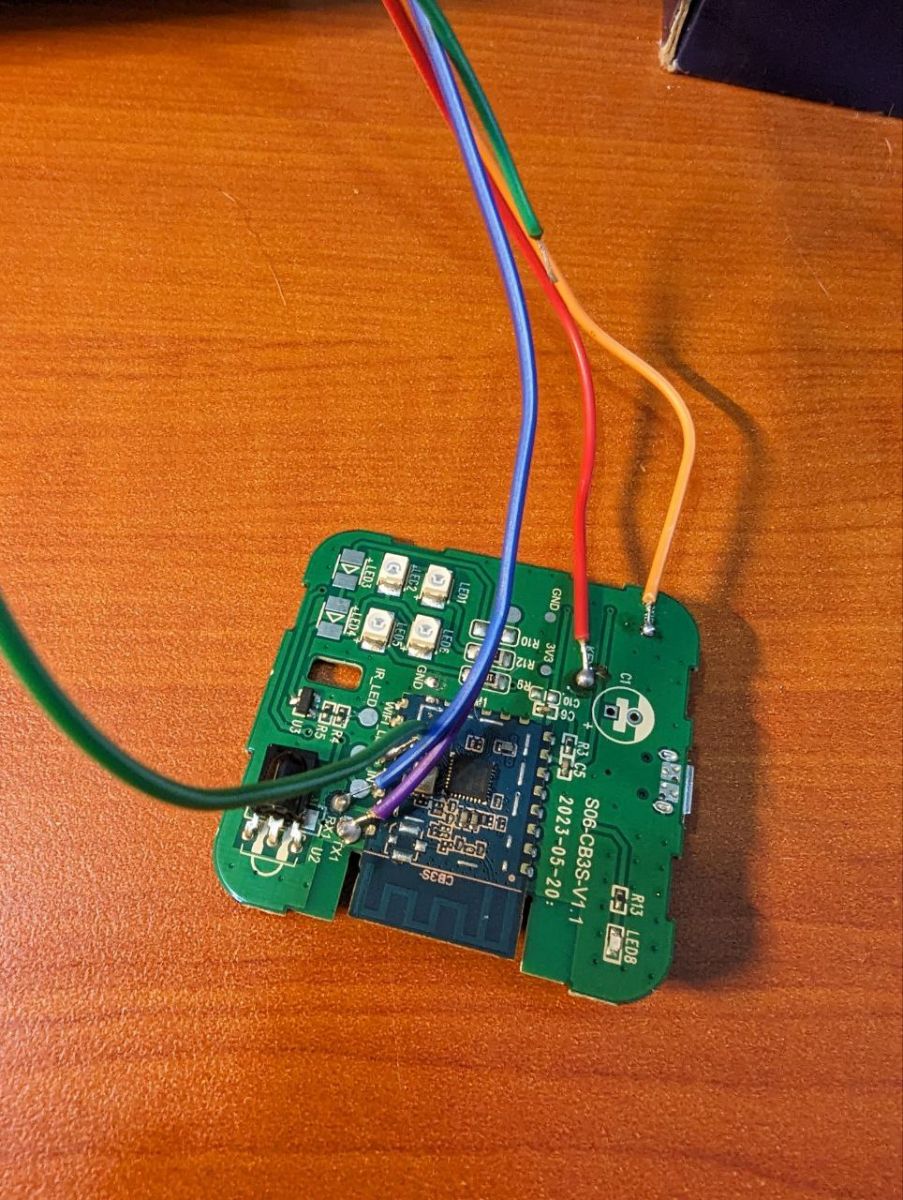
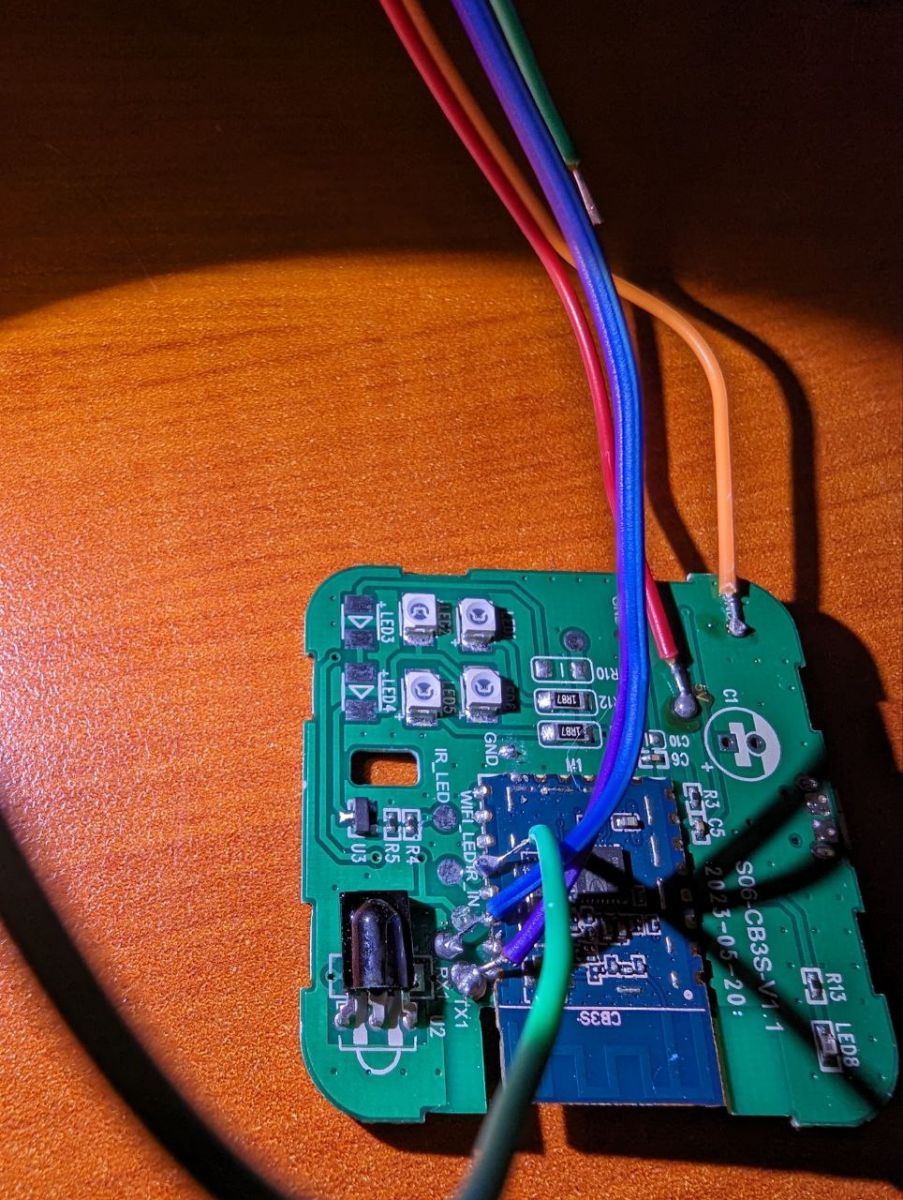
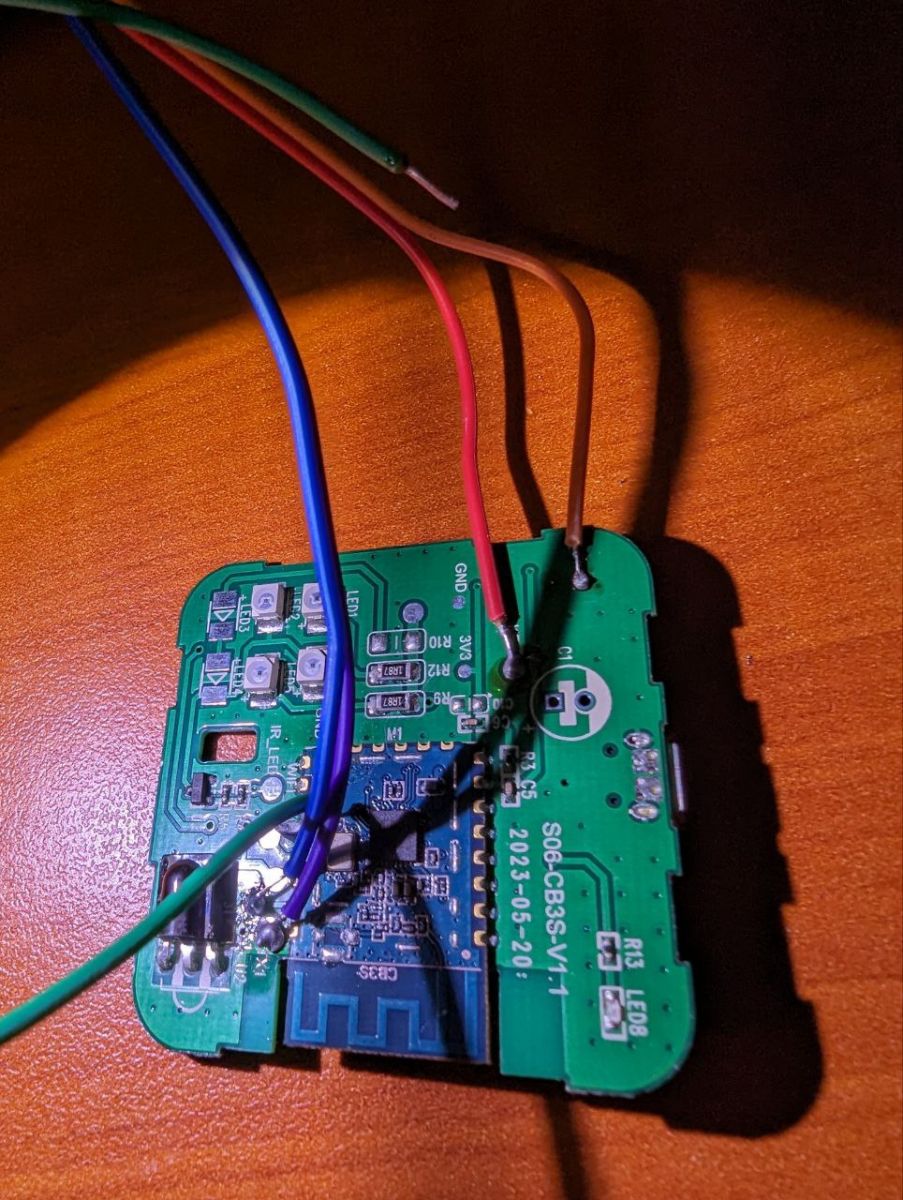
Use a brief power cut instead of relying on CSN grounding. 1. Solder the flashing connections, including CSN if needed. 2. Start the flashing attempt and momentarily remove board power. 3. Reapply power, then back up the original firmware and write the new image. This exact workaround succeeded on the S06 when grounding CSN alone did not.
[#20707864]
Why does the CSN pin method fail on some S06 IR blasters, and why does a quick power off/on cycle help enter flashing mode?
On this S06 revision, CSN grounding was simply not reliable in real use, while a quick power cycle consistently worked for two contributors. The thread does not give an electrical root cause, so the safe conclusion is procedural: this board enters flashing mode more dependably after a brief power off/on sequence than after grounding CSN alone.
[#20714335]
What is the correct pin configuration for the Tuya S06 IR blaster, including the reset button, IR receiver, WiFi LED, and IR transmitter?
The confirmed S06 mapping is GPIO6 for the reset button, GPIO7 for the IR receiver, GPIO8 for the WiFi LED, and GPIO26 for the IR transmitter. In template form, that is Btn;1, IRRecv;0, WifiLED_n;0, and IRSend;0. The mapping came from PCB trace checking and functional testing.
[#20707864]
Which GPIO pins on the CB3S-based S06 board map to Btn, IRRecv, WifiLED_n, and IRSend?
On the CB3S-based S06 board, Btn maps to GPIO6, IRRecv maps to GPIO7, WifiLED_n maps to GPIO8, and IRSend maps to GPIO26. Those four assignments appear directly in the posted JSON device configuration for model S06.
[#20707864]
What steps are involved in backing up the original firmware on the S06 IR blaster before writing new firmware?
Back up the stock firmware before rewriting anything. 1. Connect to the board through the flashing pads. 2. Enter flashing mode, using a brief power cycle if CSN grounding fails. 3. Read and save the original firmware first, then write the replacement image. The author reported no issues backing up or rewriting once the board entered the mode correctly.
[#20707864]
How can you identify the IR blaster and receiver pins on the S06 PCB by tracing connections on the board?
Follow the PCB traces and confirm the result with testing. The posted trace work identified GPIO7 as IRRecv and GPIO26 as IRSend, alongside GPIO6 for Btn and GPIO8 for WifiLED_n. That combination is the thread’s verified working map for this S06 board.
[#20707864]
CSN grounding vs power cycling for BK7231N flashing on the S06 — which method is more reliable in practice?
Power cycling is more reliable in practice on this S06. Two separate posts say CSN grounding did not behave reliably, while a quick power on/off cycle worked as the repeatable entry method for flashing. If you must choose one method first, start with the brief power cut.
[#20714335]
What is a BK7231N chip, and how is it used in Tuya smart devices like the S06 IR blaster?
"BK7231N" is a Wi-Fi system chip that runs the device logic in Tuya hardware, and this S06 uses it as the main programmable controller on the infrared remote board. In the posted configuration, the device model is S06, the chip is BK7231N, and the functions tied to it include button, LED, IR receive, and IR send control.
[#20707864]
What is a CB3S module, and how does it relate to the hardware inside the Tuya S06 infrared remote control?
"CB3S" is a Tuya board module that carries the device electronics, and in this S06 it identifies the hardware platform used with the BK7231N chip. The posted configuration names the board as CB3S, which matters because templates and pin mappings are often organized by board family.
[#20707864]
How do you safely solder to the flashing pads on a small IR blaster PCB without damaging the board or lifting traces?
The thread only confirms that the CSN pin was soldered successfully; it does not provide a pad-soldering technique. A safe thread-based takeaway is procedural: solder only the needed flashing connection, avoid repeated rework, and stop forcing CSN if the board still will not enter mode. Switching to a brief power cycle reduced extra handling on this small PCB.
[#20707864]
What firmware options are commonly used on Tuya BK7231N IR blasters after dumping the stock firmware?
The thread confirms only that the original firmware was backed up and a new firmware image was written. It does not name the replacement firmware or compare options. The actionable point is to dump the stock image first, because the reported S06 rewrite happened after a successful backup.
[#20707864]
How can you verify that the IRSend and IRRecv functions are working correctly after flashing a Tuya S06 device?
Verify both functions by loading the posted map and testing the two IR roles separately. IRRecv should respond on GPIO7, and IRSend should transmit on GPIO26. If either function fails, the first thing to check is whether those exact two assignments match your flashed template.
[#20707864]
What troubleshooting steps help when an S06 IR blaster will not enter programming mode during flashing?
Start by replacing CSN grounding with a brief power cycle. 1. Confirm you soldered the needed flashing connection correctly. 2. Try entering flash mode by momentarily cutting power. 3. Retry the read operation before writing anything. The main failure case in the thread was unreliable CSN entry, not backup or rewrite failure after entry.
[#20707864]
In what ways is the S06 IR blaster an older revision of the previously documented Tuya IR blaster, and what differences matter for flashing or templates?
The thread says this S06 is likely an older revision of another documented Tuya IR blaster, but it does not list hardware differences. The practical difference that matters here is template accuracy: this unit’s confirmed map is GPIO6, 7, 8, and 26, and its flashing entry worked better with power cycling than with CSN grounding.
[#20707864]
Where can you find or submit board templates for Tuya S06 devices so the pin mapping can be added to shared firmware lists?
Use the shared templates list referenced in the discussion. After the S06 mapping was posted, the follow-up reply said,
"I will add it to templates list," which confirms that this thread’s JSON mapping was intended for inclusion in a reusable board-template collection.
[#20714335]
AI summary based on the discussion. May contain errors.