>>21838150
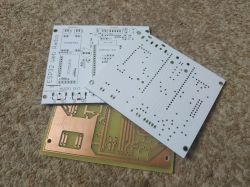
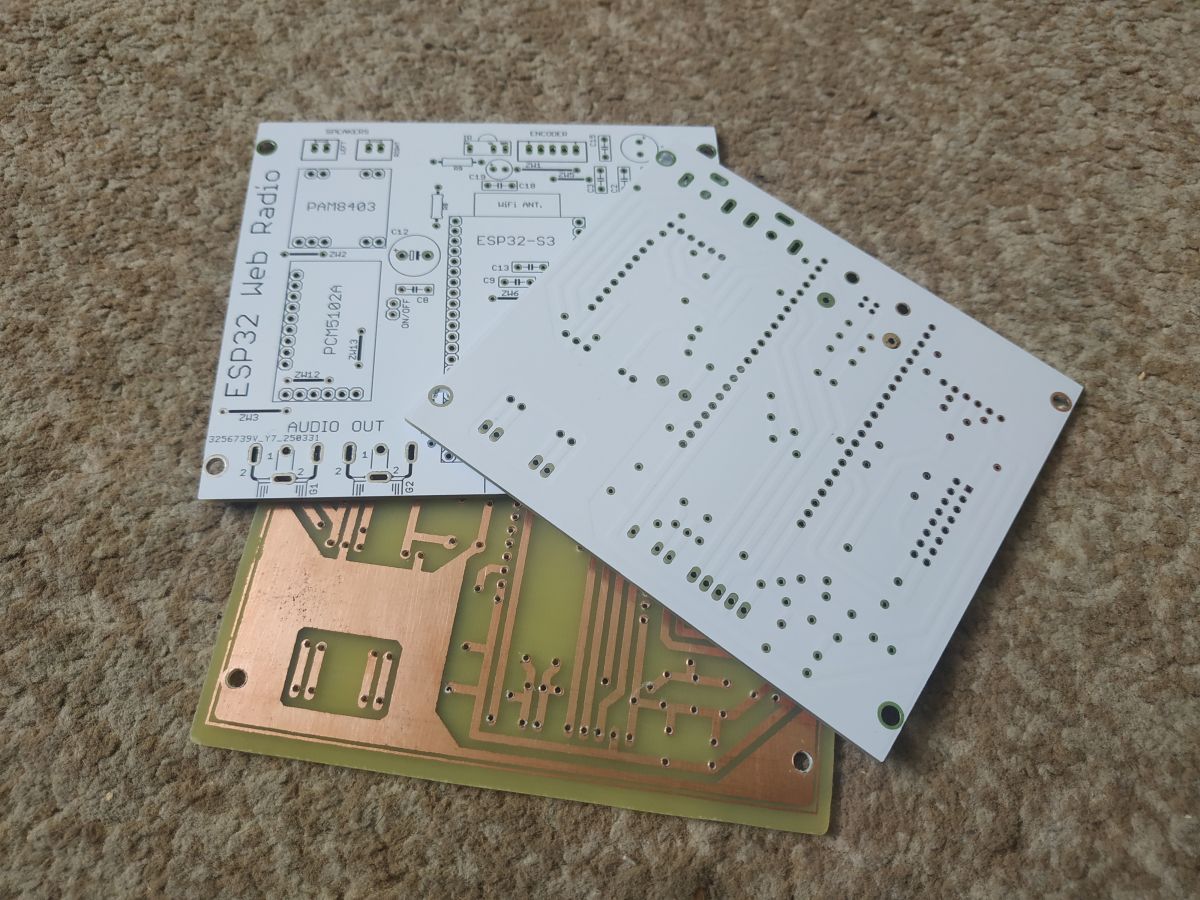
In the file what I have provided are also pressings, you can make yourself a PCB by home method. In case of thermo-transfer you make only the bottom side and you have to use jumpers, in ready-made Chinese PCBs there are two layers and jumpers are already made on the top layer, you don't have to assemble them.
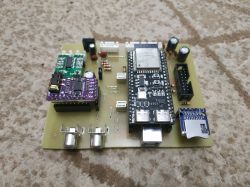
This is how I made my prototypes.
Greetings...
In the file what I have provided are also pressings, you can make yourself a PCB by home method. In case of thermo-transfer you make only the bottom side and you have to use jumpers, in ready-made Chinese PCBs there are two layers and jumpers are already made on the top layer, you don't have to assemble them.
This is how I made my prototypes.
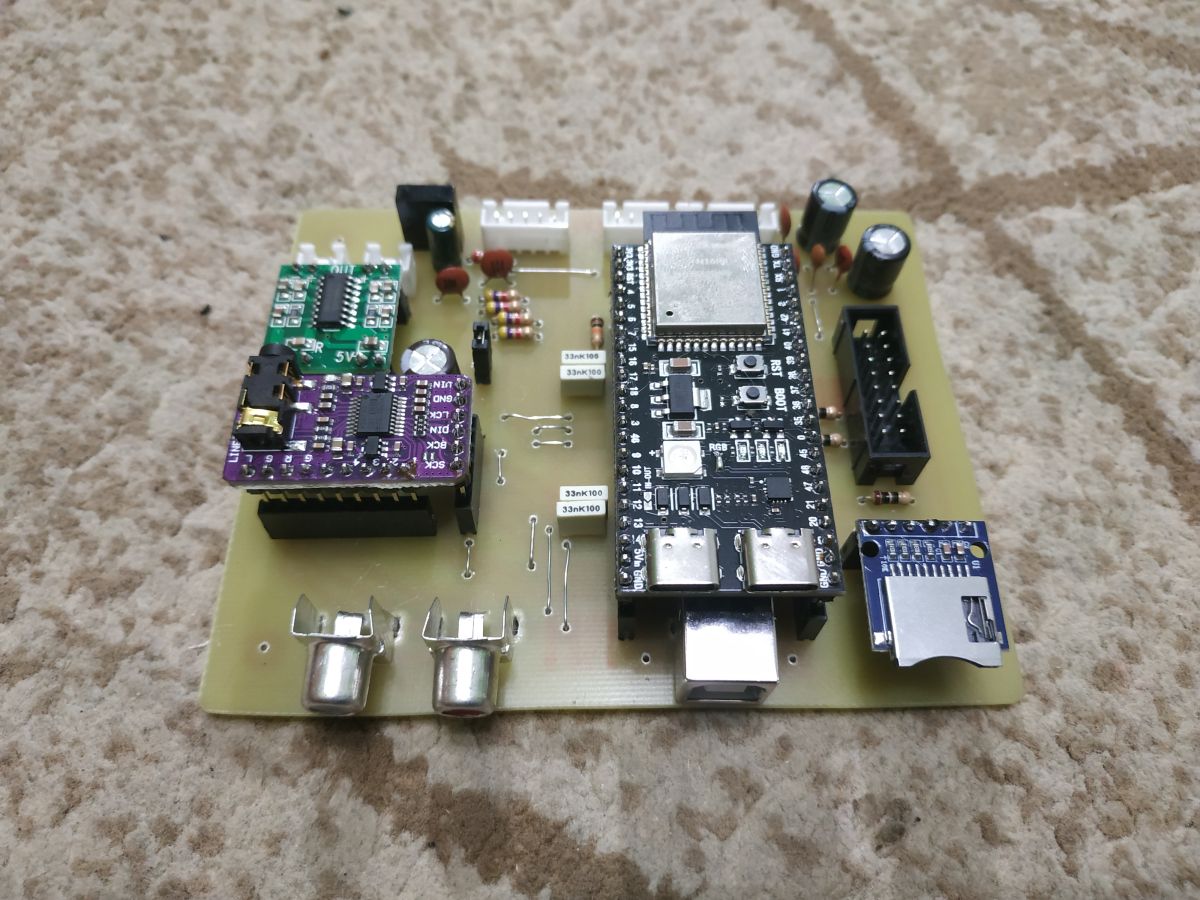
Greetings...
 I'm still wondering if the continuous ESP operation with VBR doesn't cause that simply in the world the stabiliser on this poor DEV Kit board doesn't have enough current. However, AIDA Radio even though it is transmitting 2Mbps it is CBR and not VBR. I will be checking this thread as well.
 It will certainly come out cheaper and will work. Looking at your level of comprehension I don't see any chance of you running it. Unless you're getting ripped off, but that's all the more reason I don't have the time to play with it.