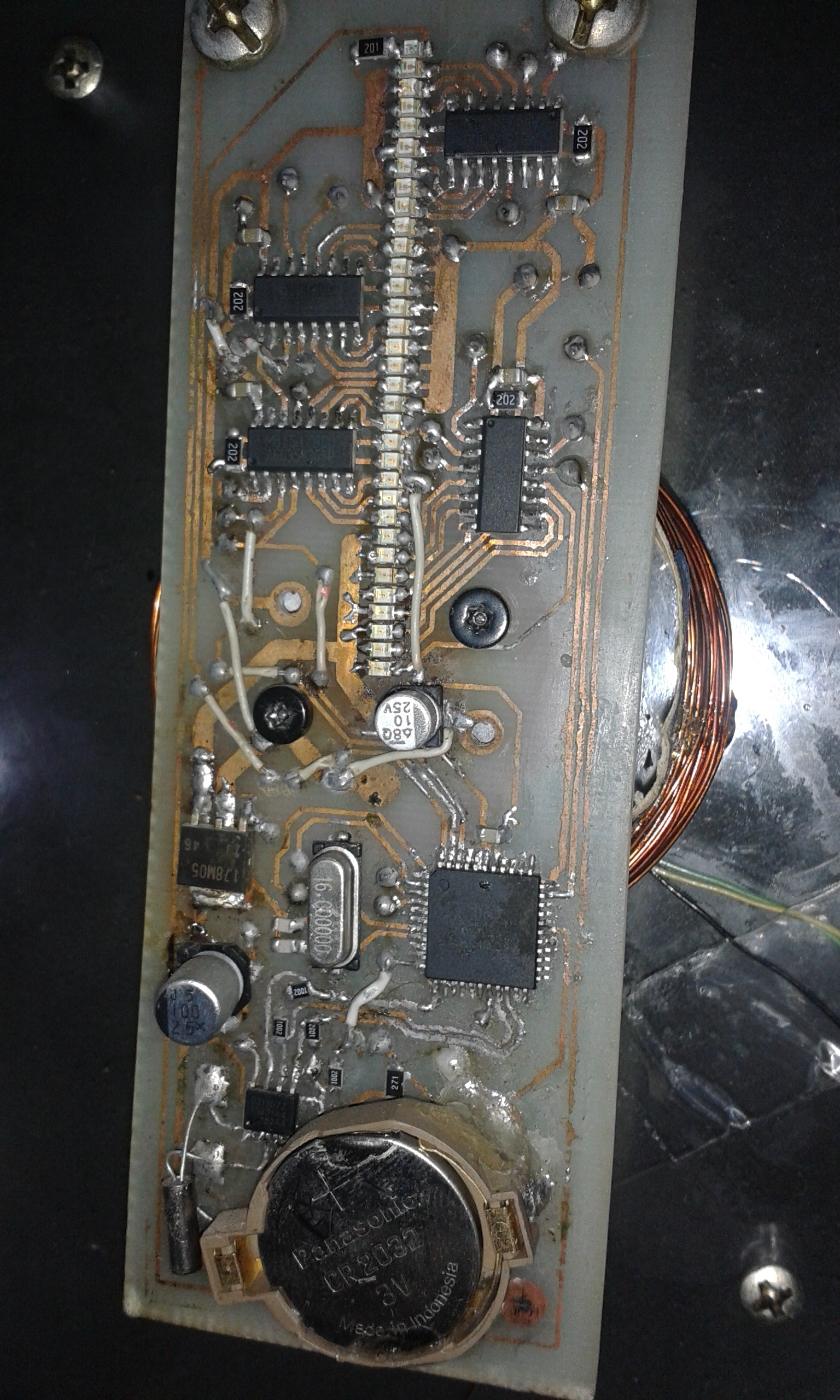
Hello, I am trying to make this clock according to the diagrams, but I am not able to read all the elements, could someone give me a list of all the necessary parts in turn?
Thanks in advance
Thanks in advance



Czy wolisz polską wersję strony elektroda?
Nie, dziękuję Przekieruj mnie tam

neoarboy wrote:hello, anyone here had successfully design that propeller clock ?
armm wrote:hi
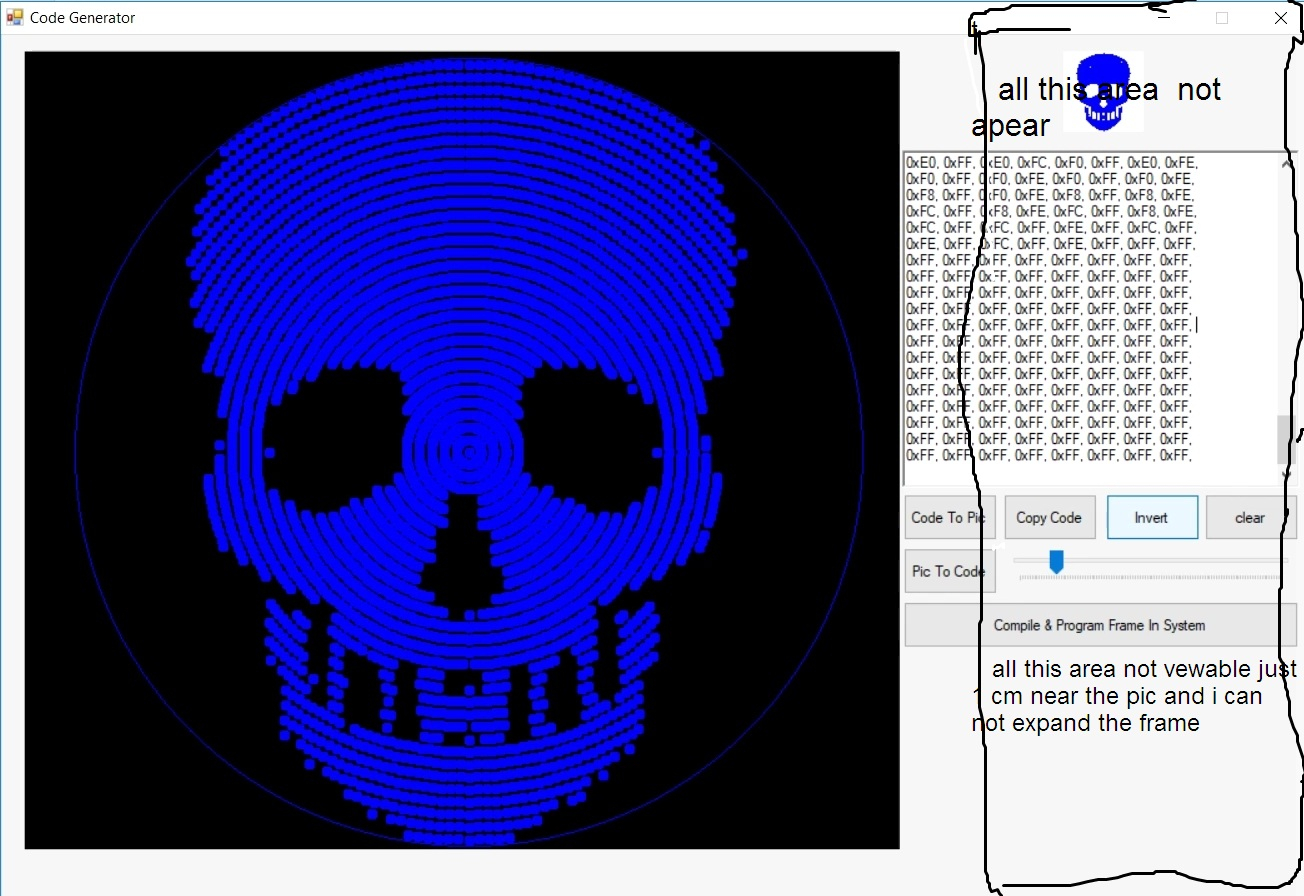
How do you convert images to code for this clock
for example : YouTube image that you show
Please Send Me your software , If possible.
Thanks
Dodano po 8 [minuty]:neoarboy wrote:hello, anyone here had successfully design that propeller clock ?
yes , I could successfully design a propel
can i help you?
 )
)



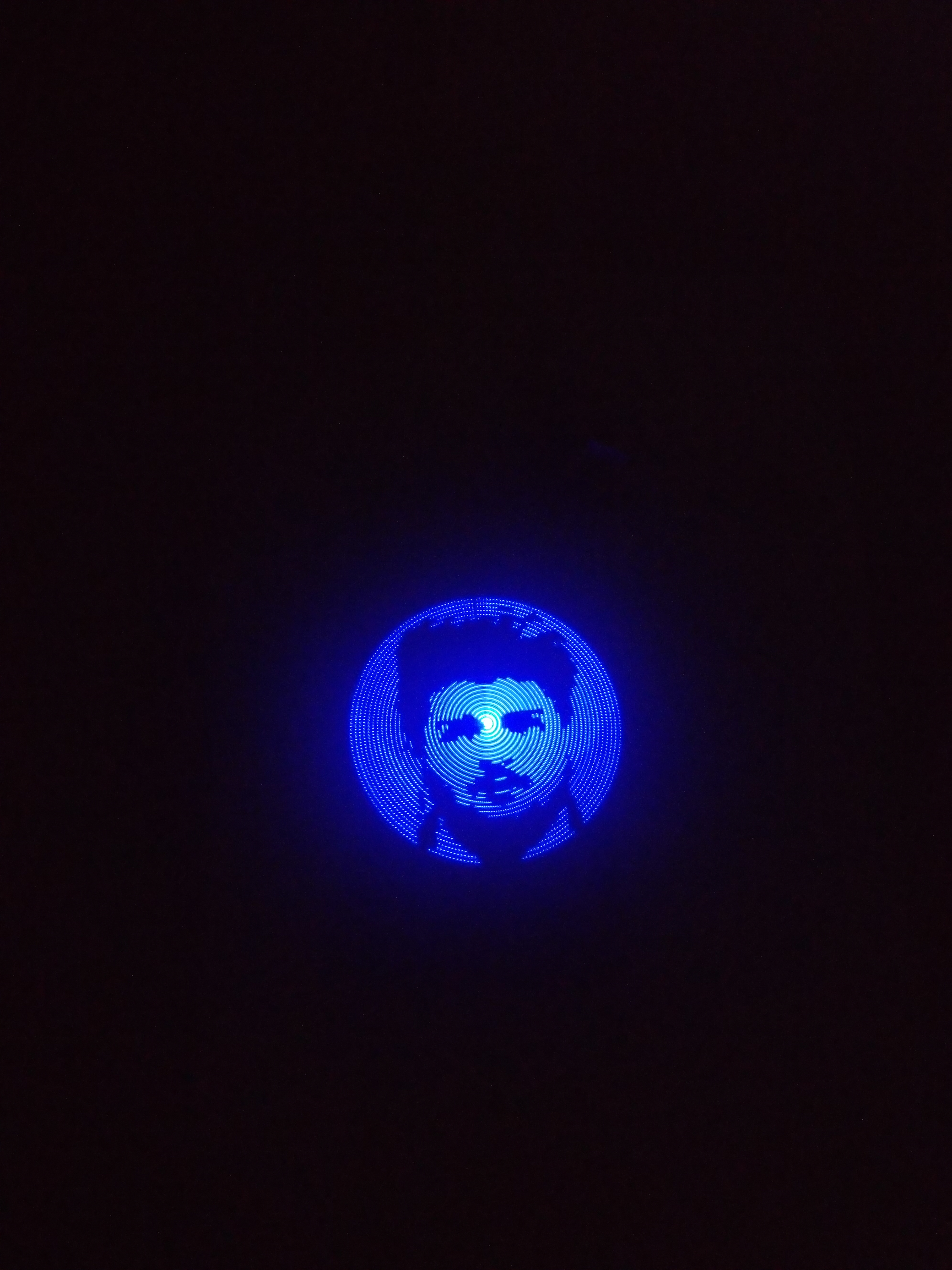
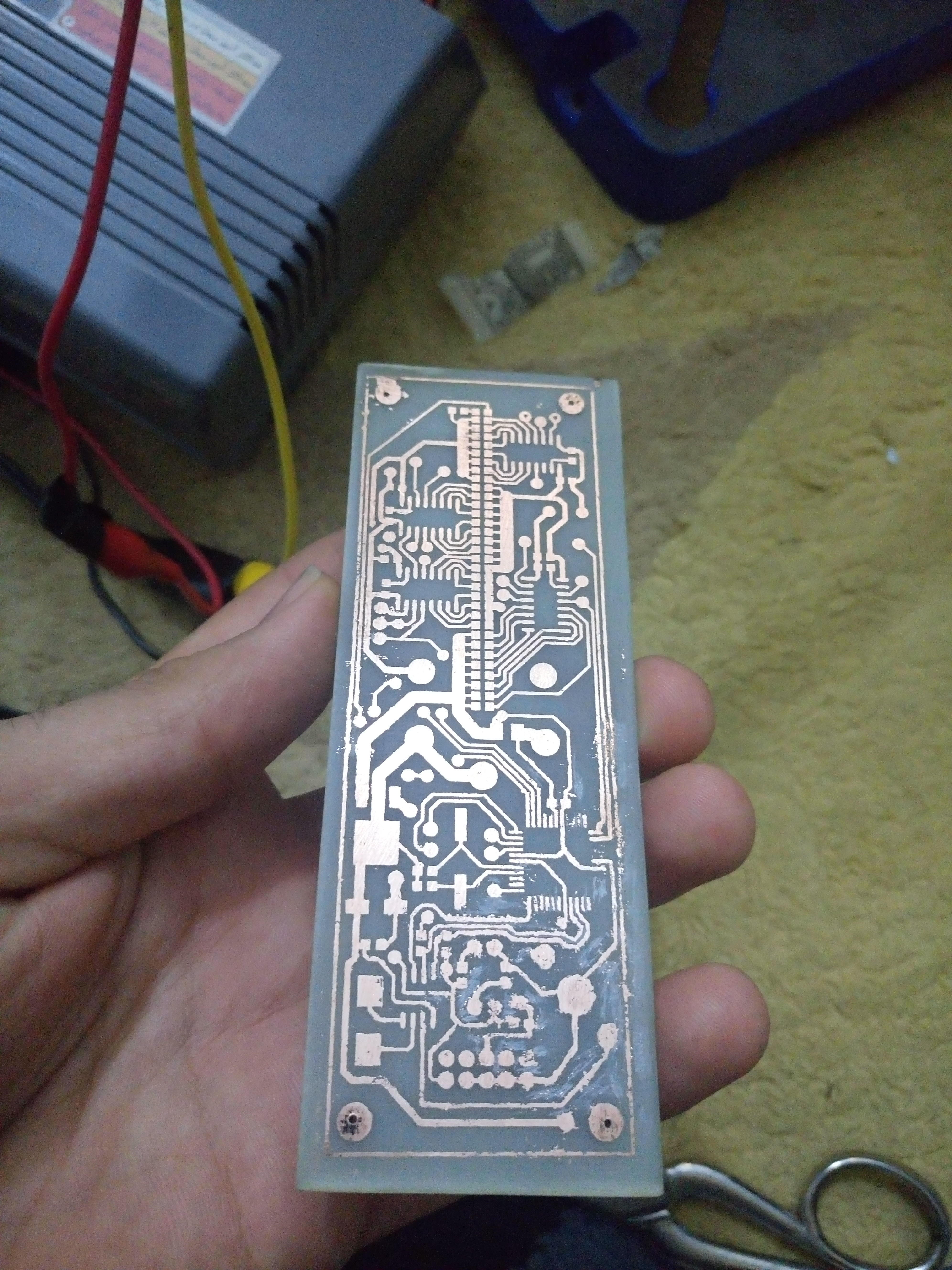
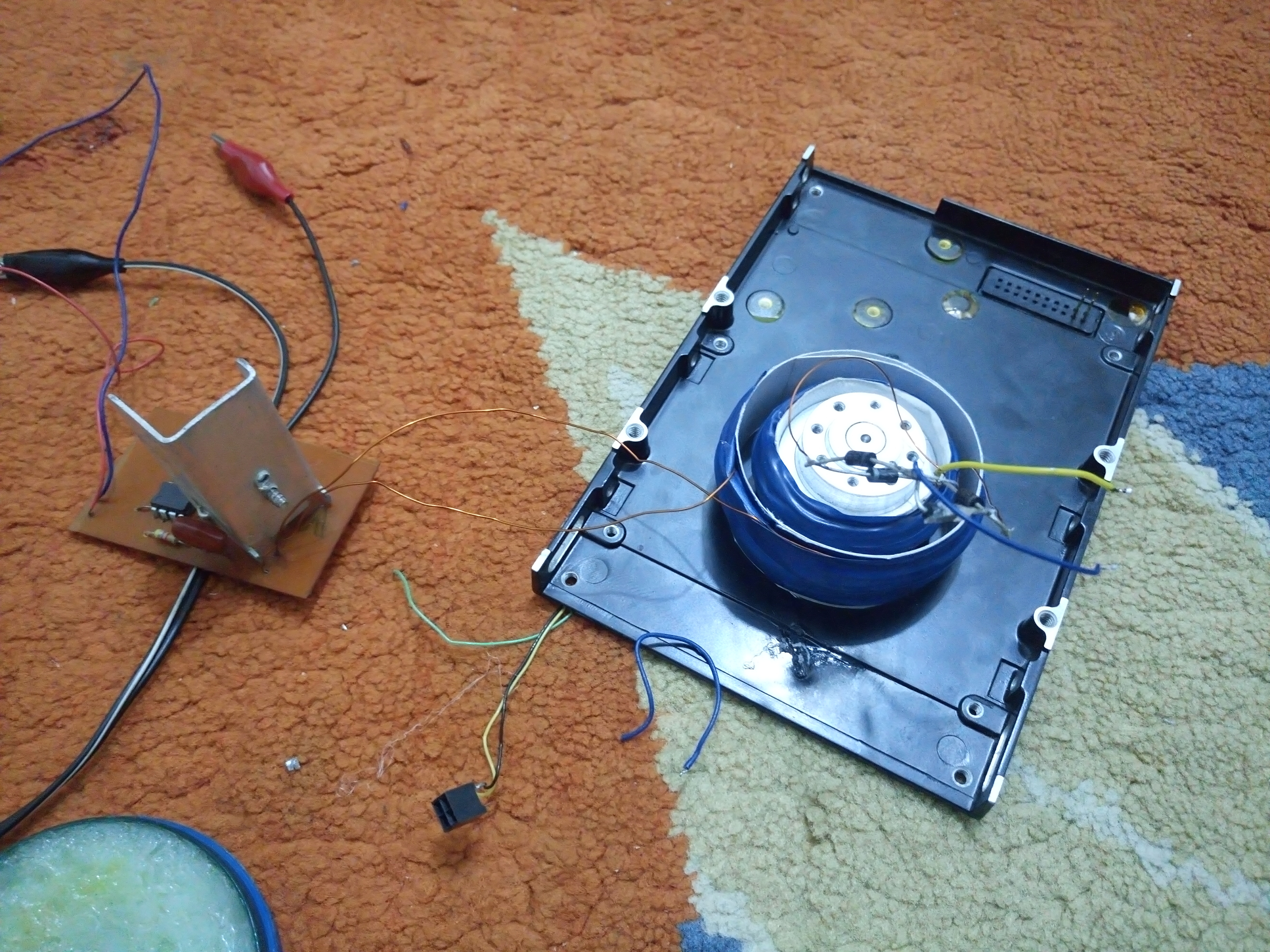
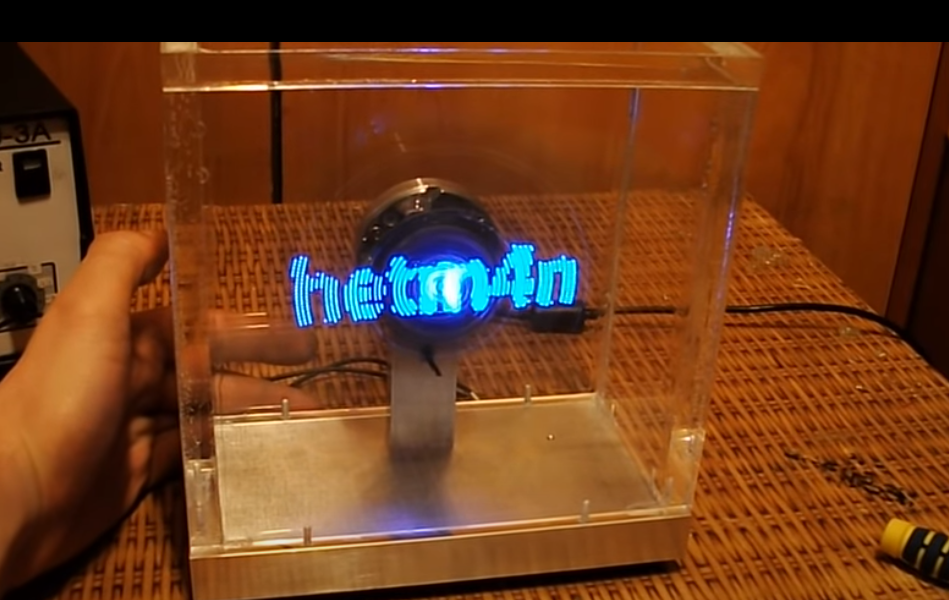
boxochi wrote:HELLO I make it 3 years ago with software for convert pics and gifs to CODE
tnx to mb1988 For Code Sharing
To compensate for this affection, I share the written code For all
best Regards

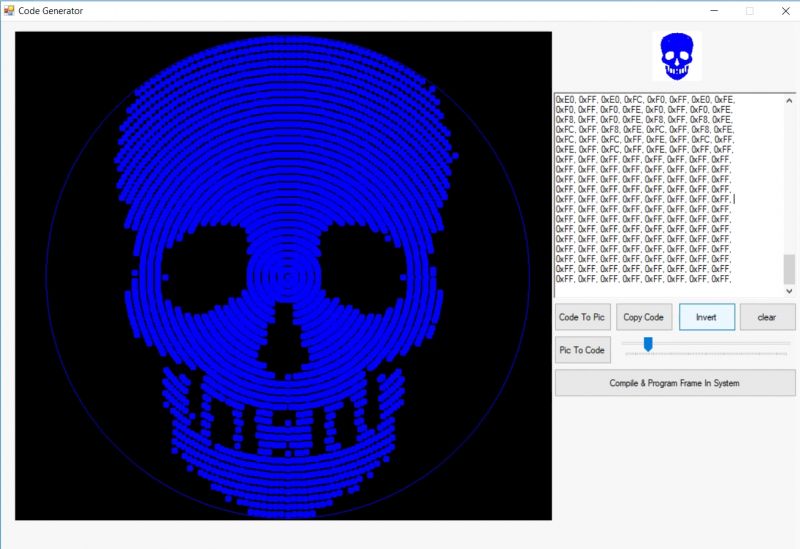

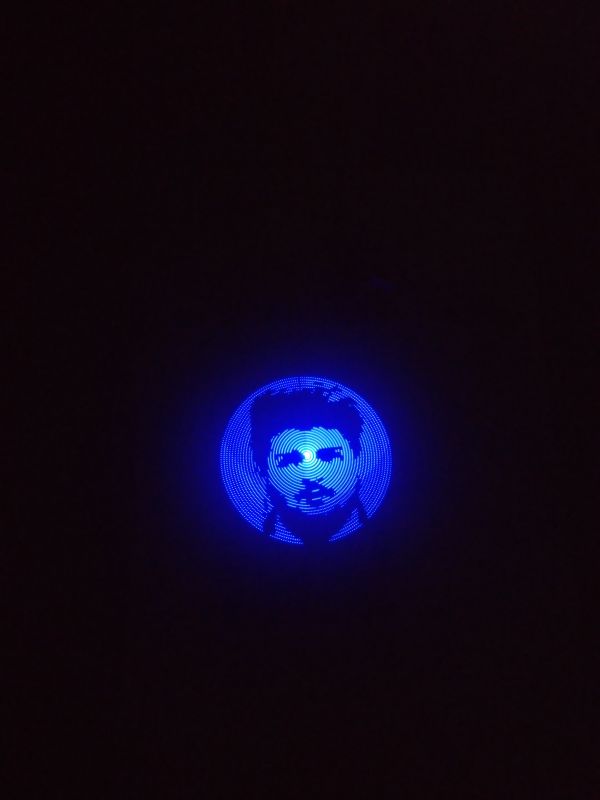
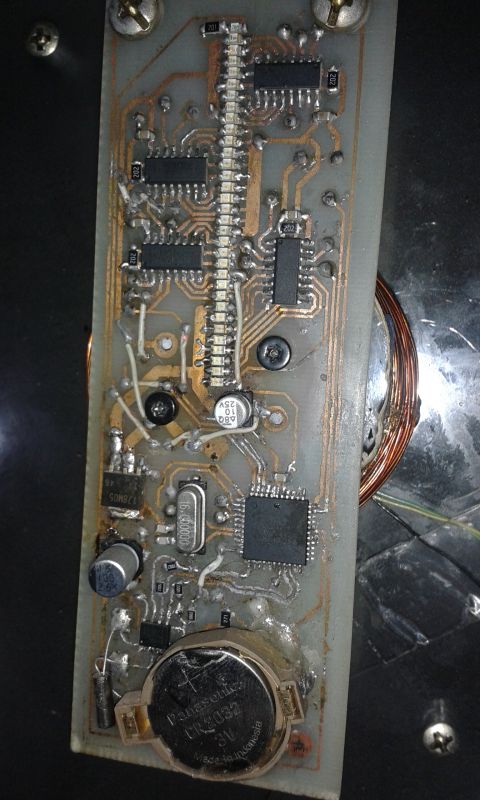
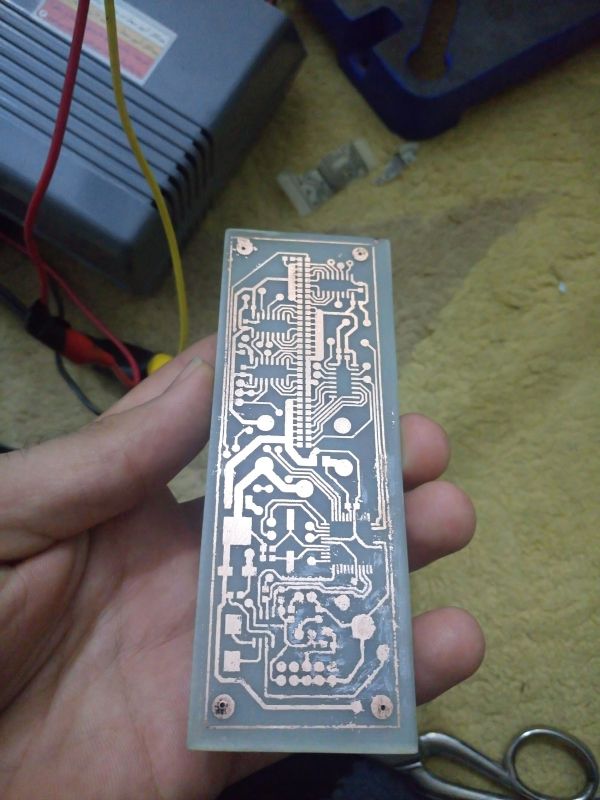
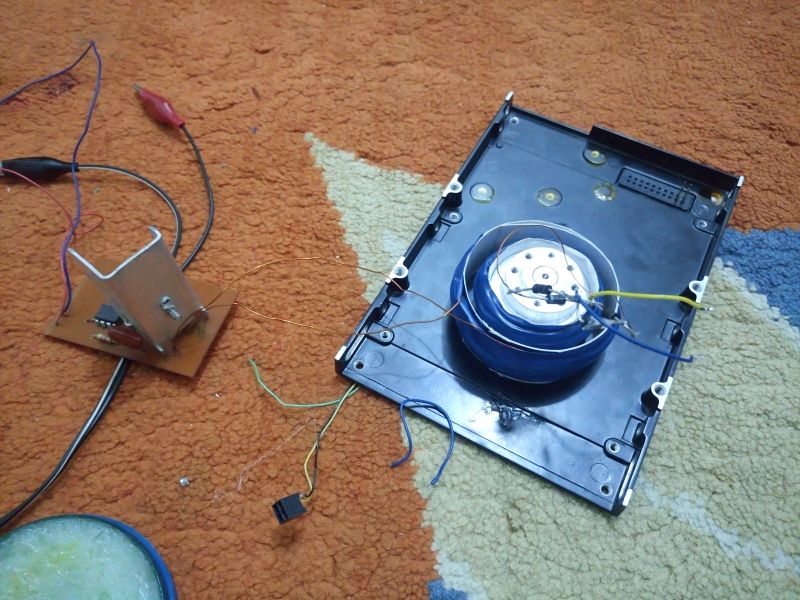
hetm4n wrote:After 10 years of using this clock, he will write a summary.
The author could implement timing, mode switching via ir. There would be no confusion with uploading settings etc. Second thing, drive on the hdd motor, great thing, but at such high revs they wear out quickly, so they got louder and louder, I exchanged 2-3 engines from surplus annually. I built a 2 clock with the aliexpress putty which I put on the hdd engine, I was able to slow down the speed so slow that the display started flickering. The advantage of this was that 1 engine for 2 years was enough.

TL;DR: One Propeller-Clock rotor spins 50 rps (≈3 000 rpm) while an ATmega32 drives 32 LEDs; “in spectral clocks the issue of software … can make a difference” [Elektroda, Twizzter, post #4815839] Size, speed and code tweaks decide image quality. Why it matters: these tips prevent the common “00:00:80” bug and burnt HDD motors.
• Rotor speed: 45-55 rps recommended to avoid flicker [Elektroda, mb1988, post #4814890] • Power draw: 5 V / 250 mA (motor), 12 V / 80 mA (LEDs) [Elektroda, mb1988, post #4816959] • LED count: 32 SMD on radius = 63 pixels diameter [Elektroda, mb1988, post #4815891] • Motor driver: Philips TDA5140A; drop-in LB1688 works with minor tuning [Elektroda, mb1988, post #4815034] • Typical build cost: PLN 50–60 for electronics; case from scrap plexi [Elektroda, mb1988, post #4816863]
 maybe someone has and would be so nice and throw
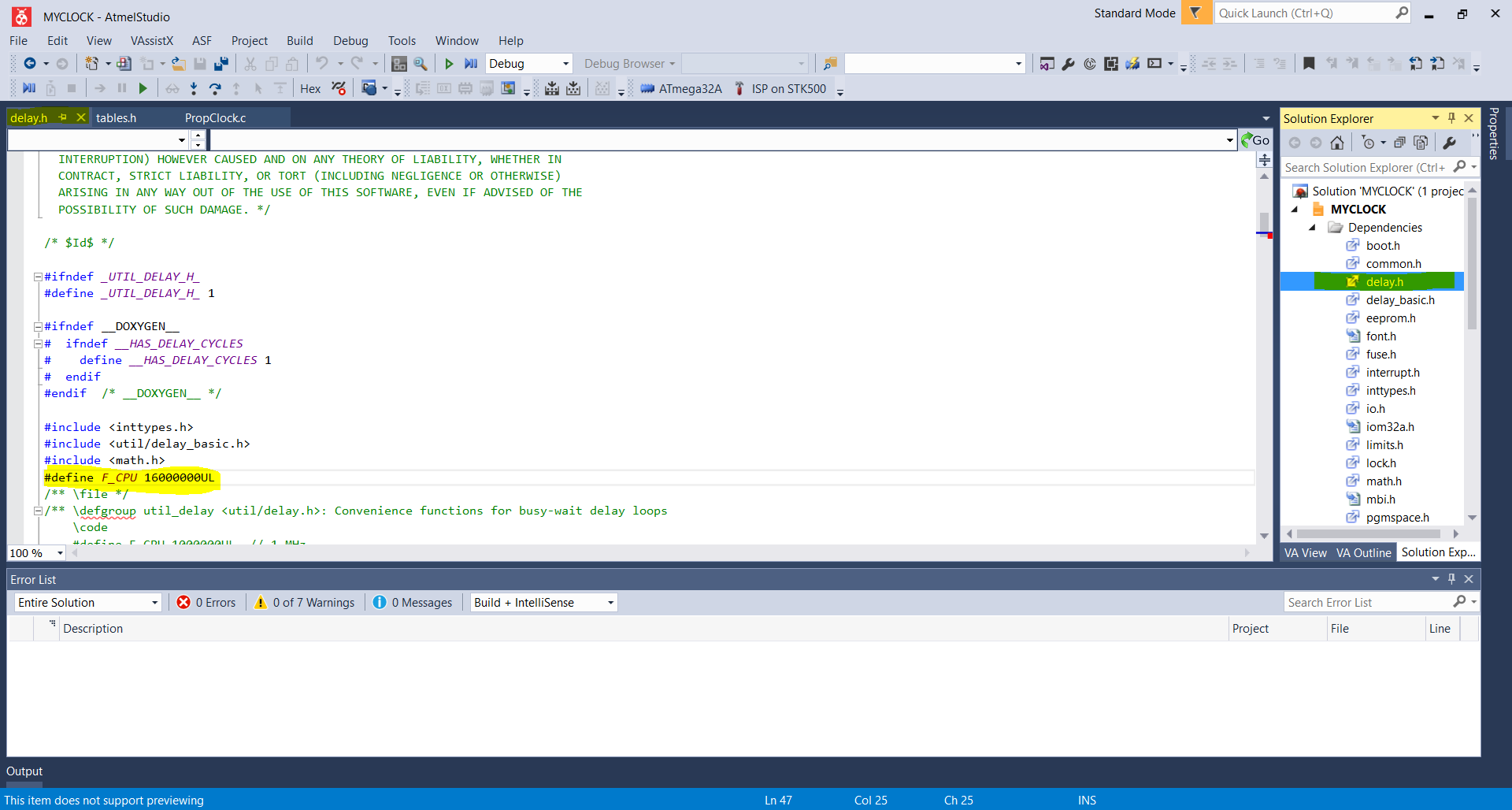
 After programming the time, it did not take on new values ...