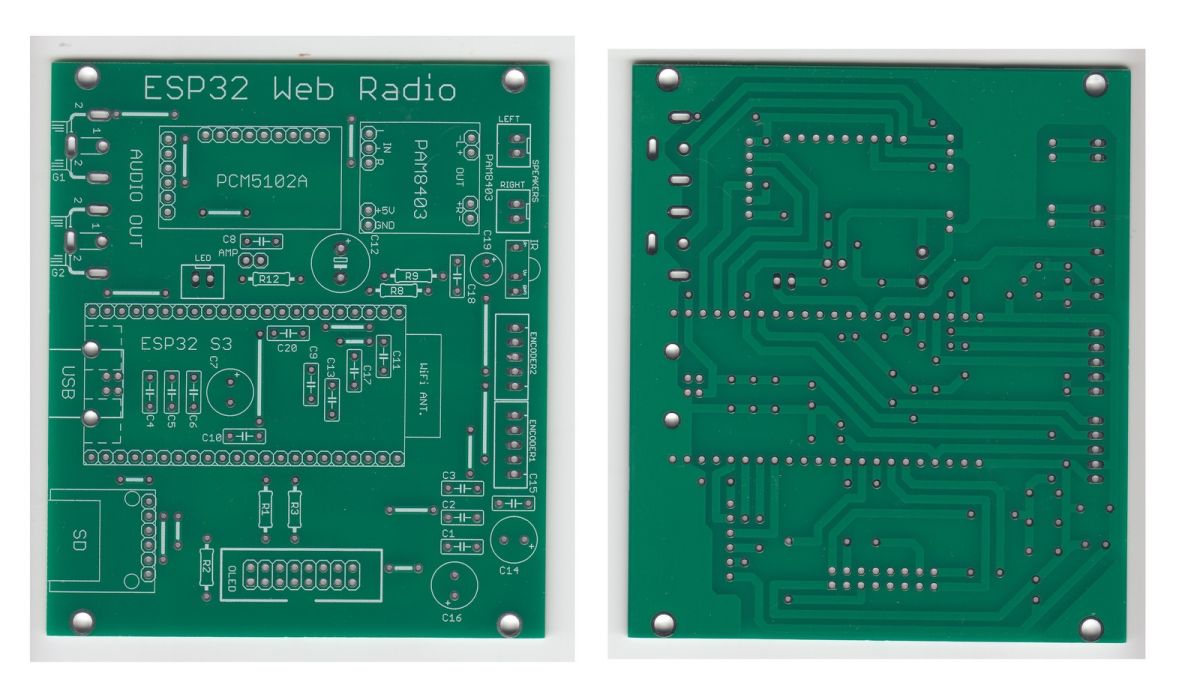
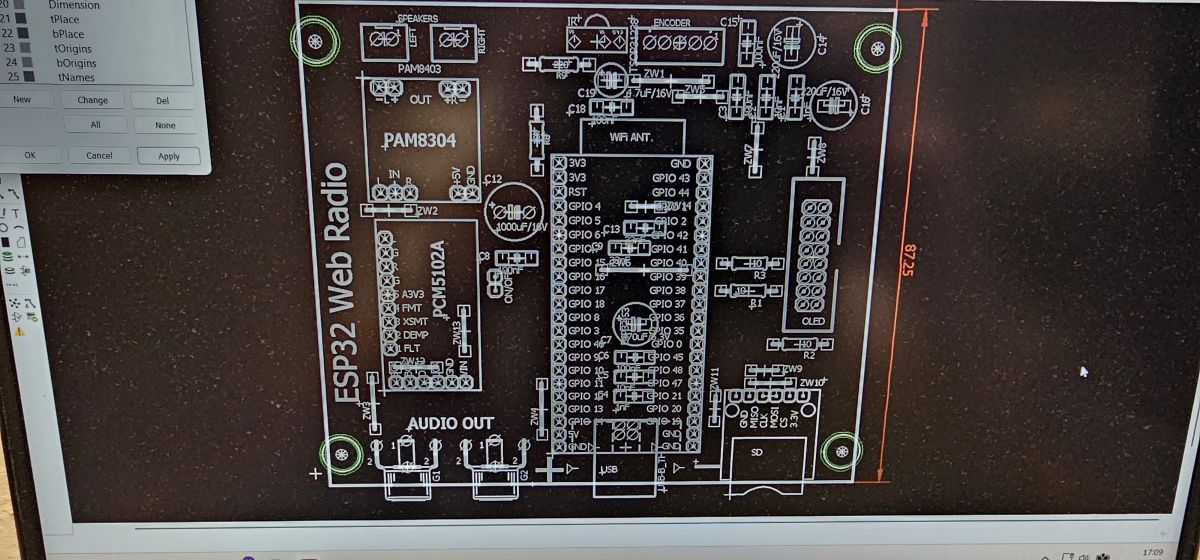
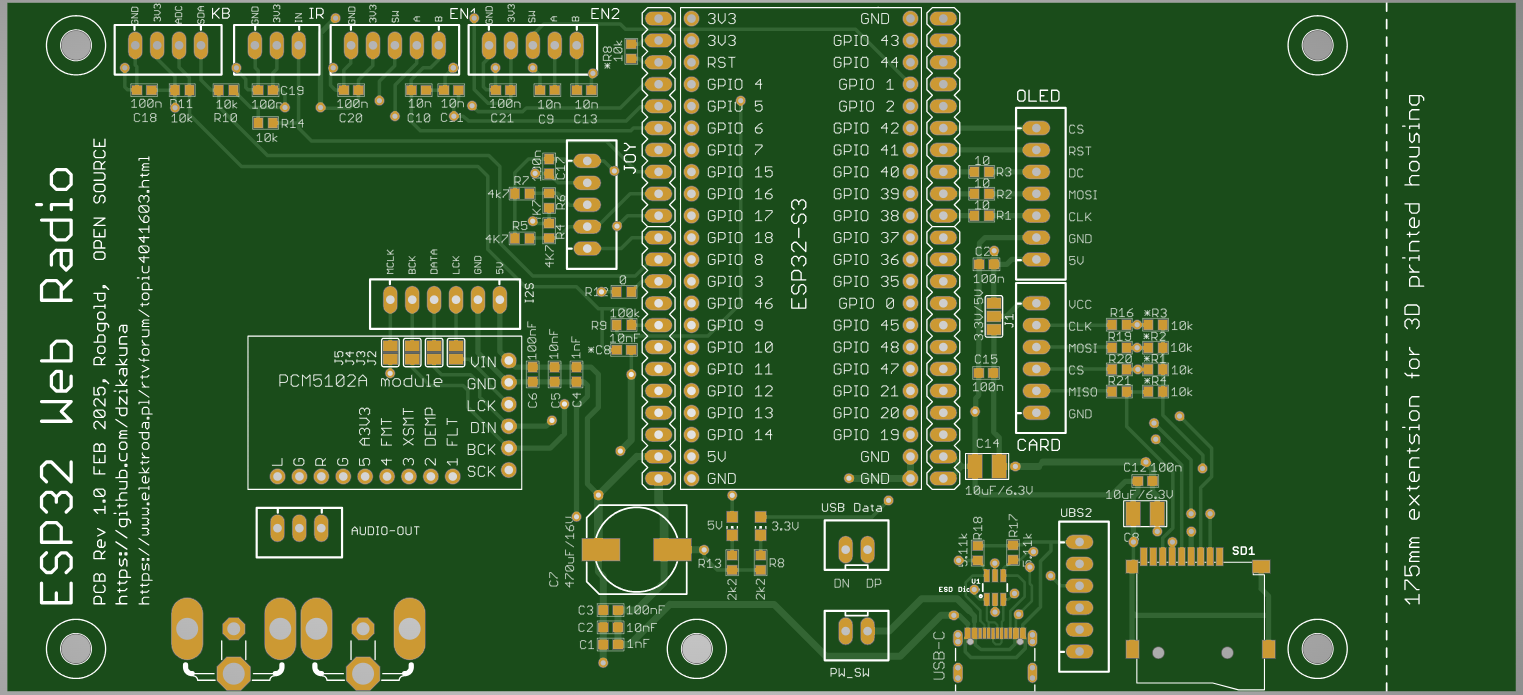
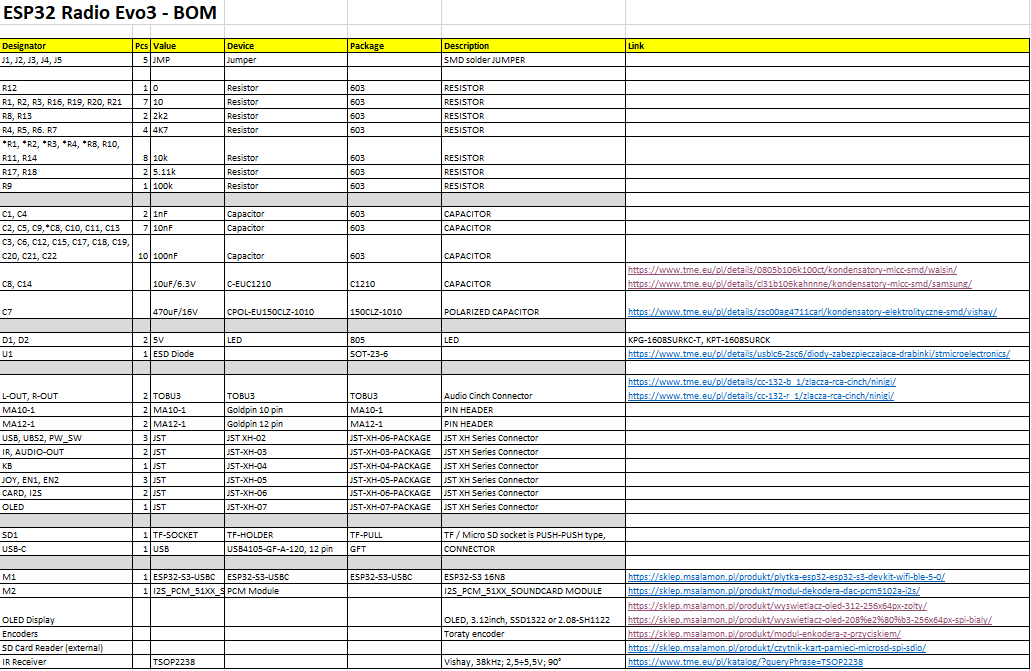
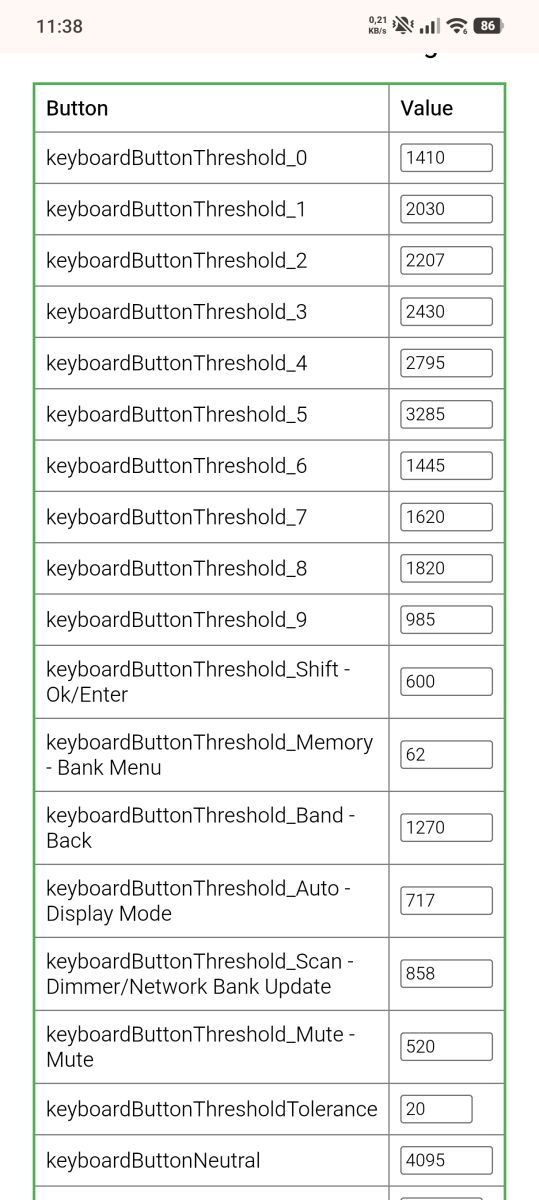
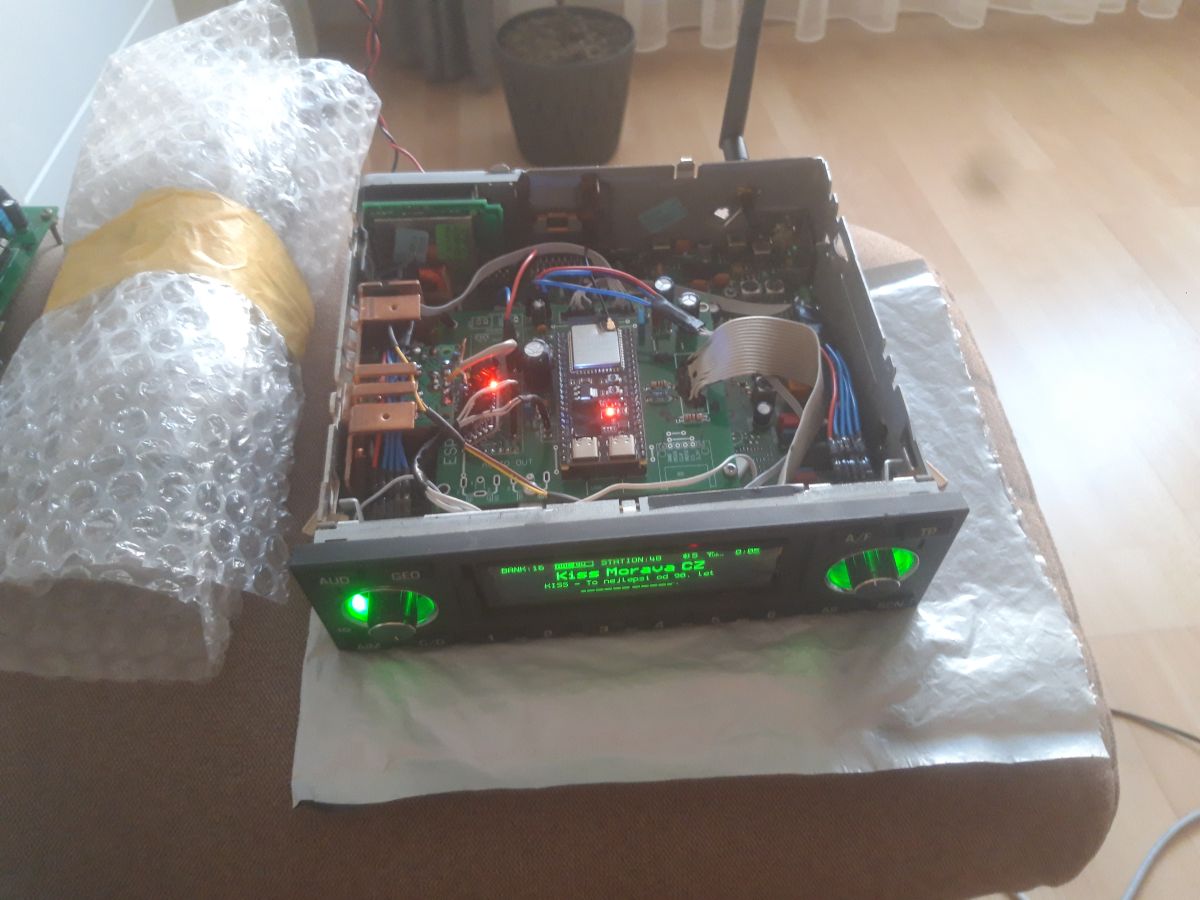
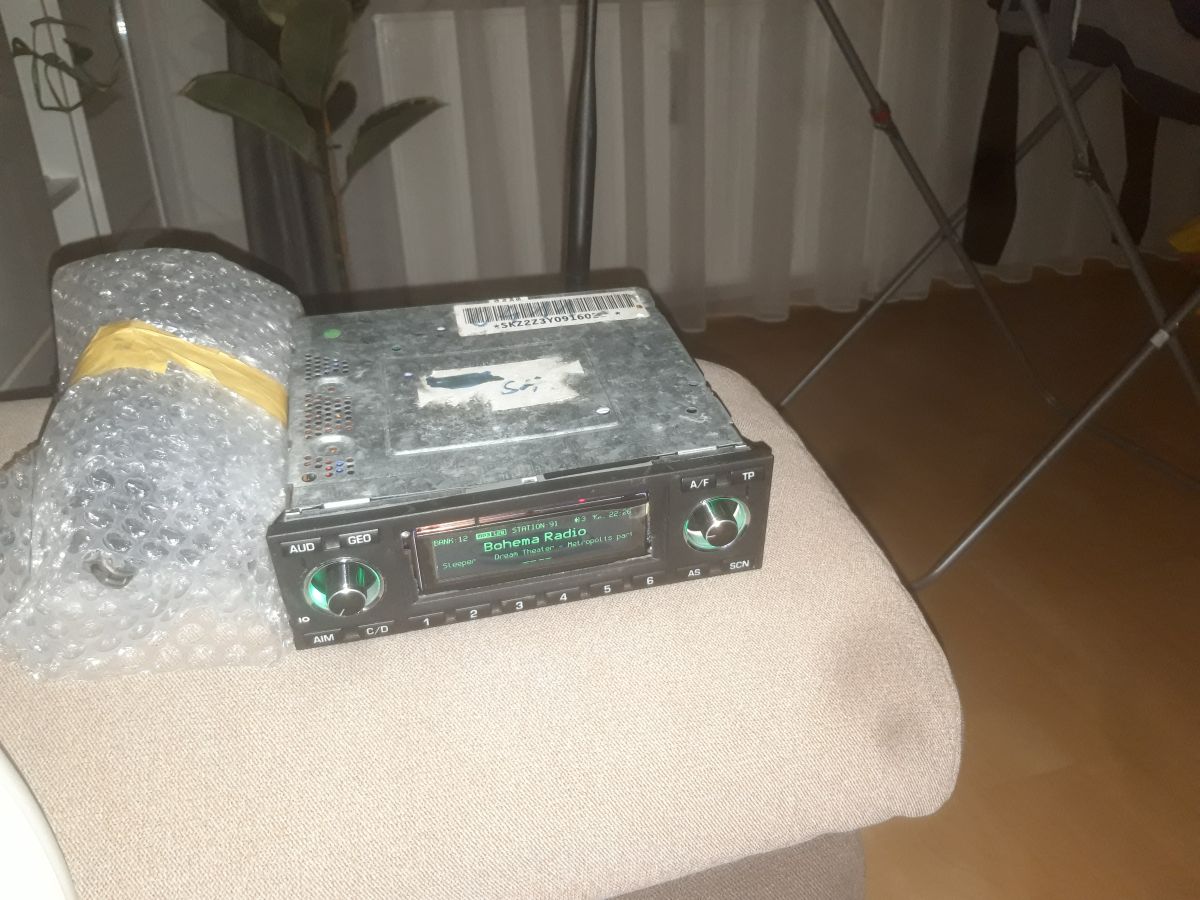
>>21845304 This was the assumption at the beginning but, as we know, assumptions change over the life of a project. This was also the case with the standby LED. In the code itself, the IR (LED) and standby LED are separated from each other even though they are now assigned to one GPIO pin.
#define STANDBY_LED 17 // LED to indicate standby mode
#define IR_LED 17 // IR receiver activity LED
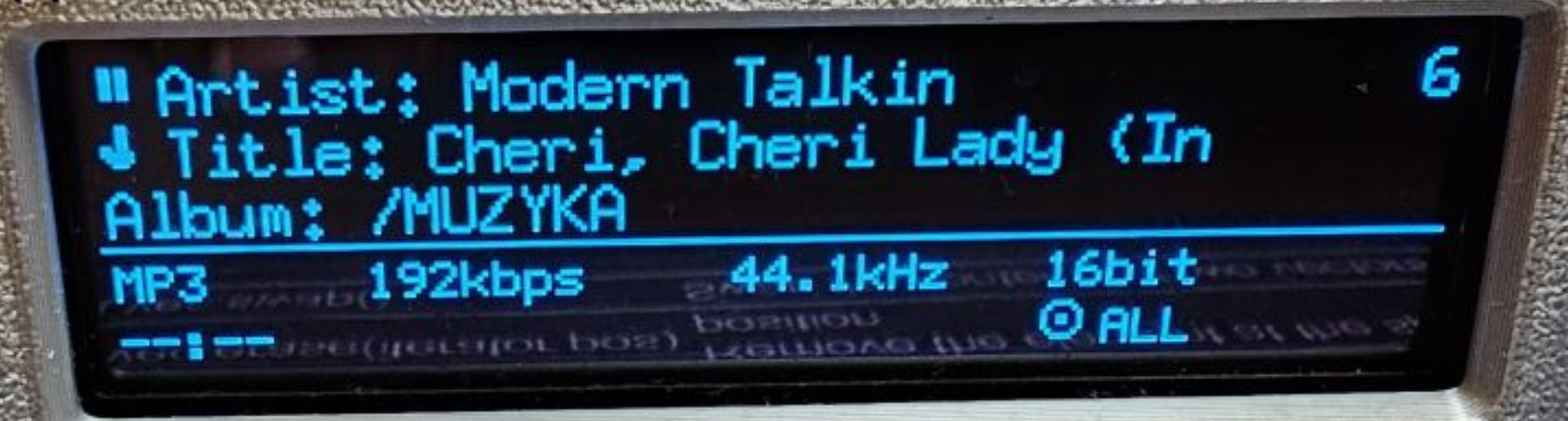
Now in the new software I have made the Standby LED behave like the one in Denon's DNP streamers or Marantz. It flashes during startup, goes off when we get a connection and play a station, lights up when we are in Standby mode. In addition, it flashes quickly when the radio fails to connect to the WiFi network. Finally, the radio can be used without the OLED display, so we have some information about what the ESP is doing when it is powered up before the web server "gets up".
@DJCheester Thanks for the kind words. In fact it was
@MAJSTER XXL who started it all. he "woke up" in me again the desire to get back to building internet radio. Earlier attempts on the raspberryPi were successful but the start-up time of such a radio was far from what we have in Evo. And the greatest value for me is how much I remembered or learned from programming in C. As a flesh and blood electronics technician, however, hardware has always been closer to me than software.
I recommend everyone to do an exercise like this, jump into someone else's code (which is the hardest part) and then rebuild it to your image/expectation. Choc basically everything in Evo has been rebuilt

It's also my first public project so it's all the more satisfying when I see you all enjoying it.
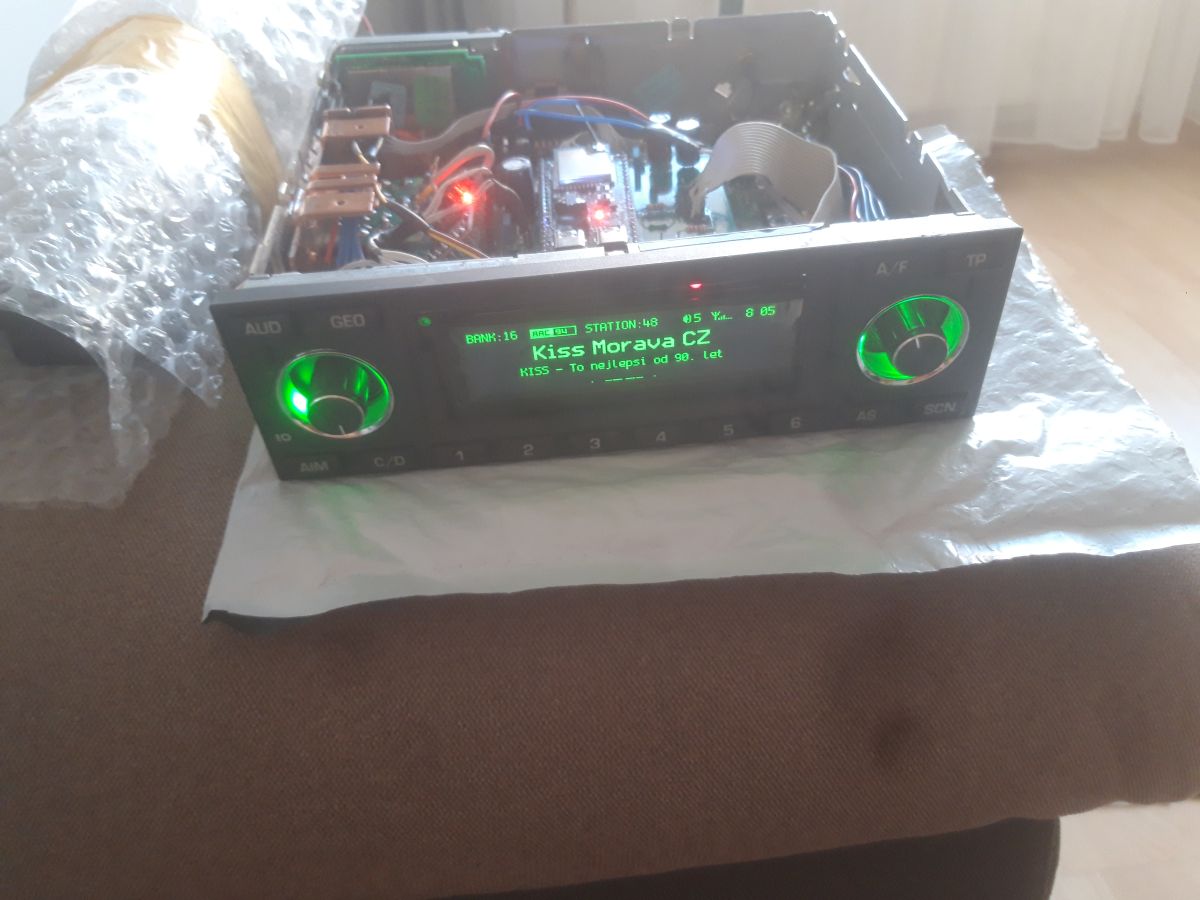
@supsak Interesting concept. Basically in such a car radio we have everything such a radio needs on the panel, buttons, knobs, space for the display. I'll keep a little secret and say that you should be all the more interested in the latest version 3.20.0x which I'll upload to GitHub today or during the week.
@gulson Thank you. I'll get back to you on priv.