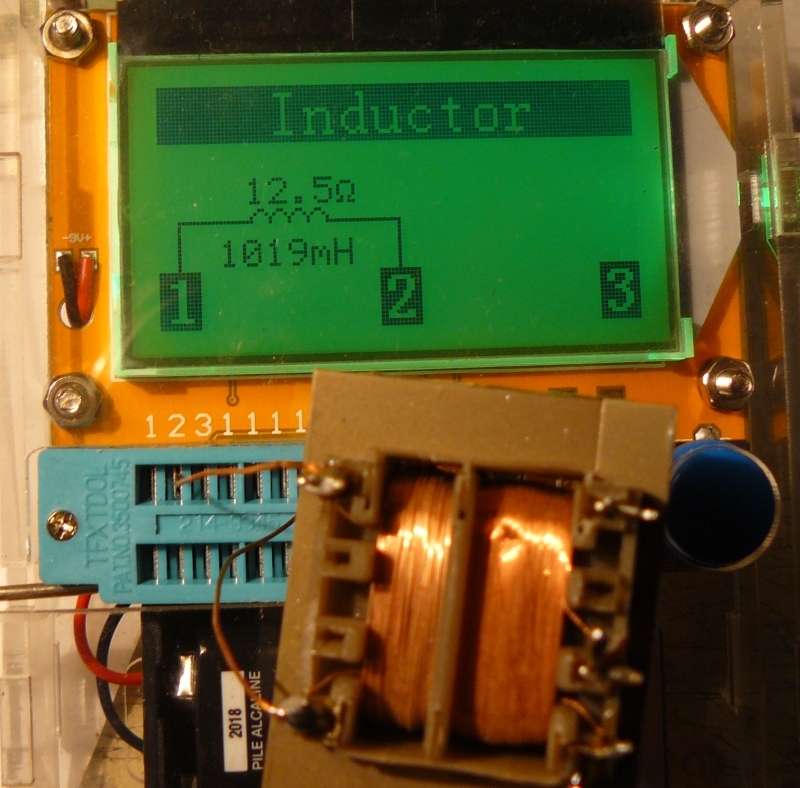
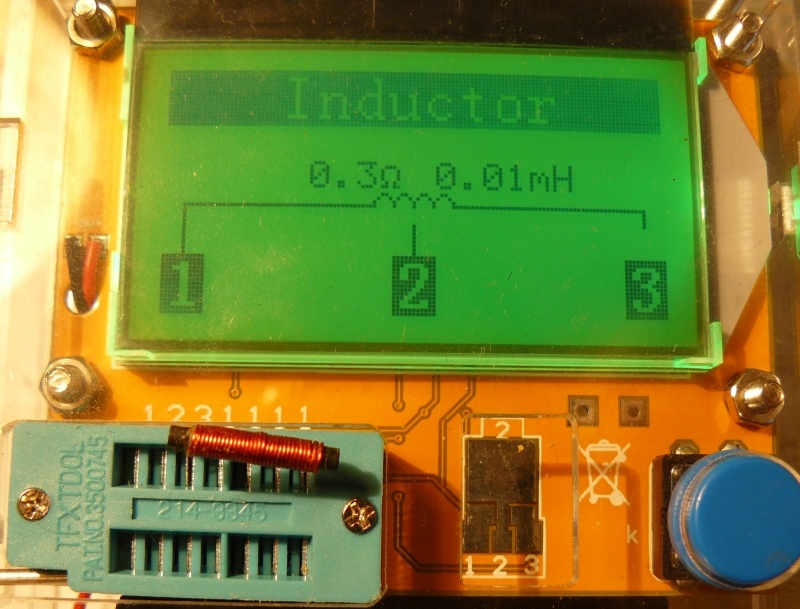
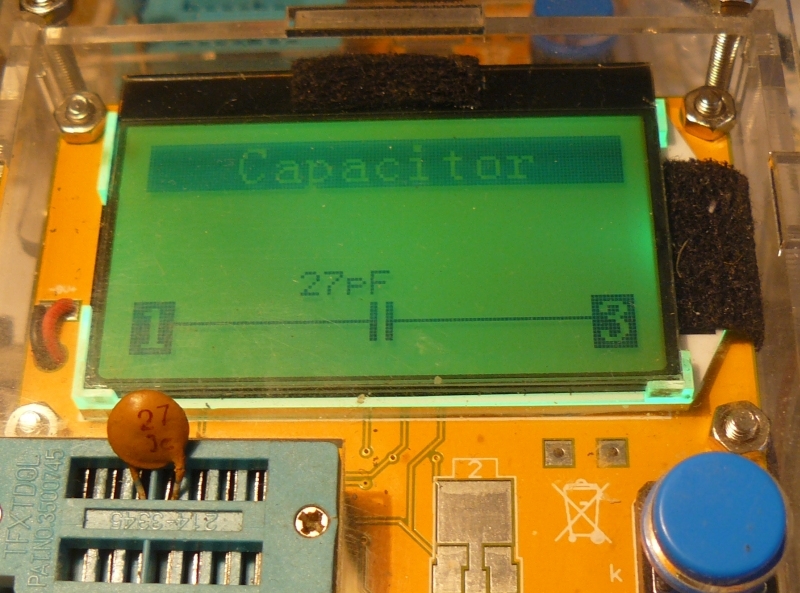
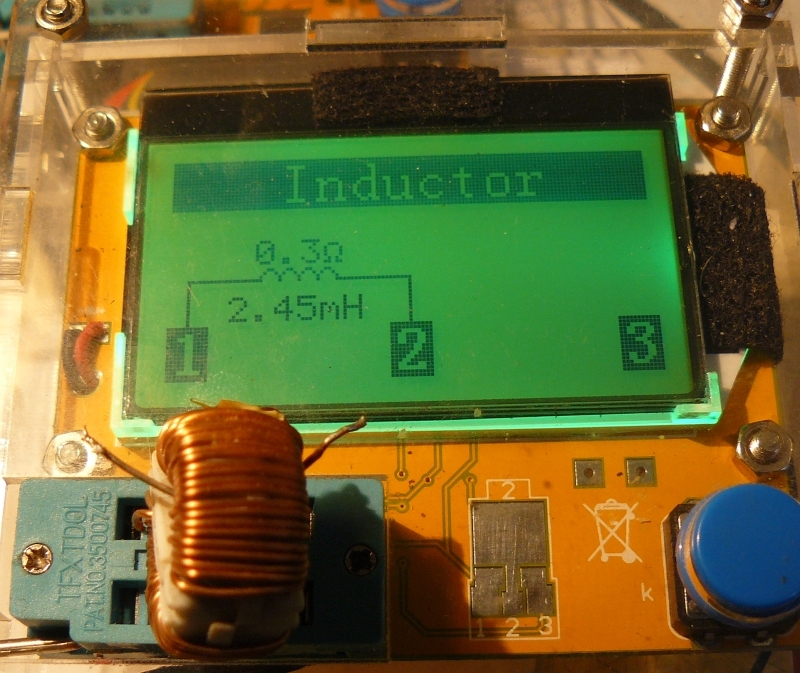
AdamC wrote: I have not seen capacitors of this type in capacitor meters.
A colleague did not meet much

In my tester Fri T7, which perfectly matches the TC1 tester diagram, which in turn can be viewed in this topic:
https://www.elektroda.pl/rtvforum/topic3402823.html there is a security element titled.
SRV05-4 (there are application notes on the net). I was saved by a processor in one of these testers, although it was "short-circuited" by myself. But after removing the element, the meter came to life, However, in another copy of the tester, unfortunately, the item failed and ended in processor damage. I would like to add as a curiosity that this first tester was damaged by ... the same tester. Namely, the T7 tester (also TC1) enables measurement of Zener diodes. On the terminals K and A (in the above-mentioned thread are pictures), a voltage of approx. 40V appears. I accidentally put a capacitor in it, and when I realized it, I translated it into the right terminals without thinking. Without unloading ...
or rather

That is why K and A are currently covered with a piece of adhesive tape, which I remove only during measurements of Zener diodes, which take place quite rarely.
Quote: The only security is the inscription: BEFORE MEASURING, UNPLUG THE CONDENSER !!! And from the company practice, there will always be someone who will connect a charged capacitor, damaging the meter.
Of course, I agree with the above. Nevertheless, a colleague who has been damaged by the tester may look at the tape to see if there is a security element in his device, similar to the one I mentioned above. Greetings.









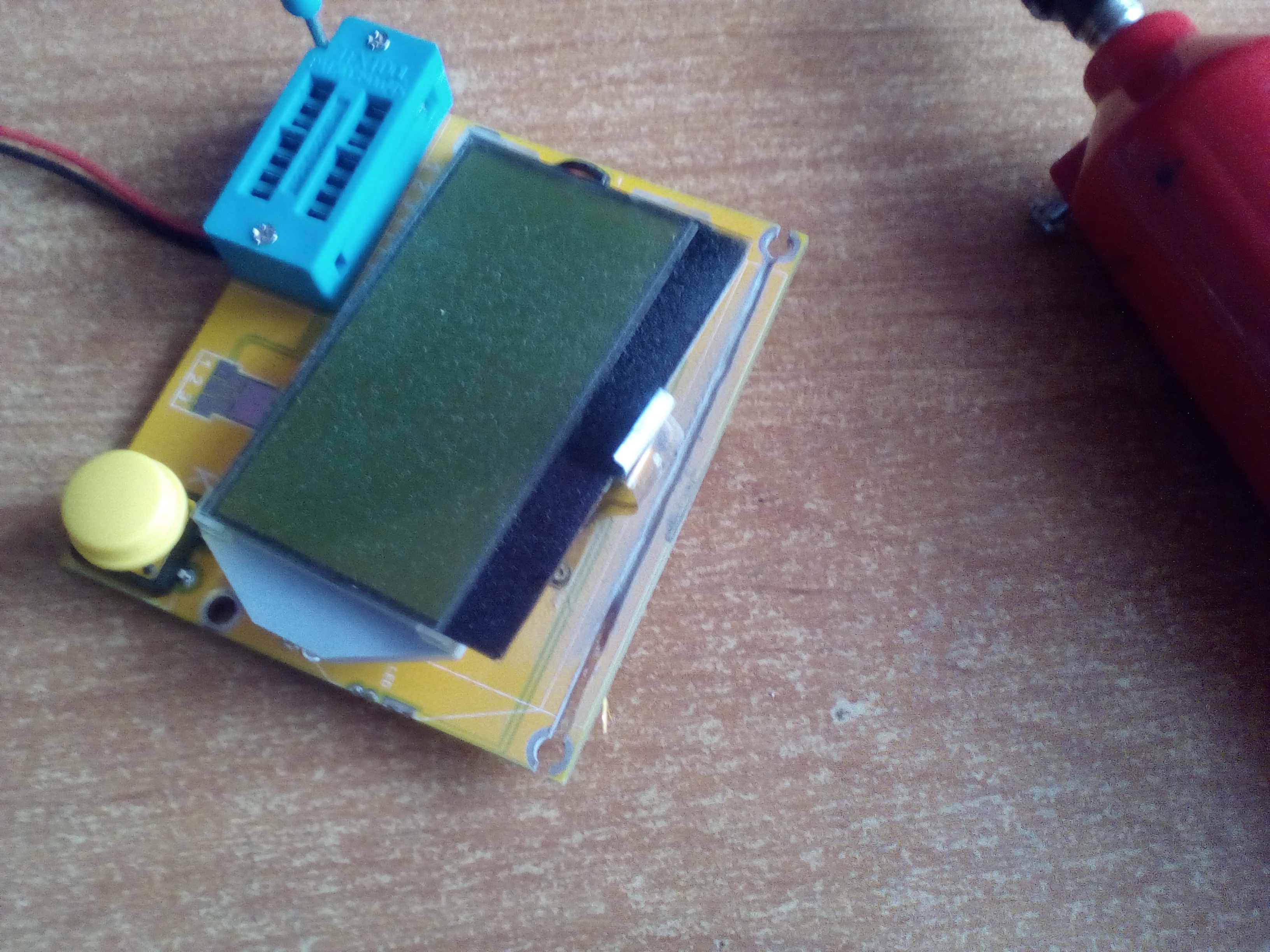
 I managed it this way. It was necessary to detach the display in order to cut off a piece of pcb and additional milling of mounting holes because the button is also slightly moved.