logo elektroda
logo elektroda
X
logo elektroda

LCR-T4 electronics components tester ATMega328 - Test and Review

TechEkspert 221181 650
ADVERTISEMENT
Treść została przetłumaczona polish » english Zobacz oryginalną wersję tematu
📢 Listen (AI):
  • #421 16767514
    bestler
    VIP Meritorious for electroda.pl
    Posts: 5277
    Help: 254
    Rate: 892
    I have a little different model, with no quartz holes.
  • ADVERTISEMENT
  • #422 16767598
    Anonymous
    Anonymous  
  • #423 16831296
    mrrudzin
    Level 39  
    Posts: 5940
    Help: 516
    Rate: 580
    Abroad on one auction site you can get for $ 10- $ 15 (the more expensive version is with housing) already with shipping costs. We are looking for the LCR-T4
  • #424 16836435
    CMS
    VIP Meritorious for electroda.pl
    Posts: 8440
    Help: 256
    Rate: 2581
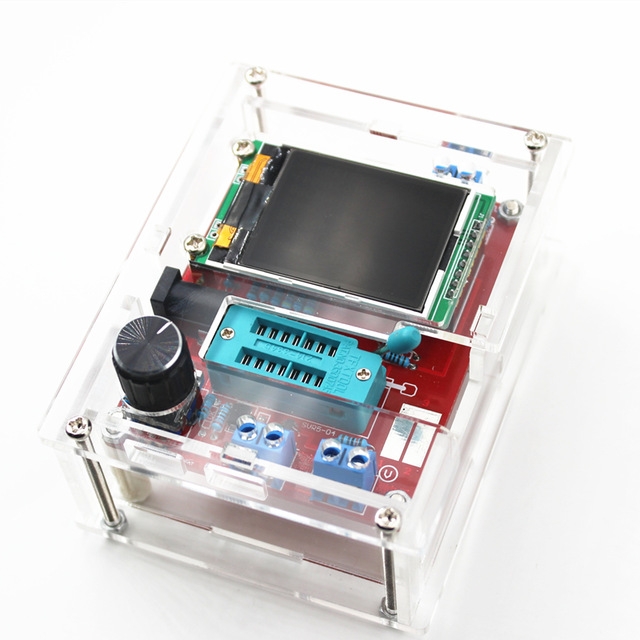
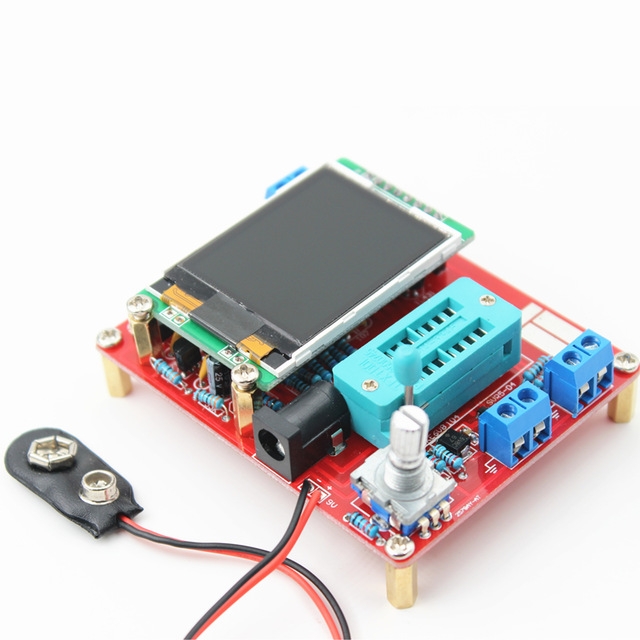
    I happened by chance for a much nicer tester - GM328 . LCR-T4 electronics components tester ATMega328 - Test and Review LCR-T4 electronics components tester ATMega328 - Test and Review A version without a case for today available for $ 10.33, and with a housing for $ 14.71. Remember that it is a kit for its own assembly. It has several interesting functions, such as rectangle generator, PWM generator, fast capacitance measurement and ESR and others. LCR-T4 electronics components tester ATMega328 - Test and Review

  • ADVERTISEMENT
  • #425 16837465
    398216 Usunięty
    Level 43  
    Posts: 34021
    Help: 3914
    Rate: 9193
    The Chinese put the case poorly in the picture ... :)
  • #426 16837726
    CMS
    VIP Meritorious for electroda.pl
    Posts: 8440
    Help: 256
    Rate: 2581
    398216 Usunięty wrote:
    The Chinese put the case poorly in the picture ... :)
    I was wondering if anyone would pay attention to it. Well done, buddy.
  • #427 16839726
    CMS
    VIP Meritorious for electroda.pl
    Posts: 8440
    Help: 256
    Rate: 2581
    I ordered this new tester. I hope he will arrive before Christmas. How it gets, I'll try to get a photo relation, submission and testing.
  • #428 16849140
    pawol
    Level 22  
    Posts: 772
    Help: 18
    Rate: 129
    I compiled the last soft 113k under the electrode version of LCR-T4 (so-called no strip grid). The corresponding makefiles are also in the middle. Pinout ISP looking from the bottom of the PCB: MISO xo VCC SCK o. MOSI RST o. GND fuse bits: eFuse: FC hFuse: D9 lFuse: FF
    Attachments:
    • LCR-T4_113k_nostripgrid_16_MHz.zip (33.28 KB) You must be logged in to download this attachment.
    • LCR-T4_113k_nostripgrid_8MHz.zip (29.87 KB) You must be logged in to download this attachment.
  • #429 16852815
    krzysiek7
    Moderator of Electricians group
    Posts: 4836
    Help: 676
    Rate: 1913
    I received the Electrode Tester today, but the joy only lasted until the unpacking, the display of the parcel or the packaging did not survive. LCR-T4 electronics components tester ATMega328 - Test and Review
  • #430 16852921
    rafcio_21
    Level 29  
    Posts: 1110
    Help: 137
    Rate: 292
    pawol wrote:
    I compiled the last soft 113k under the electrode version of LCR-T4 (so-called no strip grid). The corresponding makefiles are also in the middle. Pinout ISP looking from the bottom of the PCB: MISO xo VCC SCK o. MOSI RST o. GND fuse bits: eFuse: FC hFuse: D9 lFuse: FF
    And you could write how it differs from the 112 version, does it have something more?
  • #431 16853038
    Anonymous
    Anonymous  
  • #432 16853069
    krzysiek7
    Moderator of Electricians group
    Posts: 4836
    Help: 676
    Rate: 1913
    For me in the box only tester, housing and pen, no protection, foam or anything. As at the post office they started to flip it out, it's unbelievable that it burst. PW I just sent to Gulson. Added after 14 [minutes]:
    Christophorus wrote:
    It presses on the corner of the display causing it to crumble.
    On this film, in the place of the crack, you can see marks of dents from this display. Probably filling with foam in a box would give a positive effect.
  • ADVERTISEMENT
  • #433 16853125
    pawol
    Level 22  
    Posts: 772
    Help: 18
    Rate: 129
    For the original original soft in the attachment. As for the difference between the 113k version, the Fss Idss measurement, the UJT and PUT single transistors patch are definitely added. The functions are activated. First of all, the menu is configured like the original soft. Somewhere, I saw the changelog 113k but somehow I can not find it now. The original is on 8MHz. The 113k version at 16MHz has an active resolution of 1/10 pF capacity. This is already visible during calibration because it requires a 100nF and 10nF capacitor. The 113k version on 8MHz has normal capacitance resolution and requires only 100nF capacitor when calibrating.
    Attachments:
    • original.zip (19.42 KB) You must be logged in to download this attachment.
  • #434 16853895
    gumisie
    Level 43  
    Posts: 17786
    Help: 1667
    Rate: 2473
    krzysiek7 wrote:
    I received the Electrode Tester today, but the joy only lasted until the unpacking, the display of the parcel or the packaging did not survive.
    Christophorus wrote:
    I wonder if it is not the fault of the excessively shrunken protective film in which the tester is packaged.
    Gentlemen, maybe it's the fault of the person who "unwraps" the package. I waited for about two weeks for the postman and suddenly "din_dong", your postman with the package. Before I signed the receipt, my legs were itching to open the packet as soon as possible. Kicha, I can not do it. Because this "nasty" sender has secured the package so that it will not be damaged. A moment of patience, it has succeeded, there is a broken tester and something :?: (screwdriver) :!: :D
  • #435 16854103
    gulson
    System Administrator
    Posts: 29238
    Help: 148
    Rate: 5984
    Since the shipments go as parcels, this is the first damage, so it's not bad. The user will, of course, be satisfied that he has made a display, how to win the lottery ;)
  • #436 16859994
    TechEkspert
    Editor
    Posts: 7049
    Help: 16
    Rate: 5459
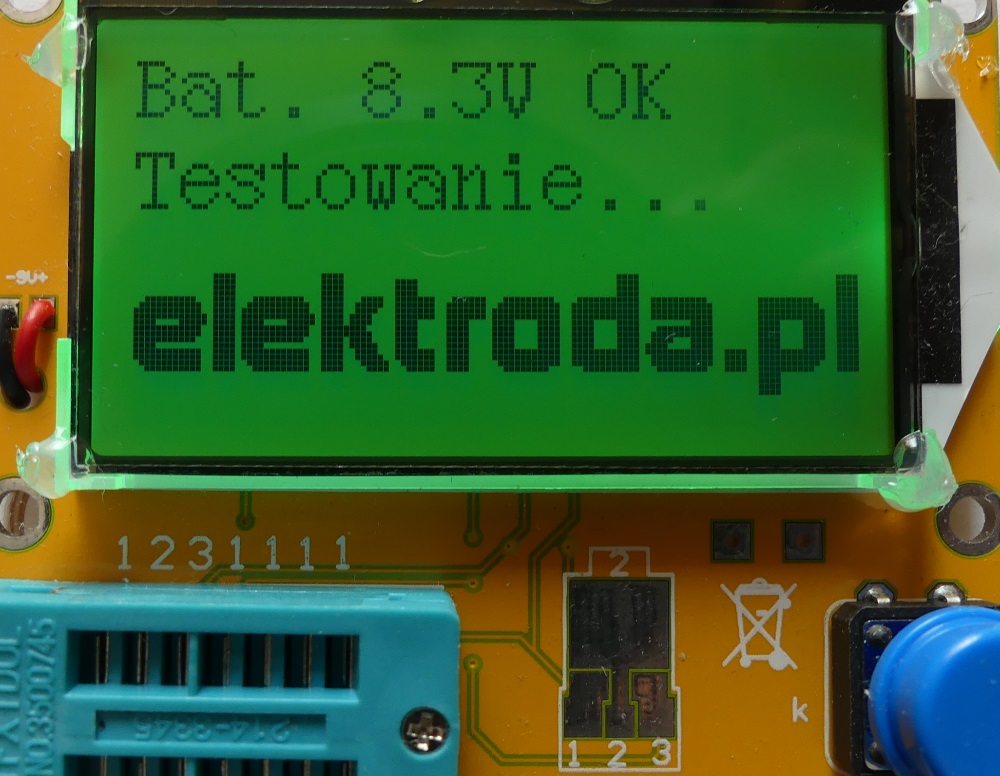
    It's great that changing the shipping method has reduced the number of damages. For someone who is waiting for a shipment, the damaged goods can be disappointing. @ krzysiek7 if you like to experiment, then below is the bonus for you, the file from the firmware from the elektroda.pl logo , you can upload to a new copy ;) LCR-T4 electronics components tester ATMega328 - Test and Review
    Attachments:
    • M328_elektroda.pl.zip (33.4 KB) You must be logged in to download this attachment.
  • #437 16862127
    krzysiek7
    Moderator of Electricians group
    Posts: 4836
    Help: 676
    Rate: 1913
    I, like myself, have my own years but if I persuade young people, maybe they will try it. :D It's a bit humorous, but seriously, maybe we will tempt one day. Thank you.
  • #438 16862133
    bestler
    VIP Meritorious for electroda.pl
    Posts: 5277
    Help: 254
    Rate: 892
    @ krzysiek7 I remember well that we are almost neighbors?
  • #439 16862150
    krzysiek7
    Moderator of Electricians group
    Posts: 4836
    Help: 676
    Rate: 1913
    Well, you agree, you have good memory. Hungarians are more or less halfway between us. :D
  • #440 16887286
    gulson
    System Administrator
    Posts: 29238
    Help: 148
    Rate: 5984
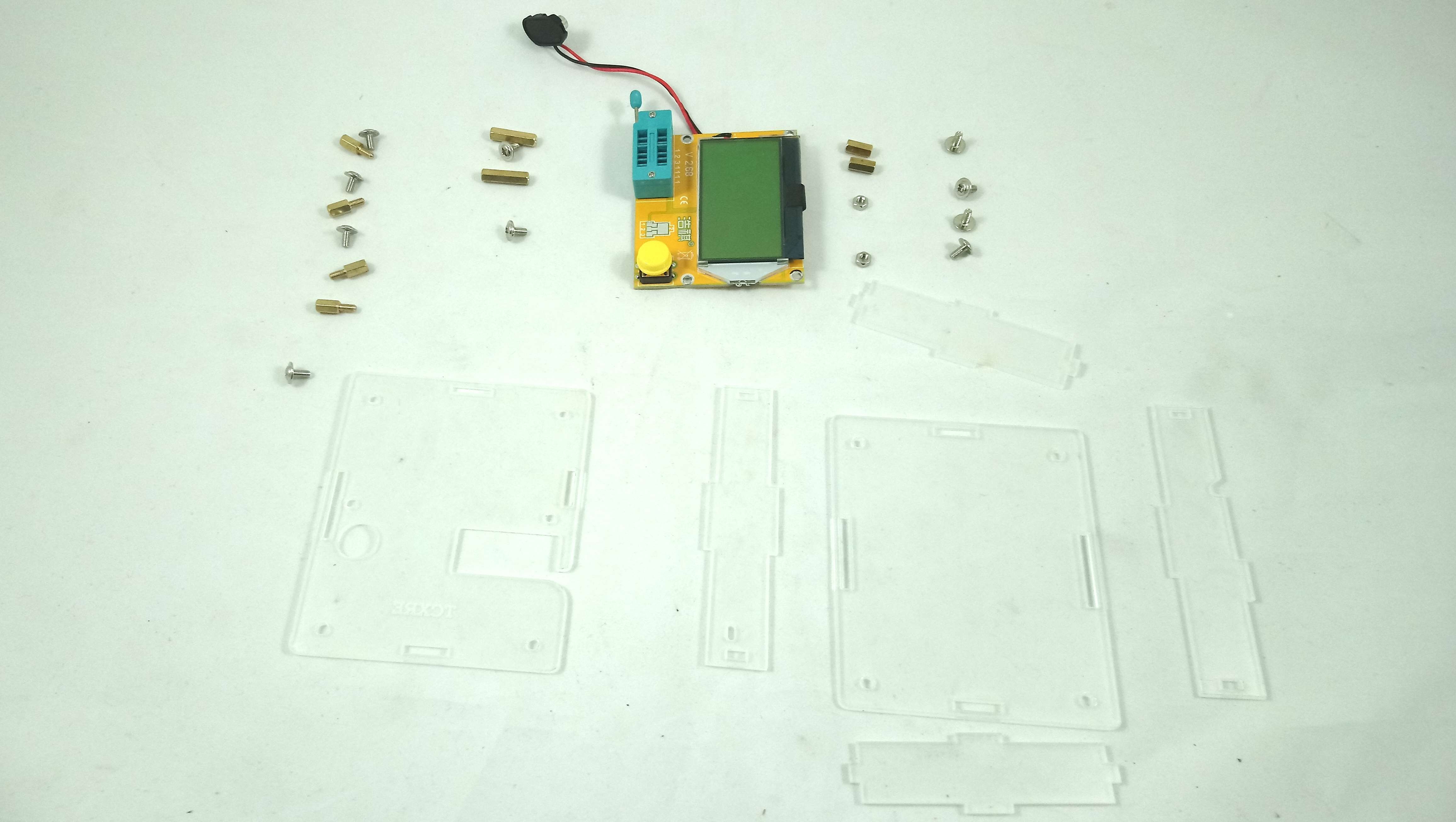
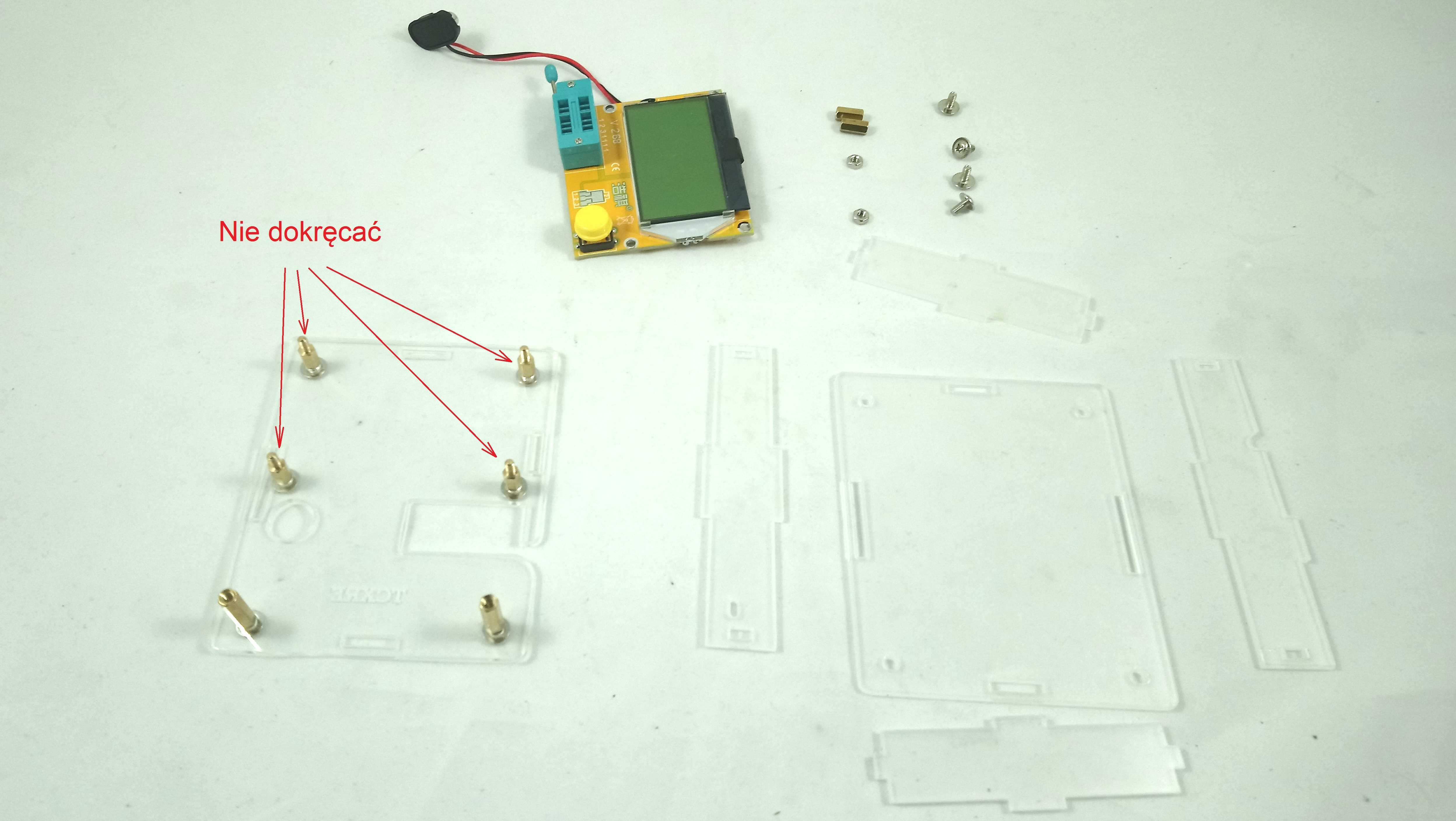
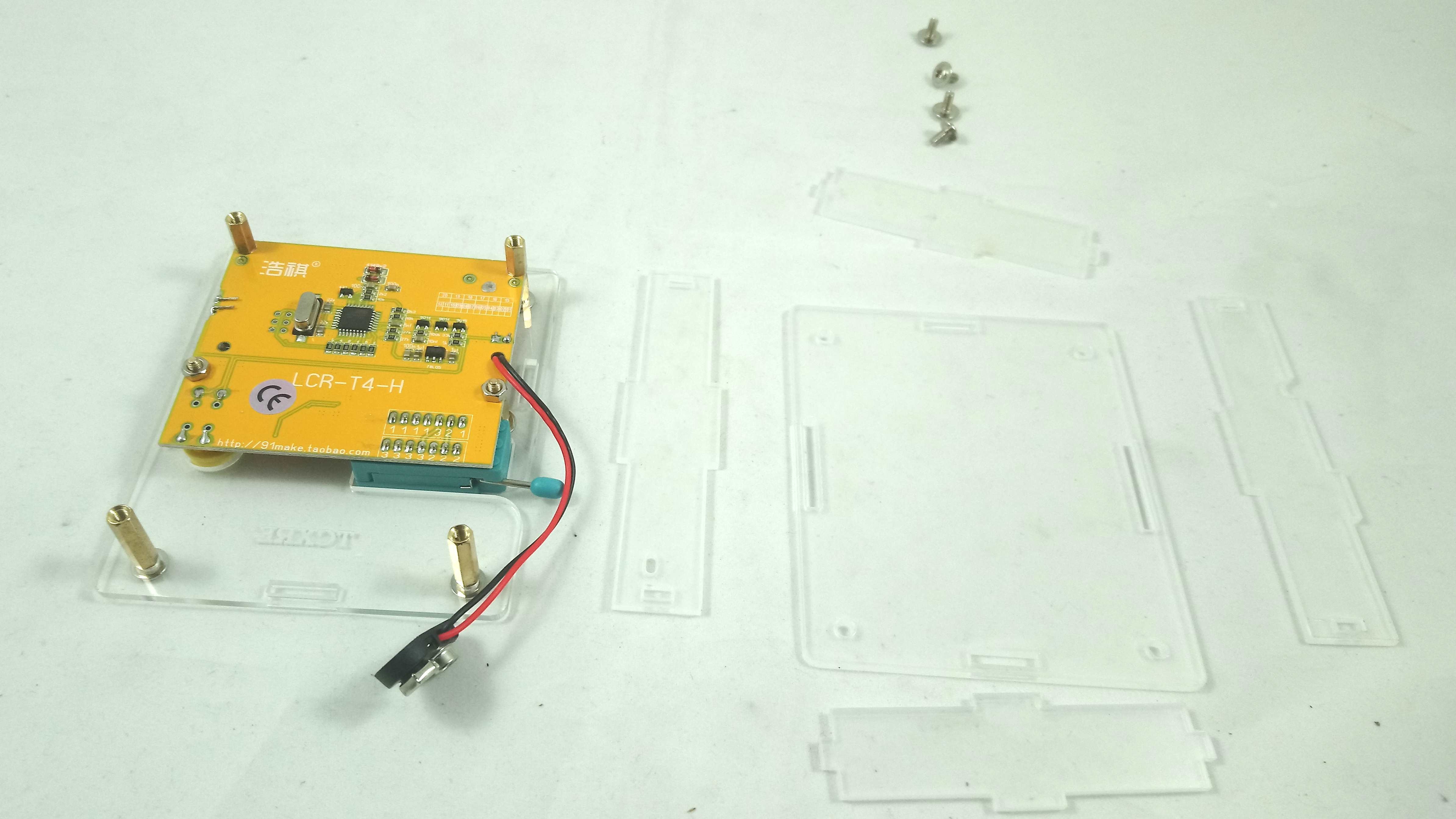
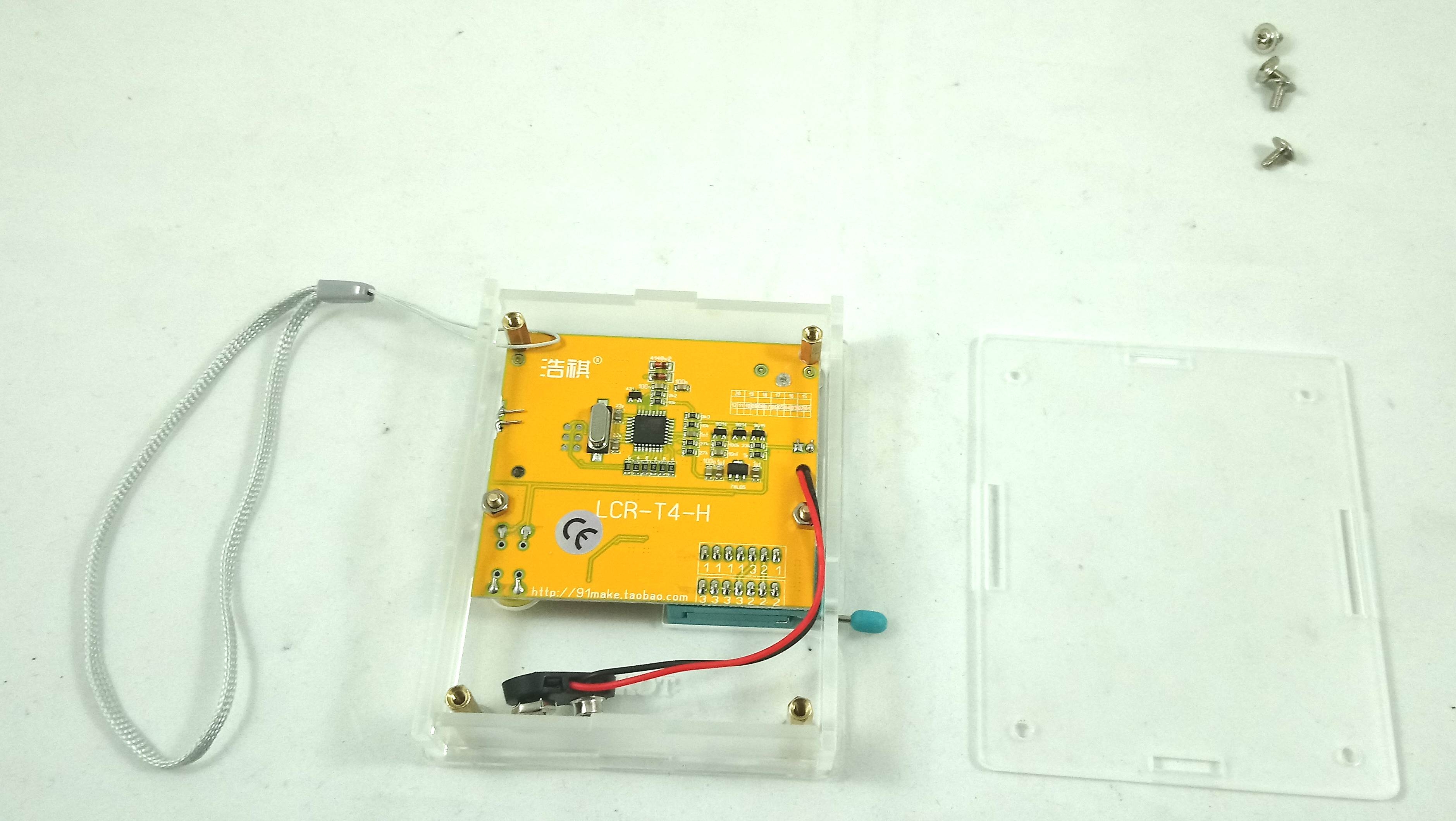
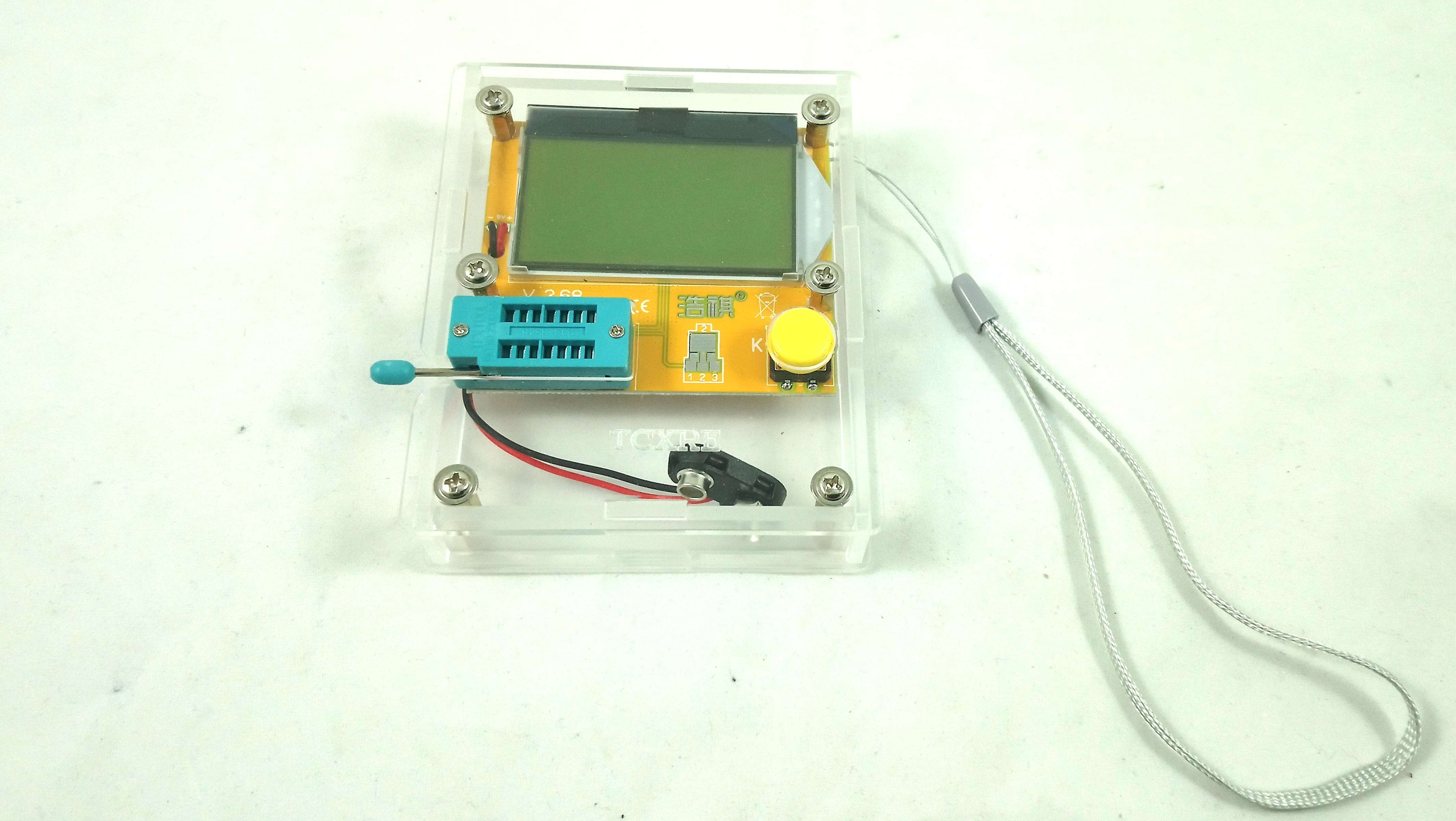
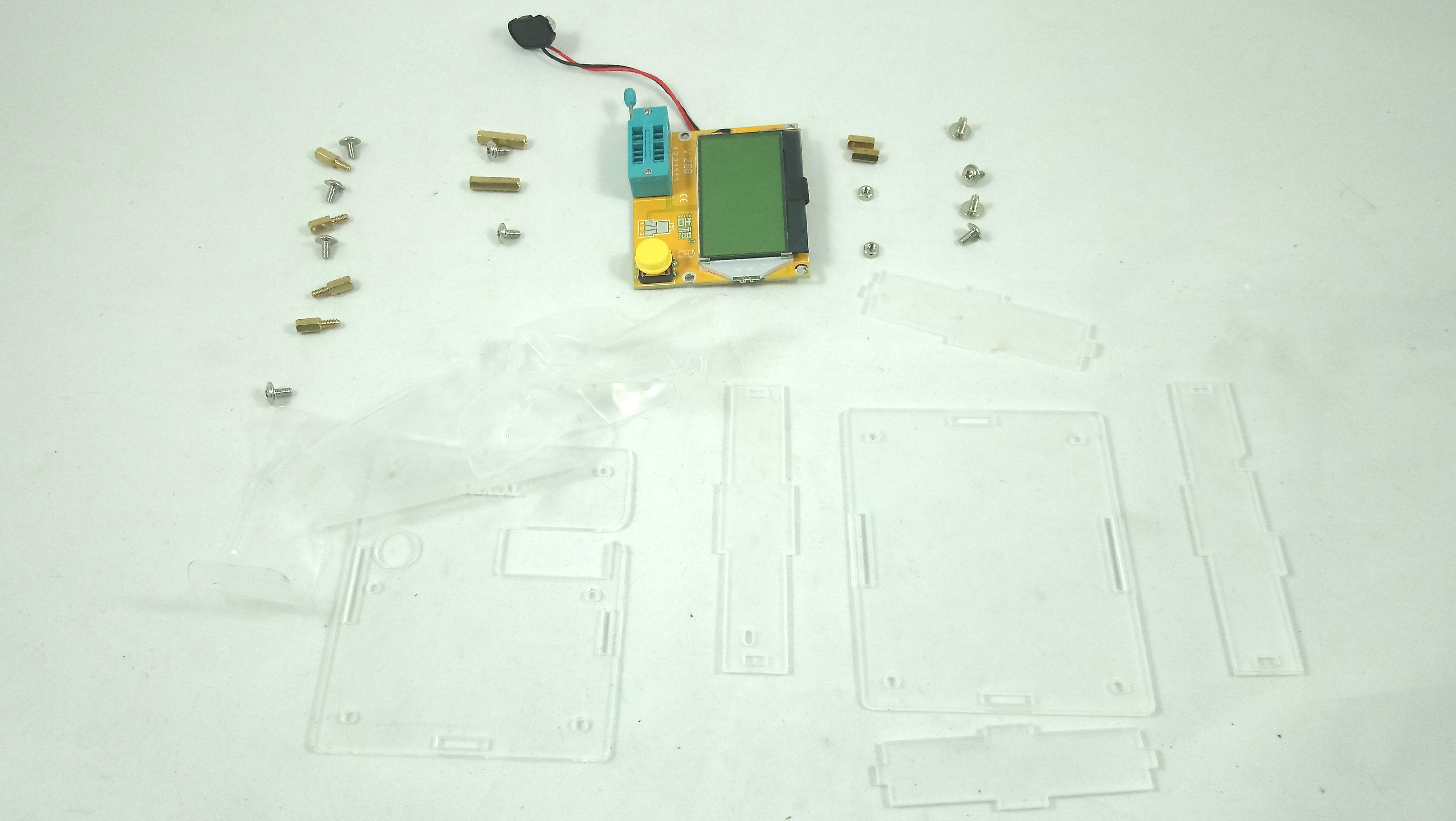
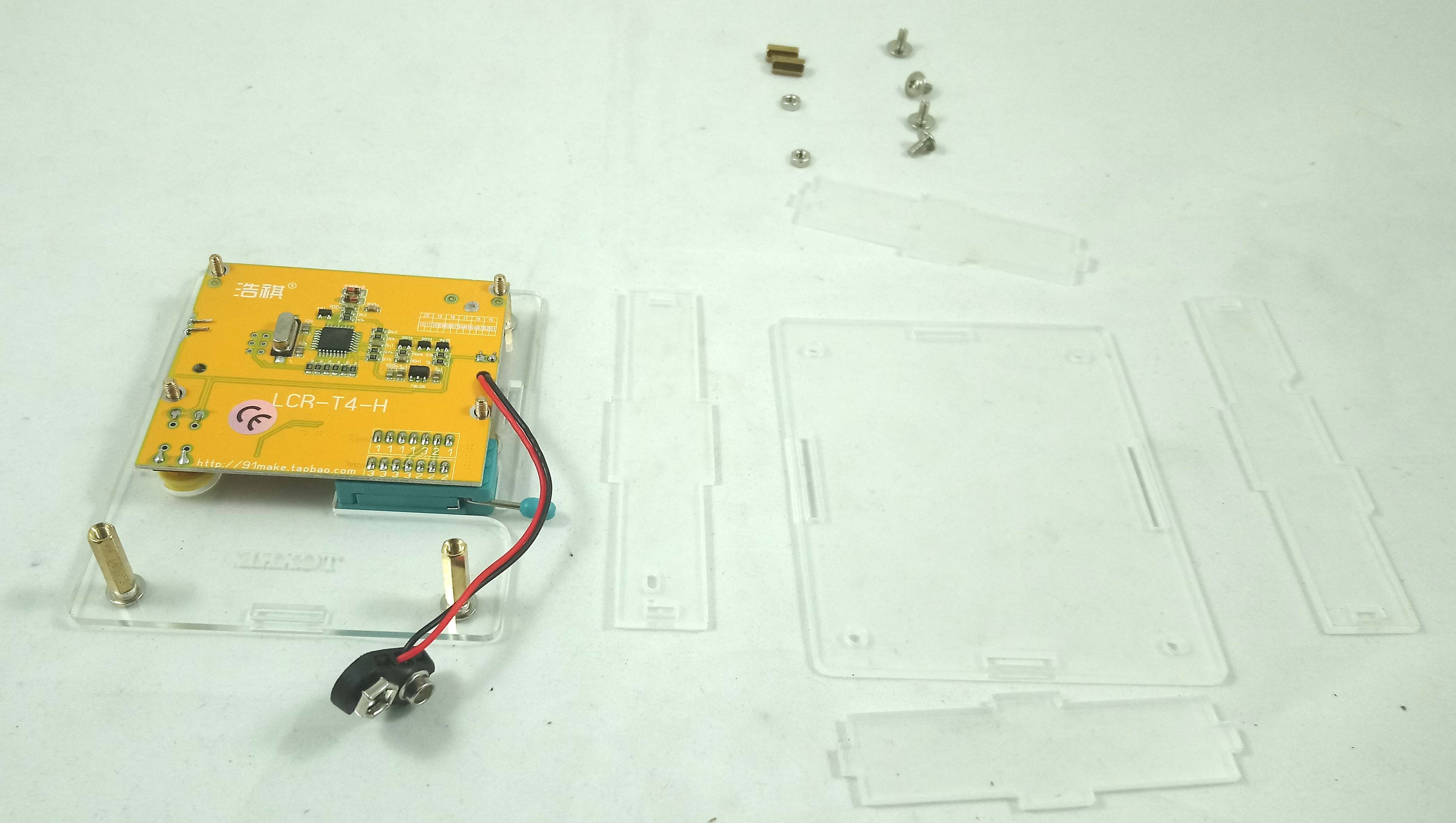
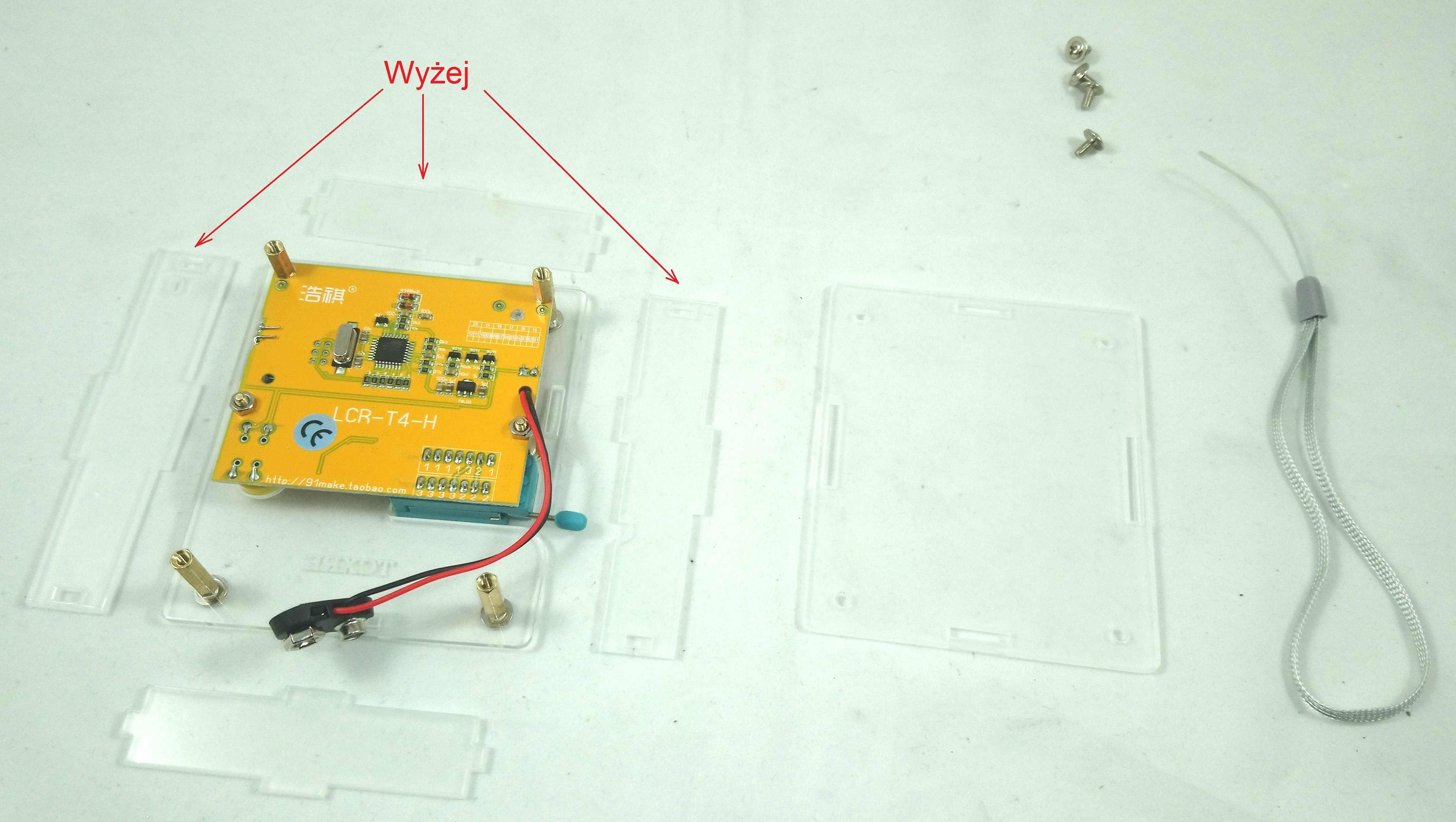
    In the New Year's shop there will be new testers with updated software and a different casing. The display is protected and glued this time. New housing, a new way of folding: LCR-T4 electronics components tester ATMega328 - Test and Review Remove the protective film (it is transparent): LCR-T4 electronics components tester ATMega328 - Test and Review Do not tighten: LCR-T4 electronics components tester ATMega328 - Test and Review Position so that the button does not rub and tighten: LCR-T4 electronics components tester ATMega328 - Test and Review And now ATTENTION! The housing is profiled (with the display higher): LCR-T4 electronics components tester ATMega328 - Test and Review LCR-T4 electronics components tester ATMega328 - Test and Review LCR-T4 electronics components tester ATMega328 - Test and Review LCR-T4 electronics components tester ATMega328 - Test and Review
  • #441 16887368
    vodiczka
    Level 43  
    Posts: 30170
    Help: 1183
    Rate: 4288
    gulson wrote:
    In the New Year's shop there will be new testers with updated software and a different casing
    Will there be anything other than new testers? I counted on the sack with Santa's gifts on December 6 and I miscalculated :(
  • #442 16888342
    And!
    Admin of Design group
    Posts: 9058
    Help: 175
    Rate: 783
    What new features are available in the newer version of the firmware? Does the new housing have a notch around the contact fields for SMD?
  • #443 16888669
    lukashb
    Level 39  
    Posts: 5599
    Help: 416
    Rate: 414
    She can not be seen :(
  • ADVERTISEMENT
  • #444 16888854
    398216 Usunięty
    Level 43  
    Posts: 34021
    Help: 3914
    Rate: 9193
    Even if there was a hole, I can not imagine placing an SMD element in these fields ... It is about a centimeter below the plane of the upper housing ...
  • #445 16889010
    lukashb
    Level 39  
    Posts: 5599
    Help: 416
    Rate: 414
    Rightly. We will sooner fall into a smd and we will "shake" the tester in order to spill parts out.
  • #446 16890234
    CMS
    VIP Meritorious for electroda.pl
    Posts: 8440
    Help: 256
    Rate: 2581
    If there was a hole above the SMD field, then there is no obstacle to making the appropriate gripper for the elements. A rigid straw with a suitably placed and fixed piece of a thick thermocouple is perfect as a gripper. The condition is to keep the termopada clean for as long as possible and will serve for a very long time, or more or less several dozen measurements, because always some crap will catch and sooner or later it will lose its viscosity. When this happens, we cut and assemble a new piece. The 30x30x3 thermocouple should last for a long time, and costs a few zlotys. I know that thermocouples are not made for this, but they have very good adhesive properties and they are asking for such application. Greetings. CMS
  • #447 16890466
    pawol
    Level 22  
    Posts: 772
    Help: 18
    Rate: 129
    The layout of paths on the PCB and the yellow button suggest that it is a "strip grid" version and the soft version from the previous version will not be compatible and vice versa. The difference is that the LCD is connected to other CPU ports. The issue of changing one entry in the "makefile" file before compilation.
  • #448 16890610
    398216 Usunięty
    Level 43  
    Posts: 34021
    Help: 3914
    Rate: 9193
    CMS wrote:
    If there was a hole above the SMD field, then there is no obstacle to making the appropriate gripper for the elements.
    With the fact that even if you do not use a thermocouple, and a vacuum gripper with a suitable tip, the measurement will require equilibrists and total stiffness of the hand (which would not lose contact during measurement). So it is still very annoying and the test is 100% unbelievable.
  • #449 16890731
    CMS
    VIP Meritorious for electroda.pl
    Posts: 8440
    Help: 256
    Rate: 2581
    For this reason, I do not use a vacuum gripper for such purposes. :) I omit the fact that such a vacuum gripper catches relatively large elements, but the transistor or diode in SOT23, for example, is a total impossibility for him.
  • #450 16897067
    pawelr98
    Level 39  
    Posts: 6461
    Help: 413
    Rate: 1152
    Did you happen that the transistor was detected as two diodes? I was preparing the second power amplifier on KD502. To be sure, I wanted to check the transistor on the tester. Either it detected as two diodes or as NPN with a small gain (27). I decided to check if the transistor is accidentally damaged. I fastened it to the power supply and checked it in several work points. Strengthening for smaller currents around 70, for larger ones around 50. With another copy of KD502 there were no such problems, the amplification was probably over 100 (i.e. inflated, which is not surprising).
📢 Listen (AI):

Topic summary

✨ The LCR-T4 electronics components tester based on the ATMega328 microcontroller is a versatile, low-power device powered by a 9V battery, drawing 12-15mA during measurement and 20nA in sleep mode. It automatically detects component types and lead configurations, measuring parameters such as resistance, capacitance (up to 47,000µF), inductance, diode voltage drop, transistor type and pinout, and ESR. Calibration involves shorting the test leads and using a known capacitor above 100nF. The tester supports testing of discrete components including resistors, capacitors, diodes, bipolar and field-effect transistors, and thyristors, though it struggles with integrated LM series voltage regulators due to their complex internal structures. Accuracy is generally sufficient for amateur and workshop use, with some noted measurement deviations, especially in low resistance and inductance readings. The device features a white LCD display, with some users comparing it to yellow LCD variants and color display models with built-in batteries. The ZIF socket is a known weak point, prone to contact issues and limited to thin leads; users recommend alternative housings and socket modifications for durability. The ribbon cable connecting the display is fragile and non-replaceable separately, requiring careful handling. The tester is available as a DIY kit with open-source firmware and as ready-made units, purchasable from Chinese suppliers and local Polish sellers, with prices around $30 or 25-40 PLN depending on housing and shipping. Shipping damage to displays has been reported due to insufficient packaging, prompting suggestions for improved protection. Firmware variations exist, affecting features like contrast adjustment and component recognition. The device is highly regarded for its ease of use, broad functionality, and value for money, making it a popular gadget among electronics hobbyists. Community discussions include suggestions for further development, housing designs, and integration of the elektroda.pl logo for uniqueness.
Generated by the language model.

FAQ

TL;DR: LCR-T4 auto-tests 14 part types, draws only 12-15 mA per measurement, and “will be useful in every workshop” [Elektroda, TechEkspert, post #16556695] Accuracy stays within ±2 % for most resistors. Firmware flashing adds live-scan mode and Zener tests. Why it matters: you get multimeter-level insight from a €10 gadget.

Quick Facts

• Supply: 9 V battery; 12-15 mA active, 20 nA sleep [Elektroda, 16556695] • R range: 0.1 Ω – 50 MΩ, C range: 25 pF – 100 000 µF, L range: 0.01 mH – 20 H [Elektroda, 16556695] • Typical accuracy: ±1 % R, ±3 % C, ±5 % L (user tests) [Elektroda, 16556695] • ESR read-out for electrolytics ≥1 µF [Elektroda, post #16556695] • Open-source firmware: AVR-based, 40 V boost for Zener mode [Elektroda, 16666684]
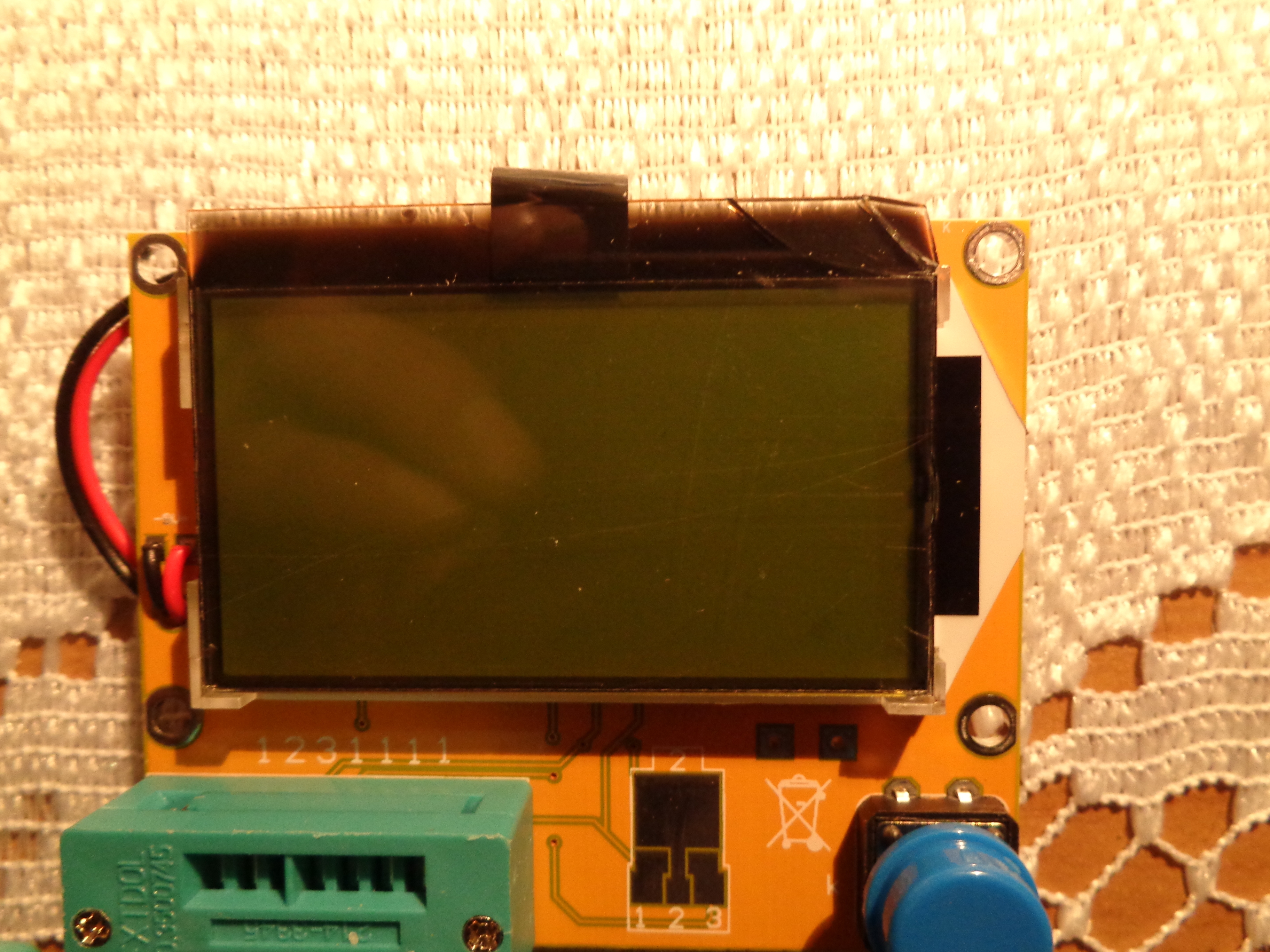
1. Which components does the LCR-T4 recognise?

It auto-detects resistors, capacitors, inductors, diodes (single & dual), LEDs, Zener diodes (≤30 V with updated firmware), BJTs, MOSFETs, JFETs, IGBTs (basic), thyristors, triacs, and voltage regulators [Elektroda, #16556695; #16666684].

2. How accurate are its measurements versus a quality multimeter?

User comparison showed 9.97 kΩ read as 10.18 kΩ (2 % high) and 100 µF read as 99.6 µF (0.4 % low) [Elektroda, 16556695] Inductance errors rise above 5 % near the 0.01 mH limit.

3. How do I calibrate the tester?

  1. Short pins 1-2-3 with low-resistance wire.
  2. Hold the single button until “Self-Test” appears.
  3. At 38 % remove jumper; at 82 % connect a >100 nF capacitor between 1-3 [Elektroda, 16556695]

4. What battery life can I expect?

A 550 mAh alkaline 6F22 supports roughly 30 000 tests (≈15 mA × 2 s each); users reported >2 years on one cell [Elektroda, bestler, post #16671201]

5. Why does my inductor show "resistor"?

The MCU flags coils below 0.01 mH or above 20 H as resistive. Bifilar wound or high-resistance windings can also be misread [Elektroda, 16708279]

6. Triac appears as NPN—faulty?

Not necessarily. High-gate-current triacs (e.g., KT207) may be detected as NPN when pin order flips. Confirm by testing both 180° rotations [Elektroda, 16585086]

7. What gains do I get from flashing new firmware?

Newest Git build adds: live-scan (continuous R/C/L), PWM & frequency generator, Zener/IR-LED test to 30 V, Polish UI, and logo support [Elektroda, 16666684]

8. How do I flash the AVR safely?

Use an ISP programmer, set fuses: LOW 0xE2, HIGH 0xD9, EXT 0xFC. Backup the factory hex first; then write the compiled .hex, verify, and power-cycle. Full guide in forum post #16666684.

9. Can I measure ESR in-circuit?

Yes for electrolytics ≥1 µF. Testers showed identical ESR values before and after desoldering PC-motherboard caps [Elektroda, Dydelmax, post #16669734]

10. What’s an edge-case the tester fails?

Charged capacitors can kill the input; one user cracked the LCD after a 50 V part was connected [Elektroda, 16579821] Always short large caps first.

11. How do I protect the ribbon display?

Stick 1 mm foam tape under the LCD and avoid flexing the gold ribbon. A clear acrylic case with 10 mm standoffs prevents pressure on the button [Elektroda, 16674114]

12. How do I assemble the acrylic enclosure?

Follow this 3-step: 1. Sandwich PCB between 10 mm spacers; 2. Insert LCD through front panel, secure with nuts; 3. Add rear plate and eight M3 screws [Elektroda, 16658664]

13. Why does the tester mis-show varicaps?

It measures junction capacitance at one bias only, so it logs them as ordinary diodes. A manual curve-tracer is needed for full C-V plots [Elektroda, 16689532]

14. Where can I buy or what’s the typical cost?

Ready-made LCR-T4 kits ship from AliExpress or eBay for €8–12; Polish stock adds ~40 % markup [Elektroda, 16567602] Shipping weight fits <2 cm letter rate.
Generated by the language model.
ADVERTISEMENT