logo elektroda
logo elektroda
X
logo elektroda

Internet radio and audio file player on ESP32-S3

MAJSTER XXL 232710 2507
ADVERTISEMENT
Treść została przetłumaczona polish » english Zobacz oryginalną wersję tematu
📢 Listen (AI):
  • #2491 21861462
    DJCheester
    Level 27  
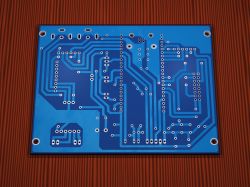
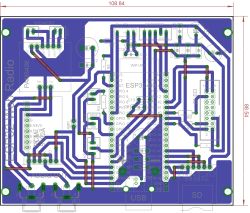
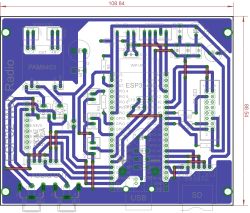
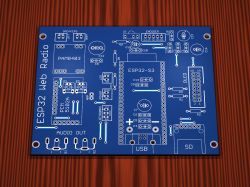
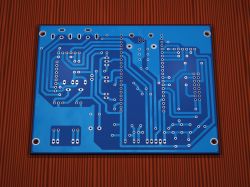
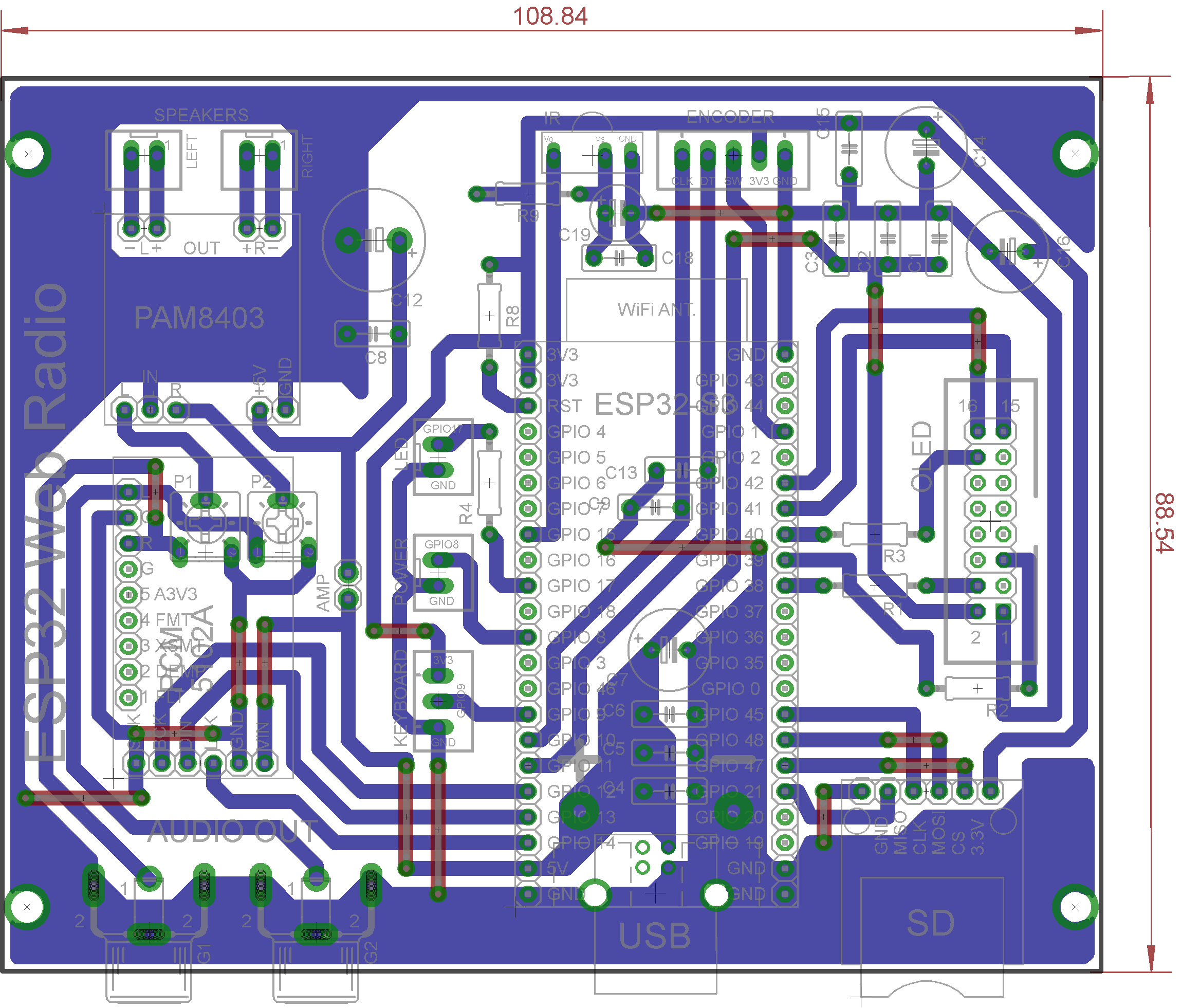
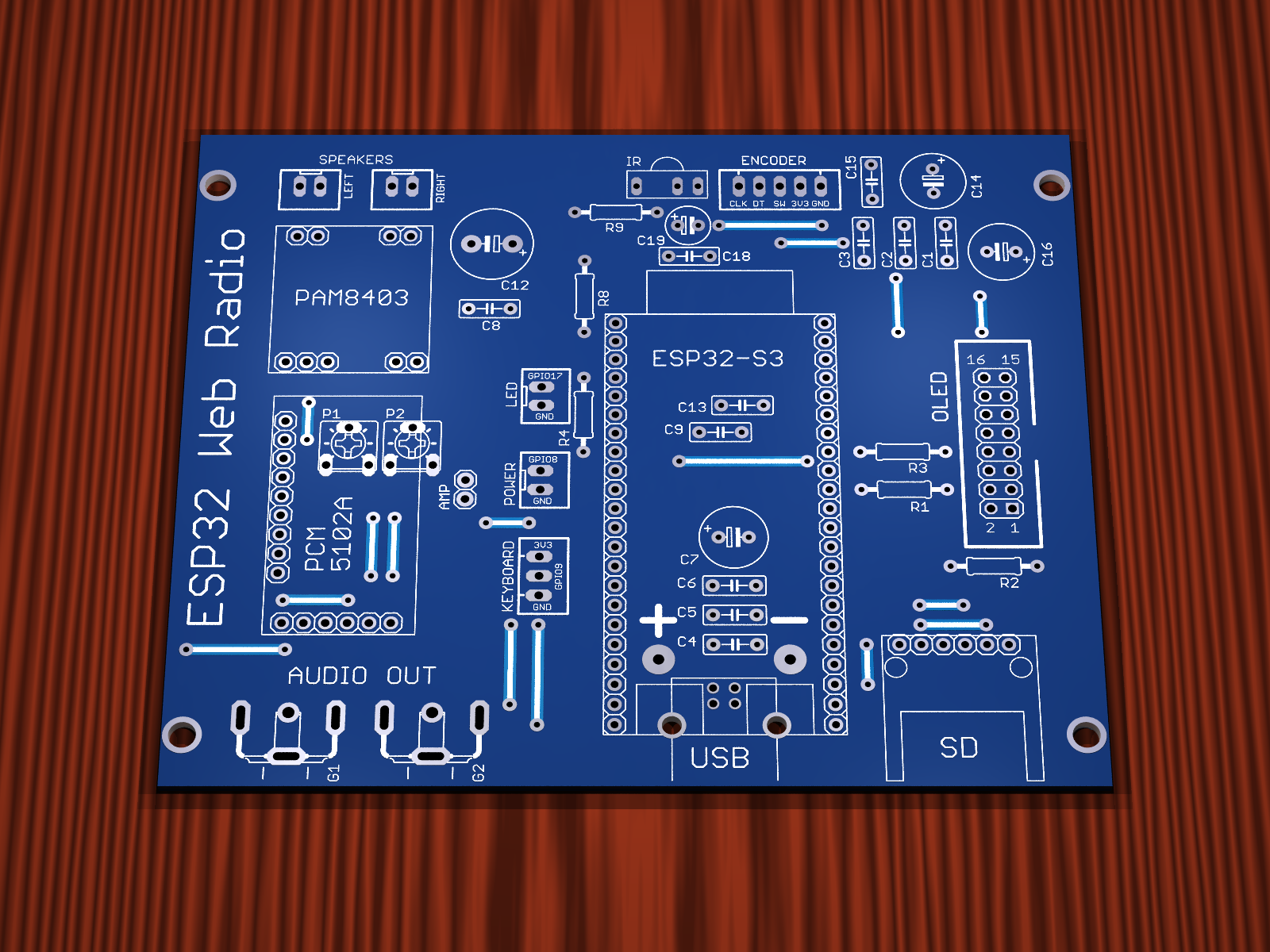
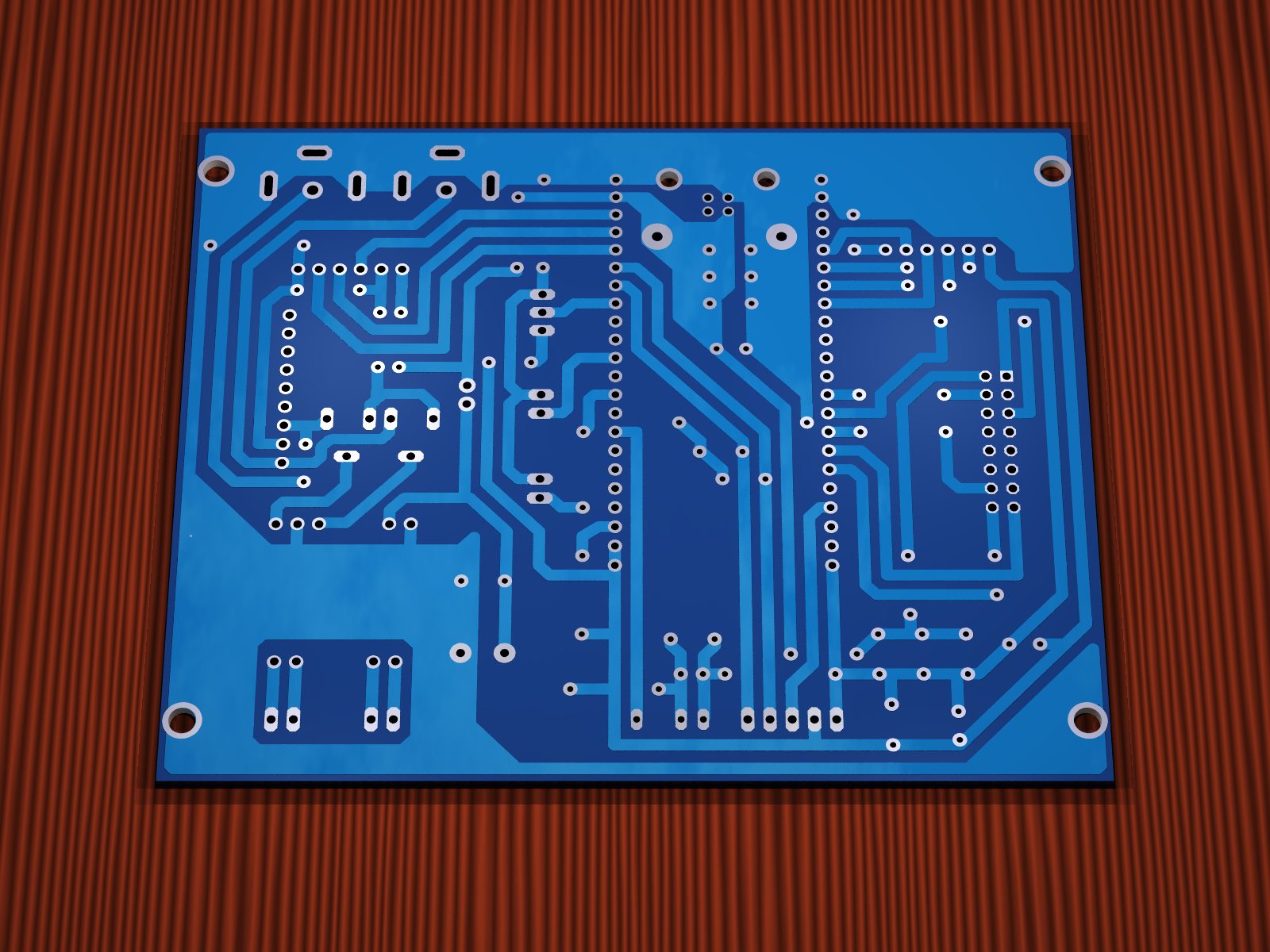
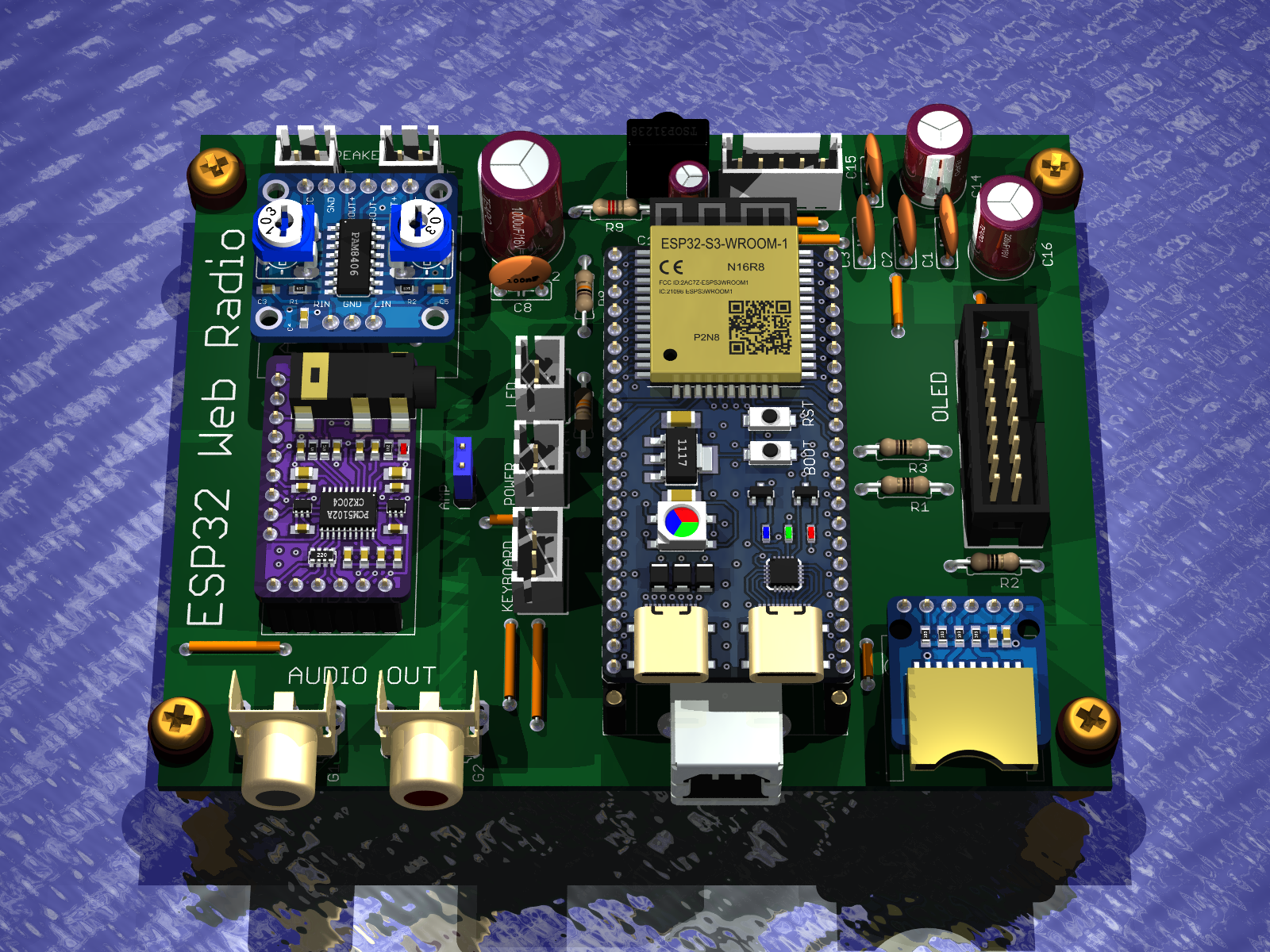
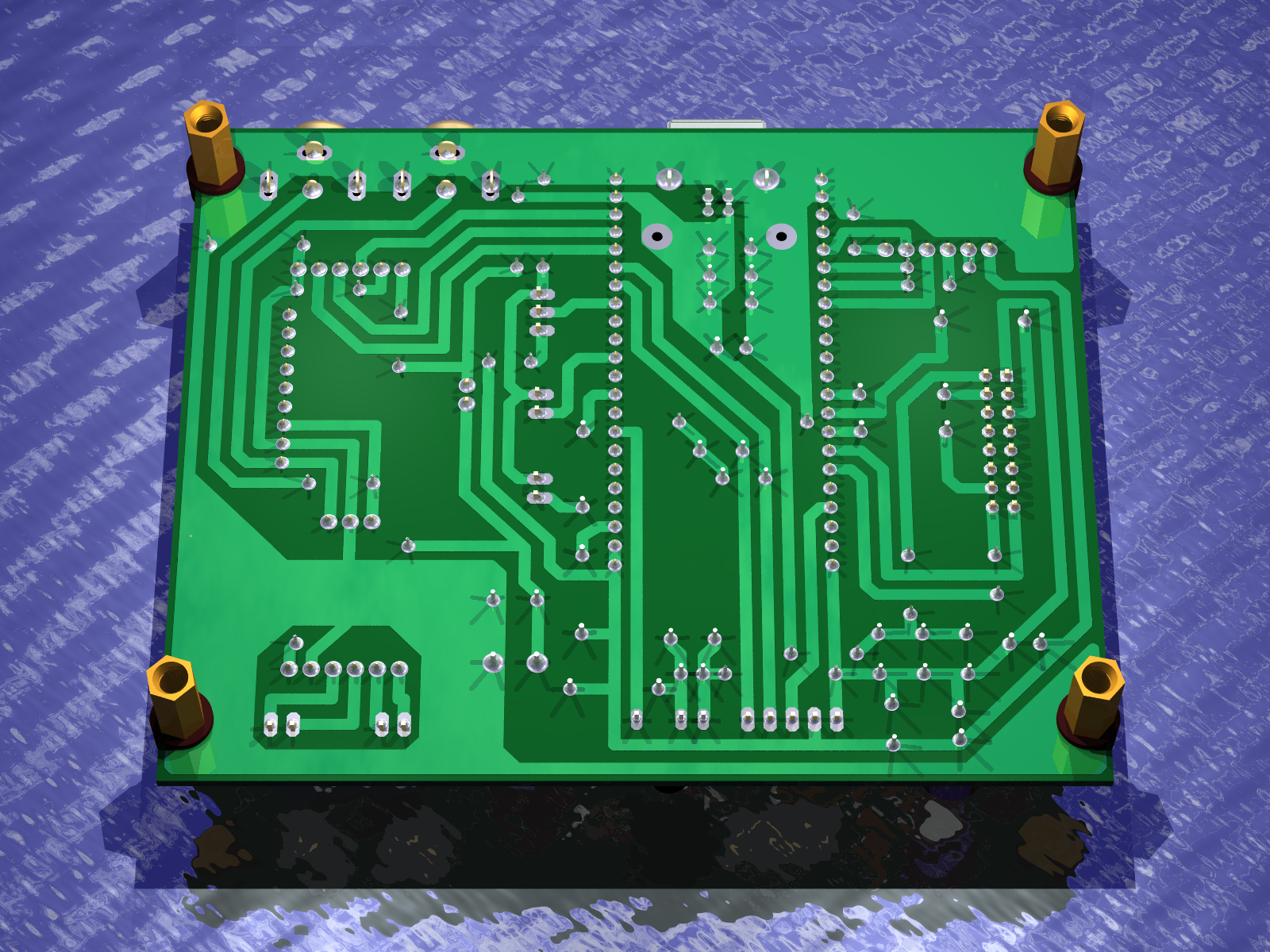
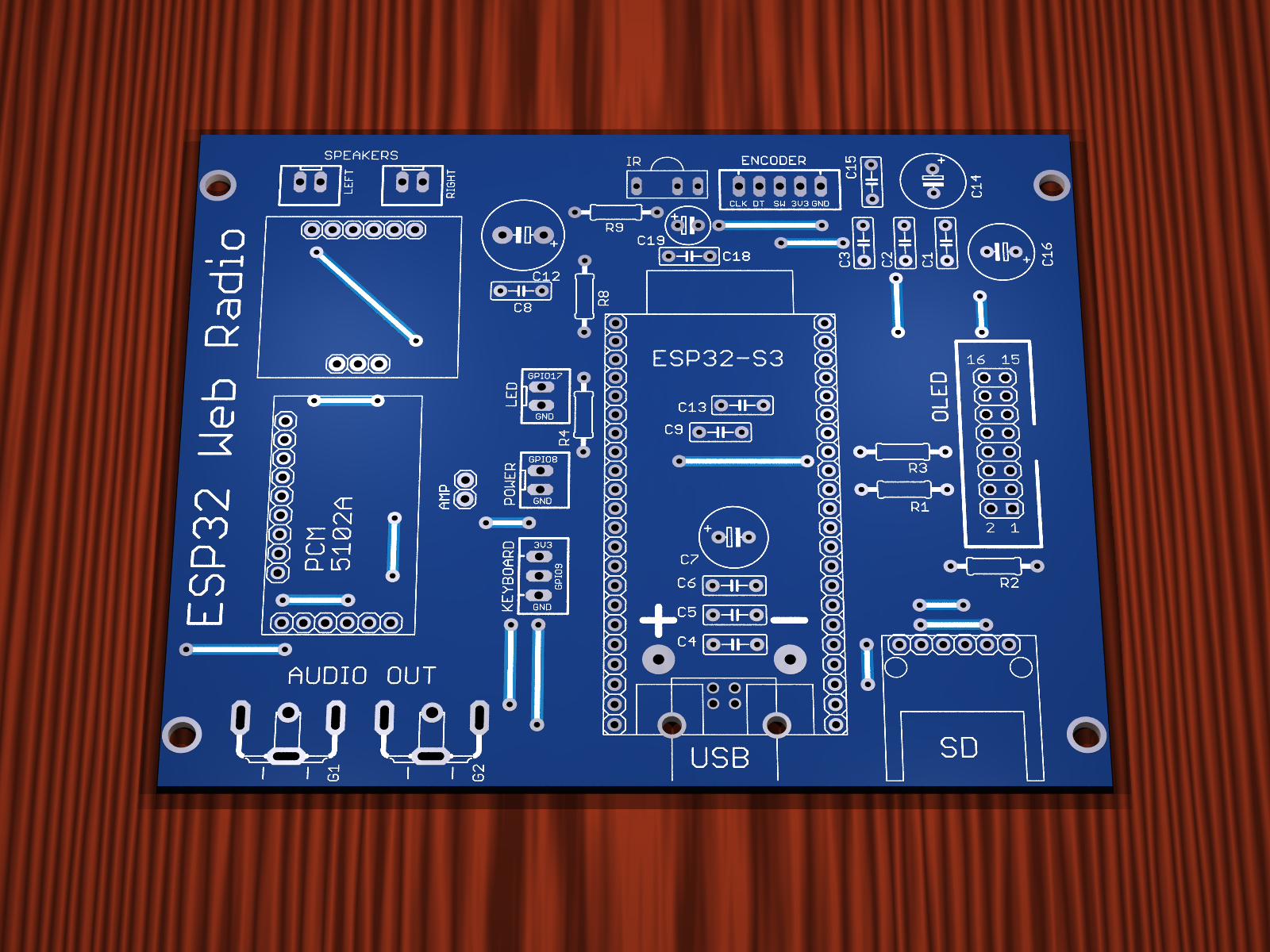
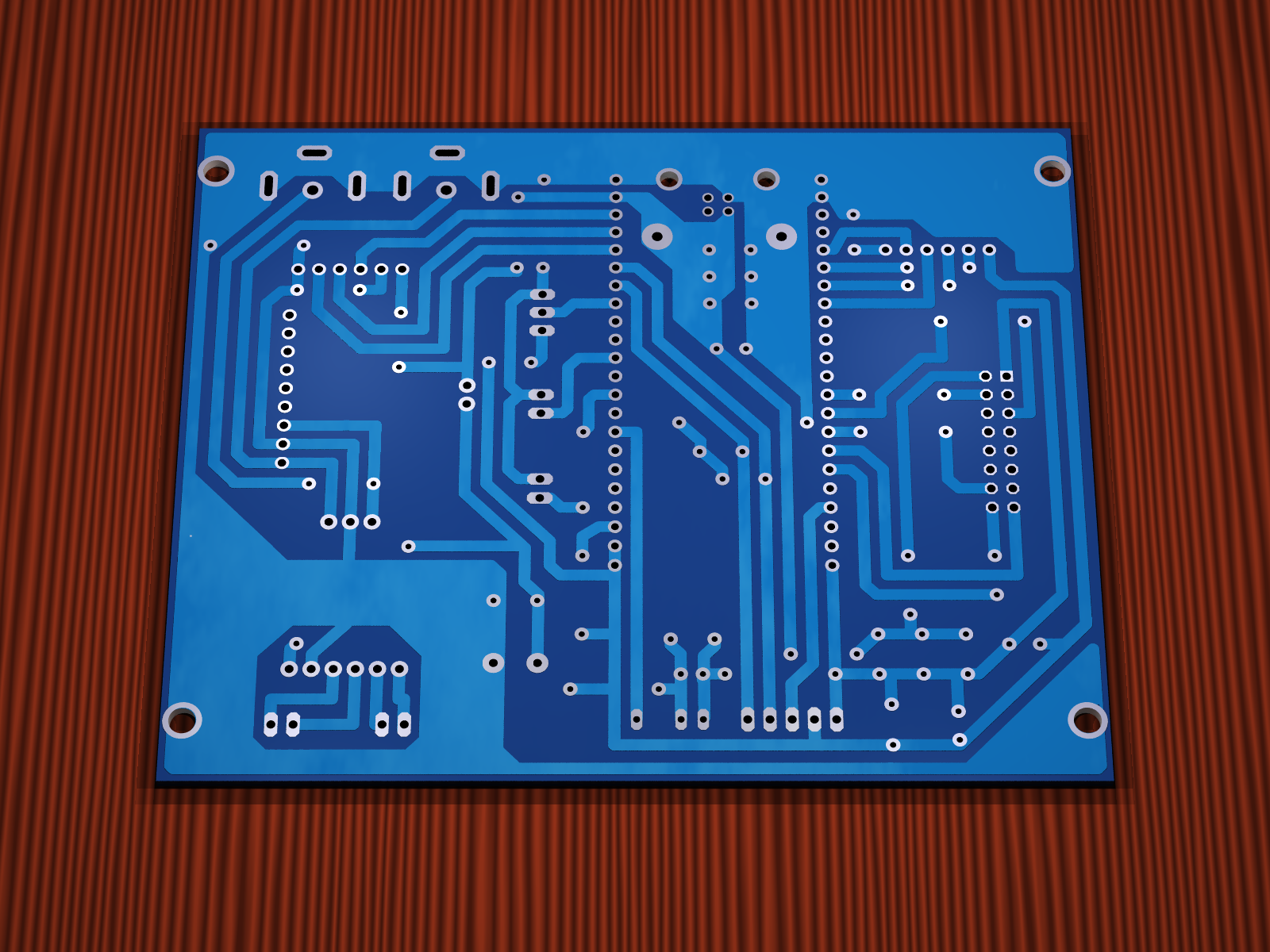
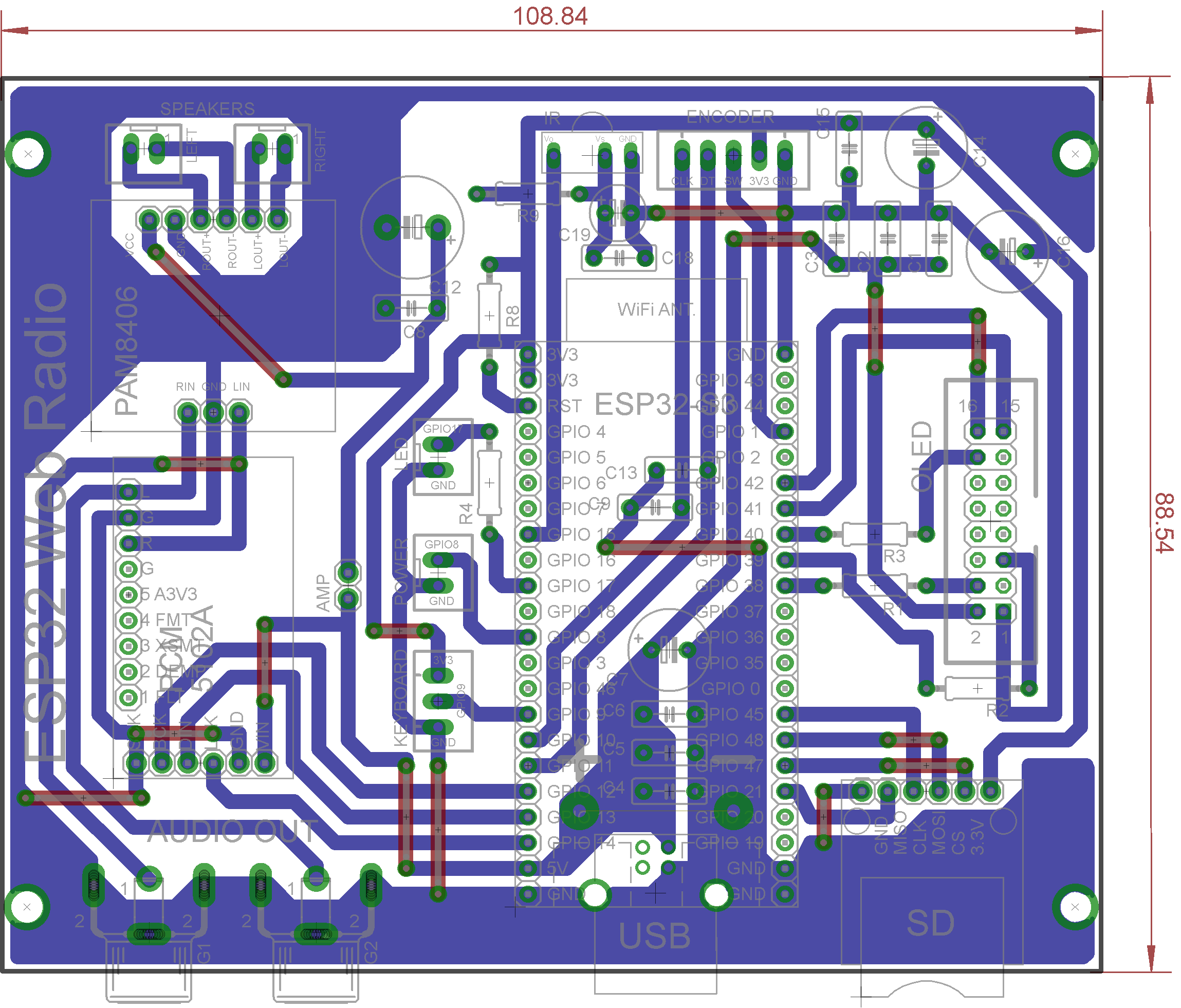
    My colleague @grzes_dst mobilised me and I added a connector for the keyboard on the PCB

    Here is the version with one encoder, but with two encoders it is the same

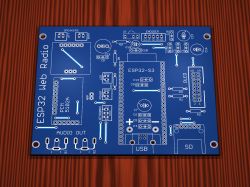
    ESP32 PCB layout with traces and headers for audio, OLED, USB, SD and encoder; dimensions 108.84×88.54
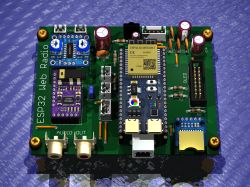
    Render of a blue “ESP32 Web Radio” PCB labeled with USB, SD, OLED, encoder, and speaker connectors
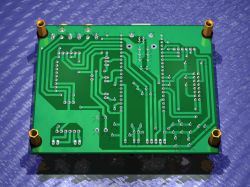
    Blue PCB with visible traces and mounting holes on a red textured background

    The board is wider than the old version - it is worth taking this into account when making the case.
    I will publish the gerbers in the near future.

    Greetings ....
  • ADVERTISEMENT
  • #2492 21861484
    ArtXs
    Level 24  
    DJCheester . thank you very much for another version of the PCB and for the instructions on swapping libraries. Great job.
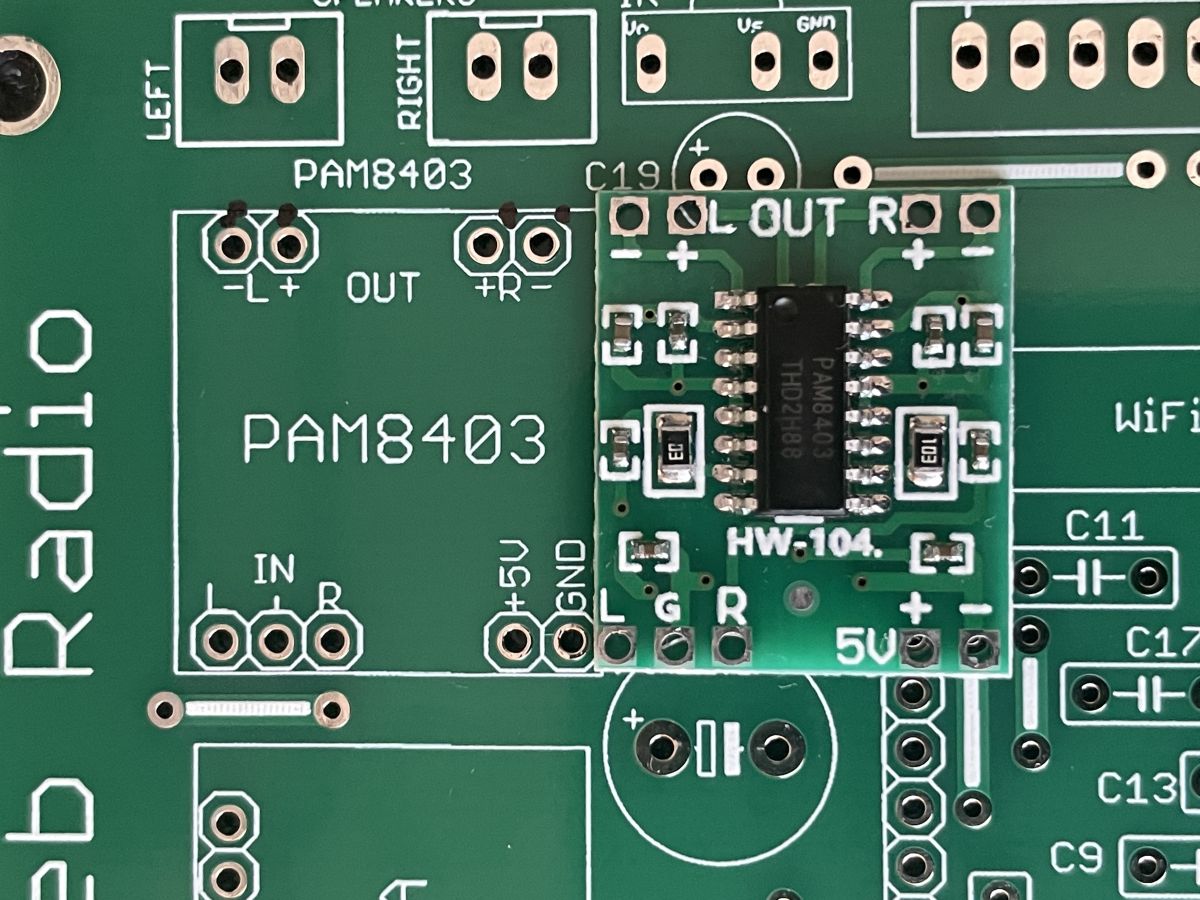
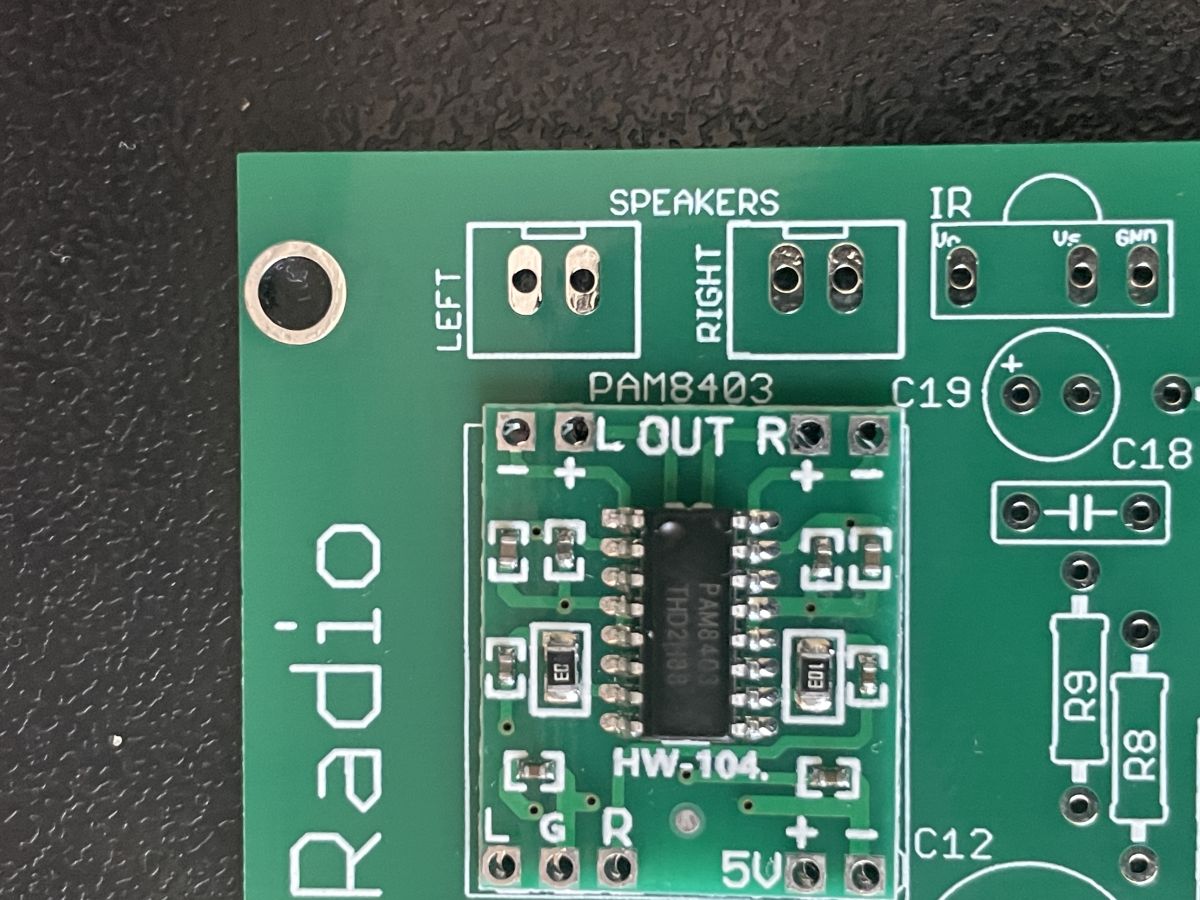
    When making new versions of the PCB, would it be possible to update the leads under the PAM8403 amplifier (I mean the output pads). I have marked the offset in the picture.

    PAM8403 amplifier module on a green PCB next to labeled solder pads for L/R outputs.


    Close-up of a PCB with a PAM8403 module and labeled speaker and IR connector pads.
  • ADVERTISEMENT
  • #2493 21861490
    ArturAVS
    Moderator
    And why don't you connect it in the way recommended by the manufacturer? Output filters with inductances are a must.
  • #2494 21861500
    ArtXs
    Level 24  
    ArturAVS wrote:
    And why don't you connect it as recommended by the manufacturer? Output filters with inductances are necessary.


    Look at the documentation Link
  • ADVERTISEMENT
  • #2495 21861506
    ArturAVS
    Moderator
    @ArtXs Read carefully. Page 9. The minimum is two ferrite "pearls". Second point, this is not a HiFi amplifier.
  • #2496 21861538
    simw
    Level 27  
    ArturAVS wrote:
    Read carefully. Page 9. The minimum is two ferrite "pearls"

    Well, that's what you should read. This is the minimum for those wanting to reduce EMI above 1MHz, but the basic application from page 1 omits this, as the standard 'filtering' is the speaker inductance. At most one can interpret, each in their own way, whether this lowering of EMI is necessary, but this documentation does not settle that.

    Added after 16 [minutes]:

    Or perhaps as an alternative, a module like this:
    https://github.com/WeActStudio/WeActStudio.I2SSpeakerModuleV1/tree/master
    https://datasheet.es/download.php?file=NS4158
    It was complained in the thread that a potentiometer is needed for the PAM8403, with the ns41xx there is no such problem.
  • #2497 21861589
    DJCheester
    Level 27  
    ArtXs wrote:
    would it be possible to update the leads under the PAM8403 amplifier (I mean the output pads). I have marked the offset in the photo.


    And here is the problem, because ch production is Chinese makes different ones a little narrower and unfortunately bigger. I just happen to have the ones that fit my PCB perfectly.

    ArturAVS wrote:
    Read carefully. Page 9. The minimum is two ferrite "pearls". Second point, this is not a HiFi amplifier.


    That it's not HiFi I know and the kitchen radio I have on this PCB is not HiFi either, it's not that league of equipment. It is supposed to be a cheap internet receiver and this was my assumption while designing the PCB. In addition, I completely abandoned SMD components because my eyesight is no longer that good.

    I2S module is taken into account in the next version if kol Robgold goes in this direction.

    https://pl.aliexpress.com/item/1005009587262392.html

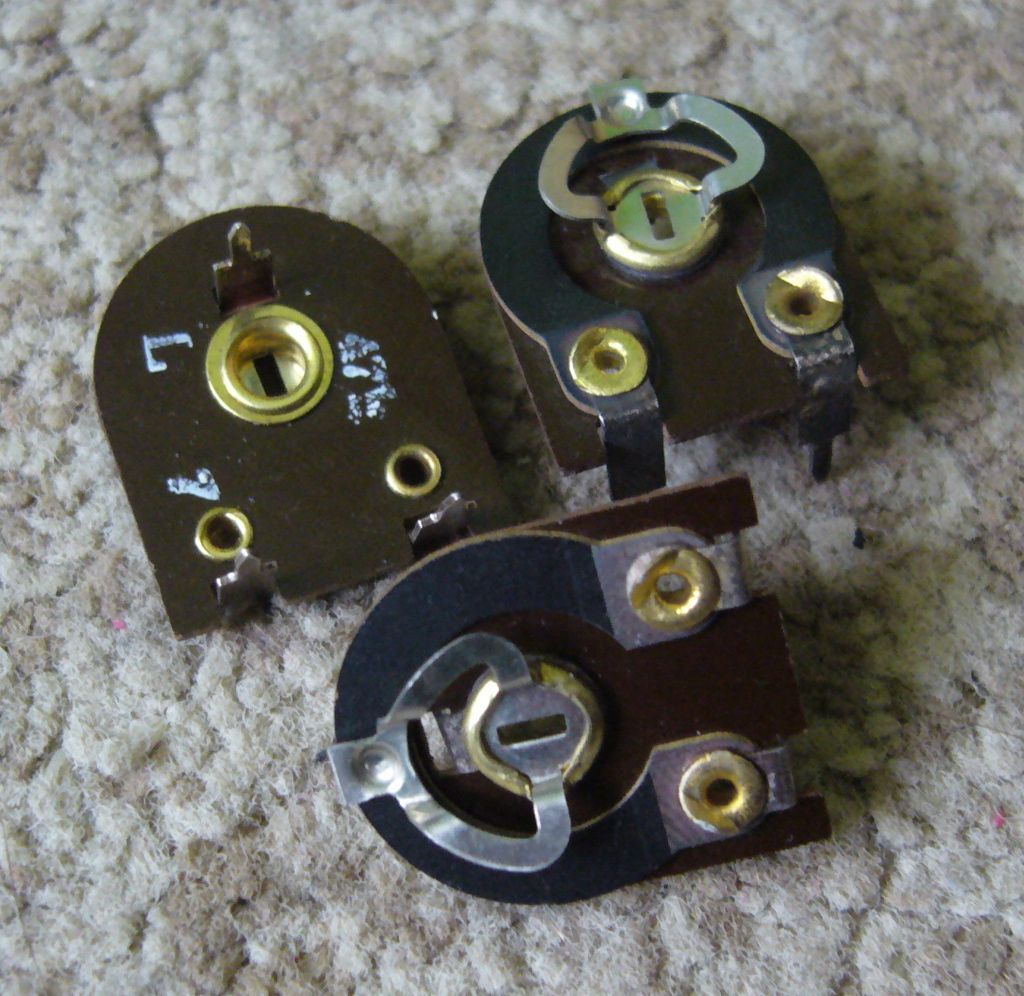
    For the currently installed PAM8403 amplifier there are potentiometers added on the PCB for setting the input signal threshold.

    Greetings....
    Added after 6 [minutes]:

    Just wondering about replacing the IR receiver that is currently on the PCB with a JST 3-pin connector for plugging in the receiver on the wire.
    Greetings....
  • #2498 21861675
    grzes_dst
    Level 12  
    DJCheester wrote:
    I am just thinking about replacing the IR receiver that is currently on the PCB with a JST 3-pin connector for plugging in the receiver on a wire.


    @DJCheester I think it would be a good solution to have the IR on the JST 3 connector.
    Anyway, you can leave it as it is and you can use the JST 4 connector by removing one pin and it should fit , to bring the signal to the IR receiver further away from the board.
  • #2499 21861695
    DJCheester
    Level 27  
    grzes_dst wrote:
    JST 4 sockets by removing one pin and it should fit , to lead the signal to the IR receiver further away from the board.


    I now do this ;)
  • ADVERTISEMENT
  • #2500 21861820
    ArtXs
    Level 24  
    DJCheester wrote:
    And here is the problem because ch production is chinese makes different ones a little narrower and unfortunately bigger. I have just the ones that fit my PCB perfectly.

    I see, and could you please post the exact pictures or possibly a source for the matching PAM8403 module.
  • #2501 21861956
    pipikupi1979
    Level 10  
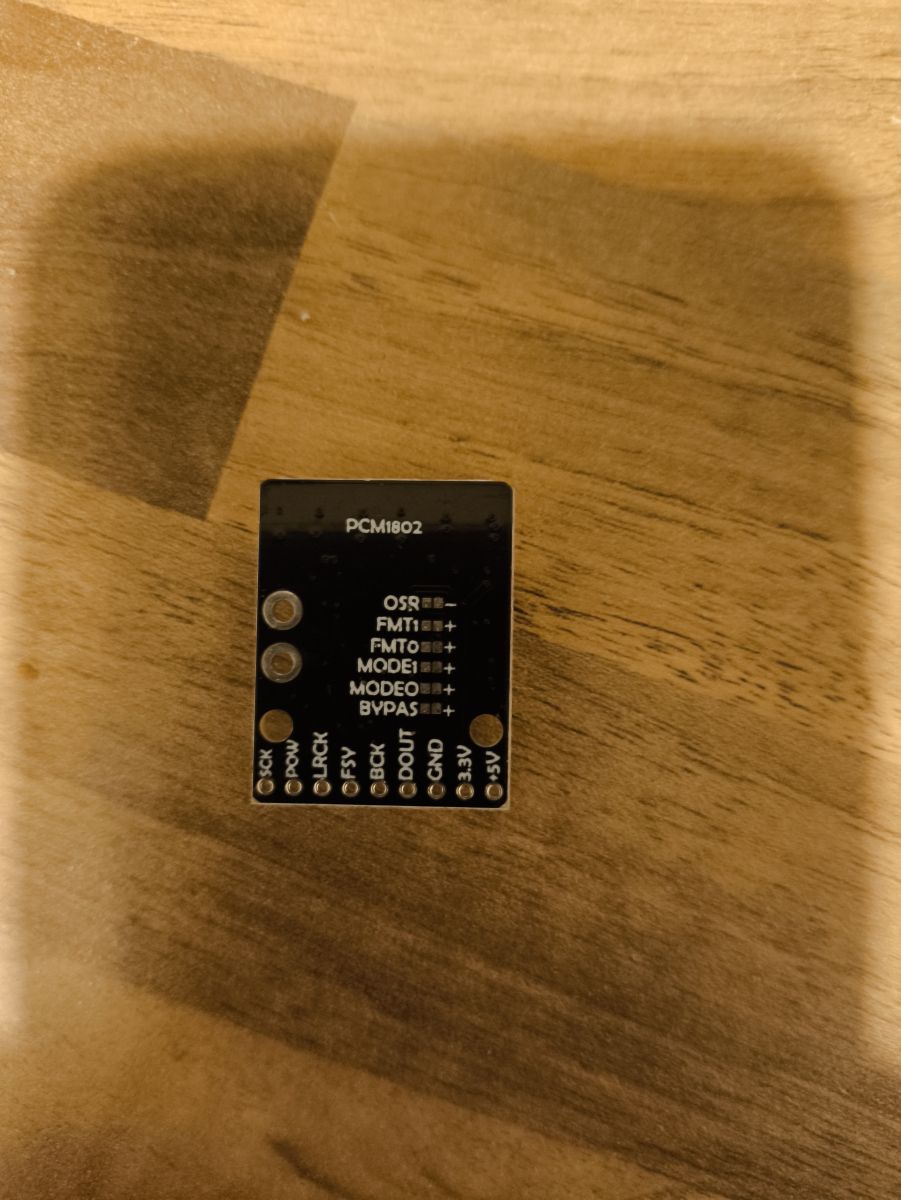
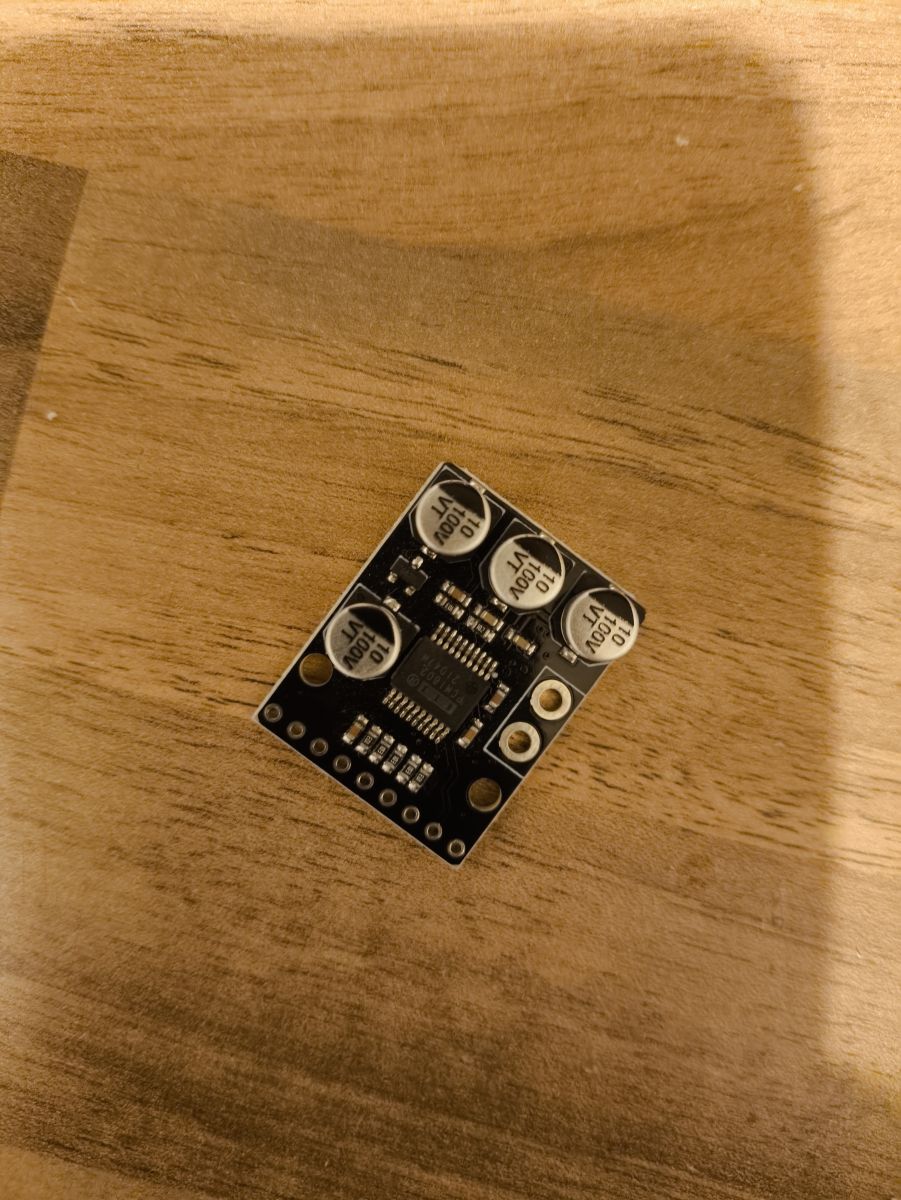
    Sorry to jump in with something completely off topic, but I'm looking for someone who has tried working with this adc pcm1802 module in conjunction with an Esp32 and the configuration of this module (jumpers). The information I've dug up is quite contradictory on several issues hence I'm looking for people who have had any physical contact with this module. Thank you in advance for any information.
    Black PCM1802 ADC module on a wooden surface, with printed pin labels and configuration jumpers. Small electronic module board with three SMD capacitors and an IC on a wooden tabletop
  • #2502 21861959
    DJCheester
    Level 27  
    >>21861820

    I'll do it tomorrow

    Greetings....
  • #2503 21862303
    dawidkosciesza
    Level 9  
    Hello.
    It would be nice if there was a way to power the PAM8304 via some sort of contactor, so that it would energize with the operation of the radio.

    I have ordered myself a PAM8406 for the time being.
    Anyone know or has tested it? A little more power and probably a better class of amplifier.

    As for the potentiometers, I guess you'll have to solder them from underneath to set the value. It's a shame that they came out under PCM.

    As for me, the big improvement is the more detailed descriptions on the board. I missed this in the previous version. I had to make sure several times where the ground was and where the plus was, e.g. in the encoder.
    If this is not a big problem then describing the component values would be great because you don't have to look at the schematic or at the card ;) And I miss the description at the IR sensor output.
    But yes it's a super job @DJCheester :)
  • #2504 21862399
    DJCheester
    Level 27  
    dawidkosciesza wrote:
    It would be nice if it was possible to power the PAM8304 via some sort of contactor so that it would excite with the operation of the radio.


    Hello

    I'm thinking of changing the PAM8403 to an amplifier with a digital i2s input which should eliminate buzz and other noise, it has a standby option, if Robgold sacrifice one GPIO to control the amp then you have a ready made circuit to switch off the amplifier along with the radio.

    dawidkosciesza wrote:
    I've ordered myself a PAM8406 to try out.
    Anyone know or has tested it? A little more power and probably a better class of amplifier and there are versions with built-in potentiometers.


    Same thing only more power (theoretically)

    dawidkosciesza wrote:
    What about the potentiometers, I guess you will have to solder them on the underside to be able to set the value. It's a shame that they came out under PCM.


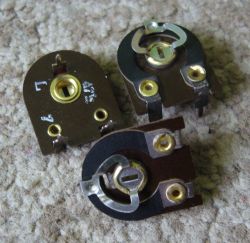
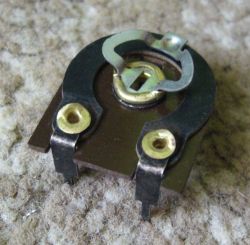
    Yes they are under the module, one is slightly extended which will allow you to set the level of one channel on off, you can remove the PCM and set the other identically, these potentiometers are for a one time level setting, I don't think anyone will mess around in there afterwards.

    dawidkosciesza wrote:
    A big improvement for me are the more detailed descriptions on the board. I missed this in the previous version. I had to make sure several times where the ground where the plus e.g. in the encoder.
    If this is not a big problem then describing the values of the components would be great at all because you do not have to look in the diagram then or in a sheet of paper and I miss the description at the output of the infrared sensor.


    For the IR there will also be descriptions of the values also maybe somehow squeeze in ;)

    The PCB is in the process of being designed so anything could still be possible....

    Greetings ....
  • #2505 21862510
    kula350
    Level 12  
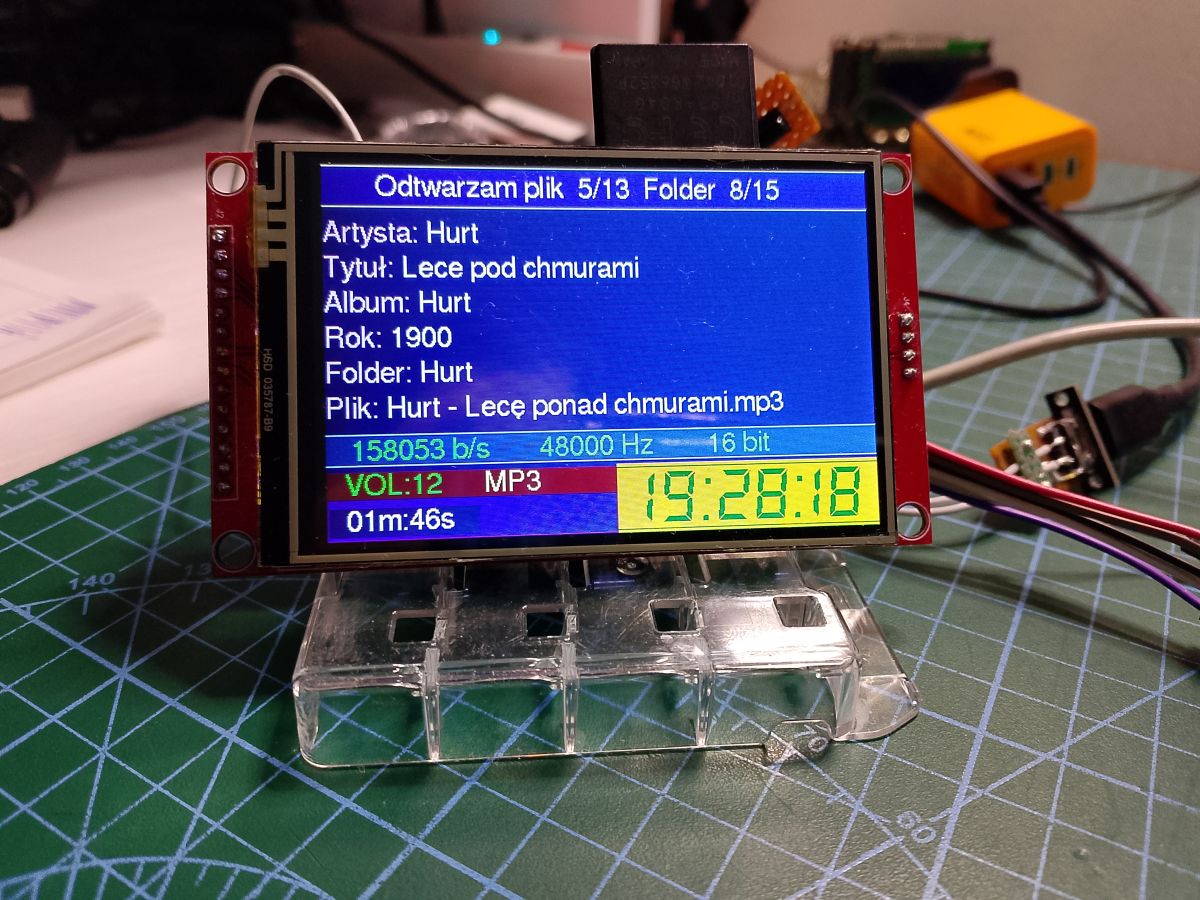
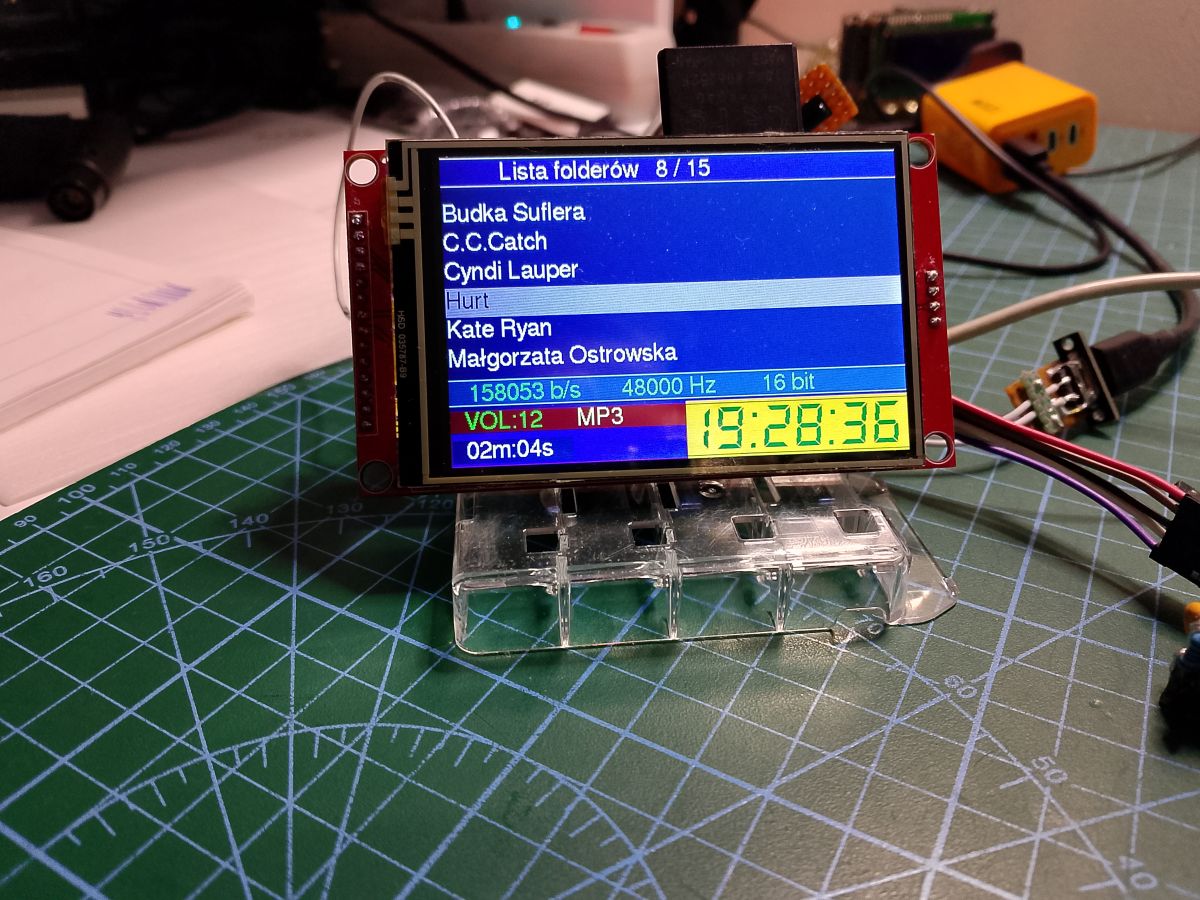
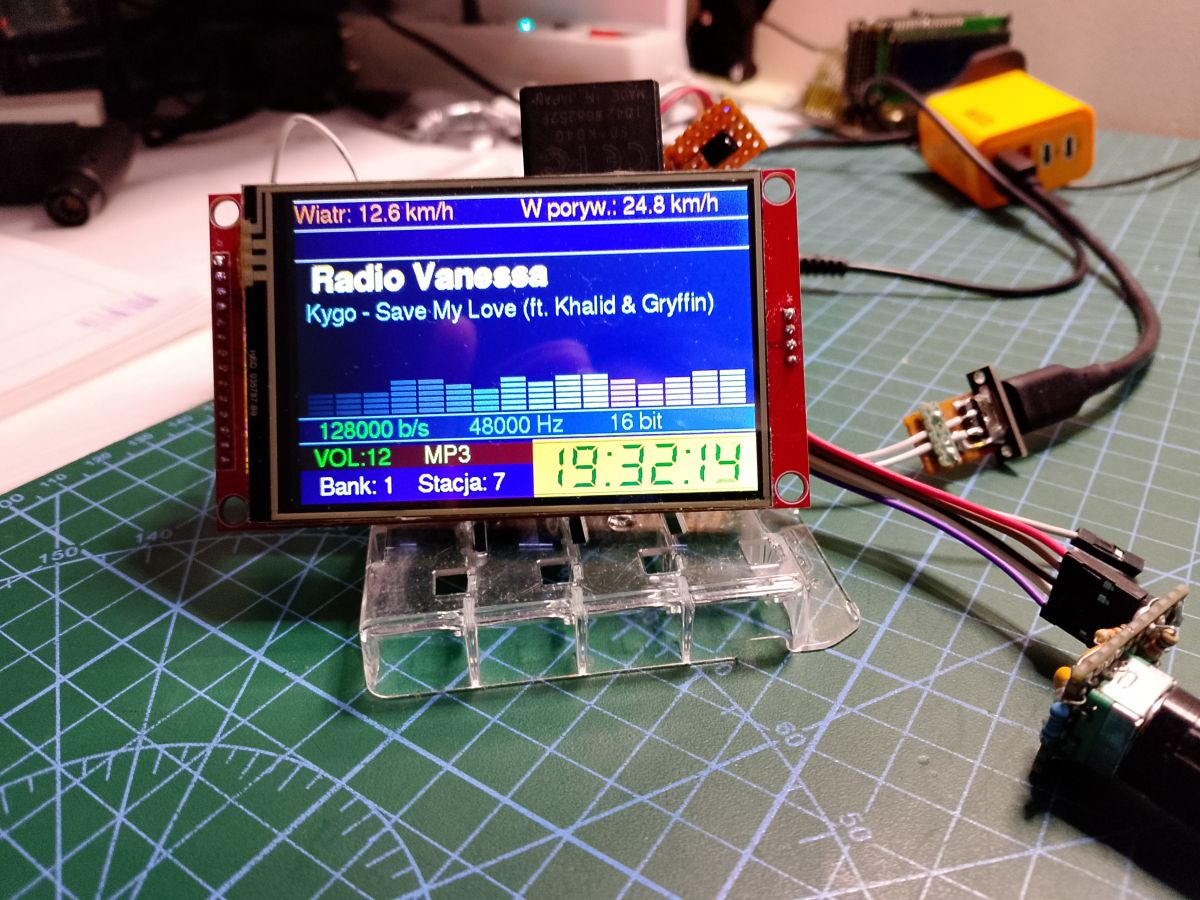
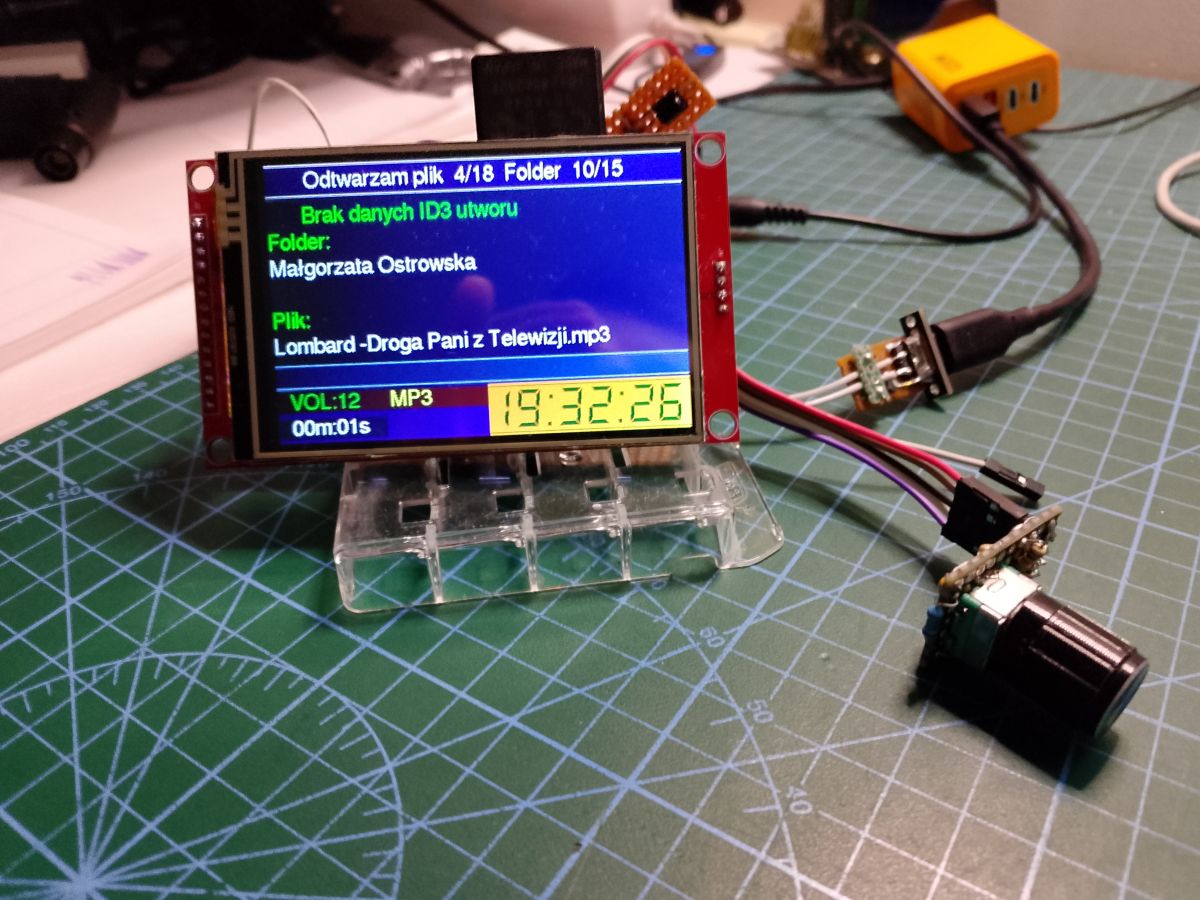
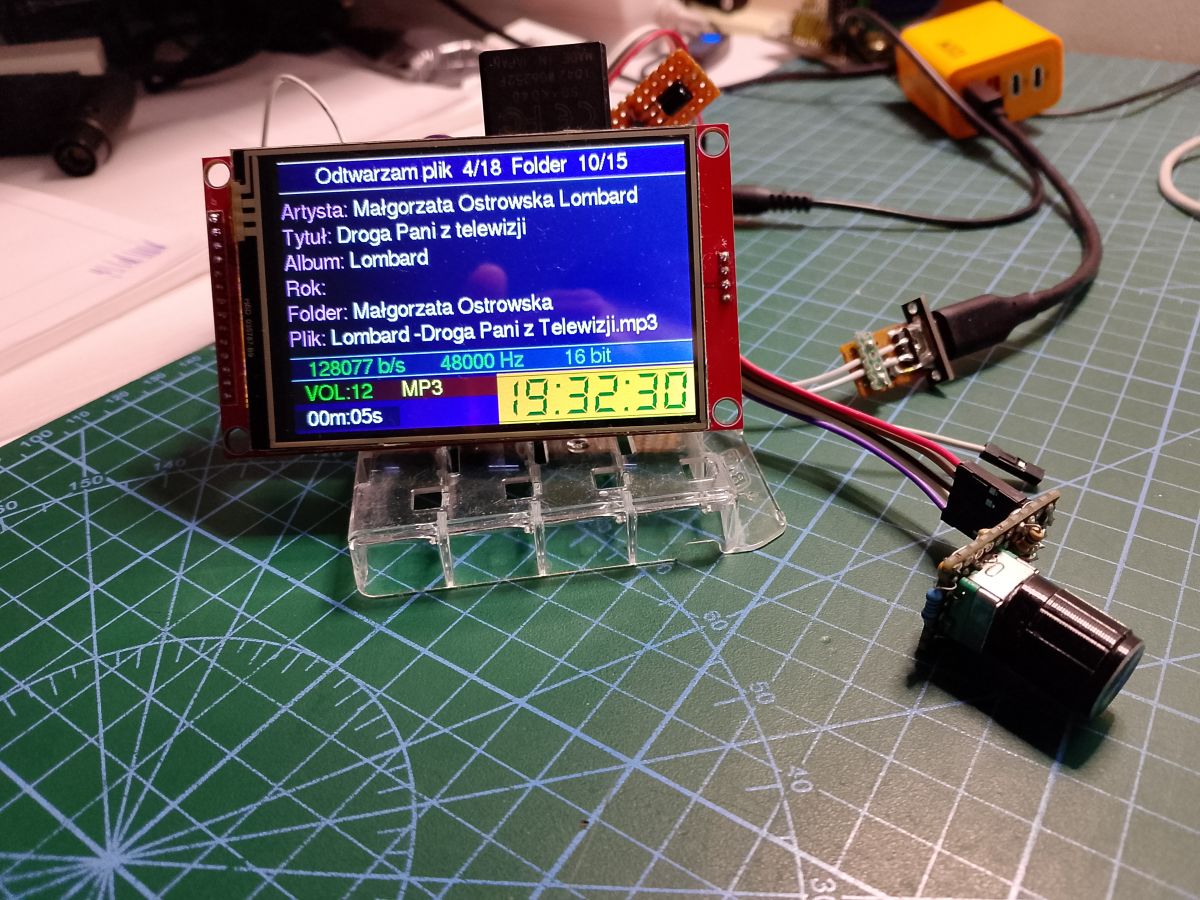
    Work on the 'Cemetery' continues. Coffins are sucking up. VU-meter selection on the card, encoder, which for now has folder selection, volume, power ON/OFF. How about 2, we'll see? Colours from a file on the card, why not. Maybe a whole radio control with amplifier, and maybe add FM? Work in progress. Sweat is pouring from the keyboard. What the hell, I just want to move forward. Here we go.

    LCD module on a work mat shows an MP3 player screen with track metadata and a clock reading 19:28:18.

    LCD module on a desk shows an MP3 folder list, volume 12, and time 19:28:36

    LCD module on a red PCB shows “Radio Vanessa” and MP3 playback on a cutting mat

    MP3 player prototype with a color display on a cutting mat, plus a rotary encoder and wires.

    LCD module showing MP3 playback on a cutting mat, with a wired rotary encoder knob beside it
  • #2506 21862521
    DJCheester
    Level 27  
    >>21861820

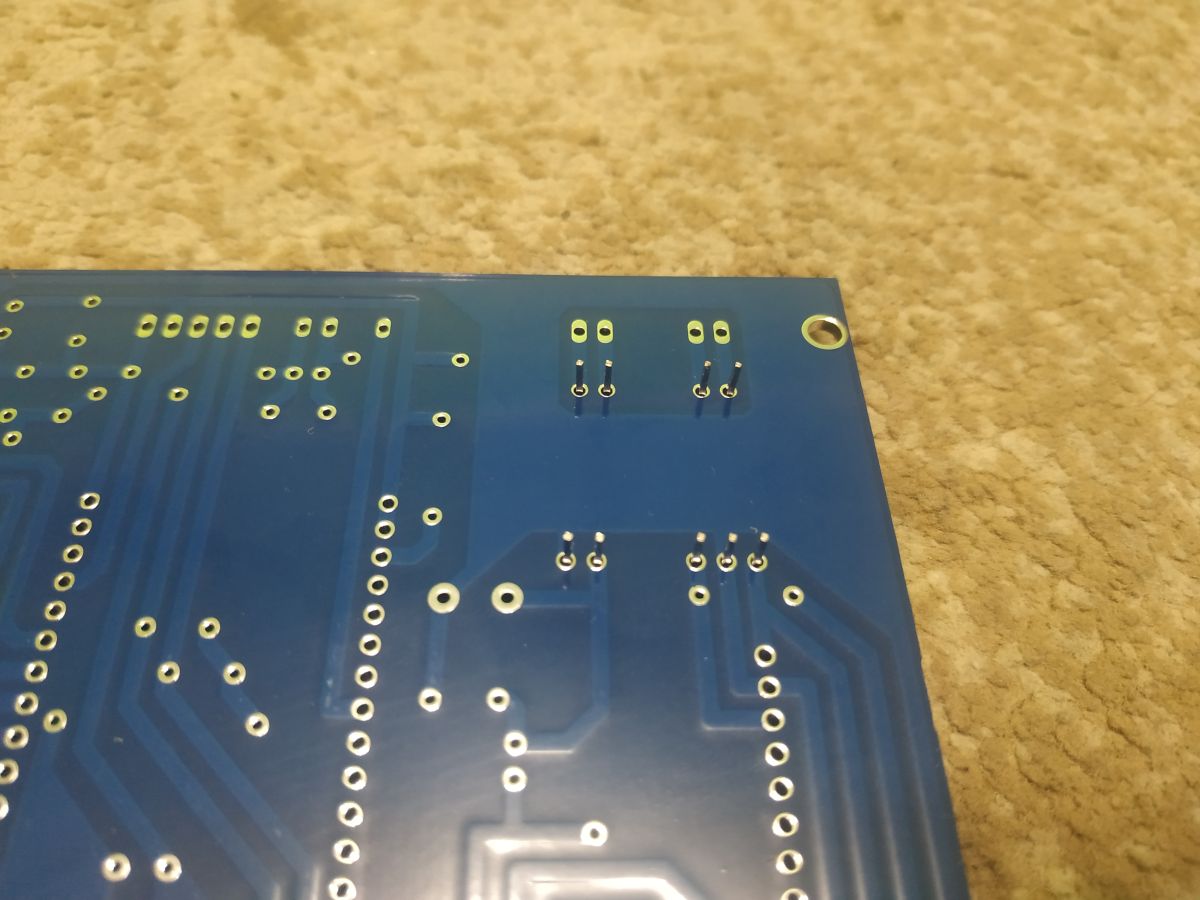
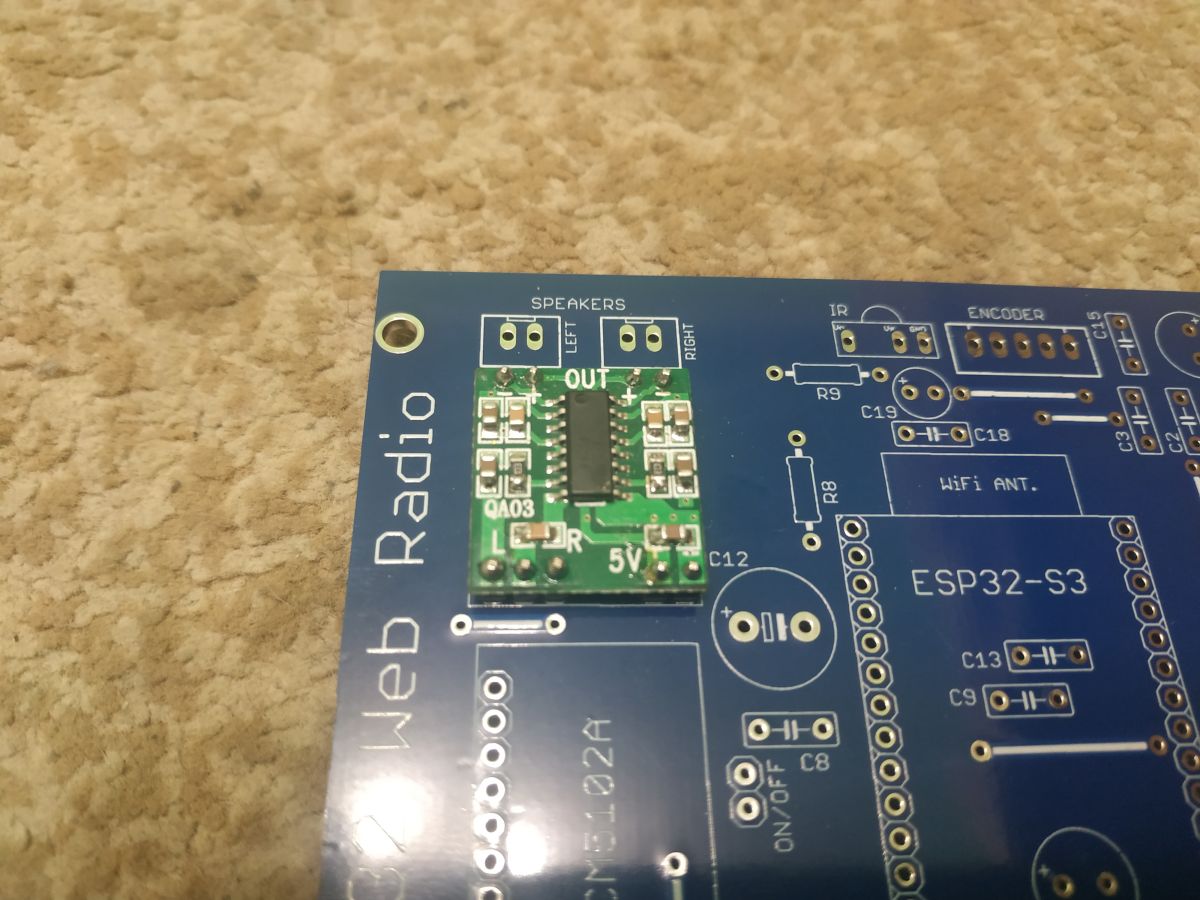
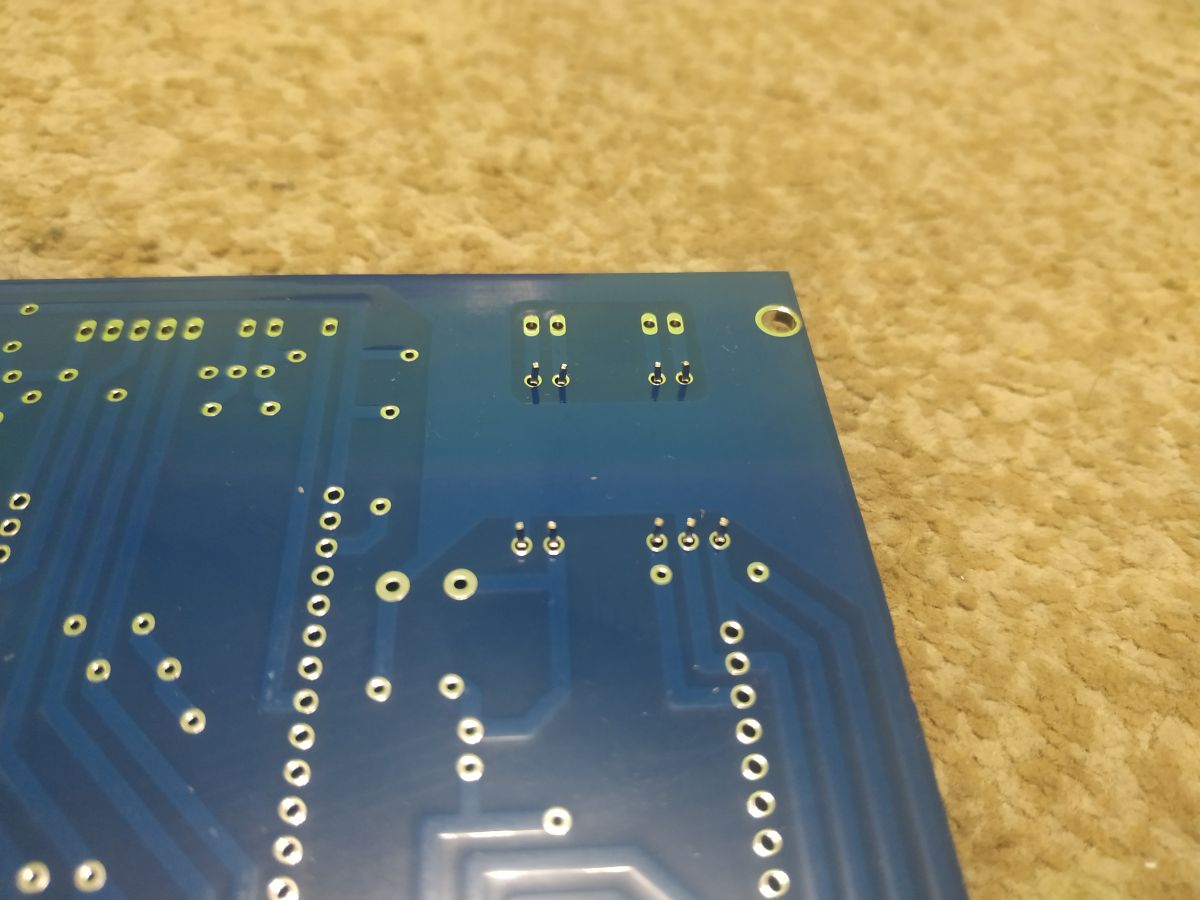
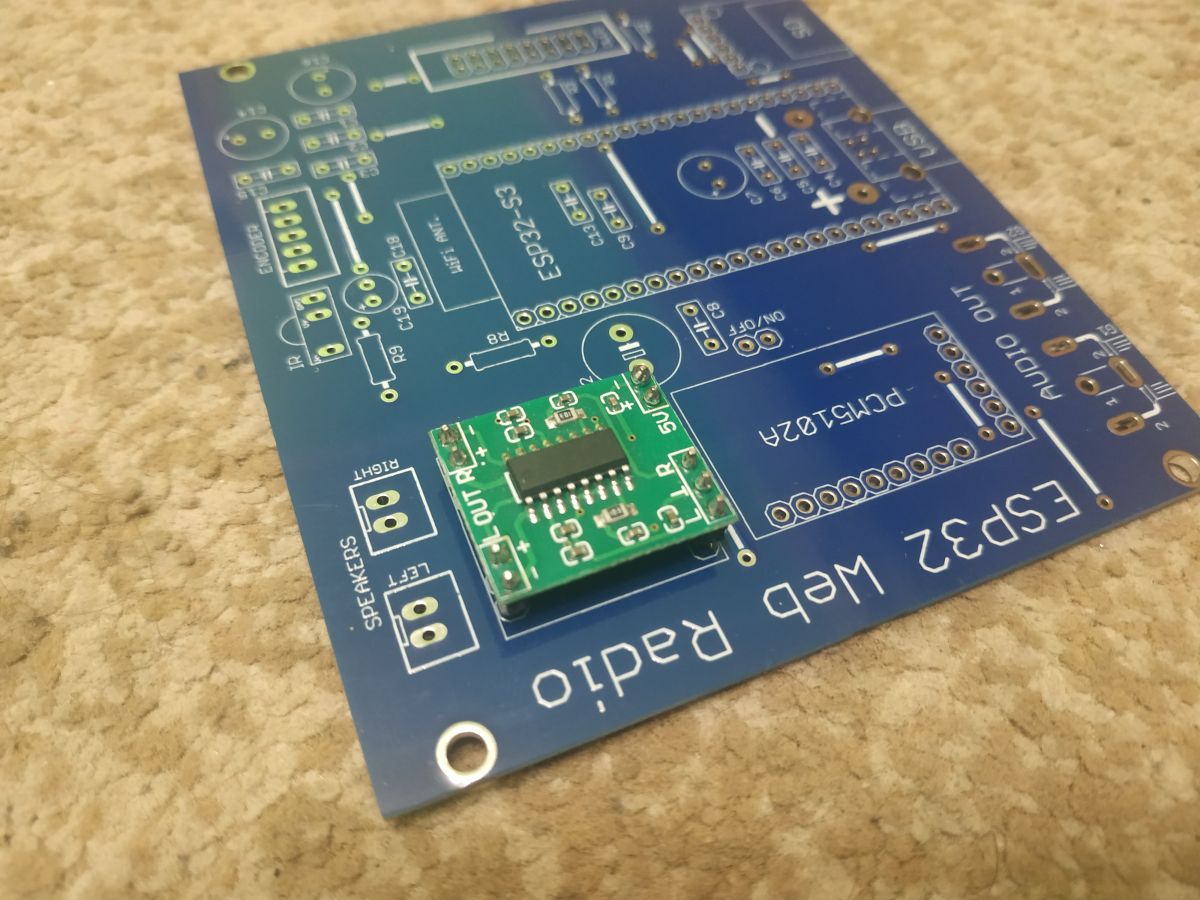
    I have bought on Aliexpress in a larger package twice and twice they sent different ones but the hole spacing fits perfectly.

    Here are pictures of the 2 modules in the PCB.

    Underside of a blue PCB with through-holes and a mounting hole on a beige textured fabric background Small green electronic module on a blue PCB labeled “Web Radio” and “ESP32-S3”. Underside of a blue PCB with plated through-holes and a mounting hole on a beige surface Green electronic module on a blue PCB labeled “ESP32 Web Radio” Green electronic module on a blue PCB labeled “ESP32 Web Radio”

    You have some with the inscription HW-104 it comes out not to buy these. But with the Chinese it's difficult to get along, they have different pictures and pack others. Greetings ...
  • #2507 21862592
    supsak
    Level 12  
    >>21862303
    Hi .
    I have a PAM8406 v 1 projection and I would say that it plays better as a PAM 8403. on PAM8403 I feel a time like a
    snporczenje .... On PAM8406 there is a silence instead of sound, picanja przetvornici on a display. Also it is good that PAM8406 has already potentiometer regulators on LINE in and with this you can adjust volume.

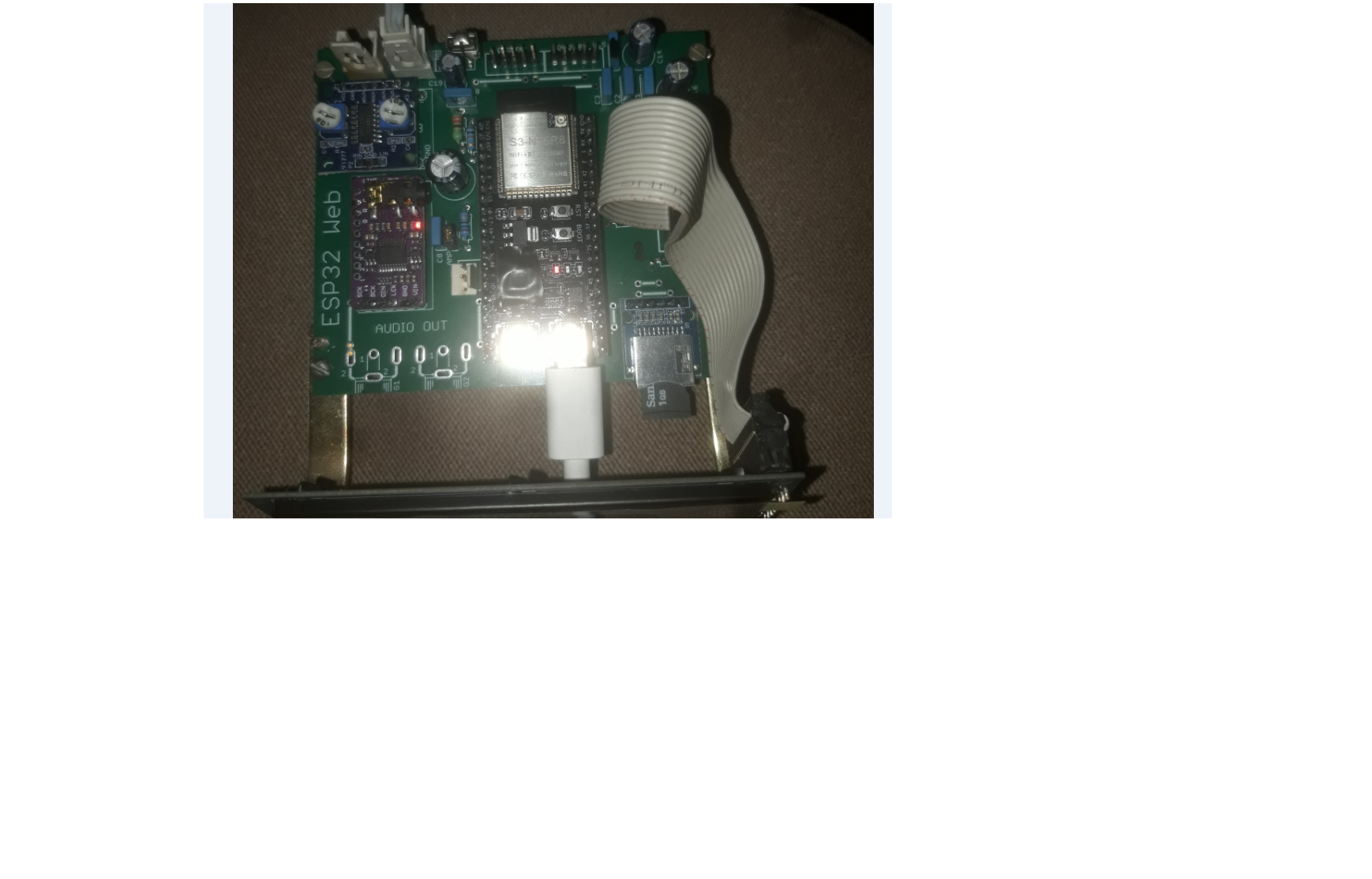
    ESP32 Web circuit board with a module, ribbon cable to a display, and a microSD card
  • #2508 21862616
    grzes_dst
    Level 12  
    robgold wrote:
    From version 3.20.04 there are presets, you can program in each bank the first stations from 1-10 as your favourites and with one click of the buttons 0-9 the radio will select the appropriate station. The presets function should also be enabled in the radio settings.


    Buddy @robgold how to store your favourite radio station from the selected Bank to the respective 0-9 button.
    Preset" function enabled in the settings, or do you have to physically move the favourite stations in the respective bank from 0-9?
📢 Listen (AI):

Topic summary

The discussion centers on the development of an internet radio and audio file player based on the ESP32-S3-WROOM-1 module, featuring a custom-designed prototype PCB with OLED display and user controls including rotary encoders and buttons. Key challenges addressed include pin spacing discrepancies in the ESP32-S3 module footprint, integration of Wi-Fi connectivity with dynamic station list updates, and handling of Polish character encoding on the OLED display. The project uses Arduino IDE (version 2.3.2) with ESP-IDF support and requires enabling PSRAM. Audio playback supports MP3, AAC, and FLAC streams, with the ESP32-audioI2S library recommended over the incompatible Audio library. Users reported issues with SPI MISO pin assignment causing bootloader conflicts, resolved by reassigning MISO to pin 35. The project incorporates WiFiManager for network configuration, EEPROM and SD card storage for saving last played station and settings, and includes plans for tone control via an external KA2107 equalizer and a CS8673 amplifier module. Problems with encoder input stability and memory limitations for Bluetooth A2DP on ESP32-S3 were noted. The community suggested alternatives like KaRadio and ESP32-MiniWebRadio projects. Debugging tips include serial terminal logs for HTTP errors and flash memory erasure to resolve boot loops. The project is open-source on GitHub, encouraging forks and modifications. Additional features under development include browser-based updates, directory navigation, and potential audio recording to SD card.
Summary generated by the language model.
ADVERTISEMENT